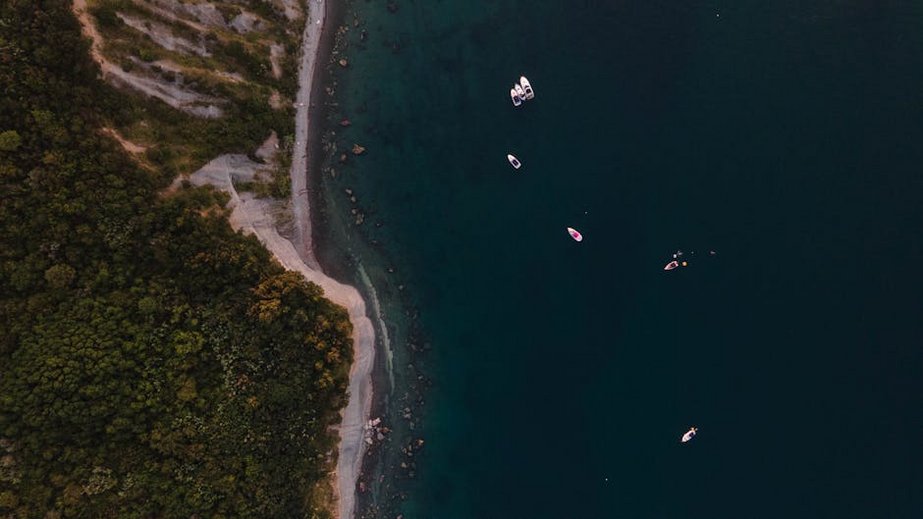
Nature Holiday in Slovenia: Europe’s Alpine Green Heart
Slovenia offers an extraordinary nature holiday with compact access to Alpine peaks, Adriatic coastline, and dense forests within a single country smaller than New Jersey. Your trip efficiently combines hiking in Triglav National Park, exploring the subterranean world of Postojna Cave, and enjoying the vibrant culture of Ljubljana, all connected by sustainable travel infrastructure. This guide provides the specific seasonal tips, exact costs, and logistical planning needed for an immersive Slovenian outdoor adventure across its diverse regions.
Essential Information About Slovenia
Located in Central Europe, Slovenia borders Italy, Austria, Croatia, and Hungary, packing immense geographical variety into just 20,273 square kilometers. The country gained independence in 1991 and has since championed sustainable tourism, earning the title of the world’s first Green Destination. Over 60% of its land is forested, creating a pristine environment for outdoor enthusiasts seeking authentic experiences.
The terrain divides into four distinct regions: the Julian Alps in the northwest, the Karst limestone plateau in the southwest, the Pannonian plains in the east, and a sliver of Adriatic coastline. This diversity means you can ski in the morning and enjoy a coastal seafood lunch in the afternoon. The nation’s commitment to conservation is evident in its extensive network of protected areas and eco-certified accommodations.
Slovenia’s Natural Regions – What You Need to Know
Understanding these key regions helps you plan a balanced itinerary focusing on your preferred landscapes and activities.
- The Julian Alps contain Triglav National Park, the only national park, famous for Mount Triglav (2,864m), Lake Bohinj, and the Vintgar Gorge. This area is ideal for mountain hiking, climbing, and winter sports with well-marked trails.
- The Karst Region is a unique limestone landscape featuring the world-famous Postojna and Škocjan cave systems, plus the medieval Predjama Castle built into a cave mouth. It’s a top destination for spelunking and cultural history.
- The Slovenian Coastline, though only 46 km long, offers charming Venetian-style towns like Piran and Portorož, with coastal trails and Mediterranean climate perfect for cycling and kayaking after alpine adventures.
- The Pohorje Massif and Eastern Slovenia provide rolling hills, thermal spas like Terme Olimia, and the wine-growing region of Jeruzalem, ideal for relaxed cycling, wellness, and gastronomy tours.
- Budget Traveler ($60-80/day): Stay in hostels or campgrounds ($20-30/night), self-cater with grocery store meals, use public transport, and focus on free hikes and public beach access. This budget allows for one paid attraction like Postojna Cave per week.
- Mid-Range Traveler ($100-150/day): This comfortable range covers a private room in a guesthouse or eco-hotel ($60-80/night), daily restaurant meals for lunch or dinner, a rental car, and entrance fees for several major attractions and guided day hikes.
- Luxury/Niche Experience ($250+/day): Stay at premium eco-lodges like Hotel Triglav Bled or boutique coastal hotels. This budget includes guided multi-day activities (e.g., a 3-day alpine trek with a guide), fine dining, and private transfers for a seamless, immersive experience.
- Slovenian Tourist Board (STB)
- Planinska zveza Slovenije (Slovenian Mountaineering Association)
- National Geographic Travel – Slovenia
Key Details on Climate and Terrain
Slovenia experiences three climatic influences: Alpine, Mediterranean, and Continental. This creates significant weather variations over short distances, which is crucial for packing. In the Alps, summer daytime temperatures range from 65-75°F (18-24°C), dropping sharply at night, while winters see averages of 23-32°F (-5 to 0°C) with heavy snowfall perfect for skiing.
The coastal region enjoys a milder Mediterranean climate, with July averages around 77°F (25°C). The best overall weather for a multi-region trip occurs from late May to June and September to early October. These shoulder seasons provide comfortable temperatures, fewer crowds, and vibrant spring blooms or autumn foliage.
Conservation and the “Green” Ethos
Slovenia’s dedication to sustainability isn’t just marketing; it’s integrated into law and local practice. The country has over 10,000 marked hiking trails and a goal to be a zero-waste destination. When you visit, you’ll notice a clean environment, widespread recycling, and a “leave no trace” mentality among locals and tour operators alike.
This ethos extends to tourism businesses, many holding the “Green Scheme” or “Slovenia Green” certification. Choosing these accommodations and tours directly supports the preservation you’ve come to enjoy. It’s a model where tourism actively protects the natural resources it depends on.
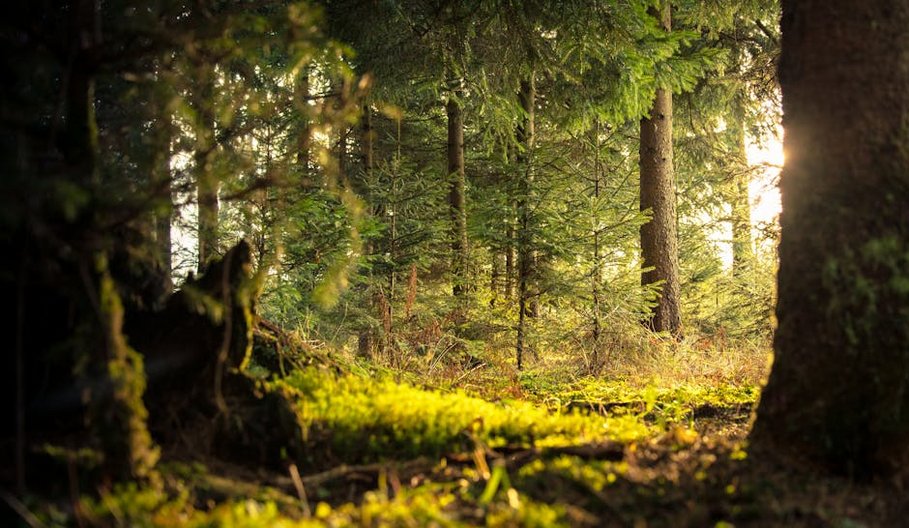
Alt: “slovenian-alps-triglav-national-park-hiking-trail-summer”
Nature Holiday in Slovenia – Planning Your Trip
Successfully organizing a Slovenian outdoor adventure requires matching your interests with the right region and season. A 10-day itinerary works well to experience mountains, caves, and coast without rushing. Focus on two, or at most three, base locations like Bled for the Alps, Postojna for caves, and Piran for the coast to minimize packing and unpacking.
Transport is straightforward with a compact, efficient network. Renting a car provides the most flexibility for reaching trailheads and remote valleys, but an excellent train and bus system connects major towns. For multi-day hikes, the Slovenian Mountain Association (PZS) maintains mountain huts requiring advance booking in summer.
Your budget should account for the country’s value positioning; it’s more affordable than Austria or Switzerland but offers similar Alpine quality. Prioritize spending on guided activities like canyoning or via ferrata for safety and enriched experiences. Always book accommodation in popular areas like Lake Bled several months ahead for summer visits.
Best Time to Visit Slovenia for Nature
The peak season for a comprehensive nature holiday runs from June through August. During these months, all mountain trails, caves, and coastal activities operate fully under long daylight hours with average highs of 75°F (24°C) in the valleys. However, mountain weather remains unpredictable, and popular spots can be crowded, so book everything in advance.
For ideal conditions with fewer tourists, target the shoulder months of May and September. Trails are quieter, accommodations are cheaper, and the landscapes are stunning with spring flowers or fall colors. Winter, from December to February, transforms the Alps into a ski and snowshoe destination, while the coast stays mild for off-season cultural visits.
Budget Planning and Costs
Daily costs vary significantly based on your travel style. Here’s a realistic breakdown for different budgets, excluding international flights.
Essential Preparation Checklist
Packing requires versatility for changing mountain weather and active days. Essential gear includes sturdy, broken-in hiking boots, a waterproof and windproof jacket, moisture-wicking layers, a daypack, and a reusable water bottle. Slovenia’s tap water is excellent everywhere, so you can refill freely and reduce plastic use.
For documentation, U.S. and EU passport holders need only a valid passport for stays under 90 days. Purchase travel insurance that covers mountain rescue and sport activities. Download offline maps on Maps.me or the Slovenian Hiking Trails app. Learn basic phrases like “hvala” (thank you) and “prosim” (please/you’re welcome) as a courtesy.
Top Attractions and Outdoor Activities
Slovenia’s attractions leverage its dramatic geography, from the iconic Lake Bled to the immense underground cathedrals of the Karst. Beyond the famous postcard spots, countless lesser-known valleys and forests offer solitude and raw beauty. Prioritize a mix of iconic sights and personal adventures based on your fitness level and interests.
Active pursuits are exceptionally well-organized. You can join guided tours for canyoning in the Soča River, white-water rafting, or mountain biking on world-class trails. The infrastructure supports independent exploration too, with clear signage and helpful local information centers in every town.
Must-See Natural Highlights
Triglav National Park is the undeniable centerpiece for mountain lovers. Hiking to the summit of Mount Triglav itself is a right of passage for many Slovenians, often requiring a via ferrata set and guide for the final section. More accessible wonders include the stunning Vintgar Gorge boardwalk and the serene Lake Bohinj, which is larger and quieter than Bled.
The Postojna and Škocjan Caves present a different kind of wilderness. Postojna is more commercially developed with a train ride into the caverns, while Škocjan, a UNESCO site, offers a more awe-inspiring, monumental walk above a roaring underground river. Both maintain a constant temperature of 50°F (10°C), so bring a sweater.
The Soča River Valley, with its brilliant turquoise water, is a hub for adventure sports. The river flows from the Alps to the Adriatic, creating perfect conditions for kayaking, rafting, and fishing. The nearby historic town of Kobarid also hosts an excellent WWI museum detailing the fierce battles on the Soča Front.
Hidden Gems and Local Favorites
Escape the crowds at Logar Valley (Logarska dolina), a glacial alpine valley designated as a landscape park. It’s a peaceful alternative for hiking and photography, with traditional farms and guesthouses serving local produce. The road to the valley end offers breathtaking views and access to trails with far fewer people than in Triglav.
For a unique coastal-nature blend, visit the Sečovlje Salt Pans on the coast. This area is both a functioning salt production site using 700-year-old methods and a nature park where you can bike among the crystallization basins, spotting flamingos and other birdlife. It’s a serene, flat alternative to mountain hiking.
The Velika Planina plateau offers a glimpse into a vanishing pastoral culture. You can take a cable car up to this vast highland meadow dotted with unique, wooden shepherd’s huts. It’s ideal for gentle walking, tasting fresh dairy products at a hut, and witnessing a landscape that has remained largely unchanged for centuries.
Hiking and Trekking Routes for All Levels
Slovenia’s hiking network is its greatest asset. The Slovenia Mountain Trail, the country’s oldest long-distance trail, runs for 600 km from Maribor to the coast. Most travelers tackle shorter, iconic sections like the 7-day Julian Alps traverse or the 3-day trek around Triglav. Hut-to-hut systems require careful planning and reservations.
For day hikers, countless well-marked paths offer stunning returns for moderate effort. The hike to Slemenova Špica in the Julian Alps provides panoramic views of Mt. Jalovec and the surrounding peaks. In the Karst, the educational trail through the Škocjan Caves Regional Park explores surface karst features like sinkholes and disappearing streams.
Practical Travel Information
Navigating Slovenia is refreshingly straightforward for travelers. Ljubljana Jože Pučnik Airport (LJU) is the main international gateway, with good connections from major European hubs. An alternative is flying into Trieste (TRS) in Italy or Klagenfurt (KLU) in Austria, both about an hour’s drive from the Slovenian border, sometimes offering cheaper flights.
Accommodation ranges from luxurious eco-hotels and traditional farm stays (tourist farms) to well-maintained hostels and campgrounds. Tourist farms are a highlight, offering family-run rooms, home-cooked meals, and direct insight into rural life. Booking directly with these farms often gets you a better price and a warmer welcome.
| Accommodation Type | Best For & Features | Avg. Price Range/Night (USD) |
|---|---|---|
| Tourist Farm (Guesthouse) | Authentic rural experience, home cooking, family-run, often in scenic valleys. | $70-120 (with half-board) |
| Eco-Hotel / Boutique Hotel | Sustainable luxury, prime locations (e.g., Lake Bled), spa facilities, gourmet dining. | $150-300 |
| Hostel / Guesthouse | Budget travelers & solo hikers, social atmosphere, kitchen access, central locations in towns. | $25-45 (dorm) / $60-90 (private) |
| Mountain Hut (Planinska Koča) | Multi-day trekkers, basic dormitory-style lodging, required for alpine route access, must book ahead. | $20-35 (includes breakfast) |