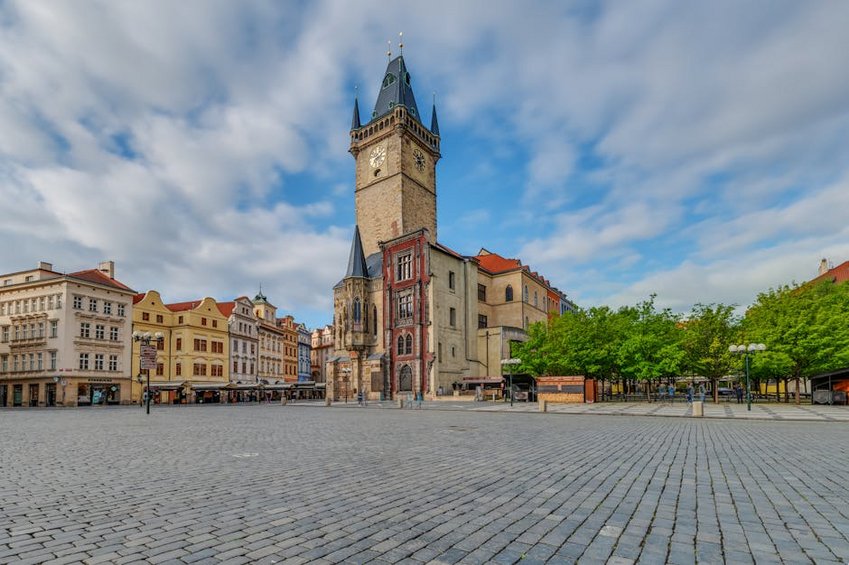
Small Town Exploration in Czechia: Authentic Bohemian Adventures
Small town exploration in Czechia offers an authentic escape from the well-trodden paths of Prague into a landscape of medieval town squares, Renaissance chateaux, and rural countryside traditions. This journey reveals the nation’s true character through preserved architecture, local folklore, and a slower pace of life often missed in the capital. This guide details the most captivating towns, logistical planning for multi-destination trips, and immersive cultural experiences that define the Czech heartland.
Essential Czech Small Town Information
The Czech Republic, often called Czechia, is a Central European nation famed for its architectural heritage and brewing tradition. Beyond Prague lies a network of historic towns, each protected as urban monument reservations by the state. These settlements flourished during the Holy Roman Empire, the Habsburg monarchy, and the Bohemian Renaissance, creating a layered historical tapestry. Their preservation allows modern visitors to walk through centuries of European history in a single afternoon.
Administratively, the country is divided into thirteen regions plus the capital city. For small town explorers, the regions of South Bohemia, Moravia, and Central Bohemia hold the highest concentrations of significant historical settlements. South Bohemia is renowned for its Renaissance town squares and fishpond networks, while Moravia offers wine culture and Baroque architecture. Understanding this regional diversity helps craft a more focused and rewarding itinerary.
Understanding Czechia’s Regions
Regional characteristics dramatically influence your small town experience. Each area offers distinct architectural styles, culinary specialties, and traditional festivals.
- Bohemia (Western Czechia): Features Gothic and Renaissance architecture, renowned brewing towns like Plzeň and České Budějovice, and a history intertwined with the Holy Roman Empire. The landscape includes rolling hills and dense forests.
- Moravia (Eastern Czechia): Showcases vibrant folk culture, extensive wine regions, and elaborate Baroque and Rococo architecture. Towns here have a warmer, Mediterranean-influenced atmosphere with a focus on vineyards and palace gardens.
- Czech Silesia (Northeast): Presents a unique blend of Czech, Polish, and German influences with distinctive wooden architecture and industrial heritage sites amid the Beskid and Jeseníky mountains.
- Budget Traveler ($40-55 USD/day): Stay in hostels or guesthouses outside historic centers, use regional buses exclusively, purchase groceries from markets like ‘Albert’ or ‘Billa’, and focus on free attractions like town square wandering and public gardens. Prioritize towns with free walking tours and purchase a 3-day regional train pass for $30 USD.
- Mid-Range Traveler ($70-100 USD/day): Book private rooms in central pensions via Booking.com, enjoy lunch in traditional ‘hospůdky’ and dinner in mid-range restaurants, visit 2-3 paid attractions daily, and use a mix of trains and occasional taxi transfers. This budget allows for wine tasting in Moravia and guided castle tours.
- Comfort/Luxury Traveler ($130-200+ USD/day): Stay in historic boutique hotels or chateau hotels, dine at renowned regional restaurants, hire a private guide for key towns, use rental car or private driver for flexibility, and attend special events like concerts in castle halls. This enables deeper access, such as private viewings in museums.
- Official Travel Site of the Czech Republic
- CzechTourism Official Board
- Czech Railways (ČD) Official Site
Historical Context and Preservation
The exceptional state of preservation in Czech towns results from decades of dedicated conservation work. Following the Velvet Revolution in 1989, significant funding was allocated to restore facades, town halls, and public squares neglected during the communist era. Many towns are now UNESCO World Heritage Sites or are listed as national cultural monuments. This commitment means you’re viewing authentic structures, not reconstructions, with original frescoes, stonework, and craftsmanship intact from the 13th to 18th centuries.
Walking through towns like Telč or Český Krumlov feels like stepping into a living museum. Strict regulations govern building modifications within historic cores, preserving the original urban layout. This creates an immersive environment where modern signage is minimal and the historical atmosphere remains dominant. It’s a testament to national pride in cultural heritage, offering visitors a uniquely coherent historical experience.
Key Cultural Concepts for Visitors
Appreciating small town Czechia requires understanding a few local concepts. The ‘pivnice’ is the local pub, serving as a community center where social life unfolds over pints of world-class beer. ‘Zámek’ means chateau, while ‘hrad’ means castle; many towns are dominated by one or the other. The Czech ‘tradiční hospůdka’ (traditional pub) offers simple, hearty meals like svíčková (beef in cream sauce) at very affordable prices, often under $8 USD.
The pace of life outside Prague is noticeably slower. Shops may close for lunch, Sunday hours are limited, and service can be unhurried. This isn’t inefficiency but a different cultural rhythm that values personal time. Embracing this pace is key to enjoying the authentic atmosphere. Public transport is reliable but infrequent in rural areas, requiring careful schedule checking for day trips between towns.
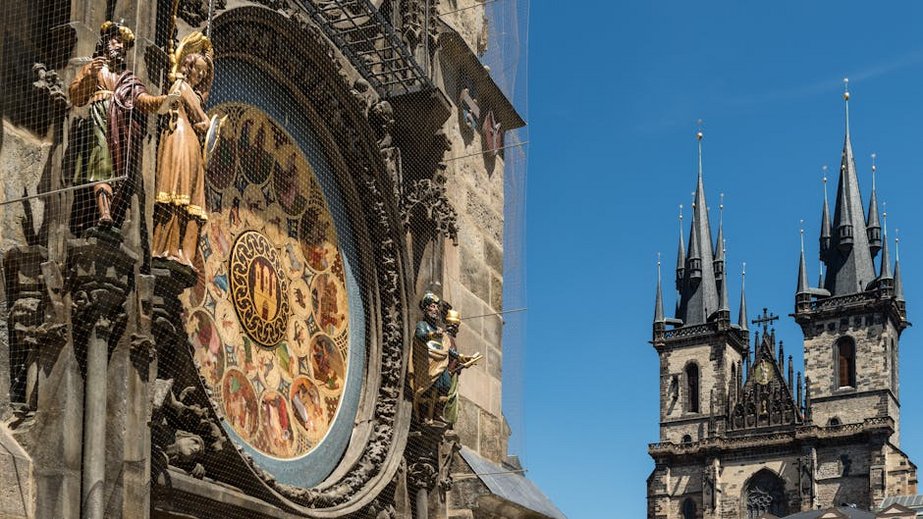
Alt: “czech-small-town-cobblestone-street-renaissance-architecture-facades”
Small Town Exploration in Czechia – Planning Your Trip
Successful small town exploration in Czechia requires strategic routing and seasonal timing to maximize your experience. The country’s compact size allows for efficient travel, with most notable towns within a two-hour drive or train ride from a regional hub. A circular route starting from Prague, moving south to Český Krumlov, then east to Telč and Mikulov, before returning north, covers premier destinations efficiently. This plan balances travel time with immersion, preventing transit from dominating your trip.
Budgeting for this type of travel is remarkably affordable compared to Western Europe. Accommodation in town centers averages $45-70 USD per night for a double room in a pension. Regional train and bus fares between towns typically cost $3-8 USD per journey. Museum and chateau entry fees range from $4-10 USD. A daily budget of $65-85 USD per person covers comfortable travel, including meals, admissions, and local transport, excluding inter-city travel passes.
Your packing list should prioritize comfortable walking shoes for cobblestone streets and layered clothing for variable Central European weather. A lightweight rain jacket is essential year-round. Bring a European power adapter (Type E) and consider a portable power bank, as charging outlets in historic buildings can be limited. Download the ‘IDOS’ app for real-time Czech public transport schedules and the ‘Mapy.cz’ app for detailed offline hiking and city maps superior to Google Maps locally.
Best Time to Visit Czech Towns
The ideal months for small town exploration are May, June, and September. During these periods, daytime temperatures range from 65-75°F (18-24°C) with minimal rainfall. Crowds are manageable, and all tourist services operate fully. The spring months bring blooming gardens in chateau parks, while September offers harvest festivals in Moravian wine regions. Accommodation prices during these shoulder seasons are approximately 20% lower than July-August peaks.
July and August see peak tourist numbers, especially in UNESCO sites like Český Krumlov, with temperatures reaching 80-85°F (27-29°C). While all attractions are open, expect longer queues. The winter months from December to February are cold, 25-35°F (-4 to 2°C), with possible snow, but offer magical Christmas markets and nearly empty streets. Some smaller museums and chateaux operate reduced hours or close from November through March, so verify opening times for specific destinations in advance.
Budget Planning and Costs
Your daily budget varies significantly based on travel style. Below outlines three common approaches.
Essential Preparation Checklist
Ensure you have valid travel documents. U.S. and EU passport holders can enter Czechia visa-free for up to 90 days within any 180-day period. Your passport should be valid for at least three months beyond your planned departure date. Purchase comprehensive travel insurance covering medical evacuation, as public healthcare, while excellent, requires upfront payment from non-EU citizens. Carry both a major credit card (Visa/Mastercard widely accepted) and some Czech koruna in cash for small vendors and rural areas.
Book accommodations at least two months in advance for summer travel, especially in popular towns like Český Krumlov and Telč. Reserve inter-city train tickets online through the Czech Railways (ČD) website for the best prices. Learn a few basic Czech phrases; while younger people often speak English, a simple “Dobrý den” (hello) and “Děkuji” (thank you) are greatly appreciated in smaller communities. Check the calendar for local festivals, which can be highlights but also cause accommodation shortages.
Top Czech Towns and Attractions
The charm of Czech small towns lies in their diversity, from fairy-tale castles to wine cellars. Selecting towns based on your interests—architecture, history, nature, or cuisine—creates a more personalized journey. South Bohemia delivers picture-perfect squares and serene waterways, while Moravia offers sensual pleasures of wine and song. Many towns are compact enough to explore thoroughly in a single day, making them perfect for a multi-stop itinerary across the country.
Prioritize towns with UNESCO designation for their outstanding universal value, but don’t overlook lesser-known gems. The UNESCO sites guarantee exceptional preservation and significance, but smaller towns like Jindřichův Hradec or Slavonice offer similar beauty without the crowds. Balancing famous must-sees with personal discoveries creates a more authentic and memorable travel experience. Always allocate time to simply sit in a town square, observe daily life, and absorb the atmosphere.
Must-See Historic Town Highlights
Český Krumlov stands as the crown jewel, a UNESCO town nestled in an S-bend of the Vltava River dominated by a massive 13th-century castle. Allow a full day to explore the castle’s Baroque theater, climb the tower, and wander the labyrinthine lanes of the old town. Telč astonishes with its elongated square lined with immaculate Renaissance and Baroque burgher houses in pastel hues, appearing unchanged since the 16th century. The chateau and surrounding fishponds complete this water-fortified town’s story.
Kutná Hora, a silver mining town, boasts the stunning Gothic Cathedral of St. Barbara and the eerie Sedlec Ossuary decorated with human bones. It’s an easy day trip from Prague. Mikulov in South Moravia presents a hilltop castle overlooking a sea of vineyards, offering superb wine tasting and Baroque architecture. For spa culture, visit Karlovy Vary (Carlsbad) with its elegant colonnades and thermal springs, or the smaller, more local Mariánské Lázně (Marienbad).
Hidden Gems and Local Favorites
Venture beyond the UNESCO list to discover authentic communities. Třeboň is a tranquil South Bohemian town at the heart of a centuries-old fishpond system, perfect for cycling and sampling its famed carp. Štramberk in Moravia features unique wooden architecture and the Trúba tower, with a charming square known for local gingerbread. Františkovy Lázně is a perfectly preserved Neo-Classical spa town less frequented by international tourists, ideal for a relaxing stop.
In Eastern Bohemia, Litomyšl offers a magnificent Renaissance chateau with sgraffito decoration and a vibrant cultural scene as the birthplace of composer Bedřich Smetana. For a mountainous setting, visit Špindlerův Mlýn in the Krkonoše mountains, a gateway to hiking and skiing. These towns provide deeper interaction with Czech daily life, lower prices, and the joy of discovery without the pressure of a major tourist itinerary.
Castles, Chateaux, and Gardens
Czechia’s landscape is dotted with aristocratic residences. Hluboká Castle, near České Budějovice, is a stunning 19th-century Neo-Gothic fantasy resembling England’s Windsor Castle, set within a vast English park. The Lednice-Valtice Cultural Landscape in Moravia is a UNESCO site encompassing two chateaux and a 200-square-kilometer park with follies, temples, and ponds—best explored by bicycle. Konopiště Castle, Archduke Franz Ferdinand’s residence, displays his extensive weapon and trophy collections in a romantic park setting.
When visiting these properties, note the distinction between guided and unguided tours. English-language guided tours often require pre-booking for specific time slots. The gardens and parks are usually accessible with a separate, cheaper ticket if you only wish to stroll the grounds. Many castles host seasonal events like night tours, historical festivals, or concerts, details of which are posted on their official websites several months in advance.
Practical Travel Information
Navigating Czechia’s small towns is straightforward with basic planning. The country boasts one of Europe’s densest and most reliable public transport networks. Trains connect major towns, while buses service smaller villages. For maximum flexibility, consider a rental car, especially for exploring rural areas like the Bohemian-Moravian Highlands or the wine villages of Moravia. Driving is on the right side, roads are well-maintained, and traffic outside Prague is generally light, though historic town centers often have restricted vehicle access.
Accommodation options range from international hotel chains in regional hubs to family-run pensions (‘penzion’), historic inns (‘hostinec’), and even castle hotels. For authentic atmosphere, choose a pension within a town’s historic core. Many offer breakfast featuring local cheeses, meats, and fresh bread. Rural areas also provide ‘agroturistika’ (farm stays), offering direct experience of countryside life. Booking platforms like Booking.com and Airbnb are widely used, but some traditional pensions only accept direct booking via phone or email.
| Accommodation Type | Features & Typical Locations | Price Range (USD/Night) |
|---|---|---|
| Pension / Penzion | Family-run, 5-15 rooms, often includes breakfast, located in historic buildings on town squares. | $45 – $80 |
| Historic Hotel | Restored building with period charm, restaurant on-site, central location, may have spa facilities. | $85 – $140 |
| Castle / Chateau Hotel | Unique historic setting, spacious grounds, formal atmosphere, often includes guided tours. | $120 – $250+ |
| Private Apartment | Full kitchen, more space, self-catering option, often in residential areas a short walk from the center. | $55 – $100 |
| Farm Stay (Agroturistika) | Rural setting, family atmosphere, home-cooked meals, opportunity to see farm activities. | $40 – $65 |