Austrian Alps Travel Guide for Unforgettable Mountain Adventures
This Austrian Alps travel guide offers essential planning insights for your Alpine journey. The region spans multiple provinces like Tyrol and Salzburg, featuring iconic peaks like Grossglockner. You’ll discover practical tips for navigating mountain passes, choosing villages, and experiencing authentic culture.
Essential Alpine Region Information
The Austrian Alps dominate the country’s western landscape, forming a central part of the Eastern Alps. This mountain range stretches across provinces including Tyrol, Salzburg, Carinthia, and Vorarlberg. These regions feature diverse terrain from glacier-topped summits to verdant valleys dotted with traditional villages.
Historically, these mountains shaped Austria’s culture through farming, mining, and trans-Alpine trade routes. Today, the area balances tourism with preserved traditions in architecture, food, and festivals. Understanding this background enriches your visit beyond the scenic views.
Geographical Scope and Key Areas
The Alpine region divides into distinct touring zones.
- Tyrol combines the Arlberg region’s ski resorts with Innsbruck’s urban mountain access, offering both winter sports and summer hiking across numerous well-marked trails.
- Salzburg’s Alps feature the Hohe Tauern National Park, home to Grossglockner, Austria’s highest peak at 3,798 meters (12,461 feet), accessible via the famous Grossglockner High Alpine Road.
- Vorarlberg provides a more secluded experience near the Swiss border, with traditional villages like Lech and alpine pastures perfect for scenic walks away from major crowds.
- Budget travelers can manage on $100-$150 USD daily by staying in hostels or campgrounds, using self-catering facilities, and prioritizing free hiking over paid attractions like cable cars, focusing on valley trails.
- Mid-range visitors spending $200-$350 USD daily secure comfortable hotels or private holiday apartments, enjoy regional restaurant meals, and purchase regional activity cards for discounted access to lifts and museums.
- Luxury experiences from $500+ USD daily include five-star resort stays, private guided tours for skiing or mountaineering, fine dining at gourmet alpine huts, and chauffeur-driven transfers between valleys.
- Austria National Tourist Office
- Austrian Alpine Club (ÖAV)
- ÖBB Austrian Federal Railways
Historical and Cultural Context
Alpine culture centers on mountain farming, evident in seasonal cattle drives and centuries-old wooden barns. This heritage appears in regional cuisine, relying on dairy, cured meats, and hardy grains. Many villages host festivals tied to agricultural cycles or historical events.
Transportation history is fascinating, with epic passes like the Brenner used since Roman times. The 20th century brought ski tourism, transforming villages while many retained historic cores. You’ll notice this blend of old and new architecture.
Quick Reference Facts
Primary international airports include Innsbruck (INN), Salzburg (SZG), and Munich (MUC) just across the German border. The main language is German, though English is widely spoken in tourist areas. Austria uses the Euro (€) and operates on Central European Time.
The Alpine climate varies dramatically with altitude. Valley floors see warmer summers, while peaks remain snow-capped year-round. Always check local weather and trail conditions before any mountain activity, as conditions change rapidly.
Alt: “grossglockner-high-alpine-road-austrian-alps-summer-drive”
Austrian Alps Travel Guide – Planning Your Trip
Effective planning for the Austrian Alps centers on seasonal activities and regional selection. Summer (June-September) delivers optimal hiking and alpine flower displays. Winter (December-March) transforms the region into a premier ski destination with guaranteed snow at higher elevations.
Your budget should account for Austria’s mid-range cost level. Expect to spend between $150-$300 USD per person daily, excluding international flights. Costs fluctuate between major resorts and quieter valley villages, offering options for different spending preferences.
Transportation planning requires understanding the efficient but sometimes infrequent mountain bus and train networks. Renting a car provides maximum flexibility for exploring remote valleys and multiple regions during a single trip.
Best Time to Visit the Austrian Alps
July and August represent peak summer season, with temperatures from 65-75°F (18-24°C) in valleys and all high-mountain trails open. These months bring the most visitors, requiring earlier bookings for popular huts and hotels. Afternoon thunderstorms are common, so plan hikes for mornings.
Shoulder seasons like June and September offer quieter trails and lower prices, with temperatures between 50-65°F (10-18°C). Some high passes may still hold snow in June. December to February is prime ski season, with resort temperatures often between 20-30°F (-6 to -1°C).
Budget Planning and Costs
Daily costs vary significantly based on travel style and season.
Essential Preparation Checklist
Pack layered clothing for changeable mountain weather, including a waterproof jacket, insulating mid-layer, and sturdy hiking boots with ankle support. Technical gear like hiking poles, a daypack, and a refillable water bottle are crucial for trail days.
Organize travel insurance covering mountain rescue and sport activities. U.S. and EU passport holders need no visa for stays under 90 days. Book popular mountain hut stays (like those in the Hohe Tauern) at least three months in advance for summer.
Top Alpine Attractions and Activities
The region’s appeal lies in its dual-season offerings of world-class skiing and extensive summer hiking networks. Iconic drives like the Grossglockner High Alpine Road provide panoramic access without strenuous effort. Cultural attractions range from medieval castles to modern alpine architecture museums.
Each valley possesses its own character, from the glacier skiing of Sölden to the charming villages of the Zillertal. Activity options cater to all energy levels, from gentle lakeside walks to via ferrata climbs requiring equipment and guide assistance.
Must-See Highlights
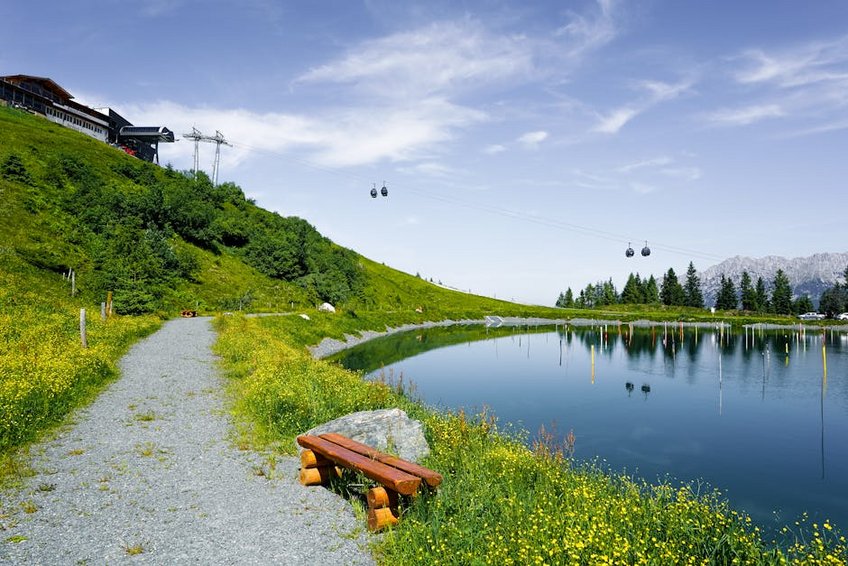
Grossglockner High Alpine Road is a 48-kilometer (30-mile) engineering marvel open from May to October, with tolls around €38 per car. It offers viewpoints like Kaiser-Franz-Josefs-Höhe facing the Pasterze Glacier. Drive early to avoid midday crowds and summer coach tours.
Innsbruck combines urban convenience with mountain access via the Nordkette Cable Car, reaching 2,256 meters (7,402 feet) above the city. The Hofburg Imperial Palace and Golden Roof provide historical contrast to the alpine scenery surrounding the capital of Tyrol.
Kitzbühel blends medieval town charm with legendary Hahnenkamm downhill ski racing. Summer visitors enjoy mountain biking on the same slopes and walking the town’s painted historic streets, with the Kitzbüheler Horn cable car providing easy uplifts.
Hidden Gems and Local Favorites
Seefeld Plateau offers a quieter alternative near Innsbruck, with extensive Nordic skiing trails in winter and flower-filled plateau walks in summer. The area has a relaxed, family-friendly atmosphere and several natural swimming lakes ideal for warmer days.
Gastein Valley features historic thermal spa towns like Bad Gastein, with Belle Époque architecture built around radioactive thermal springs. Hikers can access the valley’s high alpine trails via the Stubnerkogel cable car, which includes a suspension bridge at 2,300 meters.
Ötztal Valley extends beyond the resort of Sölden to traditional villages like Vent and Obergurgl. These higher-altitude settlements provide access to less crowded trails and the UNESCO-recognized Ötztal Alpine Museum detailing local mountaineering history.
Iconic Alpine Hiking and Skiing
The Austrian Alpine Club maintains an extensive network of mountain huts (Alpenvereinshütten) for multi-day trekking. Classic long-distance routes include the Adlerweg (Eagle’s Way) in Tyrol. Always check hut opening dates, typically July to September, and carry cash for dormitory-style accommodations.
Major ski areas like Ski Arlberg, Ischgl-Samnaun, and the Ski Circus Saalbach-Hinterglemm offer interconnected lift systems. Purchase multi-day ski passes for the best value, and consider lesser-known areas like the Mölltal Glacier for guaranteed early or late-season snow.
Practical Travel Information
Transportation combines efficiency with scenic value. Austria’s rail network (ÖBB) connects major hubs, while regional Postbus services reach remote villages—purchase tickets via the ÖBB app. Driving offers freedom but requires comfort with narrow, winding mountain roads and winter tire regulations from November to April.
Accommodation ranges from five-star design hotels to family-run guesthouses (Pension) and rustic mountain huts. Booking directly with properties often yields better rates and local advice. Consider location carefully relative to your planned activities to minimize daily travel time.
| Category | Options/Features | Price Range (USD) |
|---|---|---|
| Budget Guesthouse | Private room with shared bathroom, includes breakfast, family-run | $80-$120/night |
| Mid-Range Hotel | En-suite room, spa area, half-board meal option, village center | $150-$250/night |
| Luxury Resort | Ski-in/ski-out access, fine dining, indoor pool, guided concierge | $400-$700+/night |
| Mountain Hut | Dormitory bedding, hearty dinner & breakfast, remote location | $50-$80/person |