Christmas Market Guide in Germany
Exploring Germany’s Christmas markets offers a deep dive into centuries-old festive traditions, where historic town squares transform into glowing villages of wooden stalls. You’ll find each region presents unique crafts, from intricate Erzgebirge wood carvings in the east to mouthwatering Lebkuchen in Nuremberg, all set to a soundtrack of brass bands and children’s choirs. This Christmas Market Guide in Germany provides the practical details and cultural insights you need to plan a memorable winter journey across the most enchanting holiday destinations.
Understanding Germany’s Festive Tradition
Germany’s holiday markets, known locally as Christkindlesmarkt, Weihnachtsmarkt, or Adventmarkt, trace their origins to the late Middle Ages. The Dresden market, first held in 1434, stands as one of the earliest recorded, initially allowing citizens to stock up on meat and winter goods. These gatherings evolved from practical winter fairs into the celebratory events we know today, centered around the Advent season.
Each market retains a distinctive local character that reflects its city’s history and craftsmanship. Munich’s market emphasizes Bavarian tradition with its nativity scene trail, while Cologne’s several markets showcase the Rhineland’s cheerful, carnival-like atmosphere. The common thread is the creation of a communal, cozy space called “Gemütlichkeit,” where people gather to socialize and celebrate despite the cold.
What Makes a German Christmas Market Unique
Beyond the shopping, these events create a multisensory seasonal experience defined by specific elements.
- The centerpiece is often a towering Christmas tree, meticulously decorated and accompanied by a daily opening ceremony featuring the “Christkind,” a fairy-like Christmas messenger who recites a prologue.
- Rows of uniformly decorated wooden huts (“Buden”) sell region-specific handicrafts, like Schwibbogen candle arches from the Ore Mountains or delicate glass baubles from Lauscha.
- The aroma of Glühwein (mulled wine), roasting chestnuts, and sizzling sausages fills the air, while live music ranges from traditional choir performances to swinging brass bands.
- Budget ($60-$80/day): Focus on free entry markets, use public transport day passes ($8-$12), enjoy street food like Bratwurst ($4-$6), and limit Glühwein purchases ($4-$6 per mug, with a $2-$4 deposit). Hostels or budget hotels outside city centers cost $70-$100 per night.
- Mid-Range ($100-$150/day): Stay in a central 3-star hotel or boutique guesthouse ($120-$180/night), enjoy sit-down meals at market stalls or nearby restaurants ($25-$40 per meal), join a guided walking tour ($20-$30), and purchase quality handicrafts ($30-$80 per item).
- Luxury ($250+/day): Book a 4-5 star hotel with a Christmas market view ($250-$400/night), dine at gourmet restaurants within market areas ($80-$120 per person), hire a private guide for a tailored market tour ($200-$300), and invest in high-end collectibles like KPM porcelain ornaments or handmade wooden sculptures ($150+).
- German National Tourist Board – Christmas Markets
- Deutsche Welle – History of German Christmas Markets
Regional Variations and Highlights
Northern German markets, like those in Hamburg and Lübeck, often incorporate maritime themes and emphasize fine marzipan. The famous Lübeck marzipan, made with a higher almond content, is a must-try souvenir. These coastal cities offer a crisper, windswept atmosphere, with markets sometimes extending to harbor areas featuring historic ships.
In contrast, southern markets in Bavaria and Baden-Württemberg lean heavily into Alpine traditions. You’ll find more woodcraft, intricate nutcrackers, and the strong influence of local brewing culture. Stuttgart’s market, set on the picturesque palace square, and the medieval-themed market in Rothenburg ob der Tauber are quintessential southern experiences with stunning backdrops.
The Cultural Significance of Advent
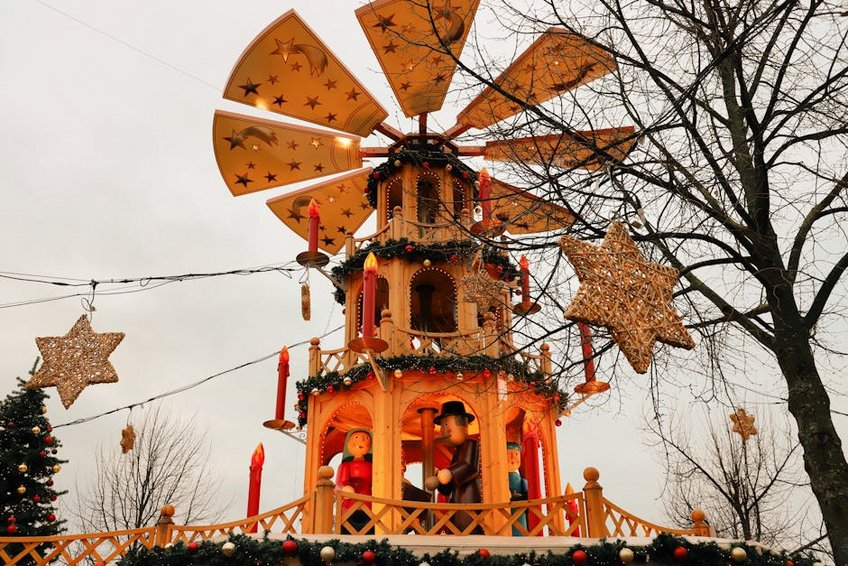
The markets are intrinsically linked to the Christian Advent season, the four weeks preceding Christmas. Many towns feature large Advent calendars on town hall windows or candle pyramids symbolizing the countdown. This period is about quiet anticipation and reflection, a rhythm that the markets support by providing a warm, communal space for gathering during the darkest days of the year.
Alt: “german-christmas-market-night-scene-glowing-wooden-stalls”
Christmas Market Guide in Germany – Planning Your Trip
Strategic planning transforms a good market visit into a great one, balancing iconic destinations with local gems. Your itinerary should consider geographic clusters, like the Rhine Valley or Saxony, to minimize travel time between towns. Focus on visiting two or three markets in a single region over four to five days to appreciate their differences without feeling rushed.
Accommodation near the old town center books months in advance, especially for weekends in early December. Consider staying in a central city like Cologne or Frankfurt and taking day trips via efficient regional trains to smaller nearby towns. This approach offers both convenience for evening market visits and easy access to a wider variety of experiences.
Best Time to Visit the Christmas Markets
The prime visiting window runs from late November until December 23rd, with most markets opening in the last week of November. Early December (1st-15th) offers the full festive atmosphere with manageable crowds, while temperatures typically range from 30°F to 40°F (-1°C to 4°C). Weekdays are significantly less crowded than Saturdays, when locals flock to the stalls.
For a quieter experience with a local feel, consider the first week of Advent in late November. Avoid the final weekend before Christmas, as crowds peak. Some markets, like those in Munich and Nuremberg, close on the 24th, while others in Cologne may have limited hours. Remember, markets are evening-focused, with the best ambiance after 4 PM when the lights glow against the dark sky.
Budget Planning and Costs
Daily costs vary based on your shopping and dining choices. A realistic daily budget for food, drinks, and small souvenirs starts at around $40-$60 per person.
Essential Preparation Checklist
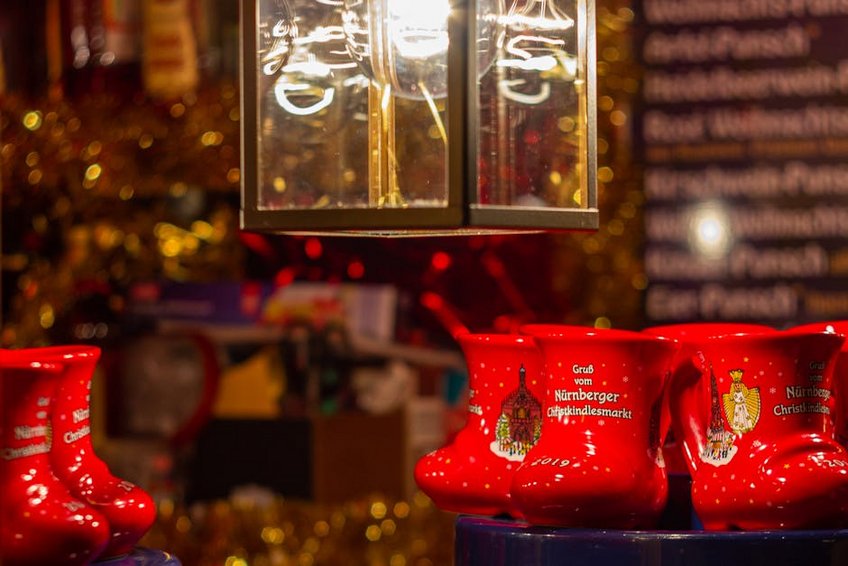
Packing correctly is crucial for comfort. You need waterproof, insulated boots with good grip for cobblestones, thermal layers (merino wool is ideal), a warm hat, gloves, and a thick scarf. A compact reusable mug can sometimes be used for Glühwein to avoid disposable cups, though the collectible market mugs are part of the fun.
Ensure your passport is valid for at least three months beyond your departure date from the Schengen Area. U.S. citizens don’t need a visa for stays under 90 days. Purchase travel insurance that covers trip interruption and medical emergencies. Book major city hotels 4-6 months ahead, and reserve any special tours or highly-rated restaurants at least one month in advance.
Top German Christmas Markets and Experiences
Germany boasts over 2,500 holiday markets, ranging from colossal urban spectacles to intimate village affairs. The most famous ones offer unparalleled scale and history, but their popularity means navigating dense crowds. Balancing iconic stops with smaller regional discoveries creates a more rounded and pleasant festive journey.
For first-time visitors, cities like Nuremberg, Dresden, and Cologne provide the classic, full-intensity market experience with excellent tourist infrastructure. Seasoned travelers might prefer exploring clusters of smaller markets in regions like the Romantic Road, the Harz Mountains, or along the Mosel River valleys, where the pace is slower and the traditions feel more rooted.
Must-See Highlight Markets
Nuremberg’s Christkindlesmarkt is arguably the world’s most famous, attracting over two million visitors. Its “Prune People” figurines and golden angel opening ceremony are iconic. Arrive at opening time (10 AM) on a weekday to see the stalls before crowds swell. The adjacent Market of the Sister Cities showcases crafts from Nuremberg’s global partners.
Dresden’s Striezelmarkt, dating back to 1434, is the oldest authentic market. Its highlight is a 14-meter high “Stollen pyramid” and the world’s largest Christmas cake, the Dresden Stollen, which is paraded through town and ceremonially cut. The market’s emphasis is on traditional Erzgebirge woodcraft, like smoking figures and candle arches.
Cologne offers not one but seven major themed markets scattered around the city. The most spectacular is the “Cologne Cathedral Market” set before the towering Gothic cathedral, best visited after dark when the building is illuminated. The “Angel’s Market” in the Old Town and the “Gay and Lesbian Market” in the Rudolfplatz offer distinct, vibrant atmospheres.
Hidden Gems and Local Favorites
For a medieval atmosphere, the market in Rothenburg ob der Tauber is unparalleled. Set within the preserved town walls, its “Reiterlesmarkt” feels like stepping into a historical painting. Don’t miss the nighttime watchman’s tour that concludes with Glühwein in the market square. The town is also home to the year-round Christmas Museum.
The Sankt Wendel market in the Saarland region is a local secret, repeatedly voted one of Germany’s most beautiful. Its charming setting around the historic St. Wendelin Basilica and emphasis on high-quality, juried artisans make it a favorite for those seeking authentic crafts away from tourist crowds. It’s easily reachable by train from Frankfurt or Saarbrücken.
Specialty and Alternative Market Concepts
Beyond traditional markets, seek out unique concepts. The “Christmas Garden” at Berlin’s Botanical Garden is an illuminated night walk, while the “Winterwald” (Winter Forest) in Stuttgart’s Wilhelma Zoo offers a fairy-tale setting among animal exhibits. Many cities also host eco-conscious “Green Christmas Markets” focusing on sustainable, organic, and fair-trade products.
For maritime flair, visit the “Hanseatic Christmas Market” in Hamburg’s historic warehouse district, Speicherstadt, where reflections of lights dance on the canals. In the east, the “Christmas Market on the Rhine” in Mainz combines river views with a focus on Johannes Gutenberg’s printing history, featuring beautiful antique books and prints.
Practical Travel and Logistics
Navigating Germany in winter is straightforward thanks to excellent public transportation, but it requires forethought. The Deutsche Bahn (German Rail) network connects all major cities and most small towns, but check for seasonal “Christmas Market Special” train routes that connect market towns directly. Regional group tickets like the “Quer-durchs-Land-Ticket” offer great value for day trips.
Accommodation is the biggest challenge. Prices spike during Advent, especially for Friday and Saturday nights in city centers. Consider alternative bases: staying in a smaller town near a major hub (like Essen for the Ruhr area markets) or booking an apartment for longer stays can offer better value and convenience for evening market visits.
| Accommodation Type | Best For & Features | Price Range Per Night (USD) |
|---|---|---|
| City Center Hotel | Maximum convenience, walk to markets, includes breakfast, often fully booked early. | $140 – $300+ |
| Apartment Rental | Families or groups, kitchen facilities for meals, more space, may require transit to markets. | $100 – $220 |
| Guesthouse/Pension | Local charm, often family-run, may offer home-cooked dinners, located in residential areas. | $80 – $160 |
| Suburban Hotel | Budget option, near tram or S-Bahn lines, requires a 15-30 minute commute to the old town. | $70 – $120 |