Flamenco Routes in Spain: Your Guide to Authentic Andalusian Passion
Exploring Flamenco routes in Spain takes you into the soul of Andalusia, where this profound art form was born from the confluence of Gypsy, Moorish, and Andalusian folk traditions. Your journey connects you with intimate tablaos, historic neighborhoods, and passionate artists who live the *duende*—the spiritual emotion at flamenco’s heart. This guide details the key regions, performance venues, and cultural insights you need to plan an immersive musical pilgrimage across southern Spain.
The Soul of Flamenco: Essential Background
Flamenco is not merely a dance or musical style but a deep, emotional expression categorized into *palos* or forms, each with its own rhythm, mood, and history. Originating in the 18th century among the Romani communities in Andalusia, it was recognized by UNESCO as an Intangible Cultural Heritage of Humanity in 2010. Understanding this context enriches your experience, transforming a simple show into a meaningful connection with Spanish culture.
The art form’s three core elements are *cante* (song), *baile* (dance), and *toque* (guitar playing). Authentic performances are characterized by raw, spontaneous emotion rather than choreographed spectacle. While commercial shows exist in major tourist areas, the true essence is found in smaller, local venues where the connection between artist and audience is palpable and profound.
Understanding the Major “Palos” or Styles
Recognizing different flamenco styles helps you appreciate the art’s diversity. Each *palo* conveys specific emotions and histories.
- Soleá: Considered the mother of flamenco, this slow, solemn style expresses deep sorrow and loneliness, often performed in a 12-beat rhythm with profound emotional weight.
- Alegrías: A lively, upbeat form from Cádiz, characterized by bright, major-key melodies and joyful, intricate footwork that contrasts sharply with the Soleá’s gravity.
- Bulerías: The fastest and most festive style, typically used to close a show with explosive energy, complex rhythms, and playful improvisation between singers, dancers, and guitarists.
- Budget Traveler ($40-70/day for performances): Focus on free or low-cost events at cultural centers (*Centro Andaluz de Flamenco*) and local *peñas*. Entry to a neighborhood *peña* can cost as little as $10-20, including a drink. Stay in hostels or budget *pensiones* and use regional trains between cities.
- Mid-Range Explorer ($80-150/day for performances): Attend one major *tablao* show per city ($40-60 with a drink) and supplement with smaller venue visits. Stay in centrally located 3-star hotels or boutique apartments. This range offers the best balance of guaranteed quality shows and authentic discoveries.
- Premium Experience ($200+/day for performances): Book front-row seats at legendary venues like Tablao El Palacio Andaluz or private, curated tours with flamenco historians. Stay in luxury *paradores* or palatial hotels. This tier often includes multi-course dinners with the show and access to post-performance gatherings with artists.
- Andalusia Official Tourism Portal – Flamenco
- Bienal de Flamenco de Sevilla
The Cultural Triangle of Flamenco
Flamenco’s heart beats strongest in a triangle formed by the cities of Seville, Jerez de la Frontera, and Cádiz. Each city contributes uniquely to the tradition. Seville is famous for its theatricality and vibrant *tablaos*. Meanwhile, Jerez is considered the birthplace of the singing (*cante*) and is home to legendary dynasties of flamenco artists.
Cádiz, conversely, is celebrated for its lighter, more humorous styles like the Alegrías. Venturing between these three locations provides a complete, nuanced understanding of the art. Additionally, the Sacromonte caves in Granada offer a unique, historical setting for Gypsy flamenco performances.
What is “Duende”?
The term *duende* refers to the elusive, spiritual moment when a flamenco performer transcends technique and connects with raw emotion. It’s a state of possessed inspiration that creates an electric, shared experience with the audience. You cannot schedule or guarantee *duende*; you can only create the conditions for it by seeking out authentic venues and engaged performers.
This magical quality is what separates a genuine flamenco journey from a tourist-oriented show. It often occurs in smaller, more intimate settings where the boundary between performer and spectator dissolves. Recognizing this moment is the ultimate reward of your cultural exploration.

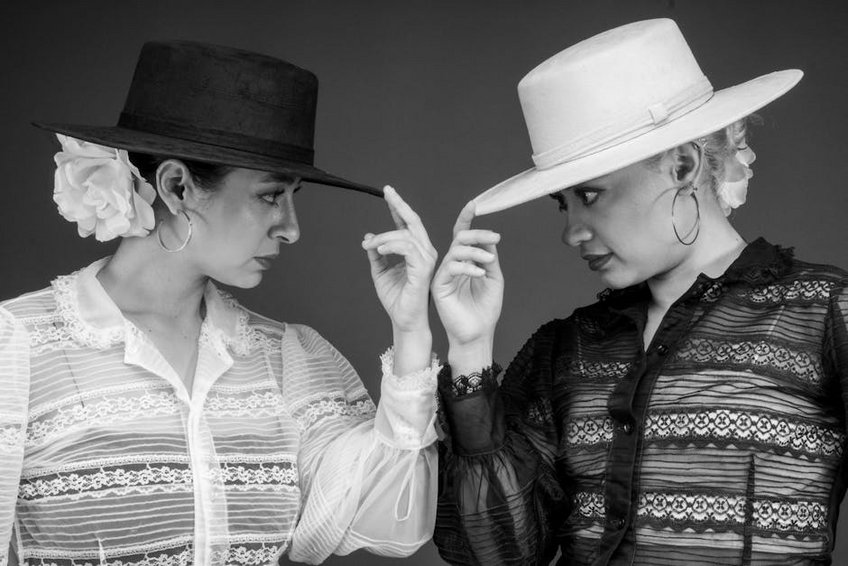
Alt: “flamenco-dancer-passionate-performance-seville-tablao”
Flamenco Routes in Spain – Planning Your Pilgrimage
Your Flamenco routes in Spain require thoughtful planning to balance major hubs with hidden gems. Focus your itinerary on Andalusia’s heartland, allowing at least 7-10 days to travel between key cities without rush. The spring (April-May) and fall (September-October) seasons offer ideal weather, with pleasant temperatures between 65-80°F (18-27°C) and numerous local festivals.
Booking tickets for well-known *tablaos* in advance is crucial, especially in Seville and Granada during peak months. However, leave room for spontaneity to discover smaller *peñas* (flamenco clubs) where locals gather. A successful flamenco tour hinges on blending scheduled performances with opportunities for unexpected, authentic encounters in local bars and cultural centers.
Best Time to Visit for Flamenco Enthusiasts
Visit between late May and early June for the iconic Seville Feria or in October for the Jerez Flamenco Festival, the most important professional event globally. These periods offer concentrated, world-class performances. Temperatures range from 70-85°F (21-30°C), ideal for evening strolls between venues.
Shoulder seasons like April and September provide fewer crowds and lower accommodation costs while still offering regular performances. Winter months (November-February) are quieter, with temperatures of 50-60°F (10-16°C), but you’ll find a more local, year-round scene in dedicated *peñas*. Avoid the intense heat of July and August, as some smaller venues may close.
Budget Planning and Costs
Your budget for flamenco tourism varies widely based on venue choice and dining.
Essential Preparation Checklist
Prepare by researching current flamenco artists and festival dates through official tourism and flamenco foundation websites. Learn a few basic Spanish phrases related to appreciation—*”Olé,” “¡Qué arte!”*—to connect with locals. Pack respectful attire for performances; while formal wear isn’t required, smart casual is expected in established *tablaos*.
Book key city accommodations at least three months in advance for festival periods. Secure train tickets for travel between Seville, Jerez, and Cádiz via Spain’s Renfe system. Finally, bring an open mind and patience; authentic flamenco runs on its own emotional schedule, not a strict clock.
Top Destinations and Flamenco Experiences
Andalusia’s cities each offer a distinct flavor of this art. Seville provides the most accessible and varied scene, from grand theatrical productions to tiny bars in the Triana district. Granada counters with the historical, cave-dwelling Gypsy tradition of Sacromonte, offering a raw and atmospheric setting unmatched elsewhere.
Jerez de la Frontera is the purist’s choice, where the focus is on the *cante* (song) and guitar in unpretentious settings like the Bodegas. Córdoba and Málaga contribute their own regional styles, making them worthy additions to a comprehensive cultural route focused on musical heritage.
Must-See Flamenco Highlights
In Seville, the Museo del Baile Flamenco offers interactive exhibits and daily shows in an 18th-century building. The Triana neighborhood, across the Guadalquivir River, is the historic heart of flamenco culture; wander its streets to hear rehearsals and visit traditional ceramic workshops. For a performance, La Carbonería is a legendary, quirky venue with free nightly shows, though arriving early is essential.
In Granada, the cuevas (caves) of Sacromonte provide an unforgettable backdrop. Venues like Cueva de la Rocío offer packages with dinner, but the true magic is in the simpler shows focused purely on art. In Jerez, the Andalusian Flamenco Center provides essential historical context, while peñas like La Buena Vida host authentic, local gatherings. Ticket prices range from $15 for a local peña to $80+ for premium tablao seats with dining.
Hidden Gems and Local Favorites
Venture beyond the major cities to towns like Utrera and Morón de la Frontera, cradles of specific flamenco styles. These locations host intimate, heartfelt performances rarely seen by tourists. In Seville, seek out the peña Flamenca Torres Macarena, a members’ club that often welcomes respectful visitors for genuine local immersion.
In Cádiz, the local peñas in the La Viña neighborhood come alive during carnival season with a unique, humorous style of flamenco. Visiting a flamenco guitar workshop in Córdoba or attending a *juerga* (informal flamenco party) arranged through a trusted local guide can provide those unscripted, magical moments of *duende*.
Festivals and Annual Events
Time your route to coincide with major festivals. The Bienal de Flamenco in Seville (even-numbered years) is a month-long celebration featuring top artists. The Festival de Jerez in February/March is the premier event for flamenco professionals and aficionados worldwide, with workshops and competitions.
Summer also brings the Festival Internacional del Cante de las Minas in La Unión, a unique competition focused on mining-inspired flamenco songs. These events require ticket purchases months in advance but offer unparalleled access to the art form’s highest levels and emerging talent.
Practical Travel Information for Your Route
Navigating Andalusia is straightforward with its network of high-speed (AVE) and regional trains connecting key flamenco cities efficiently. Renting a car provides maximum flexibility for visiting smaller towns, but parking in historic centers can be challenging. Most venues in city centers are best reached on foot or by taxi after dark.
Accommodation choices should prioritize location. Staying in historic districts like Seville’s Santa Cruz, Granada’s Albaicín, or Jerez’s city center means you’re within walking distance of major venues and the atmospheric streets that breathe flamenco history.
| City | Top Venue / Experience | Price Range (USD) |
|---|---|---|
| Seville | Tablao El Palacio Andaluz (Full show with drink) | $45 – $70 |
| Granada | Cueva de la Rocío (Sacromonte cave show & dinner) | $55 – $90 |
| Jerez de la Frontera | Peña La Buena Vida (Authentic local club entry) | $10 – $20 |
| Cádiz | Tablao La Cava (Intimate theater-style performance) | $35 – $50 |