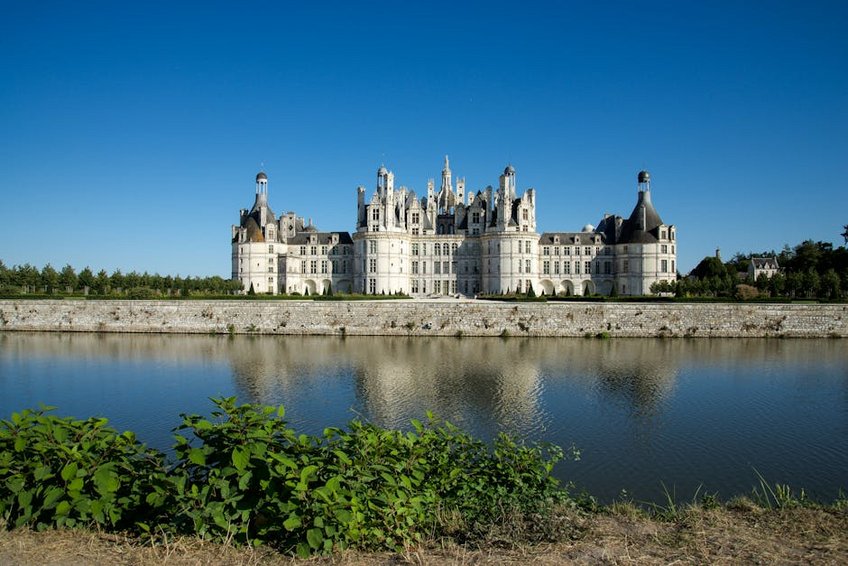
Castle Tour Plan in France: Your Blueprint to the Country’s Legendary Heritage
Designing a castle tour plan in France takes you beyond standard sightseeing into a curated journey through centuries of history, architecture, and legend. A well-structured itinerary allows you to experience the diversity from medieval fortresses in the Dordogne to Renaissance châteaux in the Loire Valley and royal splendor near Paris. This guide provides the essential framework, logistical details, and regional insights to craft your own personalized exploration of France’s iconic landmarks.
Essential French Castle Information
France’s château landscape is remarkably diverse, reflecting over a thousand years of architectural evolution and regional history. The term “château” itself can refer to a fortified castle, a luxurious country manor, or a grand palace, depending on its era and location. Understanding this variety is key to selecting which regions align with your historical and aesthetic interests for a fulfilling trip.
These structures are categorized by their primary architectural style and historical period. Romanesque and Gothic fortresses dominate the earlier medieval period, built for defense. The Renaissance introduced symmetry, ornate gardens, and a focus on luxury and art. Later, Classical and Baroque styles reflected the absolute power of the French monarchy, leading to unparalleled sites like Versailles.
Key Regions and Their Specialties
Your itinerary’s character depends heavily on which region you choose to explore. Each area offers a distinct flavor of history, scenery, and architectural focus.
- Loire Valley: Known as the “Garden of France,” this UNESCO region boasts the highest concentration of Renaissance and Classical châteaux, like Chambord and Chenonceau, set amidst manicured parks and vineyards.
- Dordogne & Périgord: This area is famed for its dramatic medieval fortresses, such as Beynac and Castelnaud, perched on limestone cliffs overlooking the river, offering a deep dive into the Hundred Years’ War.
- Provence & the Riviera: Features papal palaces like Avignon and elegant bastides, blending medieval history with later refinement and the region’s iconic lavender fields and sunny climate.
- Budget-Conscious (Approx. $80-120/day per person): Focus on one region using regional trains or rental cars booked months in advance. Stay in budget hotels or B&Bs outside main tourist hubs, purchase multi-château passes for discounts, and prioritize picnics with market fare over restaurant meals.
- Mid-Range (Approx. $150-250/day per person): This tier offers the best value. Stay in charming 3-star hotels or boutique B&Bs in central towns like Amboise or Sarlat. Enjoy a mix of picnics and meals at local table d’hôtes or bistros. Rent a comfortable car for flexibility and consider hiring a private guide for one key castle for in-depth context.
- Luxury (Approx. $350+/day per person): Stay in historic manor houses or luxury hotels within castle domains. Dine at Michelin-starred restaurants often located in or near châteaux. Hire a private driver-guide for seamless, informative travel between sites and book exclusive after-hours tours of major castles like Chambord or Vaux-le-Vicomte.
- Atout France – French Tourism Development Agency
- Lonely Planet France Travel Guide
- Renaissance Châteaux of the Loire Valley Official Site
Historical Context and Significance
French castles are not merely beautiful buildings; they are physical chronicles of the nation’s history. Many fortresses in the south-west are directly linked to the Albigensian Crusade and the Hundred Years’ War between France and England. Visiting these sites, like the formidable Cité de Carcassonne, puts pivotal conflicts into tangible perspective.
The Loire châteaux, meanwhile, tell the story of the French Renaissance, when kings and courtiers moved their power base to the valley. They became centers of art, politics, and intrigue, with figures like Leonardo da Vinci spending his final years at Clos Lucé near Amboise. This era marked a shift from defensive strongholds to symbols of cultural and political prestige.
Architectural Styles Defined
Recognizing architectural styles enhances your appreciation. Medieval Romanesque structures (11th-12th centuries) are characterized by rounded arches and thick walls, while Gothic (12th-16th centuries) introduced pointed arches and larger windows. The French Renaissance (15th-17th centuries) blended classical Italian elements with French aesthetics, emphasizing symmetry, columned facades, and elaborate rooftop silhouettes.
Later, the Classical style of the 17th century, seen at Vaux-le-Vicomte, favored order and grandeur, directly influencing the Baroque extravagance of Versailles. Identifying these elements, from machicolations and keeps to formal French gardens and ornate salons, turns each visit into an engaging architectural detective game.
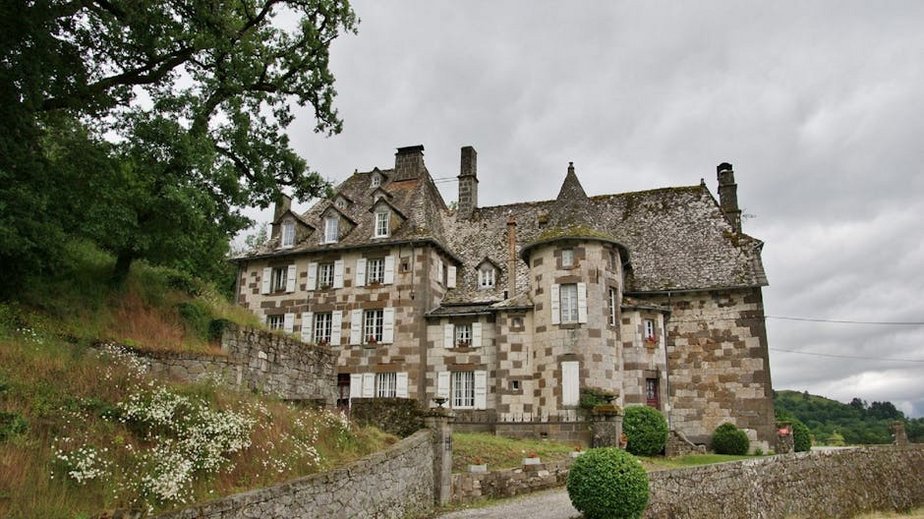
Alt: “loire-valley-chateau-renaissance-architecture-reflecting-pond”
Castle Tour Plan in France – Strategic Itinerary Building
Creating an effective castle tour plan in France requires balancing ambition with realism. The country’s vast array of sites means you must focus geographically. A common mistake is trying to link the Loire Valley and Provence in a single week; the travel time diminishes the experience. Instead, dedicate at least three full days to a single region to explore deeply without constant packing and unpacking.
Your plan should account for more than just driving distances. Consider that major châteaux like Chenonceau or Chambord can easily occupy a half-day with tours and garden walks. Factor in time for leisurely lunches in nearby villages, impromptu vineyard stops, and simply absorbing the atmosphere. A rushed schedule is the enemy of a rewarding historical journey.
Best Time to Visit for a Castle Tour
The ideal months for a French castle itinerary are late April through June and September to early October. During these periods, daytime temperatures range from a pleasant 60-75°F (15-24°C), crowds are manageable, and the gardens are in bloom or autumn colors. July and August bring peak heat, often exceeding 86°F (30°C), and significant crowds that can lead to long entrance queues.
The winter months, from November to March, offer a starkly different but compelling experience. You’ll encounter minimal crowds and have castles nearly to yourself, but be prepared for shorter opening hours, colder weather of 35-50°F (2-10°C), and dormant gardens. Some châteaux, especially smaller ones, may be closed entirely from January to March, so always verify opening schedules in advance.
Budget Planning and Cost Tiers
Costs vary dramatically based on travel style and region. Here is a breakdown to help you plan.
Essential Preparation Checklist
Practical preparation smooths your journey. Beyond your passport, ensure you have an International Driving Permit if renting a car. Book all major castle accommodations and rental cars at least four months ahead for summer travel; six months is safer for popular regions. Reserve tickets online for blockbuster sites like Versailles, Mont Saint-Michel, and Chenonceau to skip ticket lines.
Pack comfortable walking shoes with good support for castle stone floors and garden paths, a lightweight rain jacket, and a power adapter (Type E/F). Download offline Google Maps for your chosen region and consider apps like “Châteaux de la Loire” for on-the-go information. Purchase comprehensive travel insurance that covers trip interruption and medical emergencies within the Schengen Zone.
Top Attractions and Must-See Châteaux
While France has thousands of castles, several stand out for their historical significance, architectural brilliance, and sheer beauty. These iconic sites often define a region and should form the pillars of your itinerary. Balancing these famous names with lesser-known gems creates a perfectly paced and richly varied tour.
Each major château offers a unique narrative. Versailles embodies absolute monarchy, Carcassonne represents medieval military architecture, and Chenonceau tells a story of influential women. Allocating sufficient time for these highlights prevents them from blurring together and allows you to appreciate their individual stories and settings fully.
Iconic Must-See Highlights
Château de Versailles: The ultimate symbol of royal power. Allocate a full day to see the State Apartments, Hall of Mirrors, and the vast gardens. The Musical Fountains shows on weekends are spectacular. Book a “Passport with Timed Entry” online well in advance. Entry starts at $20, not including the estate of Trianon.
Château de Chambord: The largest and most recognizable Loire château, famed for its double-helix staircase attributed to Leonardo da Vinci. The rooftop terrace offers stunning views of its forested park. Spend 3-4 hours here. Entrance is about $15. Combine it with a visit to the smaller, more intimate Château de Cheverny nearby.
Château de Chenonceau: The “Ladies’ Château” spans the River Cher. Its history is dominated by women like Diane de Poitiers and Catherine de’ Medici. The interior, gardens, and flower arrangements are exquisite. Visit early or late to avoid crowds. Tickets cost approximately $16.
Hidden Gems and Local Favorites
Venture beyond the top-five lists for unforgettable moments. In the Loire, Château de Villandry is world-renowned for its Renaissance gardens, but the lesser-visited Château de Valençay offers a stunning blend of Renaissance and Classical architecture with a beautiful English-style park. In the Dordogne, while Beynac is popular, the nearby Château des Milandes offers a fascinating history as the home of Josephine Baker.
In Provence, the Château de Tarascon is a perfectly preserved medieval fortress on the Rhône River, often overlooked for more famous sites. For a truly unique experience, the Fortress of Polignac near Le Puy-en-Velay is a ruined volcanic rock fortress with panoramic views, offering a raw, atmospheric contrast to the polished Loire palaces.
Experiencing Medieval Life and Festivals
Many castles host historical reenactments and medieval festivals, primarily in summer. The Château de Castelnaud in the Dordogne has daily trebuchet demonstrations and an excellent museum of medieval warfare. The Cité de Carcassonne comes alive in July with a spectacular fireworks display for Bastille Day.
The Grandes Eaux Nocturnes at Versailles are magical nighttime fountain and music shows. The Château de Chambord often holds sound and light shows. Checking castle event calendars for your travel dates can add a dynamic, memorable layer to your visit that goes beyond a standard daytime tour.
Practical Travel and Logistics Information
Navigating France efficiently is crucial for a relaxed castle tour. While major sites are well-connected, having a car provides unparalleled freedom to explore rural castles, stop at vineyards, and follow scenic routes like the Dordogne Valley or the Loire à Vélo cycling path. For those focusing on a single region like the Loire, regional trains (TER) link main towns like Tours, Blois, and Amboise effectively.
Accommodation choices should align with your itinerary’s geography. Staying in a central hub reduces daily repacking. In the Loire, towns like Amboise or Blois offer excellent access to multiple châteaux. In the Dordogne, basing yourself in Sarlat-la-Canéda or Beynac-et-Cazenac puts you in the heart of the castle country. Book early, especially for characterful options like chambre d’hôtes (B&Bs) in renovated manor houses.
| Region | Recommended Base Town | Key Châteaux Within 45-Min Drive | Average Hotel Night (USD) |
|---|---|---|---|
| Loire Valley | Amboise | Chenonceau, Chaumont, Clos Lucé, Amboise | $100 – $200 |
| Dordogne | Sarlat-la-Canéda | Beynac, Castelnaud, Les Milandes, Hautefort | $90 – $180 |
| Île-de-France (Paris Area) | Versailles | Versailles, Vaux-le-Vicomte, Fontainebleau | $120 – $250 |
| Provence | Avignon | Palais des Papes, Villeneuve-lès-Avignon, Tarascon | $110 – $220 |