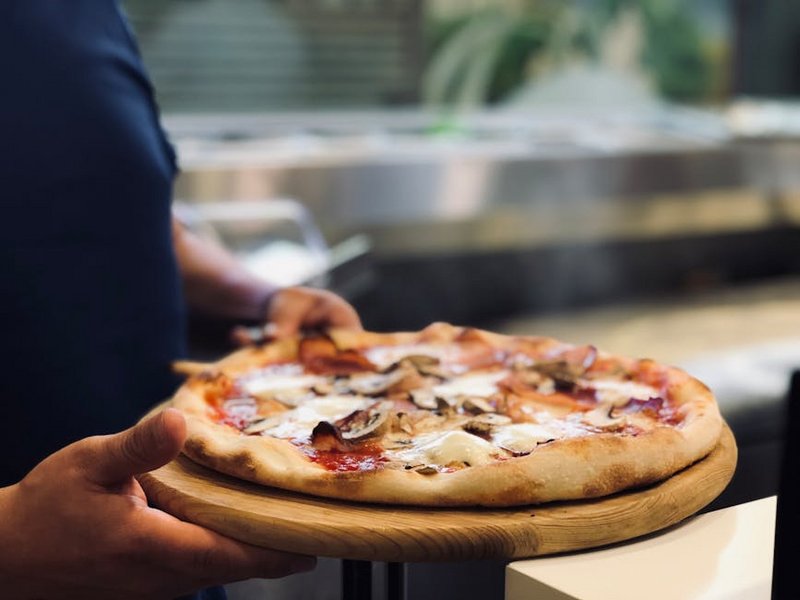
Gastronomy Routes in Italy: A Journey Through Flavor and Tradition
Exploring the gastronomy routes in Italy offers a deliciously authentic way to understand the country’s diverse regions and centuries-old culinary heritage. These curated trails guide you from vineyard to olive grove, cheesemaker to pasta artisan, connecting you directly with the producers and landscapes that define Italy’s iconic flavors. This guide details the essential routes, from Tuscany’s wine trails to Sicily’s street food paths, providing practical planning advice for your edible adventure.
Essential Information on Italian Food Trails
Italian food routes, or *Strade del Gusto*, are officially recognized thematic itineraries that highlight specific products, traditional dishes, and artisan producers within a defined geographic area. Managed by regional tourism boards and consortia, these trails ensure authenticity and quality, taking travelers beyond restaurant menus and into the heart of production. They celebrate the deep connection between Italian *terroir*—the unique combination of soil, climate, and tradition—and its world-renowned cuisine.
Participating in these culinary journeys supports local economies and helps preserve artisanal methods threatened by industrial-scale production. The concept transforms a vacation into an immersive educational experience, where you learn to make pasta in Emilia-Romagna or taste olive oil fresh from the mill in Puglia. This direct engagement offers a richer, more meaningful travel story than standard sightseeing alone.
Understanding the “Strade del Gusto”
Before you embark, knowing how these routes function is key to a successful trip.
- Official routes are marked with specific signage and have a dedicated website listing participating farms, wineries, and workshops, often with booking information for tours and tastings.
- Many routes are seasonal, aligning with harvest periods like the olive harvest in October-November or the white truffle season in Piedmont during autumn, offering the most vibrant experiences.
- Travel often requires a rental car for flexibility, as producers are scattered across rural areas, though some regions like Chianti offer organized bus tours along their wine roads.
- Budget Traveler ($100-150/day): Stay in agriturismi or B&Bs, enjoy free town food markets and picnics with local products, join a few affordable guided producer visits ($20-30 each), and use regional trains where possible, focusing on a single, dense region like Emilia-Romagna.
- Mid-Range Traveler ($250-400/day): Book charming boutique hotels or upscale agriturismi, enjoy daily guided tastings or cooking classes ($50-80 each), dine at recommended trattorias, and rent a small car for full flexibility to explore multiple routes within a region like Tuscany or Piedmont.
- Luxury Traveler ($600+/day): Opt for stays at relais or historic masserie with gourmet restaurants, arrange private, behind-the-scenes tours with acclaimed producers or chefs, indulge in Michelin-starred meals, and hire a private driver-guide specializing in culinary tourism for seamless, in-depth exploration.
- Italian National Tourist Board (ENIT)
- Slow Food International Foundation
Key Culinary Regions and Their Specialties
Italy’s culinary identity is fiercely regional, with each area boasting its own protected ingredients and signature dishes. The north is known for rich, butter-based cooking, risotto, and prized ingredients like white truffles and Parmigiano Reggiano. Central Italy champions the art of pasta, extra virgin olive oil, and rustic grilled meats, particularly in Tuscany and Umbria.
The south and islands showcase bold, sun-drenched flavors featuring tomatoes, eggplants, fresh seafood, and citrus. Sicily’s cuisine reflects centuries of Arab, Greek, and Spanish influence. Understanding these regional divides helps you choose a gastronomy route that aligns with your specific taste preferences and interests.
Culinary Tourism Etiquette
Respectful participation enhances your experience and your welcome. Always book tasting appointments in advance, as most small producers are not walk-in operations. Punctuality is appreciated. Engage with producers by asking questions about their craft and family history—it shows genuine interest.
Understand that “slow food” is a philosophy here; meals and tours are meant to be savored, not rushed. Purchasing products directly from the farm or workshop is the best way to support these artisans and take a tangible memory home.
Alt: “tuscan-hilltop-vineyard-sunset-wine-tasting-tour”
Gastronomy Routes in Italy – Planning Your Culinary Trip
Successfully navigating the gastronomy routes in Italy requires strategic planning focused on seasonality, regional selection, and advance bookings. Your first decision is choosing a primary region based on your culinary passions, whether it’s cheese in Lombardy, pasta in Emilia, or seafood along the Amalfi Coast. This focus allows for a deeper, less rushed exploration rather than a superficial dash across the country.
Budget realistically for premium tasting experiences, which typically range from $25 to $75 per person at renowned wineries or cheesemakers. Factor in the cost of a rental car, which is essential for rural exploration, and consider basing yourself in a central agriturismo (farm stay) to minimize daily travel. Most importantly, build an itinerary with buffer days, as the best food experiences are often spontaneous discoveries recommended by locals.
Best Time to Visit for Food Experiences
The ideal time for a culinary tour is during the harvest seasons of late spring (May-June) and early autumn (September-October). May and June offer moderate weather (68-77°F / 20-25°C), wild asparagus and strawberry harvests, and the start of the olive flowering. September and October are prime for grape and olive harvests, truffle hunting, and pleasant temperatures (59-72°F / 15-22°C) with fewer crowds than peak summer.
Winter (November-February) provides unique experiences like the Alba White Truffle Fair and hearty mountain cuisine in the Alps, though some rural producers may have limited hours. Summer (July-August) can be very hot (often above 86°F / 30°C) and crowded, but it’s perfect for coastal routes focused on fresh seafood and gelato.
Budget Planning and Costs
Your daily budget will vary dramatically based on your chosen experiences and accommodation style.
Essential Preparation Checklist
Secure an International Driving Permit if you plan to rent a car, as it’s required by Italian law for non-EU licenses. Make advance reservations for all high-demand experiences: cooking classes, popular winery tours, and sought-after restaurants often book up months ahead, especially in peak seasons. Pack comfortable walking shoes for farm and vineyard tours and a reusable shopping bag for market finds.
Ensure your phone has a good data plan or local SIM for navigating rural roads and translating menus. Learn a few key Italian food phrases like “*Posso assaggiare?*” (Can I taste?) and “*È prodotto qui?*” (Is it produced here?). Finally, pack stretchy clothing—you will be eating very well.
Top Regional Gastronomy Routes and Experiences
From north to south, Italy’s regions offer distinct epicurean trails. Piedmont is the kingdom of the white truffle, fine Barolo wine, and hazelnuts, with routes winding through the Langhe and Roero hills. Emilia-Romagna, the nation’s culinary heartland, presents the official “Food Valley” routes for Parmigiano Reggiano, Traditional Balsamic Vinegar of Modena, and Prosciutto di Parma, often within miles of each other.
Central Italy features Tuscany’s Chianti Classico wine road and the Strada dell’Olio (Olive Oil Road) in Umbria. Southern routes highlight the coastal flavors of the Amalfi Coast’s lemons and seafood and Puglia’s olive oil and burrata cheese trails. Sicily’s routes explore street food in Palermo, Marsala wine, and the ancient salt pans of Trapani.
Must-See Highlights
The Parmigiano Reggiano Trail in Emilia-Romagna lets you witness the 7am cheese-making ritual and taste 24-month-old wheels. Booking a tour at a *caseificio* (cheese factory) is essential. In Piedmont, the Barolo and Barbaresco wine routes offer stunning drives between medieval villages with countless cantinas for tasting the region’s powerful, age-worthy Nebbiolo wines.
The Chianti Classico Wine Road (Via Chiantigiana) connects Florence to Siena, passing iconic estates marked by the Gallo Nero (Black Rooster) symbol. Stop in Greve for its famous triangular-shaped piazza and weekly market. In Puglia, the Valle d’Itria is essential for touring trulli houses and masserie that produce fresh mozzarella and burrata daily.
Hidden Gems and Local Favorites
Venture to Le Marche for the “Strada dei Vini Piceni” (Picenum Wine Route), far from the crowds, exploring Verdicchio wines and Ascoli olive all’ascolana (fried stuffed olives). In Calabria, follow the ‘Nduja Trail around Spilinga to taste the spreadable, spicy pork salami and explore the rugged Costa degli Dei (Coast of the Gods).
In Lombardy, the Strada del Franciacorta offers a sophisticated alternative to Prosecco, touring estates producing Italy’s premier traditional-method sparkling wine. The Strada del Riso (Rice Road) in the Po Valley reveals the heart of Italy’s risotto production, with visits to working riserie and tastings of Carnaroli and Arborio varieties.
Hands-On Cooking and Foraging Classes
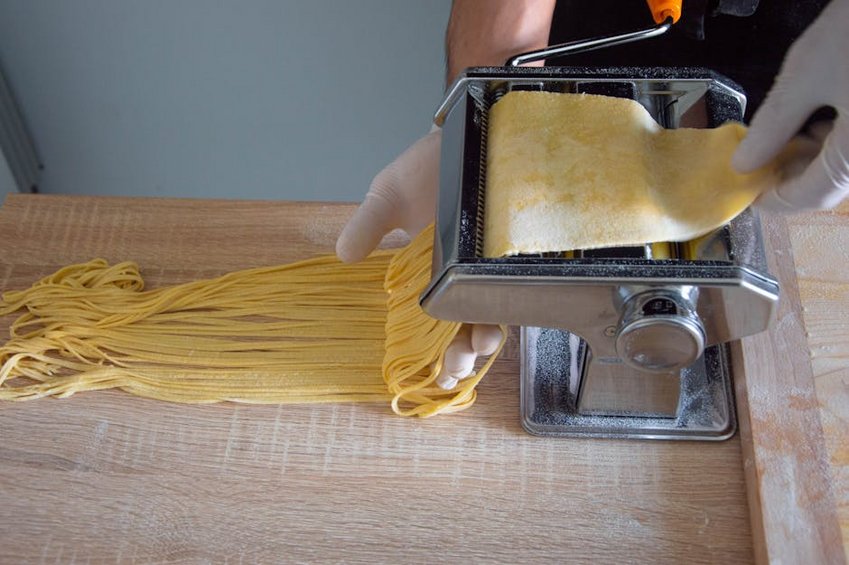
Beyond tasting, the most memorable experiences involve creating. Book a pasta-making class in a Bologna home to learn the secrets of tagliatelle al ragù. Join a *cacciatore di tartufi* (truffle hunter) and their dog in the woods of Umbria or Piedmont during the autumn season.
Participate in an olive harvest and milling demonstration in Puglia or Tuscany in late October. These immersive activities, often arranged through agriturismi or specialized tour operators, provide a genuine connection to the land and its culinary traditions that lasts long after the trip ends.
Practical Travel Information for Foodies
Navigating Italy’s gastronomic landscape requires smart logistical planning. For maximum flexibility, renting a car is highly recommended, especially for routes in Piedmont, Tuscany, and Puglia. Book the smallest car you can manage, as medieval village streets and farm driveways are notoriously narrow. Consider purchasing a dedicated Italian food tourism guidebook or downloading regional “Strada del Gusto” apps for updated maps and producer listings.
Accommodation choices can define your experience. Agriturismi (farm stays) provide an authentic, immersive base, often including home-cooked meals with ingredients from the property. For town-based exploration, choose centrally located boutique hotels in cities like Bologna, Alba, or Lecce, which serve as perfect hubs for daily culinary excursions into the surrounding countryside.
| Region | Primary Gastronomy Routes & Specialties | Recommended Base Town | Best Travel Time |
|---|---|---|---|
| Emilia-Romagna | Parmigiano Reggiano, Traditional Balsamic Vinegar, Prosciutto di Parma, Tortellini | Modena or Bologna | Apr-Oct |
| Tuscany | Chianti Classico Wine, Pecorino Cheese, Cinta Senese Pork, Extra Virgin Olive Oil | Siena or Greve in Chianti | May-Jun, Sep-Oct |
| Piedmont | White Truffles of Alba, Barolo & Barbaresco Wines, Hazelnuts, Agnolotti pasta | Alba or Barolo | Sep-Nov (truffle season) |
| Puglia | Burrata & Mozzarella Cheese, Primitivo Wine, Olive Oil, Orecchiette pasta | Ostuni or Lecce | May-Jun, Sep-Oct |
| Sicily | Street Food (Arancini, Pane e Panelle), Marsala Wine, Cannoli, Pistachios of Bronte | Palermo or Siracusa | Apr-Jun, Sep-Oct |