Lesser-Known Greek Islands for an Authentic Escape
Exploring the lesser-known Greek islands offers a profound alternative to the crowded hotspots. You will discover untouched beaches, villages where traditional life continues unchanged, and a pace that lets you truly unwind. This guide details the top hidden archipelagos, from the rugged Ionian to the serene Northeast Aegean, with practical planning tips for your authentic adventure.
Why Choose Greece’s Hidden Archipelagos
The famous islands of Santorini and Mykonos define postcard Greece. Yet, the country’s vast archipelago holds over 200 inhabited isles, most receiving a fraction of the visitors. These hidden gems preserve a way of life centered on fishing, farming, and village squares.
Choosing these destinations supports local economies directly and offers a more sustainable travel model. You encounter genuine hospitality, lower prices, and landscapes free from massive resort developments. The experience shifts from sightseeing to immersion.
Defining Characteristics of Lesser-Known Isles
While each island possesses a unique character, these hidden destinations share common threads that define the experience.
- Limited tourism infrastructure often means fewer large hotels, more family-run guesthouses, and a reliance on local tavernas over international chains.
- Authentic cultural rhythms prevail, where the afternoon siesta is observed, and evenings are for leisurely volta (strolls) and socializing in the plateia (main square).
- Pristine natural environments are protected by their obscurity, featuring hiking trails through ancient terraces, secluded coves, and important bird nesting areas.
- Budget travelers can manage on $60-80 USD per day by staying in simple studios, eating at local tavernas, using public buses, and focusing on free activities like hiking and swimming.
- Mid-range visitors spending $120-180 USD daily enjoy comfortable boutique guesthouses, rental cars for a few days, dining at better seaside tavernas, and occasional guided boat tours or cooking classes.
- A luxury experience at $250+ USD per day includes premium villas with pools, private yacht charters for exploring, gourmet dining, and personalized guided tours of archaeological sites.
- Greek National Tourism Organization
- Ferryhopper: Greek Ferry Schedules
The Major Archipelago Groups
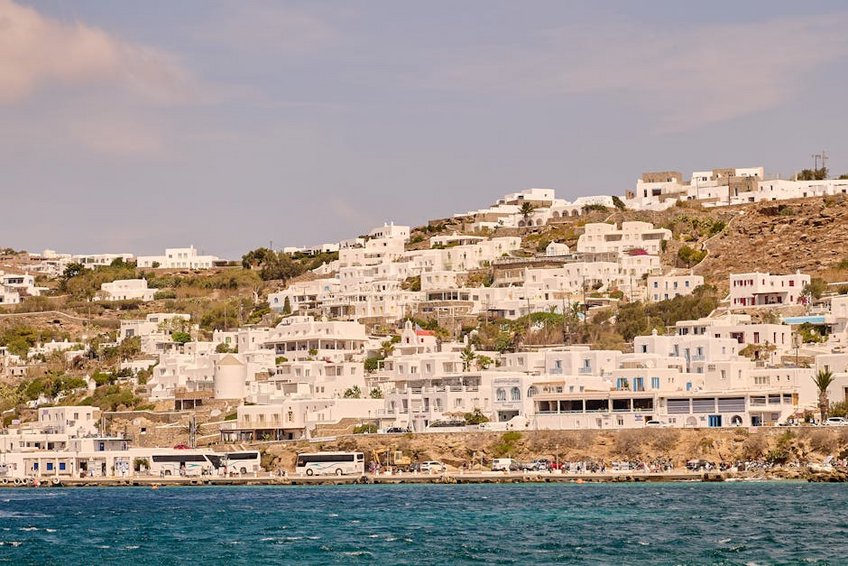
Greece’s islands are grouped into several clusters, each with a distinct cultural and geographical flavor. The Cyclades are famous for whitewashed architecture, but islands like Kimolos or Anafi offer that aesthetic without the crowds. The Ionian islands are lush and green, with gems like Ithaca and Meganisi.
The Northeast Aegean islands, such as Ikaria and Samothrace, feel remote and fiercely independent. The Saronic islands close to Athens, like Hydra and Spetses, are well-known, but neighboring Aegina or Poros offer easier escapes. The Dodecanese beyond Rhodes, such as Kastellorizo or Symi, provide stunning color and history.
What You Gain and Compromise
Visiting these locales provides unparalleled tranquility and cultural connection. You will have beaches to yourself, engage in meaningful conversations with locals, and experience Greece’s famed filoxenia (hospitality) in its purest form. The slower pace is ideal for writers, artists, or anyone needing a digital detox.
The compromise involves fewer direct flight options, potentially fewer luxury amenities, and limited evening entertainment. Ferries may run less frequently, requiring flexible itineraries. For travelers seeking nightlife and convenience, these islands may prove too quiet.
Alt: “traditional-greek-island-village-whitewashed-houses-aegean-sea”
Lesser-Known Greek Islands – Planning Your Trip
Successful travel to Greece’s hidden islands hinges on strategic planning around season and logistics. The ideal window is late May to early June or September to early October. You will enjoy warm weather, swimmable seas, and full operational services without peak crowds.
July and August bring intense heat, higher prices, and more visitors, though still far fewer than major islands. Many family-run businesses operate only from April through October. The winter months offer stark beauty but minimal services, with ferry schedules drastically reduced.
Best Time to Visit the Hidden Islands
Visit between late May and late June for optimal conditions. Daytime temperatures range from 75-85°F (24-29°C), and the sea is warming up. The landscape remains green from spring rains, wildflowers are abundant, and you can book accommodations just weeks in advance. This period is perfect for hiking and outdoor activities.
September is equally superb, with sea temperatures at their warmest and the summer heat subsiding. Early October can be magical, though some tavernas start to close by mid-month. The shoulder seasons offer the best balance of reliable weather, open businesses, and serene atmospheres for your island-hopping adventure.
Budget Planning and Costs
Daily costs are significantly lower than on mainstream islands, but vary by your travel style.
Essential Preparation Checklist
Pack for a versatile trip focused on comfort and practicality. Essentials include sturdy walking shoes for cobblestone paths and hiking trails, a European two-pin power adapter, a reliable sun hat, and a reusable water bottle. A light jacket is necessary for breezy evenings even in summer.
Book your inter-island ferry passages at least a month in advance during peak season using sites like Ferryhopper. For EU and US passport holders, no visa is required for stays under 90 days. Secure comprehensive travel insurance that covers medical evacuation, as some islands have only basic clinics.
Top Lesser-Known Island Destinations
Selecting which hidden islands to visit depends on your preferred landscape and vibe. The Ionian Sea offers emerald hills and olive groves, while the Cycladic isles present a more austere, dramatic beauty. The following destinations represent the best of their respective groups, each providing a distinct escape from the ordinary.
Accessibility varies, with some islands served by daily ferries from major ports and others requiring multiple connections. Embrace the journey as part of the experience. Research ferry routes from Athens (Piraeus port), Thessaloniki, or from larger regional hubs like Crete or Rhodes.
Must-See Hidden Gems
Folegandros in the Cyclades features a breathtaking cliff-top chora (main town) and spectacular hiking paths along caldera-like cliffs. It retains the charm of Santorini decades ago. Stay in the chora for stunning views and dine on traditional matsata pasta.
Ikaria, in the Northeast Aegean, is famed for the longevity of its residents and a vibrant, communal culture. Visit the legendary thermal springs at Therma, hike through lush ravine forests, and experience a local panigyri (festival) if your timing aligns. The island operates on its own relaxed schedule.
Kythira, located south of the Peloponnese, feels geographically and culturally distinct. It boasts Venetian castles, waterfalls like Fonissa, and dramatic beaches such as Kaladi. Its isolation ensures a peaceful atmosphere rich in myth, said to be the birthplace of the goddess Aphrodite.
Serene Alternatives for Every Traveler
For sailors and tranquility seekers, the Small Cyclades are perfection. Islands like Koufonisia, Schinoussa, and Donousa offer tiny populations, blindingly white beaches, and crystal-clear waters. Life revolves around the port, a few tavernas, and the rhythm of the ferry arriving.
History enthusiasts should target the Dodecanese island of Symi. Its neoclassical mansions in a stunning harbor create an unforgettable first impression. Explore the Byzantine monastery of Panormitis and the abandoned village of Horio. It’s a popular day-trip from Rhodes but magical overnight.
Nature lovers must consider Samothrace. This wild, mountainous island in the Thracian Sea is dominated by Mount Fengari. Its hiking trails lead to pristine waterfalls like Fonias, and its beaches are nesting grounds for sea turtles. The atmosphere is rustic and powerfully elemental.
Island-Hopping Itinerary Ideas
A one-week circuit could connect Sifnos (culinary-focused) with Serifos (dramatic mining landscape) and Kimolos (quiet beaches). All are in the Western Cyclades with good ferry links. Focus on two islands to avoid spending too much time in transit.
For a ten-day trip, pair a known island with a hidden neighbor. Fly into Santorini for two nights, then take a short ferry to Anafi, its untouched counterpart. Or, start in Crete and then sail to Gavdos, Europe’s southernmost island, for ultimate remoteness. This strategy balances convenience with discovery.
Practical Travel Information
Getting to these destinations requires a mix of air and sea travel. While some islands have small airports with seasonal domestic flights, the ferry remains the primary and most scenic mode of transport. Booking ferry tickets online in advance is crucial, especially for vehicle transport.
Accommodation ranges from basic rooms-to-let to stunning boutique hotels. Booking platforms like Booking.com cover many options, but for the smallest islands, you may need to contact properties directly via email or phone. Staying in a family-run pension often provides the most authentic experience.
| Island Group | Recommended Islands | Best For | Travel Time from Athens (Sea) |
|---|---|---|---|
| Cyclades | Folegandros, Sikinos, Anafi, Small Cyclades | Hiking, Secluded Beaches, Traditional Architecture | 5-8 hours |
| Ionian | Ithaca, Kefalonia (lesser-known parts), Meganisi | Sailing, Lush Landscapes, Homeric History | 6+ hours (from Patras) |
| Northeast Aegean | Ikaria, Samothrace, Agios Efstratios | Wild Nature, Thermal Springs, Unique Culture | 8-12 hours |
| Dodecanese | Symi, Kastellorizo, Tilos | Colorful Architecture, History, Swimming | 12+ hours (or fly to Rhodes first) |