Lavender Fields Guide in Turkey: Discover Provence’s Rival
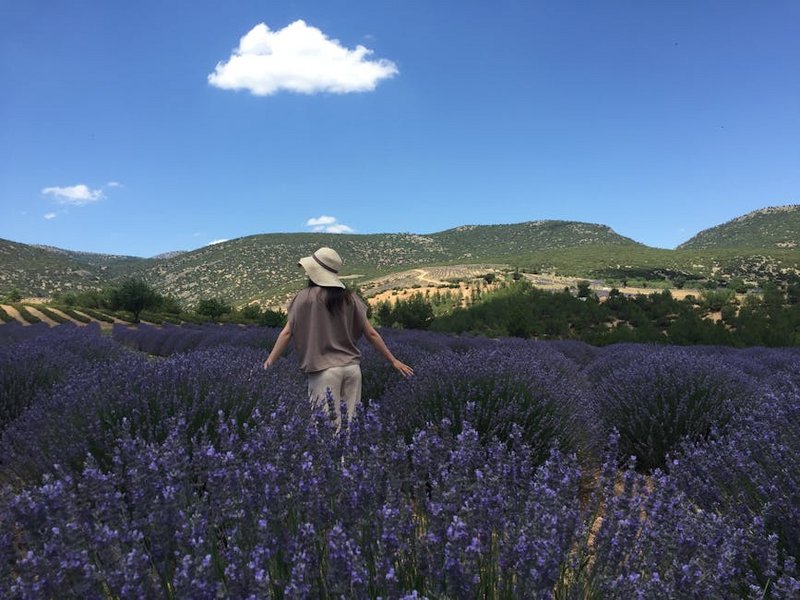
Turkey’s lavender fields transform the Isparta province into a purple-hued paradise each summer, offering a stunning alternative to Provence. The expansive blooms near Kuyucak village create breathtaking landscapes perfect for photography, relaxation, and connecting with nature’s rhythms. This guide provides the essential details for planning your Turkish lavender journey, from peak bloom timings and exact locations to cultural festivals and travel logistics across the region’s scenic valleys.
Essential Information on Turkish Lavender
Turkish lavender cultivation centers on the Lake District, specifically Isparta province, which brands itself as the “City of Lavender and Roses.” Commercial farming began here in the 1970s, inspired by French cultivation techniques, but has since carved its own identity. The region’s high altitude, sunny days, and cool nights create ideal conditions for producing high-quality lavender oil renowned for its fragrance.
Today, these aromatic fields are not just an agricultural hub but a major draw for domestic and international travelers. The season is relatively short but incredibly intense, painting the rolling hills in vibrant shades of purple and filling the air with a calming scent. Visiting offers a unique blend of natural beauty, photogenic landscapes, and insight into a vital local industry.
Key Facts About the Lavender Region
Understanding the area’s geography and industry will enrich your visit significantly.
- Primary Location: The village of Kuyucak in Isparta’s Keçiborlu district is the epicenter, with fields sprawling across nearly 1,000 hectares (2,470 acres). The area is approximately 90 minutes north of Antalya by road.
- Local Economy: Lavender is primarily grown for essential oil, used in premium cosmetics, soaps, and aromatherapy products. The harvest supports many local families and cooperatives.
- Tourism Impact: What began as a niche photo spot has blossomed into a regulated tourism zone, with designated walking paths, viewing platforms, and small cafes to manage visitor flow and protect the crops.
- Budget (Day Trip): $50-80 per person. This covers a round-trip bus from Antalya to Isparta ($10-15), a shared taxi to Kuyucak ($20-30 round-trip), simple picnic food, and water. It’s a long day but very feasible for those based on the Mediterranean coast.
- Mid-Range (Weekend Stay): $200-350 per person. Includes two nights in a Isparta hotel ($80-120), a rental car for two days ($70-100 including fuel), meals at local restaurants, and entry to any designated viewing areas or festivals.
- Luxury (Guided Experience): $500+ per person. Features private guided tours from Antalya or a boutique hotel stay near the fields, photography workshops, gourmet meals featuring local produce, and visits to private distillation facilities for oil tasting and purchases.
- Isparta Provincial Directorate of Culture and Tourism
- Lonely Planet Travel Guide – Isparta Region
Understanding the Lavender Season
The blooming period is dictated by weather patterns, making timing crucial for the perfect visit. The flowers typically begin to show color in late June, reaching their photographic peak from early July through mid-July. This is when the purple is most intense and uniform across the hillsides.
Harvesting starts in late July, often beginning just after the popular Lavender Festival. By early August, most fields are cut, leaving behind green stalks. The timing can shift by 7-10 days depending on spring rainfall and temperatures, so checking local social media updates in June is wise.
The Lavender Harvest Process
Witnessing the harvest is a fascinating cultural experience. Farmers use specialized tractors that cut the flower stems and collect them in large containers. The harvested lavender is then quickly transported to local distillation facilities to extract the essential oil.
The process must be timed perfectly to capture the oil at peak potency. This traditional yet efficient method highlights the seamless blend of agriculture and industry that defines the region. Visitors are often welcome to observe from a respectful distance at the field’s edge.

Alt: “kuyucak-village-lavender-fields-turkey-summer-landscape”
Lavender Fields Guide in Turkey – Planning Your Trip
Successful planning for this seasonal spectacle hinges on precise timing and logistical preparation. The window for seeing the fields in full glory is narrow, typically concentrated in the first three weeks of July. Accommodation in nearby Isparta books up quickly for weekends during this period, so securing your stay 2-3 months in advance is strongly recommended.
Your itinerary should balance time in the fields with exploration of the wider Lake District, known for its serene bodies of water like Lake Eğirdir. Budget extra time for travel between locations, as public transport schedules can be infrequent. A flexible approach allows you to chase the best light for photography and avoid the largest daytime crowds.
Best Time to Visit the Turkish Lavender Fields
For the absolute peak bloom, target your visit between July 5th and July 20th. During this period, temperatures range from 75-85°F (24-30°C) during the day, dropping to a pleasant 55-65°F (13-18°C) at night. Mornings are less crowded and offer softer light, while late afternoons provide beautiful golden hour illumination.
The shoulder periods of late June and late July still offer good viewing, with fewer tourists but a less intense purple canopy. The official Isparta Lavender Festival usually falls on a weekend in mid-July, featuring local music, food stalls, and cultural displays, but also drawing the largest crowds. Plan accordingly based on your preference for atmosphere versus solitude.
Budget Planning and Costs
Costs vary based on your travel style, from a budget day trip to a leisurely regional tour.
Essential Preparation Checklist
Pack for a rural, sunny, and outdoor-focused excursion. Essentials include sturdy walking shoes for uneven terrain, a wide-brimmed hat, high-SPF sunscreen, and sunglasses. Photography gear should include polarizing and UV filters to manage the bright, reflective light and enhance the purple hues. Bring a refillable water bottle, as services in the fields are limited.
Ensure your travel documents are in order. Most Western passport holders (US, EU, Canada, Australia) can obtain an e-Visa for Turkey online before travel. Purchase comprehensive travel insurance that covers medical emergencies and trip interruptions. Download offline maps of the Isparta region, as cellular service can be spotty in the rural valleys between towns.
Top Attractions and Activities
While the lavender fields are the star, the surrounding Lake District offers a wealth of complementary experiences. The area is a tapestry of blue lakes, traditional villages, and rose gardens—Isparta is also a global center for rose oil production. Combining these elements creates a richer travel narrative beyond the iconic purple photos.
Spending 2-3 full days allows you to immerse yourself in the region’s pace. You can dedicate one morning and one evening to the fields for different lighting, use another day for lake exploration, and reserve time for visiting local markets. This approach reduces travel fatigue and lets you appreciate the area’s tranquil character.
Must-See Highlights of the Region
Kuyucak Lavender Fields are the primary destination, with designated photo points and walking paths. Arrive early to enjoy the calm and the morning scent. Lake Eğirdir, Turkey’s fourth-largest lake, is a 30-minute drive north, offering stunning views, freshwater swimming, and lakeside fish restaurants in the town of Eğirdir.
Isparta’s City Center features the Isparta Museum, with exhibits on regional history, and the bustling bazaar where you can buy authentic lavender oil, soaps, and other local crafts. The historic Yılanlı (Snake) Church, carved into rock near the village of Çandır, provides a fascinating historical counterpoint to the natural beauty, dating back to the Byzantine era.
Hidden Gems and Local Favorites
Explore smaller, less-visited fields around the villages of Ardıçlı and Çarıksaray for a more intimate experience. These spots may not have the vast scale of Kuyucak but often offer unobstructed views and direct interaction with friendly local farmers. Always ask for permission before entering any field that isn’t clearly marked for tourism.
Visit a local rose oil distillery in the morning when distillation is most active. While Isparta’s rose harvest peaks in May-June, many facilities process lavender in July and are fascinating to see. The village of Gülcü (meaning “Rose Grower”) offers insights into this parallel industry that defines the region’s aromatic identity.
Photography Tips for Stunning Shots
The best light occurs during the “golden hours”—shortly after sunrise and before sunset—when the sun casts long shadows and enriches colors. A drone can capture the stunning scale and patterns of the fields, but always check for local regulations and fly respectfully. Use a shallow depth of field (low f-stop) to isolate individual lavender stalks against a soft, blurred background of purple.
Include human elements for scale and narrative, such as a path winding through the blooms or a farmer in the distance. Wear neutral-colored clothing (whites, creams, light blues) to complement the purple palette without clashing. Be mindful of your surroundings and stay on marked paths to protect the plants that are local livelihoods.
Practical Travel Information
Navigating the Lake District requires understanding the available transport options. While major cities are well-connected, reaching the rural fields demands planning. Isparta lacks a commercial airport, making Antalya the primary gateway for international travelers. From there, you can choose between bus, rental car, or private transfer based on your budget and desired flexibility.
Accommodation ranges from basic city hotels in Isparta to charming guesthouses (pansiyons) in lakeside towns like Eğirdir. Booking.com and local Turkish tourism sites are the most reliable platforms. For peak season, secure your lodging as soon as your travel dates are fixed, as quality options are limited and fill rapidly.
| Transport Method | Details & Route | Price Range (USD) |
|---|---|---|
| Rental Car | Pick up at Antalya Airport (AYT). 2-hour drive to Isparta via D650 highway. Offers maximum flexibility. | $35-70 per day |
| Intercity Bus | Frequent services from Antalya bus station to Isparta Otogar. 2.5-hour journey. Comfortable and reliable. | $5-10 per person, one-way |
| Private Transfer | Pre-booked car with driver from Antalya to your hotel. Ideal for groups or those with lots of gear. | $120-180 per vehicle |
| Local Taxi/Dolmuş | From Isparta city to Kuyucak village (25 km). Dolmuş (shared minibus) is cheaper but less frequent. | Taxi: $25-40 RT; Dolmuş: $3-5 per person |