Lake Tour Routes in Eastern Anatolia
Exploring the lake tour routes in Eastern Anatolia reveals a dramatic highland landscape where volcanic peaks and ancient history frame serene bodies of water. This region in Eastern Turkey offers journeys past immense saline lakes, crater-filled calderas, and traditional cultures that have thrived along these shores for millennia. This guide details the essential routes, seasonal timing, and cultural insights for planning a complete circuit through this unique part of the country.
Eastern Anatolia’s Lake District Essentials
Eastern Anatolia, Turkey’s highest and most rugged region, is defined by its continental climate and profound historical layers. The area’s lakes, primarily of tectonic and volcanic origin, create a starkly beautiful and often overlooked travel circuit. Summers are short and pleasantly warm, while winters are long, harsh, and transform the scenery into a snowy wonderland.
This isolation has preserved distinct cultural identities, including Kurdish, Azerbaijani, and Armenian heritage visible in local crafts, music, and cuisine. Travel here requires a spirit of adventure and flexibility, as infrastructure is simpler than in western Turkey. The rewards are immense landscapes, incredibly hospitable people, and a sense of stepping far off the standard tourist trail.
Key Lakes on the Circuit
Several major lakes form the core of any Eastern Turkey lake tour itinerary.
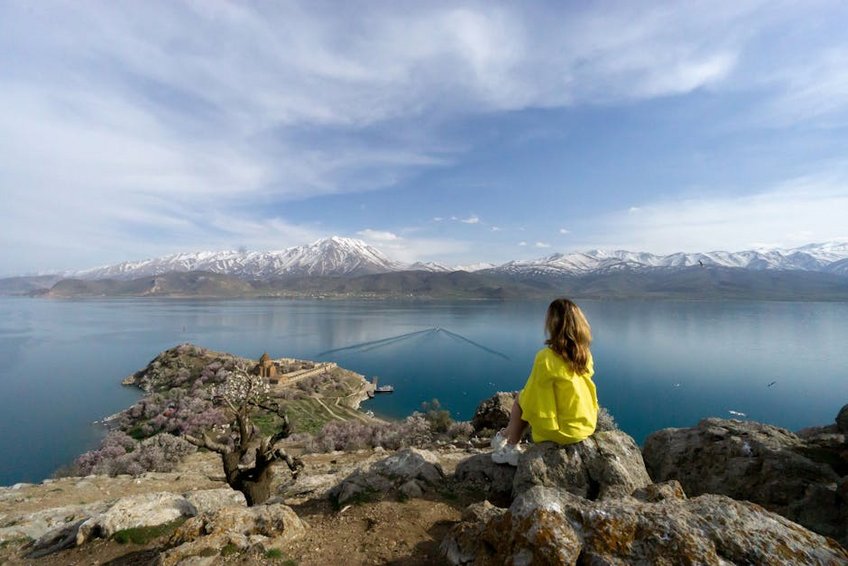
- Lake Van: Turkey’s largest lake, a vast saline soda lake known for its striking blue hue, the medieval Armenian church on Akdamar Island, and the mysterious Van Castle overlooking its shores.
- Lake Çıldır: A high-altitude freshwater lake famed for its spectacular ice fishing and horse-drawn sleigh rides during its deeply frozen winters, offering a truly unique seasonal experience.
- Lake Nemrut: A stunning crater lake atop the dormant Nemrut Volcano, featuring two distinct basins and hiking trails with panoramic views of the surrounding caldera.
- Lake Balık: A smaller, tranquil lake near the city of Ağrı, ideal for birdwatching and peaceful picnics with a backdrop of Mount Ararat.
- Budget Traveler ($40-60/day): This covers hostels or basic guesthouses, self-catering with market foods and street kebabs, public minibuses (dolmuş) between major towns, and free natural sightseeing. A multi-day tour like this requires meticulous planning around sporadic public transport schedules.
- Mid-Range Traveler ($80-120/day): This allows for comfortable three-star hotels with breakfast, daily car rental (approx. $35-50/day for a manual SUV), meals at local restaurants, and paid entry fees for museums and guided boat tours. This offers the best balance of comfort, freedom, and value for most independent travelers.
- Luxury Traveler ($200+/day): This tier includes the best hotels in Van and Kars, a premium 4×4 rental with a driver-guide, private guided tours of historical sites, and fine dining. It maximizes comfort and deep cultural access in a region where true luxury options are limited.
- GoTürkiye – Eastern Anatolia Official Tourism Portal
- Lonely Planet – Eastern Anatolia Travel Guide
Understanding the Climate and Terrain
The Anatolian highland climate presents sharp seasonal contrasts that dictate travel plans. July and August see daytime highs between 68-77°F (20-25°C) with cool nights, making it the peak window for comfortable exploration. This is the only reliable period for clear access to all high mountain passes and crater rims without snow.
Winter, from November to March, is severe with temperatures often plunging below 14°F (-10°C) and heavy snow blocking many secondary roads. However, this season offers magical frozen lake scenes, especially at Çıldır. Spring and autumn are brief, unpredictable shoulder seasons characterized by rain showers and rapidly changing conditions, suitable only for very flexible travelers.
The Historical and Cultural Tapestry
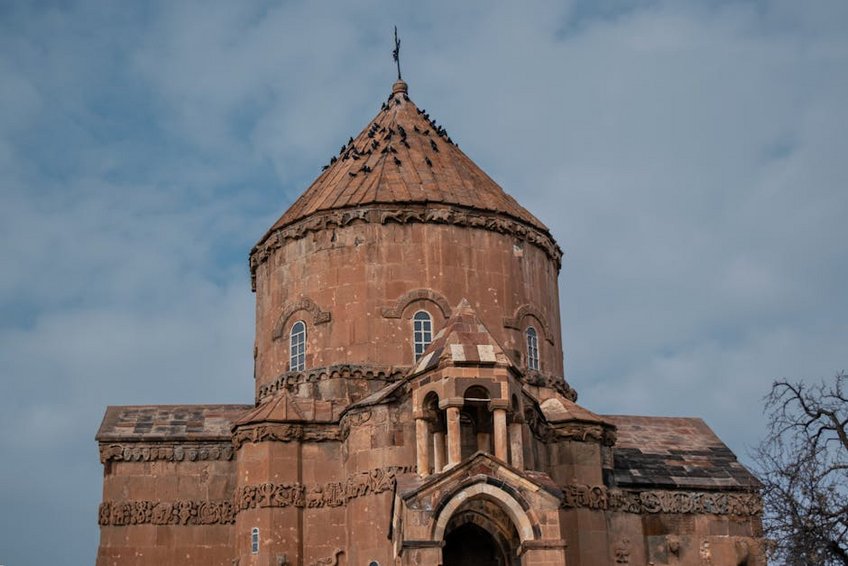
The lands around these lakes have been crossroads for Urartians, Armenians, Persians, Byzantines, Seljuks, and Ottomans. Van was the capital of the Urartian Kingdom, whose ruins and cuneiform inscriptions can still be found. The iconic Armenian Cathedral of the Holy Cross on Akdamar Island, meticulously restored, stands as a masterpiece of medieval stonemasonry.
This complex history is felt in the region’s demographics, cuisine, and architecture. Visitors will notice a blend of Turkish and Kurdish influences, with many locals in villages speaking Kurdish primarily. This cultural richness adds profound depth to the scenic drives, turning a simple lake tour into a journey through living history.
Alt: “aerial-view-lake-van-akdamar-island-eastern-anatolia”
Lake Tour Routes in Eastern Anatolia – Planning Your Circuit
Successfully navigating the lake tour routes in Eastern Anatolia requires strategic routing and realistic timing. A comprehensive circuit connecting the major lakes covers roughly 600-800 miles (1000-1300 km) of often mountainous roads. We recommend a minimum of 7-10 days to complete the primary loop without excessive daily driving, allowing time for hikes, boat trips, and cultural stops.
The most logical start point is Van, accessible via direct flights from Istanbul or Ankara to Van Ferit Melen Airport (VAN). From here, you can rent a car—preferably an SUV for higher clearance on some rural tracks—and begin a clockwise or counter-clockwise loop. Key stops include Van, Tatvan (for Nemrut), Ağrı, and Doğubayazıt near Mount Ararat, before circling to Çıldır and Kars.
Accommodation ranges from basic but clean guesthouses in smaller towns to comfortable hotels in Van and Kars. Booking ahead is advised for peak summer months. Always carry some Turkish Lira in cash, as credit card acceptance becomes less common outside major city centers, and fuel up whenever you see a station in remote areas.
Best Time to Visit the Anatolian Lakes
Visit Eastern Anatolia between late June and mid-September for optimal conditions on all lake tour routes. Daytime temperatures are a pleasant 65-75°F (18-24°C), all mountain passes are open, and boat tours to Akdamar Island on Lake Van operate regularly. This is the peak season, so book rental cars and hotels at least two months in advance.
For a unique winter-specific experience targeting frozen lakes, plan for January or February. During this time, you can witness Lake Çıldır’s incredible ice fishing culture, but access to Lake Nemrut Crater will likely be impossible due to snow. Shoulder months like May and October are risky, offering beautiful colors but potential for sudden road closures due to early or late snowstorms.
Budget Planning and Costs
A daily budget for an Eastern Turkey lake tour varies significantly based on travel style.
Essential Preparation Checklist
Pack layers for rapidly changing mountain weather, including a warm fleece, waterproof jacket, sturdy hiking shoes, and a hat for strong sun at high altitude. Essential gear includes a power bank for your phone, a detailed offline map app like Maps.me, and a Turkish phrasebook or translation app, as English is not widely spoken in rural areas.
Ensure your passport is valid for six months beyond your entry date; most Western nationals receive a 90-day visa on arrival in Turkey. Purchase comprehensive travel insurance that covers medical evacuation. Inform your bank of your travel plans to avoid card blocks, and obtain an International Driving Permit if you plan to rent a car, as it’s required alongside your home license.
Top Attractions and Scenic Stops
The true magic of an Eastern Anatolia lake circuit lies in the diversity of stops along the way. From ancient island monasteries to volcanic summits, each site offers a different perspective on this rugged land. Allocate time not just for driving, but for spontaneous stops in villages and at roadside tea gardens to soak in the local pace of life.
Photography opportunities are exceptional, with dramatic shifts in light across the vast landscapes, especially during golden hour. While the lakes are the central theme, integrating the region’s formidable history through its castles and archaeological sites creates a far richer travel narrative. Always respect local customs when photographing people, especially in rural communities, by asking permission first.
Must-See Highlights
Akdamar Island and the Cathedral of the Holy Cross is the cultural crown jewel of Lake Van. A 30-minute boat ride (approx. $8 USD) brings you to the island to admire the exquisite 10th-century Armenian church, its exterior reliefs depicting biblical scenes. Time your visit for the morning to avoid afternoon winds that can cancel boat services.
Nemrut Caldera requires a moderately challenging hike to reach the rim for breathtaking views of the twin crater lakes. The larger, cold lake contrasts with a smaller, warm lake, showcasing the area’s volcanic activity. Drive from Tatvan to the parking area; the hike to the best viewpoint takes about 45 minutes one way. There is no entrance fee.
Çıldır Lake in winter transforms into a vibrant community space. Local fishermen drill holes in the thick ice to catch fish, while horse-drawn sleighs glide across the surface. You can join a short sleigh ride for about $10-15 USD. Even in summer, the lake’s vast, windswept shores have a stark, compelling beauty perfect for landscape photography.
Hidden Gems and Local Favorites
For a peaceful alternative to Lake Van, seek out the smaller Lake Erçek, located to the east. This saline lake is a vital habitat for flamingos and other migratory birds, particularly in spring and autumn. The access road is rough, but the sense of solitude and the chance to see flocks of pink flamingos against a mountain backdrop is unforgettable.
In the city of Van, don’t miss the opportunity to visit the Van Cat Research Center. This is the home of the famous Van cats, known for their striking white fur and odd-colored eyes (one amber, one blue). It’s a quirky and delightful stop that highlights a unique local breed. A small donation is appreciated for the center’s work.
Near Doğubayazıt, the Ishak Pasha Palace is a monumental 18th-century palace complex blending Armenian, Georgian, Persian, and Ottoman architectural styles. Perched on a hillside with commanding views of Mount Ararat, it feels like a scene from an epic film. The detailed stonework and relatively remote location make it a captivating detour.
Hiking and Outdoor Activities
Beyond sightseeing, the region offers rewarding outdoor pursuits. The most popular day hike is the ascent to the crest of Nemrut Caldera. For a more extended trek, the slopes of Mount Süphan, Turkey’s third-highest peak, attract experienced mountaineers, typically requiring a multi-day expedition with a local guide.
Lake Van’s shores provide opportunities for swimming in its buoyant, soda-rich waters, though facilities are minimal. More structured activities include taking a sunset cruise from Van city’s port to enjoy the views of the castle and surrounding mountains from the water. Always check weather conditions before any outdoor activity, as conditions can deteriorate quickly in the highlands.
Practical Travel Information and Logistics
Navigating Eastern Anatolia requires an understanding of the transportation network and accommodation landscape. While major cities are well-connected, travel between lakes and to remote sites almost necessitates a private vehicle for efficiency and flexibility. Road conditions are generally good on primary highways but can be rough or unpaved on secondary access roads.
Accommodation follows a clear pattern: comfortable modern hotels exist in Van and Kars, while smaller towns like Tatvan, Ağrı, and Doğubayazıt offer simpler, family-run hotels or guesthouses that are clean and functional. The concept of “boutique” lodging is rare here; the focus is on practical hospitality and warmth rather than luxurious amenities.
| Accommodation Type | Location & Features | Price Range (USD/Night) |
|---|---|---|
| City Hotel (3-4 Star) | Van or Kars city centers. Modern amenities, on-site restaurant, English-speaking staff. | $60 – $100 |
| Local Guesthouse | Smaller towns like Tatvan or Doğubayazıt. Basic rooms, often family-run, includes breakfast. | $25 – $45 |
| Lake-View Hotel | Rare properties directly on Lake Van shores. Simple facilities with premium scenery. | $50 – $80 |
| Rural Homestay | Villages near Çıldır. Basic, immersive cultural experience with home-cooked meals. | $20 – $35 (with meals) |