Train Travel Routes Across Anatolia
Exploring Turkey by rail offers an unparalleled journey through ancient landscapes, connecting vibrant cities with remote villages on a network rich with history. The Anatolian train system provides a comfortable, scenic, and deeply cultural way to experience the heart of the country, from the Aegean coast to the high steppes of the east. This guide details the essential routes, practical booking tips, and cultural insights to plan your own memorable train travel routes across Anatolia.
Essential Information on Anatolian Railways
Turkey’s national railway operator, TCDD (Türkiye Cumhuriyeti Devlet Demiryolları), manages an extensive network that has been a central part of the country’s infrastructure for over a century. Major lines connect Istanbul with Ankara, continue east to Kars, and run south to the Mediterranean, offering diverse experiences from high-speed services to nostalgic overnight journeys. Understanding this system is key to a smooth Anatolian rail adventure, blending modern efficiency with classic travel charm.
The most significant development in recent years is the introduction of high-speed rail (Yüksek Hızlı Tren or YHT) on select corridors, drastically reducing travel times between major western hubs. Alongside these modern trains, conventional express and regional services operate on secondary lines, providing access to less-visited regions. This dual system allows travelers to choose between speed on primary routes and leisurely exploration on branch lines, each offering a distinct perspective on the Turkish landscape.
The Historical and Cultural Significance
Rail travel in Anatolia is steeped in history, with some lines dating back to the Ottoman era and the famed Orient Express route. These tracks have carried empires, traders, and migrants, weaving a story directly into the region’s identity.
- The historic Bağdat Railway, initiated in the Ottoman period, aimed to connect Istanbul with Baghdad, influencing geopolitics and regional development throughout the 20th century.
- The iconic Eastern Express (Doğu Ekspresi) route from Ankara to Kars traverses starkly beautiful and historically significant Armenian and Kurdish regions, offering a moving journey through Turkey’s complex eastern provinces.
- Many station buildings, especially in cities like Izmir (Basmane) and Ankara, are architectural landmarks from the early Republican period, symbolizing the modernizing vision of the new Turkish state.
- Budget travelers can utilize standard seating (Pulman) on all trains and purchase tickets directly from TCDD counters or its website for the lowest fares, focusing on daytime journeys to avoid sleeper costs; expect to spend $10-20 USD per major leg.
- Mid-range comfort involves booking reserved seats on YHT trains or 2-berth couchettes on overnight services, using the TCDD website for advance purchases and enjoying onboard dining; budget $25-50 USD per journey for this significantly enhanced experience.
- A luxury approach involves securing private compartments on legendary routes like the Eastern Express, possibly booking through a specialized tour operator for a curated package, and combining rail with premium hotels; costs range from $100-300+ USD for exclusive multi-day rail experiences.
- TCDD Taşımacılık A.Ş. (Official Ticketing & Schedule Site)
- The Man in Seat 61: Turkey Guide
Understanding the Train Classes and Services
TCDD trains offer different classes of service, primarily Pulman (standard seating) and Yataklı Vagon (sleeping car) on long-distance routes. High-speed YHT services feature modern, airline-style seating with two classes, while conventional trains may have more basic but characterful accommodations. Knowing what to expect in each class helps manage comfort and budget for journeys that can last from a few hours to over 24.
Sleeping compartments on trains like the Eastern Express are particularly popular and range from comfortable 1-2 person couchettes to more basic open berths. Dining cars are present on most long-distance services, serving simple, hot Turkish meals, tea, and snacks, though bringing your own provisions is always a good idea. Ticket prices are generally very reasonable by Western standards, making first-class or sleeper upgrades an accessible luxury for many travelers.

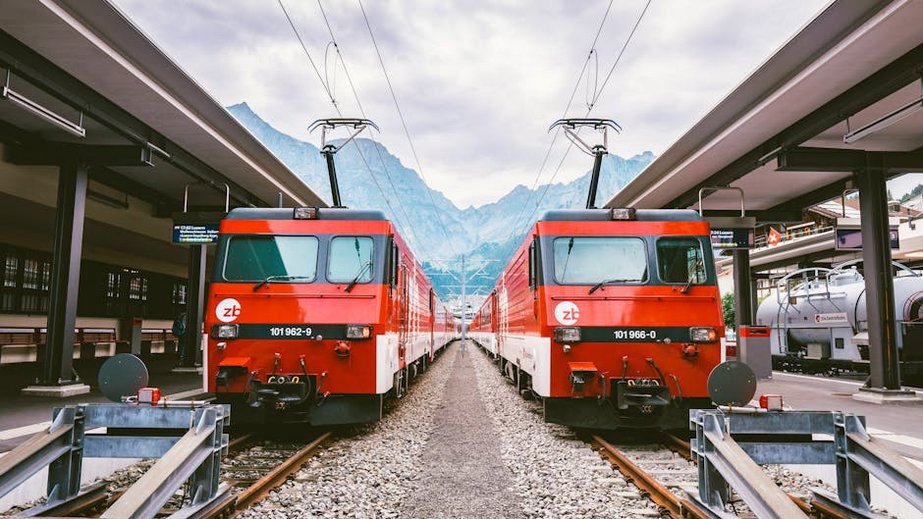
Alt: “anatolian-train-scenic-landscape-mountains-steppes”
Train Travel Routes Across Anatolia – Planning Your Trip
Successfully navigating the Anatolian rail network requires strategic planning centered on booking timelines, seasonal considerations, and route selection. High-speed train tickets, especially for popular Friday and Sunday travel, can sell out weeks in advance, while sleeper berths on scenic routes like the Eastern Express require booking months ahead during peak seasons. Your itinerary should balance the efficiency of YHT lines with the immersive experience of slower regional journeys to capture the full spectrum of Turkish train travel.
Budgeting for your rail journey is straightforward, with costs significantly lower than equivalent travel in Europe or North America. A high-speed ticket from Istanbul to Ankara (approximately 4.5 hours) starts around $15-25 USD, while a 24-hour sleeper journey to Kars might cost $30-50 USD for a basic berth. Factor in additional costs for meals on board, taxis to stations, and potential hotel nights if connecting between trains with a long layover.
Best Time to Ride the Anatolian Rails
The ideal seasons for train travel routes across Anatolia are spring (April to June) and autumn (September to October), when daytime temperatures are pleasant (60-75°F / 15-24°C) and the landscapes are either blooming or golden. Summer travel (July-August) can be hot, especially on non-air-conditioned conventional trains in eastern regions, where temperatures can exceed 86°F (30°C), though it’s the peak period for the Eastern Express due to school holidays.
Winter (November to March) offers a dramatic and snowy experience, particularly on eastern routes, with temperatures often below freezing (14-32°F / -10 to 0°C). This is the low season, meaning better availability for sleepers, but requires packing for cold weather and being prepared for potential delays. The high-speed lines in the west operate reliably year-round, making them a good foundation for any winter itinerary.
Budget Planning and Costs
Anatolian rail travel caters to all budgets, from backpacker to comfort-seeker.
Essential Preparation Checklist
Pack layers suitable for variable train temperatures, comfortable shoes for walking through long trains, a Turkish power adapter (Type F, 220V), a refillable water bottle, and snacks like nuts and dried fruit. For overnight journeys, bring a small toiletries bag, earplugs, an eye mask, and a lock for your compartment luggage. A printed copy of your e-ticket is wise, as is downloading offline maps of your destination cities.
Ensure your passport is valid for at least six months beyond your entry date; many Western nationals receive a 90-day tourist visa on arrival or need an e-Visa. Book your longest or most popular train legs first—especially the Ankara-Kars Eastern Express—as soon as tickets are released (typically 30 days in advance, but check for exceptions). Purchase local SIM card or an eSIM upon arrival for reliable internet to access digital tickets and translation apps.
Top Routes and Scenic Journeys
The Anatolian railway network offers a variety of experiences, from high-speed dashes between metropolitan centers to slow, winding adventures into the cultural heartland. Each major route presents a different facet of Turkey, shaped by the landscapes outside the window and the rhythm of life on board. Prioritizing which lines to travel depends on your interests, whether they lie in modern efficiency, historical resonance, or raw natural beauty.
Western routes, dominated by the YHT, showcase Turkey’s economic dynamism, connecting the urban powerhouses of Istanbul, Ankara, Eskişehir, and Konya with journeys as short as 90 minutes. In contrast, eastern and southern routes demand more time, rewarding patience with epic mountain vistas, high plains, and access to ancient sites far from the tourist trail. Combining a fast western leg with a slow eastern journey creates a perfectly balanced Turkish rail odyssey.
Must-See Highlights: The Premier Routes
The Ankara to Kars route, famously known as the Eastern Express (Doğu Ekspresi), is the crown jewel of scenic rail travel in Turkey. This roughly 24-hour journey climbs from the central plateau into the rugged Eastern Anatolian highlands, passing canyons, frozen waterfalls in winter, and the stunning view of the İzmir Lake. It terminates in Kars, a city with a distinctive Russian-influenced architecture and proximity to the ancient ruins of Ani.
The high-speed line from Istanbul to Ankara (via Eskişehir) is the backbone of modern Turkish rail, covering the distance in about 4.5 hours. The Istanbul to Konya YHT route is another essential journey, taking around 4.5 hours to reach the spiritual heart of Turkey, famed for its Seljuk architecture and as the home of the Whirling Dervishes. Both routes offer a glimpse of the country’s rapid development from the comfort of a smooth, quiet train.
Hidden Gems and Local Favorites
Beyond the famous expresses, several regional lines offer authentic and uncrowded experiences. The İzmir to Denizli route serves as a practical and scenic approach to Pamukkale’s travertine terraces and the Roman ruins of Hierapolis. The journey winds through the fertile Menderes River valley, presenting views of vineyards and cotton fields against a mountain backdrop, a stark contrast to the arid interior.
The Lake Van route, extending from Tatvan to Van, involves a short but spectacular ferry transfer across Turkey’s largest lake, as the train itself is loaded onto a vessel. This unique multimodal journey connects eastern lines and provides access to the hauntingly beautiful Armenian church on Akdamar Island. These lesser-known segments often feature more interaction with local commuters and a pace of travel that truly syncs with the surrounding landscape.
Cultural and Historical Line Explorations
The Southern route from Adana to Gaziantep and onward cuts through the historical region of Upper Mesopotamia, an area brimming with ancient significance. While services here are slower and less frequent, the reward is access to cities like Gaziantep, a UNESCO Creative City for gastronomy, and Şanlıurfa, considered by many to be the birthplace of the prophet Abraham. Traveling this line feels like a journey back through the layers of human civilization.
Practical Travel Information and Logistics
Navigating the practicalities of Turkish train travel is straightforward with the right information. The TCDD website and mobile app are the primary tools for checking schedules (labeled “Seferler”) and booking tickets, though the interface can be challenging for non-Turkish speakers. Major stations in cities like Istanbul ( Pendik for Asian side, Halkalı for European side), Ankara, and Izmir (Basmane) are well-equipped with waiting halls, basic eateries, and luggage storage.
For complex itineraries or if the website proves difficult, purchasing tickets at the station counter (gişe) is a reliable alternative, especially for same-day or next-day travel on less busy routes. Third-party booking services exist but charge a significant markup; they can be useful for securing sold-out sleeper berths through package tours. Always confirm your departure station, as cities like Istanbul and Ankara have multiple terminals serving different directions.
| Route Category | Primary Routes & Features | Approx. Price Range (USD) |
|---|---|---|
| High-Speed (YHT) | Istanbul-Ankara (4.5h), Istanbul-Konya (4.5h); modern, reserved seating, dining car. | $15 – $35 |
| Classic Overnight | Ankara-Kars (Eastern Express, 24h), Ankara-Tatvan; sleeper couchettes, dining car, scenic. | $25 – $80 (berth-dependent) |
| Regional Day Trains | İzmir-Denizli (4h), Adana-Gaziantep; standard seating, frequent stops, basic amenities. | $5 – $15 |
| International Connection | Istanbul-Sofia (overnight); requires connection in Kapıkule, sleeper options available. | $50 – $120 |