Quiet Village Routes in the Black Sea Region
Exploring the Quiet Village Routes in the Black Sea Region reveals a side of Turkey many travelers miss. You will find terraced tea plantations clinging to misty slopes and ancient stone bridges spanning rushing rivers. This guide covers the best secluded trails, mountain hamlets, and practical tips for your journey.
Discovering the Turkish Black Sea Coast
The Turkish Black Sea coast stretches over 1,000 kilometers from Bulgaria to Georgia. Its dramatic landscape features the Kaçkar Mountains soaring over 3,900 meters and lush valleys filled with endemic flora. The climate is humid and rainy, creating Europe’s lushest temperate rainforests.
This area’s history is a tapestry of Greek, Genoese, and Ottoman influences. You can see this in the architecture of old Ottoman houses and abandoned Byzantine monasteries. Travel here moves at a slower, more reflective pace focused on nature and tradition.
What Makes This Region Unique
Several key features define the Black Sea’s character and appeal.
- The Pontic Alps, or Kaçkar Mountains, offer trekking routes like the Kaçkar Trail with altitudes over 3,000 meters and seasonal tea harvesting on the lower slopes from May to October.
- A distinct microclimate delivers over 2,000 millimeters of annual rainfall, supporting vast hazelnut groves and producing a cool, verdant environment even in summer.
- The local Laz and Hemshin cultures preserve unique languages, polyphonic folk music, and culinary traditions like cornbread and anchovy dishes not found elsewhere in Turkey.
- Budget travelers can manage on $40-$60 per day by staying in guesthouses (‘pansiyon’), eating at local lokantas, and using public minibuses (‘dolmuş’). Simple guesthouse rooms cost $15-$25 per night.
- A mid-range budget of $80-$120 per day allows for comfortable boutique hotels, rental car hire ($30-$40/day), and meals at well-known regional restaurants. This range offers the best value and comfort.
- Luxury options at $150+ per day include guided multi-day treks, stays in restored historic mansions, and private driver services. High-end guided tours can cost $1,000+ for a week.
- Republic of Turkey Ministry of Culture and Tourism
- Lonely Planet Black Sea Region Guide
Understanding the Geography and Climate
The terrain climbs sharply from a narrow coastline to high alpine pastures called ‘yaylas’. These plateaus, like the famous Pokut Yaylası, become summer homes for herders. Roads are winding and often single-lane, requiring cautious driving.
Summer months from June to August see temperatures between 68°F and 77°F (20°C to 25°C) but with frequent afternoon showers. Winters are wet and cold, with snow blocking high mountain passes from December through March. The best trekking weather arrives in late spring and early autumn.
Cultural Heritage and Local Life
Village life centers around seasonal migration to highland pastures. You will notice distinctive half-timbered homes with overhanging upper stories in towns like Şenyuva. Many older residents wear traditional dress, particularly in weekly markets.
The rhythm of daily life is tied to farming hazelnuts, tea, and corn. Evenings might involve gathering in a local ‘kahvehane’ (coffee house) to play traditional games. Respectful observation of these routines forms a core part of the travel experience.
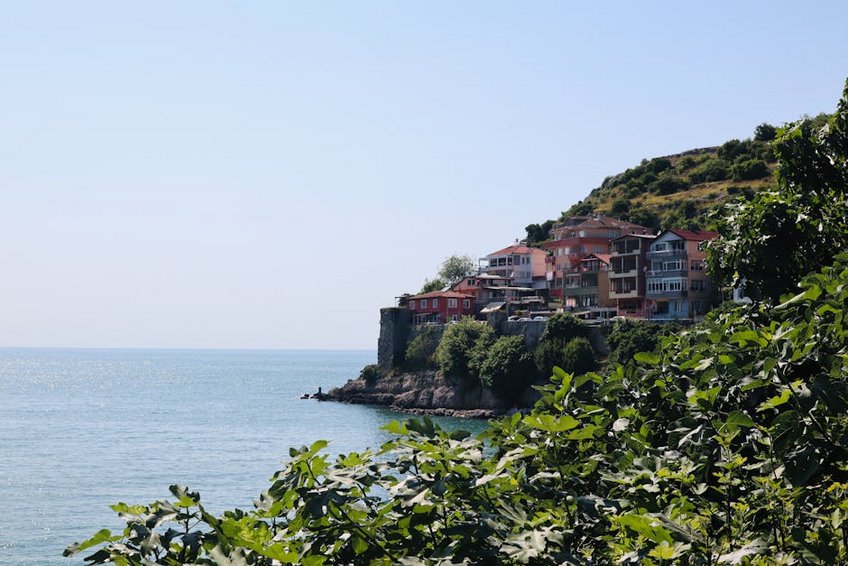
Alt: “black-sea-region-turkey-mountain-village-tea-plantations”
Quiet Village Routes in the Black Sea Region – Planning Your Trip
Successfully navigating the Quiet Village Routes in the Black Sea Region requires thoughtful preparation. You must account for variable weather, limited tourist infrastructure, and remote locations. A flexible itinerary and advance bookings for key lodgings are essential.
Focus your route on a specific section, like the area between Rize and Artvin, rather than trying to cover the entire coast. Renting a car provides necessary freedom, though comfortable buses connect major towns. Always carry some Turkish Lira in cash for small villages.
Best Time to Visit the Black Sea Villages
Visit between late May and early October for the most accessible conditions. July and August offer the warmest weather, around 75°F (24°C), but also see the most rain and some domestic tourists. Mountain roads and high yaylas are fully open during this period.
Shoulder seasons in May-June and September-October provide cooler temperatures of 60-70°F (15-21°C) with fewer visitors. Trekking paths are clear, and autumn brings stunning foliage. Winter travel is only advisable for specific ski resorts or cultural visits to lower towns.
Budget Planning and Costs
Daily costs vary significantly based on your travel style.
Essential Preparation Checklist
Pack waterproof layers, sturdy hiking shoes, and quick-dry clothing due to the humid climate. Include a universal power adapter (Turkey uses Type F sockets, 220V) and a detailed offline map app like Maps.me. Good quality rain gear is non-negotiable.
U.S. and EU passport holders do not need a visa for tourist stays under 90 days. Ensure your travel insurance covers hiking and potential road trip incidents. Book rental cars and key accommodations at least two months in advance for summer travel.
Top Routes and Village Experiences
The region is best explored through specific scenic circuits that connect valleys, plateaus, and coastal points. Each route offers a different perspective, from deep gorges to panoramic mountain vistas. Allow at least three to five days to appreciate any single area properly.
Driving or hiking these paths reveals stone arch bridges, waterfall trails, and centuries-old churches. Travel slowly and be prepared to stop frequently for photos or tea invitations. The journey itself is the primary attraction here.
Must-See Village Circuits
The Kaçkar Mountain circuit from Çamlıhemşin is a premier route. It includes villages like Şenyuva, home to a stunning Ottoman bridge, and leads up to elevated yaylas like Pokut and Samistal. These high pastures are accessible from June to September.
The Ayder Plateau area serves as a gateway for numerous walks. A day hike to the nearby Çat Valley showcases traditional Hemşin houses and pristine landscapes. The plateau itself has developed facilities but remains a beautiful base.
Further east, the Macahel Valley near the Georgian border is incredibly remote and biodiverse. Access requires planning but rewards with untouched villages like Camili. This area is a UNESCO Biosphere Reserve.
Hidden Gems and Lesser-Known Paths
For solitude, explore the backroads between İkizdere and Çayeli. This area features stunning tea terraces and villages like Şimşirli that see very few foreign visitors. The old stone road network here is perfect for gentle hiking.
The coastal stretch near Hopa and Kemalpaşa offers a different vibe, with small fishing communities and Laz cultural sites. Visit the castle at Pazar or find quiet pebble beaches. This area provides a coastal counterpoint to the mountain routes.
Guided Trekking vs. Independent Exploration
Guided multi-day treks are excellent for the high Kaçkar trails, where route-finding can be challenging. Reputable local operators provide guides, permits, and mule support. This is recommended for trails above 2,500 meters.
Independent exploration is perfectly feasible for lower valley routes and village-hopping by car. Marked day-hike trails are plentiful around Ayder and Çamlıhemşin. Always inform your guesthouse of your planned route before setting out.
Practical Travel and Logistics
Reaching the region typically involves flying into Trabzon (TZX) airport, the main international gateway. From there, you can rent a car or take a bus to regional hubs like Rize or Ardeşen. Internal flights to Hopa or Artvin are less frequent.
Accommodation ranges from basic village guesthouses to elegant boutique hotels in restored Ottoman houses. Book everything in advance during July, August, and during local festival periods. English is not widely spoken, so a translation app is helpful.
| Transportation Method | Key Details & Routes | Approximate Cost (USD) |
|---|---|---|
| Rental Car | Essential for village routes; book automatic transmission early; unlimited mileage recommended. | $30-$50 per day |
| Inter-City Bus | Comfortable coaches connect Trabzon, Rize, Hopa, and Artvin; run frequently. | $5-$15 per segment |
| Local Dolmuş (Minibus) | Reaches villages from town centers; schedules are flexible and fill quickly. | $1-$3 per ride |
| Private Taxi/Tour | Can be hired for day trips to specific valleys or for door-to-door service. | $60-$120 per day |