Göbekli Tepe Travel Guide: Exploring Humanity’s Oldest Temple
Your journey to Göbekli Tepe transports you to the very dawn of human civilization, standing before monumental stone pillars carved over 11,000 years ago. This archaeological marvel in southeastern Turkey fundamentally rewrites the story of societal development, predating Stonehenge by six millennia and the Egyptian pyramids by seven. This Göbekli Tepe travel guide provides the essential planning details, historical context, and logistical tips you need to navigate this profound UNESCO World Heritage site and the surrounding region of Şanlıurfa effectively.
Essential Historical and Cultural Context
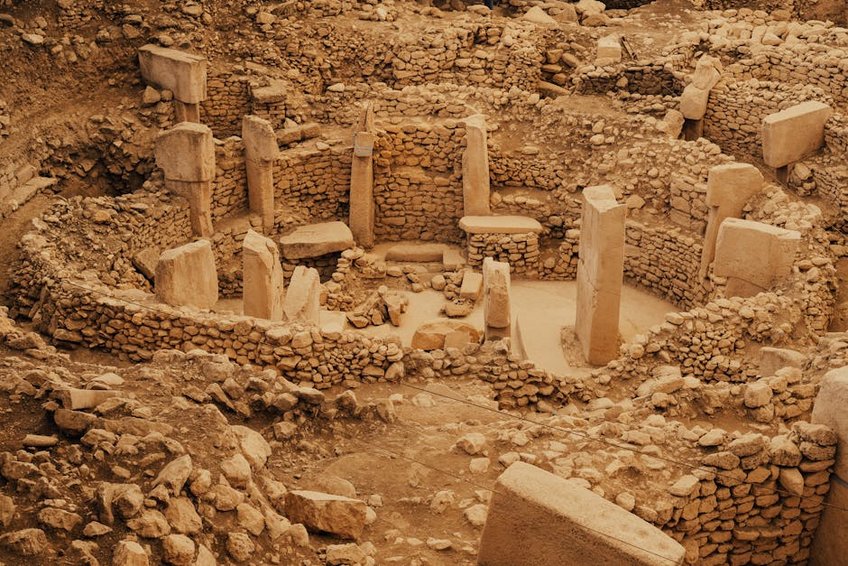
Discovered in 1994, the site’s significance lies in its staggering age and complexity, challenging previous theories that agriculture led to complex religion and society. Archaeologists now suggest the reverse may be true: the communal effort to build these ritualistic structures may have spurred the development of settled life. The T-shaped limestone pillars, some weighing over 16 tons, feature intricate carvings of animals, abstract symbols, and humanoid forms, representing a sophisticated symbolic world view.
The site’s construction required a level of social organization and resource mobilization previously thought impossible for prehistoric hunter-gatherers. Ongoing excavations by the German Archaeological Institute continue to reveal new enclosures, suggesting the complex is far larger than initially understood. Your visit connects you directly with humanity’s earliest known attempt to build something permanent and meaningful, a spiritual endeavor that set our species on a new path.
What Makes This Site Unique
Understanding key facts enhances appreciation for these ancient ruins.
- Göbekli Tepe is the world’s oldest known megalithic structure, with its oldest layers dated to approximately 9600 BCE, which places it firmly in the Pre-Pottery Neolithic period.
- The architectural plan is highly sophisticated, consisting of multiple circular and oval enclosures defined by massive T-shaped pillars, with two larger central monoliths surrounded by smaller ones set into walls.
- Deliberate backfilling around 8000 BCE mysteriously buried the entire site, which acted as a perfect preservation method for millennia until its modern rediscovery.
- Budget: $50-70/day. Includes shared taxi to site (~$15 roundtrip), entry ticket (~$5), self-guided tour, street food meals, and hostel dorm. Focus spending on the entry and transport, using free resources like museum audio guides.
- Mid-Range: $90-120/day. Covers private taxi or guided tour from Urfa (~$40-60), site entry, lunch at a local restaurant, 3-star hotel, and admission to the Şanlıurfa Museum. This offers the best balance of comfort and insight.
- Luxury: $130-150+/day. Features a private driver and specialist archaeology guide, multi-site tours including Harran, fine dining, and a stay at a top hotel in Urfa. This tier provides deep contextual understanding and maximum convenience.
- UNESCO World Heritage Centre – Göbekli Tepe
- German Archaeological Institute (DAI) – Göbekli Tepe Project
Key Archaeological Insights
The animal carvings dominate the iconography, featuring foxes, boars, snakes, cranes, and wild ducks, but notably no domesticated species. This reinforces the builder’s identity as hunter-gatherers. Meanwhile, the abstract “H” symbols, crescents, and disks remain undeciphered. Archaeologist Klaus Schmidt’s pioneering work proposed the site was a ceremonial center or temple, a theory widely accepted today. However, the full purpose and the nature of the rituals performed there remain one of archaeology’s greatest puzzles.
The Region of Şanlıurfa
Göbekli Tepe is intrinsically linked to the city of Şanlıurfa, often called the “City of Prophets.” Local tradition identifies Urfa as the birthplace of the prophet Abraham. The city’s own history stretches back thousands of years, with its own archaeological museum housing priceless finds from the temple site. Your visit is incomplete without exploring Urfa’s bustling bazaars, sacred fish ponds, and cave of Abraham, creating a full historical and cultural immersion.
Alt: “gobekli-tepe-t-shaped-pillars-sunset-archaeological-site”
Göbekli Tepe Travel Guide – Planning Your Trip
Planning a visit to this remote archaeological wonder requires specific knowledge. The site is located approximately 15 kilometers northeast of Şanlıurfa’s city center, with no public transportation running directly to the entrance. Most international travelers fly into either Şanlıurfa GAP Airport (GNY) or the larger Adıyaman Airport (ADF), followed by a drive. You must coordinate your arrival with the site’s visiting hours and seasonal weather patterns for a comfortable experience.
Your budget should account for entrance fees, transportation from Urfa, and potentially a knowledgeable guide to interpret the complex iconography. While the ruins themselves are the primary draw, allocating at least two full days for the region allows time for the superb Şanlıurfa Archaeology Museum and other local sites like Harran. Booking accommodation in central Urfa provides the best access to restaurants and other services.
Best Time to Visit Göbekli Tepe
The ideal months for a visit are April, May, October, and November. During these periods, daytime temperatures range from a pleasant 65°F to 80°F (18°C to 27°C), making exploration of the exposed hilltop site comfortable. Summer months, especially July and August, are intensely hot, with temperatures regularly exceeding 100°F (38°C) and minimal shade available on-site, which can be prohibitive for extended visits.
Spring offers the added bonus of green landscapes and wildflowers. Winter visits in December and January are possible but colder, with highs around 50°F (10°C) and a chance of rain. The site is open year-round, but always check for unexpected closures on national holidays or for ongoing archaeological work, which can occasionally limit access to certain enclosures.
Budget Planning and Costs
A visit costs between $50 and $150 per person per day from Şanlıurfa.
Essential Preparation Checklist
Pack for a dry, rugged outdoor site. Sturdy, closed-toe walking shoes are non-negotiable for uneven terrain. Bring a sun hat, high-SPF sunscreen, and sunglasses, as shade is extremely limited. Carry at least one liter of water per person; there are no water fountains on the hilltop. A lightweight scarf is useful for sun protection and for covering shoulders if visiting nearby religious sites in Urfa afterward.
Ensure your passport is valid for entry to Turkey; most Western nationals can obtain an e-Visa online before travel. While not mandatory, hiring a licensed guide at the site entrance is highly recommended to unlock the layers of meaning behind the carvings. Book your accommodation in Şanlıurfa in advance, especially if traveling during the pleasant spring or fall seasons. Comfortable clothing that breathes is key for a full day of exploration.
Top Attractions and Activities
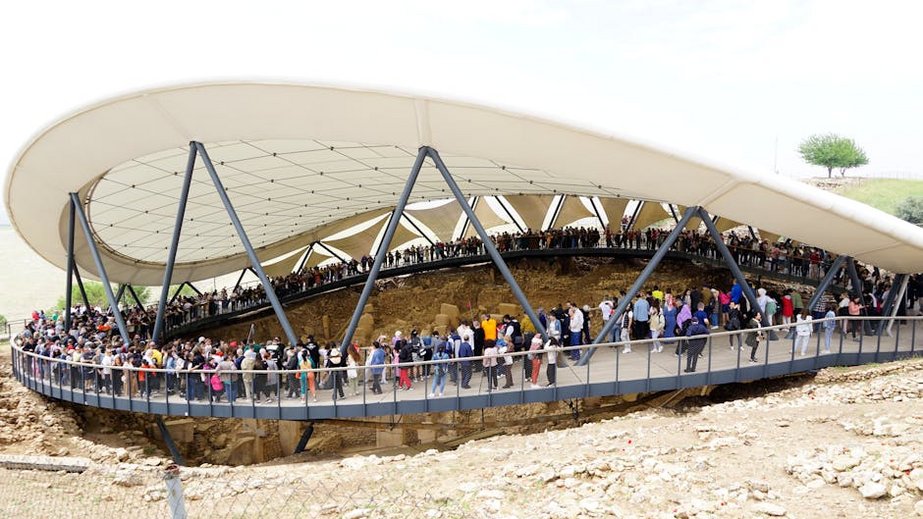
The primary activity is, of course, exploring the excavated enclosures on the main hilltop. The modern protective canopy shields the most impressive pillars. Walkways allow you to view the massive stones up close. Spend time observing the detailed reliefs of scorpions, birds, and abstract symbols. The view from the hilltop across the surrounding Mesopotamian plains is starkly beautiful and helps contextualize the site’s prominent location.
The newly opened visitor center at the base of the hill provides essential context through models, maps, and explanatory panels. It is advisable to visit the center either before or after your hilltop tour to frame what you are seeing. Beyond the main temple complex, the surrounding landscape holds numerous other “tepe” (hill) sites that are part of the Taş Tepeler (Stone Hills) project, though most are not yet open to the public.
Must-See Highlights at the Site
Enclosure D is the largest and most iconic, featuring two central pillars over 5.5 meters tall. The detailed carvings on these central monoliths, including belts and arms, suggest stylized human forms. The surrounding pillars are rich with animal reliefs. Enclosure C contains the famous “Pillar of the Fox” and other well-preserved sculptures. The site’s museum-quality replicas and information boards help identify the key features in each excavated area.
The archaeological cutaways showing the stratigraphy reveal the different construction phases. Look for the layers of backfill that preserved the site. The view from the southeastern corner of the site offers a panoramic vista of the entire complex under its canopy and the arid plains beyond, emphasizing the site’s deliberate placement on the horizon.
Hidden Gems and Local Favorites
While in Şanlıurfa, the Archaeology and Mosaic Museum is an absolute must. It houses the stunning “Göbekli Tepe Room” with full-scale reconstructions of the enclosures and all the original “Totem” pillars and statues found on-site, presented in a climate-controlled, dramatic setting. This museum experience complements the outdoor visit perfectly. The Balıklıgöl complex, with its sacred fish ponds and cave, provides a deep dive into local Islamic and Abrahamic traditions.
A short drive away, the ancient beehive houses of Harran offer a glimpse into a unique architectural tradition. The nearby site of Karahan Tepe, part of the same Neolithic complex, is beginning to open to researchers and may offer future visiting opportunities. For a culinary deep dive, explore the backstreets of Urfa’s bazaar for authentic lahmacun and the city’s famed isot pepper.
Photography Tips and Guidelines
Photography for personal use is permitted throughout the site. The best light for photographing the pillars is early morning or late afternoon, when the sun creates longer shadows that highlight the carvings. A circular polarizing filter can help reduce glare on the limestone. Drones are strictly prohibited over the archaeological area. Remember to capture the scale by including people in some shots, and focus on the intricate details of the animal reliefs on the pillars.
Practical Travel Information
Şanlıurfa is the gateway city. The most efficient route is flying domestically from Istanbul (IST or SAW) to Şanlıurfa GAP Airport (GNY), a flight of about two hours. Several airlines offer daily connections. From the airport, a taxi to downtown Urfa takes 30-40 minutes. You can also fly into Adıyaman and drive 1.5 hours, or take a long-distance bus from major Turkish cities like Ankara or Gaziantep.
Once in Urfa, you need arranged transport to Göbekli Tepe. Public buses do not go directly to the site. The most common options are hiring a taxi for a roundtrip with waiting time, joining a pre-arranged guided tour from your hotel or a local agency, or renting a car for maximum flexibility to also visit Harran. The drive from central Urfa takes about 30 minutes.
| Accommodation Type | Location & Features | Price Range (USD/Night) |
|---|---|---|
| Budget Guesthouse | Central Urfa near bazaar, basic rooms, shared bathroom, includes breakfast. | $25 – $40 |
| Mid-Range Hotel | Modern hotels in city center, private bathroom, AC, on-site restaurant, pool. | $60 – $100 |
| Luxury Hotel | 5-star properties with spa, multiple dining options, panoramic views, concierge. | $120 – $200+ |
| Airbnb/Apartment | Full apartments with kitchenette in residential areas, suitable for longer stays. | $40 – $80 |