Patara Travel Guide: Exploring Turkey’s Ancient Beach Gem
Patara offers a unique blend of historical significance and natural beauty on Turkey’s Turquoise Coast. This destination combines 12 miles of pristine sandy beach, one of the Mediterranean’s longest, with the extensive ruins of a once-powerful Lycian city. Your trip provides archaeological exploration, coastal relaxation, and immersion in a protected national park environment within a single, accessible location.
Essential Historical and Natural Context
Patara served as the capital of the Lycian League in ancient times and was a major port city. Its historical importance is underscored by its role as the birthplace of Saint Nicholas, who later inspired the legend of Santa Claus. The city’s decline began after harbor siltation, which ironically preserved its ruins and created the massive beachfront seen today.
The entire area now operates as a protected national park, safeguarding both its archaeological treasures and critical nesting grounds for loggerhead sea turtles (Caretta caretta). This dual status influences all visitor regulations, especially beach access times during turtle nesting season from May to October. Preservation efforts create a less commercialized atmosphere compared to other Turkish resort towns.
Key Details for First-Time Visitors
Understanding the site’s layout and rules enhances your visit significantly.
- The archaeological site and beach are interconnected but have separate access points controlled by a single admission ticket, valid for both areas on the same day.
- Summer visits require strict adherence to beach timings, typically closure from dusk until dawn, to protect turtle nesting activities monitored by conservation teams.
- Facilities are minimal inside the park; bring ample water, sun protection, and snacks, though small cafes exist near the entrance.
- Budget travelers can manage on $40-60 USD per day by staying in guesthouses in Gelemiş village, using public dolmuş transport, eating at local kebab houses, and purchasing the site entry ticket which covers both ruins and beach access.
- Mid-range visitors spending $100-180 USD daily can choose boutique hotels in Kalkan with pools, enjoy meals at quality restaurants with sea views, rent a car for regional exploration, and join guided historical tours for deeper context.
- Luxury experiences at $250-400+ USD per day include five-star villa accommodations with private services, fine dining with gourmet Turkish cuisine, private yacht trips along the coast, and personalized guided tours with archaeological experts.
- Turkish Ministry of Culture and Tourism
- Lonely Planet – Patara Travel Information
- Dare to Go Beyond – Patara Guide
Climate and Weather Patterns
Patara experiences a classic Mediterranean climate characterized by hot, dry summers and mild, wet winters. Summer temperatures from June through August regularly reach 86-95°F (30-35°C) with intense sunlight and minimal rainfall. The coastal location generates consistent sea breezes that provide some relief during the hottest parts of the day.
Spring (April-May) and autumn (September-October) offer ideal conditions with temperatures between 68-82°F (20-28°C). These shoulder seasons provide comfortable weather for exploring ruins and enjoying the beach with far fewer visitors. Winter brings cooler temperatures of 50-60°F (10-15°C) and increased rainfall, though sunny days are still common.
Local Transportation and Access
Patara village itself is small, with most services clustered along the main road leading to the site entrance. The nearest major towns are Kalkan, 15 minutes east by car, and Fethiye, about an hour’s drive north. Public transportation consists mainly of dolmuş (shared minibuses) running between these towns and the Patara junction.
Having a rental car provides maximum flexibility for exploring the wider Teke Peninsula region. Parking is available near the site entrance for a small daily fee. Taxis can be arranged from Kalkan but are less readily available for return trips, so pre-booking is advisable.
Alt: “patara-ancient-ruins-sandy-beach-mediterranean-coastline”
Patara Travel Guide – Planning Your Trip
Effective planning for this destination requires balancing archaeological interests with beach time while respecting conservation rules. Your itinerary should allocate at least one full day to properly experience both the ruins and the shoreline. Visitors often underestimate the site’s sheer size; the main street alone stretches nearly 700 feet from the theater to the harbor area.
Booking accommodation in nearby Kalkan or the smaller Gelemiş village provides more dining and lodging options. The Patara beach itself has no directly adjacent hotels due to protection statutes. Advance planning is crucial for summer visits, as the beach has a daily visitor cap to minimize environmental impact during sensitive turtle nesting periods.
Best Time to Visit Patara
The optimal months for a visit are May, June, September, and early October. These periods offer warm, sunny weather with temperatures of 73-84°F (23-29°C), perfect for both sightseeing and swimming. Crowds remain manageable compared to the peak July-August season, and accommodation prices are typically 20-30% lower.
July and August bring the hottest weather and maximum visitor numbers, requiring early arrival to secure beach access before potential daily caps are reached. The winter months from November to March see very few tourists, with some site facilities operating reduced hours, but offer peaceful exploration of the ruins in cool, crisp conditions.
Budget Planning and Costs
Daily costs vary significantly based on accommodation choices and dining preferences.
Essential Preparation Checklist
Pack sturdy, comfortable walking shoes for uneven archaeological terrain and sand-friendly footwear for the beach. Bring high-SPF sunscreen, a wide-brimmed hat, and a reusable water bottle, as shade is limited across the extensive site. A lightweight backpack is ideal for carrying supplies throughout the day.
Ensure you have Turkish Lira (TRY) cash for smaller vendors, parking fees, and dolmuş fares, though credit cards are widely accepted in Kalkan. Download offline maps of the region, as cellular service can be spotty within the park boundaries. If visiting between May and October, pack a headlamp or flashlight if you plan to be out near the beach closure time.
Top Archaeological Sites and Natural Attractions
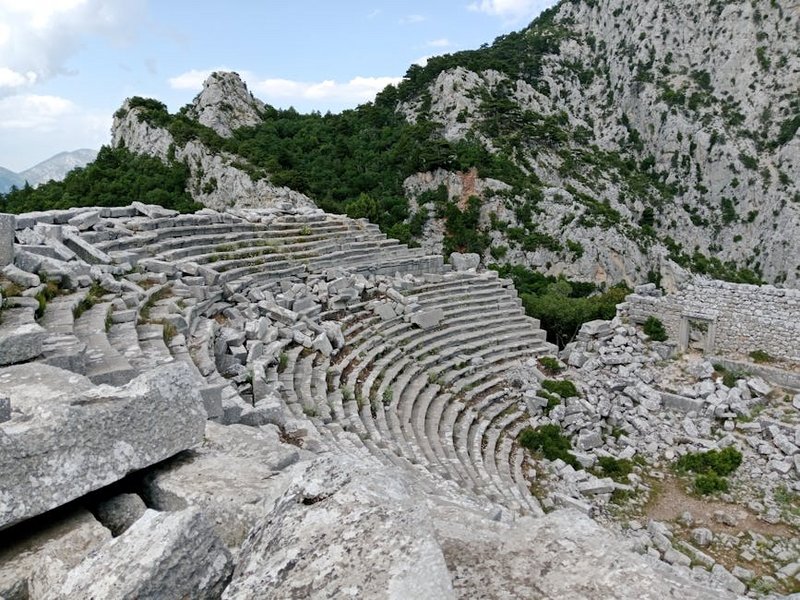
The archaeological zone reveals layers of history from Lycian, Roman, and Byzantine periods across a sprawling landscape. Start at the beautifully restored Roman-era theater, which offers panoramic views over the entire site toward the sea. From there, walk the ancient main colonnaded street, lined with remnants of shops and public buildings, leading directly to the former harbor area.
The beach itself represents a major attraction, renowned for its fine golden sand and gradual shelf into clear turquoise waters. Its immense length ensures you can always find a quiet spot, even during busier periods. Behind the beach, parabolic sand dunes create a striking desert-like landscape, popular for photography, especially during sunset.
Must-See Historical Highlights
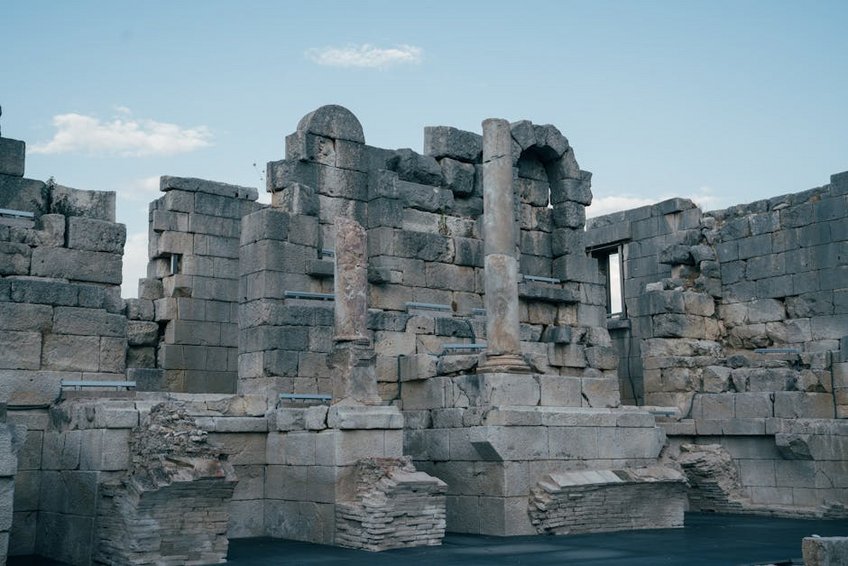
The Triumphal Arch of Mettius Modestus, built around 100 AD, marks the formal entrance to the ancient city and remains impressively intact. The nearby Roman baths complex showcases advanced hydraulic engineering with separate cold, warm, and hot rooms. A Lycian-era sarcophagus with intricate relief carving stands near the agora, illustrating pre-Roman burial customs.
The Bouleuterion (council house) is one of the oldest parliamentary buildings in the world, highlighting Patara’s political significance. The ancient lighthouse, currently undergoing reconstruction, is considered one of the earliest known. The extensive granary built by Emperor Hadrian demonstrates the city’s role as a crucial grain storage and distribution hub for the Roman eastern Mediterranean.
Hidden Gems and Local Favorites
Venture to the less-visited western end of the archaeological site to find the remains of a Byzantine basilica with some mosaic flooring still visible. A small hill near the theater provides a superb vantage point for photography, capturing the ruins with the beach and Mediterranean as a backdrop. This spot is particularly magical during the golden hour before sunset.
In Gelemiş village, seek out small family-run restaurants serving gözleme (hand-rolled savory pancakes) and fresh ayran (yogurt drink). A short drive inland leads to the start of the Lycian Way hiking trail, with initial segments offering beautiful views back toward Patara beach. Local guides sometimes offer early-morning birdwatching walks in the national park’s wetland areas.
Beach and Conservation Experience
Beach access follows a wooden walkway over the dunes to protect the fragile ecosystem. Once on the sand, you’ll find designated swimming areas and basic sunbed rentals at the central section. The water remains shallow for a long distance, making it exceptionally safe for families. Currents are generally mild, though always observe any posted flag warnings.
The beach operates under the protection of the Sea Turtle Conservation Foundation. During nesting season, marked-off cordons protect turtle nests; these areas are strictly off-limits. Visitors may have the rare opportunity to join a monitored hatchling release event in late summer, though these require arrangement through official conservation channels.
Practical Travel and Logistics Information
Reaching Patara typically involves flying into Dalaman Airport (DLM), the primary international gateway for the region. Direct transfers from the airport take approximately 1.5 to 2 hours by road. Alternatively, Antalya Airport (AYT) is a larger hub about a 3-hour drive east, offering more flight options but a longer transfer time to the site.
Accommodation ranges from basic pensions in Gelemiş village to luxurious boutique hotels and self-catering villas in Kalkan. Kalkan provides a wider selection of restaurants, bars, and shopping, while Gelemiş offers proximity to the ruins and a quieter, more rustic atmosphere. Book several months in advance for peak summer stays, especially for preferred villa properties.
| Category | Options and Features | Price Range (USD) |
|---|---|---|
| Site Admission | Single ticket covers ruins & beach, valid all day, includes parking | $8-10 |
| Guided Tours | Half-day historical tours, small group or private, English-speaking guide | $30-80 per person |
| Beach Amenities | Sunbed & umbrella rental, basic changing facilities, small cafe | $5-8 for two beds |
| Regional Transport | Dolmuş minibus, taxi from Kalkan, daily car rental | $4-15 per trip / $30-50 daily rental |