Kemer Travel Guide: Your Coastal Gateway to Turkish Riviera Adventures
Kemer serves as a premier travel destination along Turkey’s stunning Turquoise Coast, blending vibrant beach resorts with immediate access to ancient Lycian ruins and dramatic mountain trails. This comprehensive guide details everything from navigating the modern marina to discovering secluded coves and planning day trips into the surrounding Taurus Mountains. You will find precise information on seasonal weather patterns, accommodation across all budgets, and strategies for experiencing both Kemer’s lively nightlife and its tranquil natural settings.
Essential Kemer Information
Kemer is a resort town in Antalya Province, situated approximately 40 kilometers southwest of Antalya city. Framed by the Beydağları Mountains and the Mediterranean Sea, its development as a modern tourism hub began in the 1980s. Today, it’s a key stop on the Lycian Way hiking trail and a popular base for exploring the wider region.
The town’s infrastructure is designed for visitors, featuring a long pebble beach, a large marina full of yachts, and a well-maintained promenade. Its climate is classic Mediterranean, with hot, dry summers and mild, wetter winters. This climate supports a long tourism season, typically running from April through October.
Understanding Kemer’s dual identity is crucial for planning. One facet is the bustling, hotel-lined beach front perfect for sun seekers. The other is its role as a gateway to Phaselis, Olympos, and the Çıralı beach where the eternal flames of Yanartaş burn. Balancing time between relaxation and exploration defines a successful visit.
Geography and Climate – What You Need to Know
Kemer’s environment directly shapes the travel experience.
- Coastal Setting: The town stretches along a coastline backed by the Taurus (Beydağları) Mountains, creating stunning vistas and providing shelter from northerly winds, resulting in calm seas ideal for swimming and boating.
- Mediterranean Climate: Summers are hot and arid, with July-August averages of 86-95°F (30-35°C). Winters are mild, with January averages of 50-59°F (10-15°C) and increased rainfall, making spring and autumn the most comfortable seasons for active pursuits.
- Natural Proximity: You are within a 30-minute drive of three major natural/historical sites: the ancient harbor city of Phaselis, the treehouse hostel ruins of Olympos, and the natural gas vents of Yanartaş (Chimera).
- Budget Traveler ($50-70/day): Stay in a hostel or guesthouse in the town center, eat at local lokantas and street vendors, use public dolmuş for transport, and focus on free activities like hiking and public beaches. This budget covers basic needs comfortably.
- Mid-Range Traveler ($100-180/day): This allows for a comfortable 3-4 star hotel, meals at a mix of casual and mid-range restaurants, occasional taxi rides, and paid activities like guided boat trips or entrance to Phaselis. You’ll enjoy convenience without luxury.
- Luxury Traveler ($250+/day): Stay at a 5-star all-inclusive resort or a boutique hotel with sea views, dine at fine-dining restaurants, hire a private boat or guide for excursions, and enjoy spa treatments. This tier offers maximum comfort and exclusive experiences.
- Republic of Turkey Ministry of Culture and Tourism – Antalya Portal
- Lonely Planet – Turquoise Coast Travel Information
- The Lycian Way Official Hiking Guide
A Brief Historical Context
While modern Kemer is young, its surroundings are steeped in ancient history. The area was part of ancient Lycia, a powerful federation of city-states. The nearby ruins of Phaselis, founded around 700 BC, was a major trading port. Meanwhile, Olympos was another significant Lycian city, later associated with pirates and Roman rule.
The modern town’s name comes from the “kemer” (Turkish for belt or arch), referencing a stone flood barrier built in the early 20th century to protect farmland. Large-scale tourism development transformed the area from a small village into an international resort, with careful planning that integrated green spaces and mountain views into its design.
Local Culture and Vibe
Kemer’s atmosphere is decidedly tourist-focused but retains a relaxed Turkish coastal charm. The nightlife is concentrated around the marina and beach bars, offering a lively but generally family-friendly scene compared to some other Mediterranean party hubs. Daytime vibes are laid-back, centered on beach activities, boat trips, and cafe culture.
You will notice a blend of cultures, with signage in Turkish, English, German, and Russian reflecting its primary visitor demographics. While it’s a resort, venturing just a few blocks inland or to the local Tuesday market provides more authentic glimpses of daily life. Respectful dress is appreciated away from the immediate beachfront, especially when visiting villages or mosques.
Alt: “kemer-turkey-coastal-view-marina-taurus-mountains”
Kemer Travel Guide – Planning Your Trip
Crafting your itinerary for this Turkish Riviera hub requires matching your interests with the right season and base. The town itself is compact and easily walkable, but its greatest treasures lie in the surrounding landscapes and archaeological parks. A successful visit combines scheduled tours with ample time for spontaneous beach days and promenade strolls.
Budget considerations are straightforward, with costs generally lower than Western European resorts but higher than other parts of Turkey. Your largest expenses will be flights and accommodation, while local food, public transport, and museum entries remain very affordable. Booking key activities like boat tours or rental cars a few days in advance is wise during peak season.
This Kemer travel guide emphasizes practical logistics. For instance, the local dolmuş (shared minibus) system efficiently connects you to nearby attractions, offering an authentic and inexpensive travel mode. Similarly, purchasing a museum pass can save money if you plan to visit multiple archaeological sites in the region.
Best Time to Visit Kemer
The ideal period for a beach-focused holiday is between late May and late September, when sea temperatures are warmest, averaging 75-82°F (24-28°C). July and August guarantee hot, sunny weather perfect for swimming but bring the largest crowds and highest prices. This is peak season, where booking everything months ahead is essential.
For hiking, sightseeing, and a more relaxed pace, target the shoulder seasons: April-May and late September-October. Daytime temperatures range from a pleasant 68-80°F (20-27°C), crowds are thinner, and accommodation rates drop. The sea remains swimmable well into October. Winters are quiet and wet but offer a unique opportunity to experience local life and dramatic mountain scenery without tourists.
Budget Planning and Costs
Daily costs vary dramatically based on your travel style.
Essential Preparation Checklist
Pack for a sun-and-sea holiday with adventure extras. Essentials include high-SPF sunscreen, a sun hat, swimwear, comfortable walking shoes for ruins and hiking, and a light jacket for cooler evenings or mountain trips. A waterproof phone case, power bank, and European-style Type C/F power adapter are also highly recommended.
Ensure your passport is valid for at least six months beyond your entry date. Most nationalities can obtain an e-Visa online before arrival. Travel insurance that covers medical emergencies and activity-related incidents is crucial. Book your initial airport transfer in advance for peace of mind, and consider downloading offline maps of the region.
Top Attractions and Activities
The area surrounding this coastal town delivers an impressive array of experiences, from underwater exploration to time-traveling through ancient cities. While the beachfront offers relaxation, the region’s true character is revealed through its natural and historical sites. Allocate at least half your trip to ventures beyond the resort center.
Active travelers will find endless options, including marked sections of the 540-kilometer Lycian Way trail that pass directly above the town. Meanwhile, history enthusiasts can spend days exploring the successive ruins of Greek, Roman, and Lycian civilizations preserved in the coastal landscape. Each site has its own unique atmosphere and access considerations.
Must-See Historical Highlights
Phaselis is the unmissable archaeological site, located 15 minutes north. This ancient harbor city features three bays, a grand Roman aqueduct, a well-preserved theater, and colonnaded streets. Visit early morning to avoid tour buses and enjoy swimming in its crystal-clear coves. Entrance is about $8.
The ruins of Olympos, 40 minutes south, offer a different vibe, set within a lush valley leading to a beautiful beach. Explore the scattered remains of temples, baths, and a theater engulfed by trees. The site is famously paired with nearby Çıralı beach and the eternal flames of Yanartaş (Chimera), best visited at dusk. A combined ticket costs around $10.
For a deeper dive, visit the Antalya Museum, a 45-minute drive away. It houses an exceptional collection of statues, sarcophagi, and artifacts from Perge, Aspendos, and other regional sites, providing essential context for the ruins you’ll see. Allow 2-3 hours for a thorough visit.
Natural Wonders and Outdoor Adventures
Take a boat trip from Kemer marina to discover hidden bays and islands. Standard “12-island” tours include lunch, swimming stops, and views of the stunning coastline. For more solitude, charter a smaller private boat to visit places like Suluada (“Water Island”), known for its spring water and pristine environment.
Hike a section of the Lycian Way. The trail from Tekirova to Çıralı offers breathtaking coastal views and passes ancient sites. Alternatively, the climb from the Upper Olympos entrance to the Yanartaş flames is a shorter, rewarding hike. Always carry ample water, wear proper shoes, and start early to avoid the midday heat.
Explore the Göynük Canyon, located inland. This impressive gorge features hiking trails, waterfalls, and opportunities for canyoning and zip-lining. It’s a popular day trip for families and adventure seekers, offering a refreshing escape from the coastal heat into a pine-forested landscape.
Beaches and Water Activities
Kemer’s main beach is a long stretch of imported pebbles, lined with hotels offering sunbed rentals. The water is typically clear and calm. For a sandier experience, head to neighboring Çıralı Beach, a protected nesting ground for loggerhead turtles, or the expansive Lara Beach nearer to Antalya.
The marina is the hub for water sports, including jet skiing, parasailing, and banana boat rides. For a more immersive experience, several dive centers offer PADI courses and daily dives to local reefs and wrecks, suitable for beginners and certified divers alike. Snorkeling is also excellent at many of the rocky coves accessible by boat.
Practical Travel Information
Navigating Kemer and its surroundings is straightforward with a little planning. The town center and beachfront are easily explored on foot. For wider exploration, a combination of public dolmuş, taxis, and organized tours provides all necessary transport. Renting a car offers maximum freedom for visiting remote sites but is unnecessary if you plan to stay local.
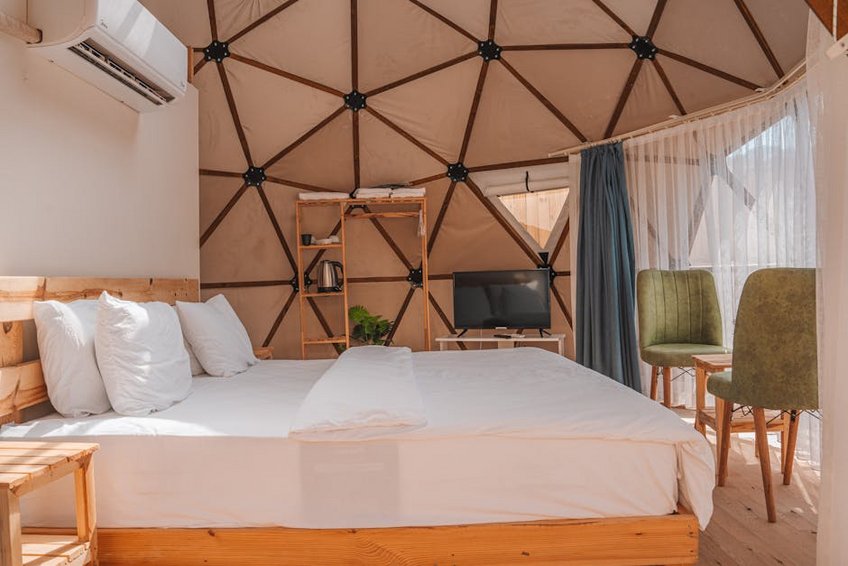
Accommodation options are diverse, ranging from all-inclusive mega-resorts to small family-run pensions. Location is key: staying near the marina puts you in the heart of the action, while choosing a hotel south towards Tekirova offers a quieter stay closer to nature sites like Olympos. Booking platforms show clear distinctions between these areas.
| Category | Options/Features | Price Range (USD/Night) |
|---|---|---|
| Budget Accommodation | Guesthouses & hostels in town center, basic amenities, shared facilities often available. | $25 – $50 |
| Mid-Range Hotels | 3-4 star hotels with pools, private balconies, breakfast included, short walk to beach. | $70 – $150 |
| All-Inclusive Resorts | Large complexes with multiple pools, restaurants, bars, entertainment, and private beach areas. | $120 – $300+ |
| Boutique & Luxury | Smaller design hotels, superior service, unique locations, and high-end spa facilities. | $200 – $500+ |