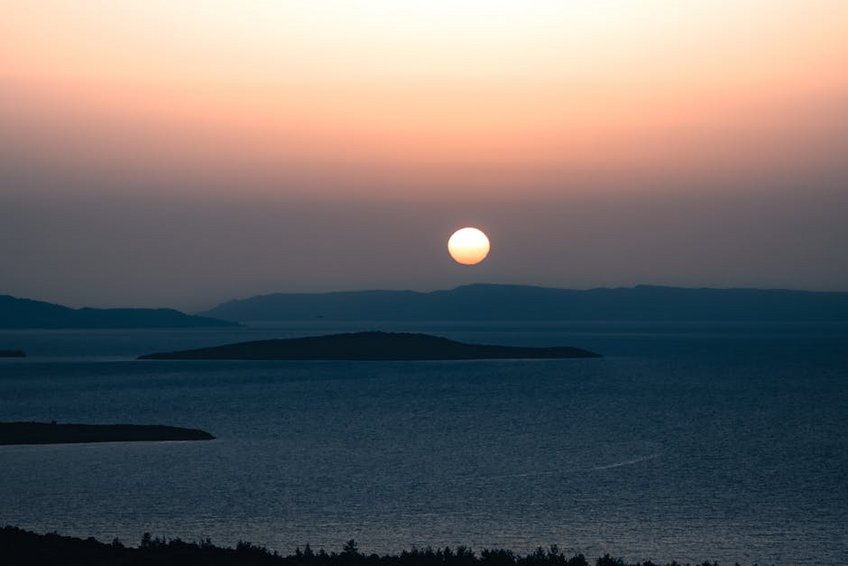
Ayvalik Travel Guide: Exploring the Aegean’s Hidden Gem
This Ayvalik travel guide introduces you to a captivating Turkish coastal town where history whispers from cobblestone streets and the scent of pine and saltwater fills the air. You will discover an archipelago of 22 islands, endless olive groves, and a unique architectural heritage born from its Greco-Turkish past. This guide provides the practical details and local insights you need for an authentic visit, covering everything from ferry schedules to the best olive oil tasting experiences.
Essential Ayvalik Information
Ayvalik sits on Turkey’s northwestern Aegean coast, within Balıkesir Province, facing the Greek island of Lesvos. The town’s character is defined by its history as a predominantly Greek settlement until the 1923 population exchange, leaving behind stunning stone mansions and over 20 historic churches. Today, it’s a beloved destination for domestic tourists and international travelers seeking an alternative to busier coastal resorts.
The local economy thrives on olive oil production, fishing, and tourism. Summers are warm and dry, perfect for island hopping, while spring and fall offer milder temperatures ideal for exploration. You will hear Turkish spoken, with basic English understood in most tourist areas and shops.
Key Historical and Cultural Context
Understanding the past enriches your visit to this distinctive town.
- The 1923 Treaty of Lausanne led to a mandatory population exchange, with Greek Orthodox residents departing for Greece and Muslim Turks from Crete and Lesvos settling in Ayvalik, creating a unique cultural fusion.
- Many former Greek Orthodox churches were converted into mosques, such as the Saatlı Mosque (formerly the Church of Ayios Yannis), which still features visible Christian iconography alongside Islamic calligraphy.
- The old town, known as Alibey (Cunda) Island, is connected by a causeway and preserves hundreds of meticulously restored stone houses, now operating as boutique hotels, cafes, and art galleries.
- Budget Traveler ($40-60/day): Stay in a hostel or guesthouse, enjoy street food and market picnics, use public *dolmuş* minibuses, and focus on free activities like hiking and beach access.
- Mid-Range Traveler ($80-150/day): Book a boutique hotel or apartment rental, dine at local restaurants, take occasional group boat tours, and rent a scooter for island exploration.
- Luxury Traveler ($200+/day): Reserve a seafront suite or restored mansion hotel, dine at upscale waterfront meyhanes, charter a private boat for the day, and hire a guide for historical tours.
- Republic of Turkey Ministry of Culture and Tourism
- Wikitravel – Ayvalik
Geographical Highlights and Landscape
Ayvalik’s landscape is a stunning mix of land and sea. The coastline is dotted with sandy beaches and secluded coves accessible by boat. Inland, the terrain rolls into hills covered with millions of olive trees, some centuries old.
The Ayvalık Islands Nature Park protects the marine ecosystem around the archipelago. These islands, the largest being Cunda (Alibey), offer pristine swimming spots and rustic tavernas. The contrast between the deep blue Aegean, green pine forests, and silver-green olive groves creates a photographer’s paradise.
Local Lifestyle and Vibe
The pace in Ayvalik is refreshingly slow. Mornings begin with fishermen hauling in their catch at the harbor. Days are spent browsing antique shops, swimming, or sipping Turkish coffee in a shaded plaza.
Evenings come alive with the ritual of *akşam gezintisi* (evening stroll) along the waterfront promenade. The atmosphere is more cultural and culinary than party-centric, appealing to travelers who enjoy authenticity over nightlife. You will find a warm, welcoming community proud of its unique heritage.
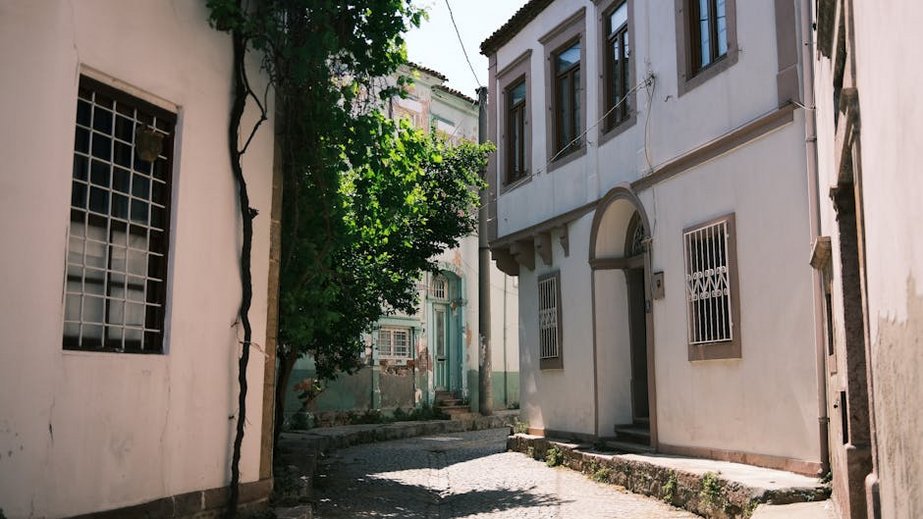
Alt: “ayvalik-turkey-harbor-view-old-stone-houses-and-boats”
Ayvalik Travel Guide – Planning Your Trip
Careful planning ensures you experience the best of Ayvalik’s dual charms: its vibrant mainland town and tranquil islands. Your itinerary should balance historical exploration with ample time for Aegean leisure. Advance booking is crucial for July and August, while shoulder seasons offer more flexibility and better value.
Budget considerations vary widely; self-catering in a stone house apartment can be very economical, while waterfront dining and private boat tours increase costs. This Ayvalik travel guide recommends allocating at least three full days to appreciate the area without rushing.
Best Time to Visit Ayvalik
The ideal visiting window is from late May to early October for reliable beach weather, with sea temperatures peaking in August. July and August are peak season, with daytime highs of 86-95°F (30-35°C), crowded beaches, and higher prices.
For the best balance, target the shoulder months of May, June, September, and early October. You will enjoy pleasant temperatures of 68-82°F (20-28°C), fewer crowds, and lower accommodation rates. The olive harvest from October to December offers a unique cultural experience, though some tourist services may be limited.
Budget Planning and Costs
Your daily budget depends heavily on accommodation style and dining choices.
Essential Preparation Checklist
Pack for a mix of cultural sightseeing and coastal relaxation. Essentials include comfortable walking shoes for cobblestones, swimwear, a sun hat, strong sunscreen, and a light cover-up for visiting mosques. A power adapter for Type F sockets (220V) is necessary for most international travelers.
Check visa requirements; many nationalities can obtain an e-Visa online before arrival. While not mandatory, travel insurance covering medical care is highly recommended. Book your first night’s accommodation in advance, especially if arriving late, and consider downloading the BiTaksi app for local taxi hailing.
Top Attractions and Activities
Ayvalik offers a rich tapestry of experiences, from wandering through living history to sailing across turquoise waters. The main attractions are seamlessly blended between the mainland and the connected islands. You can easily spend days exploring without repeating an activity.
Focus your time on the old town’s labyrinthine streets, the vibrant harbor, and at least one day dedicated to island hopping. Each island has its own character, from the bustling Cunda to the completely uninhabited and pristine ones further out.
Must-See Highlights
Begin at the Ayvalik Saatlı Mosque, a profound symbol of the town’s history. Next, climb to the Seytan Sofrasi (Devil’s Table) viewpoint for a panoramic vista of the entire archipelago—spectacular at sunset. The Taksiyarhis Church, a restored but unconsecrated museum, showcases breathtaking frescoes and architectural detail.
Dedicate a full day to Alibey (Cunda) Island. Stroll the seaside promenade, explore the Taş Kahve (Stone Cafe), and visit the Cunda Monastery ruins. Don’t miss the Ayvalık Bazaar for local products like olive oil soap, herbs, and textiles. Entry to most sites is inexpensive, often under $5 USD.
Hidden Gems and Local Favorites
Venture to the quieter Badavut Beach on the mainland’s southern coast for a long stretch of sand with family-run cafes. Seek out the quiet, cobbled backstreets behind the main market to find artisan workshops and charming courtyards unseen by most day-trippers.
For a unique swim, ask a local boat captain to take you to the “Aquarium” cove, known for its exceptionally clear water. Visit the Ayvalık Islands Nature Park information center to learn about the protected monk seal population and native bird species that inhabit the smaller islets.
Island Hopping and Boat Tours
The quintessential Ayvalik experience is a boat tour of the islands. Standard daily group tours cost $15-25 USD per person, including lunch and stops at 4-5 islands for swimming. They typically depart from the main harbor at 10:30 AM.
For more flexibility, charter a private wooden *gulet* with a small group. This allows you to customize your route, visit more secluded spots, and stay longer at your favorite coves. Prices start around $150-200 USD for a full-day charter for up to 8 people.
Practical Travel Information
Navigating Ayvalik is straightforward. The town center is compact and walkable, while the islands and outlying beaches require transport. The local *dolmuş* (shared minibus) network is efficient and very affordable, connecting the mainland to Cunda Island and nearby beaches.
Accommodation ranges from basic pensions to luxurious boutique hotels housed in historic buildings. For the most authentic stay, choose a renovated stone house in the old town on Cunda Island. Book at least two months in advance for summer visits.
| Category | Options/Features | Price Range (USD/Night) |
|---|---|---|
| Budget Guesthouse | Simple room, shared bathroom, often family-run, central location. | $25 – $45 |
| Boutique Hotel | Restored stone mansion, private bathroom, breakfast included, unique decor. | $70 – $150 |
| Self-Catering Apartment | Kitchenette, living space, ideal for longer stays, often in old town. | $50 – $100 |
| Seafront Resort | Private beach, pool, spa, multiple restaurants, on Sarimsakli Beach. | $120 – $300+ |