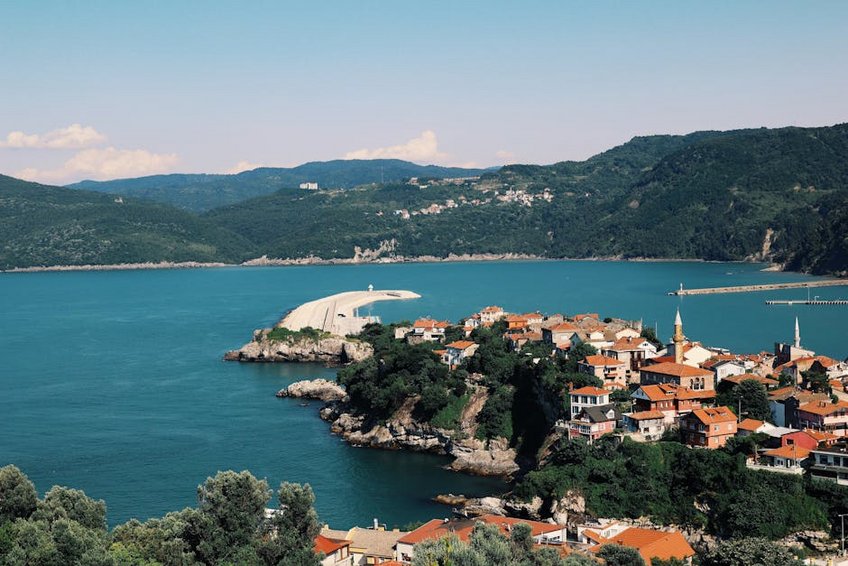
Amasra Travel Guide: Discover the Black Sea’s Historic Jewel
Amasra is a captivating coastal town nestled on the Black Sea, where Byzantine fortresses meet charming fishing harbors. This Amasra Travel Guide explores a destination offering both rich Ottoman-era history and stunning natural scenery along its sheltered bays. You will find practical advice on navigating its narrow stone streets, enjoying fresh seafood, and planning the perfect visit to this Turkish gem.
Essential Amasra Information
Perched on a rocky peninsula in Bartın Province, Amasra’s history stretches back to antiquity. The town was founded as Sesamos by the Milesians and later flourished under Roman, Byzantine, Genoese, and Ottoman rule. Its iconic fortress walls, which dramatically divide the two main harbors, stand as a testament to its strategic past.
Today, the town maintains a relaxed atmosphere distinct from Turkey’s Mediterranean resorts. The local economy revolves around fishing, tourism, and small-scale craftsmanship. Visitors should note that while summer sees an influx of domestic travelers, the shoulder seasons reveal a quieter, more authentic side of Black Sea life.
Historical Context and Significance
Understanding Amasra’s layers of history enriches any visit. Its most prominent features date from medieval periods when it was a key trading post.
- Byzantine & Genoese Fortifications: The massive castle walls and citadel overlooking the sea were primarily built and reinforced between the 9th and 14th centuries, controlling vital Black Sea trade routes.
- Ottoman Era: Sultan Mehmed II captured the town in 1460, integrating it into the Ottoman Empire; his famous quote, “Lala, Lala, Çeşm-i Cihan bu mu ola?” (Mentor, mentor, could this be the eye of the world?), is often associated with his first view of Amasra.
- Modern Transition: Following the Turkish War of Independence, Amasra evolved from a fortified port into a peaceful fishing town and emerging tourist destination, preserving its architectural heritage.
- Budget Traveler ($40-60/day): Stay in a basic guesthouse or pension, enjoy street food like balık ekmek (fish sandwiches), use public buses, and focus on free activities like hiking the fortress walls and public beaches.
- Mid-Range Traveler ($80-120/day): This allows for a comfortable hotel with sea views, daily restaurant meals featuring fresh seafood, occasional boat tours, and taxi rides for easier hill access.
- Luxury Traveler ($150+/day): Opt for a boutique hotel in a restored Ottoman house, private guided historical tours, fine dining with panoramic terraces, and private boat charters to explore secluded coves.
- Republic of Turkey Ministry of Culture and Tourism
- Wikitravel Amasra Guide
Geographical Layout and Neighborhoods
Amasra is uniquely situated on a narrow isthmus, creating its distinctive two-harbor layout. This geography defines its neighborhoods and visitor experience.
The main town centers around the Büyük Liman (Big Harbor), filled with restaurants and guesthouses. Across the peninsula lies the quieter Küçük Liman (Small Harbor), favored for swimming. The Boztepe and Zindan neighborhoods atop the rock offer panoramic views and historic homes. Navigating between these areas on foot is part of the charm, though it involves steep, cobbled pathways.
Local Climate and Weather Patterns
The Black Sea climate brings distinct seasonal shifts. Summers are warm and humid, while winters are cool and wet, influencing the best time for a visit.
From June to August, temperatures average 75-82°F (24-28°C), perfect for beach activities. The sea remains relatively cool compared to the Mediterranean. Spring (April-May) and autumn (September-October) are mild, around 60-70°F (15-21°C), with fewer crowds. Winters see temperatures drop to 41-50°F (5-10°C) with increased rainfall, but the dramatic, stormy seas appeal to photographers.
Alt: “amasra-turkey-black-sea-coastal-town-harbor-view”
Amasra Travel Guide – Planning Your Trip
Effective planning ensures you experience both the iconic sights and hidden corners of this coastal town. Your itinerary should balance historical exploration with leisure time by the water. Consider your travel style, as the town’s terrain requires comfortable walking shoes and a relaxed pace to fully appreciate its character.
Accommodation books quickly during Turkish national holidays and July-August. For a smoother visit, reserve your stay at least two months in advance for peak summer. Shoulder season travelers will find more availability and better value, often with the same pleasant weather for sightseeing.
Best Time to Visit Amasra
The ideal period for a classic Amasra visit is between late May and late September. July and August offer the warmest weather, averaging 80°F (27°C), and full operation of all boat tours and beach clubs. However, these months also bring the highest density of domestic tourists, especially on weekends.
For a more tranquil experience, target the shoulder months of May, June, September, or early October. You’ll enjoy mild temperatures of 65-75°F (18-24°C), thinner crowds, and lower prices. While the sea might be cooler, it remains swimmable into September. The winter months cater to those seeking solitude and dramatic coastal scenery.
Budget Planning and Costs
Amasra can suit various budgets, though costs rise in peak season. Daily spending is highly variable based on accommodation and dining choices.
Essential Preparation Checklist
Pack for variable coastal weather and active exploration. Bring comfortable, grippy walking shoes for uneven cobblestones and steep stairs. Include layers like a light jacket or sweater for cooler evenings even in summer, a swimsuit, sun protection, and a reusable water bottle.
Ensure your passport has at least six months validity. Most Western passport holders require an e-Visa for Turkey, obtainable online before arrival. Travel insurance with medical coverage is recommended. Download offline maps of Amasra, as internet service can be sporadic in old town alleyways.
Top Attractions and Activities in Amasra
The town’s compact size belies its wealth of experiences, seamlessly blending history with coastal leisure. You can spend a morning exploring ancient fortifications and an afternoon swimming in a serene bay. The pace here encourages slow travel, allowing you to absorb the details of Ottoman architecture and the rhythm of local life.
Beyond the main sights, simple pleasures define a visit. Wandering the backstreets of the Sarmaşık neighborhood reveals colorful wooden houses adorned with flowers. Watching fishermen mend their nets in the Küçük Liman at dusk is a timeless scene. Each activity connects you to the town’s enduring maritime character.
Must-See Historical Highlights
Amasra Castle and its walls are the undisputed centerpiece. You can walk along large sections of the ramparts for free, offering breathtaking views of both harbors. The Byzantine-era citadel, known as the Inner Castle, houses a small open-air museum within its grounds, though access can be limited.
The Amasra Museum is a compact but excellent facility showcasing artifacts from the town’s long history, including Roman statues, Genoese inscriptions, and Ottoman-era items. Don’t miss the Fatih Mosque, originally a Byzantine church converted after the Ottoman conquest, which stands as a symbol of the town’s layered identity. Entry to the museum costs about $1.50 USD.
Hidden Gems and Local Favorites
Venture beyond the main harbors to discover Amasra’s quieter charms. The Dirikler Public Beach, a short drive or a scenic 30-minute walk east of the center, offers a longer, sandy shoreline less crowded than the town beaches. It’s a favorite spot for local families.
For a unique perspective, take the footpath from behind the museum down to the Çekiciler Çarşısı (Woodworkers’ Bazaar). Here, artisans craft traditional wooden spoons and kitchenware. In the evening, join locals on the terrace of the tea garden near the historic stone bridge for çay (tea) as the sun sets over the Büyük Liman.
Boat Tours and Coastal Exploration
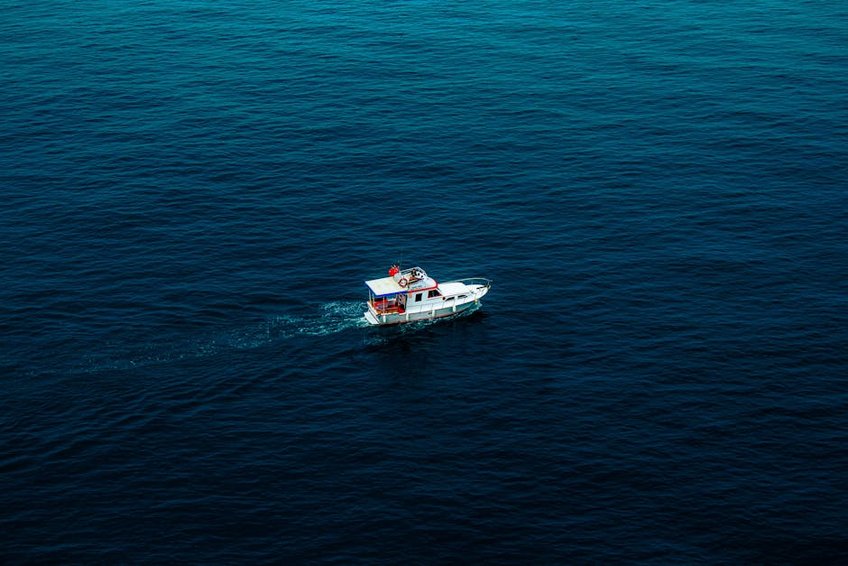
A boat tour is essential for appreciating Amasra’s coastal geography. Standard one-hour tours depart from the Büyük Liman, circling the peninsula to view the fortress from the water, passing sea caves, and entering the Küçük Liman.
For a more extensive adventure, longer tours (2-3 hours) can be arranged to visit nearby islands and more secluded swimming spots like Gökgöl Cave. Prices start around $10-15 USD per person for the basic tour. Operators are plentiful along the harbor front; simply approach one and negotiate a time.
Practical Travel Information for Amasra
Navigating Amasra is straightforward, but a few practical tips will enhance your stay. The town is pedestrian-friendly in its core, but its hilly nature requires some physical effort. Taxis are affordable and useful for reaching accommodations with luggage or returning uphill after a long day of exploration.
While Turkish Lira (TRY) is essential for small vendors and taxis, most hotels and many restaurants in the center accept major credit cards. It’s wise to carry a mix of cash and cards. English is spoken in tourist-facing businesses, but learning a few Turkish phrases is appreciated by locals.
| Accommodation Type | Features & Location | Price Range (USD/Night) |
|---|---|---|
| Guesthouse (Pansiyon) | Basic rooms, often family-run, central location near harbor. Shared bathrooms common. | $25 – $45 |
| Boutique Hotel | Converted historical house, Ottoman decor, private bathroom, sea-view terrace, breakfast included. | $70 – $120 |
| Self-Catering Apartment | Small kitchenette, more space, ideal for longer stays or families. Often in residential streets. | $50 – $90 |
| Luxury Boutique | High-end restoration, premium amenities, hamam (Turkish bath), panoramic restaurant, concierge. | $130 – $250+ |