Mount Nemrut Travel Guide
Mount Nemrut, rising 2,134 meters above sea level in southeastern Turkey, offers one of the world’s most dramatic ancient archaeological sites. This remote summit is famous for its colossal stone heads and tombs built for King Antiochus I Theos of Commagene during the 1st century BC. Your visit to this UNESCO World Heritage Site combines historical wonder with breathtaking sunrise and sunset vistas over the Taurus Mountains.
Essential Historical and Cultural Information
Mount Nemrut’s story begins with the Commagene Kingdom, a small but wealthy Hellenistic state. King Antiochus I, who ruled from 70 to 36 BC, commissioned the entire sanctuary as a testament to his divine lineage and power. The site was lost for centuries, only rediscovered by a German engineer in 1881, leading to its current status as a premier historical destination.
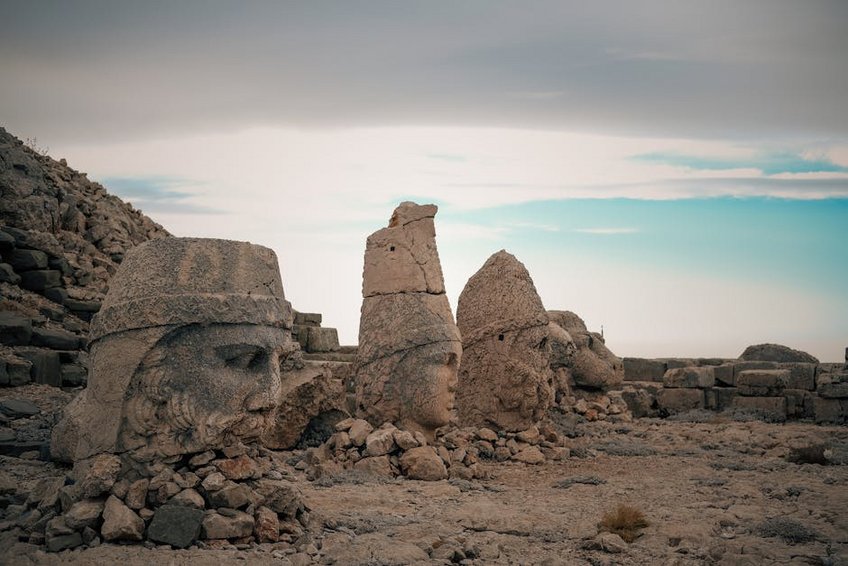
The mountain’s east and west terraces feature identical sets of giant statues depicting Greek, Armenian, and Persian gods. These 8-9 meter tall figures originally sat enthroned with bodies intact. Time and earthquakes have toppled the heads, which now rest solemnly on the ground, creating the site’s iconic and hauntingly beautiful landscape. The entire complex was a dynastic cult center and royal tomb.
Understanding the Monument’s Significance
The sanctuary’s design reflects a unique cultural and religious syncretism. Antiochus deliberately blended Hellenistic and Persian traditions to unify his diverse kingdom.
- The statues represent a fusion of deities: Zeus-Oromasdes (Greek-Persian), Apollo-Mithras (Greek-Persian), and Heracles-Artagnes (Greek-Armenian), alongside Tyche (fortune) and the king himself as a god.
- The famous “Lion Horoscope” slab on the west terrace is interpreted as a celestial map, possibly marking the date of Antiochus’s coronation on July 7, 62 BC.
- The entire tumulus, a 50-meter-high artificial peak of crushed rock, is believed to conceal the king’s tomb, though its exact chamber has never been found despite exploration tunnels.
- Budget travelers can expect to spend $40-60 per day. This covers a dorm bed in Kahta ($15), shared minibus tours ($25), and basic meals ($10). You will join large group sunrise tours, visiting the main terraces with a guide.
- Mid-range visitors spend $80-120 daily. This budget allows a private room ($35), a seat on a smaller organized day tour from Adıyaman including entry fees ($50), and meals at local restaurants ($20). This offers better guide interaction and a more comfortable vehicle.
- Luxury travel costs $200+ per day. It includes a private driver/guide for flexible timing ($120), a stay at the unique Karadut Pension near the base ($80), and all meals. This provides exclusive sunrise viewing with minimal crowds and personalized historical insight.
- Turkish Ministry of Culture and Tourism – Mount Nemrut
- UNESCO World Heritage Centre – Nemrut Dağ
Key Archaeological Features
The eastern terrace remains the best-preserved section for visitors. You will see the five colossal heads facing the sunrise in their original, orderly arrangement. A large altar slab indicates where ritual fire ceremonies were performed for the king and the gods.
The western terrace offers a slightly different perspective and the famous lion horoscope. Sunset visits here provide spectacular lighting for photography as the warm light illuminates the stone faces. The processional path, or “dromos,” connects the terraces, allowing you to walk the same route ancient priests once used.
Climate and Terrain at the Summit
The summit environment is harsh, with strong winds and extreme temperature shifts. Daytime temperatures in summer can reach 86°F (30°C), while nights can plunge to 50°F (10°C). The high altitude and exposed location mean weather changes rapidly, so layered clothing is essential regardless of season.
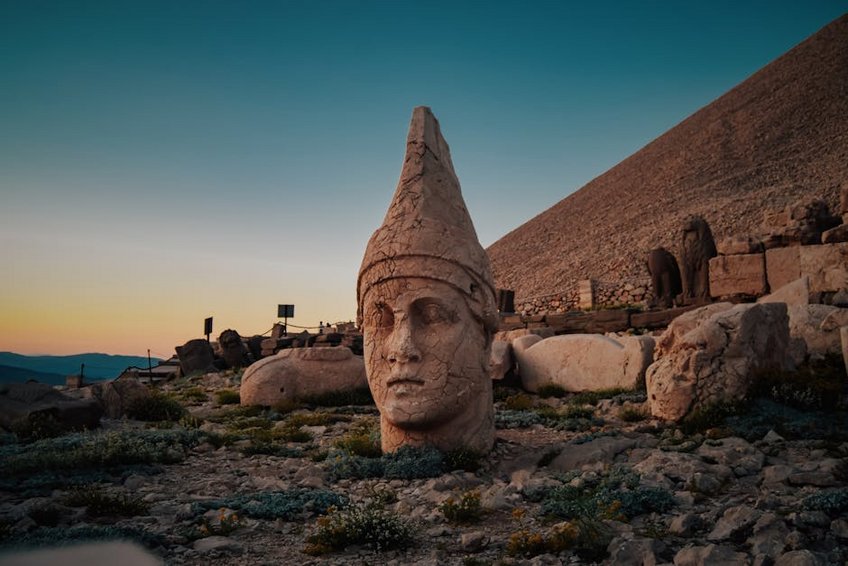
Alt: “mount-nemrut-colossal-stone-heads-sunrise-view”
Mount Nemrut Travel Guide – Planning Your Trip
A successful journey to this remote peak requires careful logistical planning. The nearest major city is Adıyaman, but many travelers base themselves in the smaller town of Kahta for closer proximity. You must arrange transport, as no public buses go directly to the summit. Most visitors book guided tours or private drivers for the final ascent.
The drive from Kahta to the parking area below the summit takes about 1.5 hours on a winding mountain road. From the parking lot, a steep 600-meter pathway leads to the east terrace, requiring a 15-20 minute walk. Comfortable, sturdy shoes are non-negotiable for navigating the uneven stone path, especially in the pre-dawn or post-dusk darkness.
Booking your accommodation and transport months in advance is crucial for the peak seasons of spring and fall. This planning ensures you secure knowledgeable guides and comfortable lodging, turning a complex trip into a seamless historical adventure. Your Mount Nemrut travel guide itinerary should allocate at least one full overnight stay to experience both sunset and sunrise.
Best Time to Visit Mount Nemrut
The ideal visiting window is between May and October, when the mountain road is reliably clear of snow. July and August offer the warmest weather, with daytime highs around 86°F (30°C), but also bring larger crowds. The sunrise occurs around 5:15 AM in summer, requiring a very early 2:00 AM departure from Kahta.
Shoulder seasons like late April, May, September, and October provide a excellent balance. You will encounter cooler temperatures, ranging from 59-77°F (15-25°C), and fewer visitors. Winter travel from November to March is challenging and often impossible without a 4×4 vehicle due to heavy snow and road closures. The summit can be extremely cold, with temperatures below freezing.
Budget Planning and Costs
Costs vary based on your travel style, from backpacker budgets to private luxury tours.
Essential Preparation Checklist
Packing correctly is vital for comfort and safety. You must bring a warm jacket, hat, and gloves even in summer for the cold, windy summit at dawn. Wear sturdy, broken-in hiking shoes for the rocky pathway. Essential gear includes a powerful headlamp or flashlight for the dark walk, a reusable water bottle, and high-energy snacks.
Ensure your passport is valid, though most Western nationals receive a Turkish e-Visa online easily. Purchase comprehensive travel insurance that covers high-altitude hiking. Book your tour and first night’s accommodation at least two weeks in advance during peak season. Charge all camera batteries the night before; the photo opportunities are unparalleled.
Top Attractions and Activities
While the summit statues are the undisputed highlight, the surrounding region holds other significant Commagene ruins. These sites formed part of the ancient kingdom’s sacred network. Combining them with your summit visit creates a fuller understanding of Antiochus’s ambitious vision.
The journey from Kahta to the summit itself is scenic, passing through traditional villages and stark landscapes. Many tours are designed as full-day itineraries, incorporating these secondary stops either on the way up or after the sunrise viewing. Allocate a full day if you wish to explore beyond the main terraces comprehensively.
Must-See Highlights at the Sanctuary
The East Terrace sunrise is the premier experience. Arriving in darkness, you watch the sky lighten behind the stone heads, creating a magical, silent spectacle. The play of light at dawn provides the best photographs. Guides explain the identity and symbolism of each statue, from the eagle to the lion.
The West Terrace sunset offers a more relaxed atmosphere with warmer, softer light. The Lion Horoscope slab here is a key artifact for understanding ancient astronomy. Walking the ancient processional way between the terraces gives a sense of the site’s original scale and ceremonial purpose.
Hidden Gems and Local Favorites
Eski Kahta (Old Kahta) village, located near the modern town, houses the impressive ruins of Yeni Kale (New Castle). This medieval fortress built on earlier Roman foundations offers panoramic views and far fewer visitors. It’s often included as a quick stop on tour routes.
The Karakuş Tumulus, or “Black Bird” tomb, is another Commagene royal monument south of Kahta. It features tall columns topped by eagle and bull statues. This site is rarely crowded and provides context as a smaller, earlier dynastic tomb. Local guides often know the best roadside stops for photographs of the mountain from a distance.
Archaeological Site Exploration
Arsameia on the Nymphaios, located near Eski Kahta, was the Commagene summer capital. A steep path leads to well-preserved reliefs, including one of King Mithridates shaking hands with Hercules. An inscription here details the founding of the sanctuary, directly linking it to Antiochus’s grand project on the mountain.
The Cendere Bridge, a magnificent Roman single-arch span from the 2nd century AD, still carries traffic across the Cendere River. It was built by four Kommagene cities in honor of Emperor Septimius Severus. This remarkable piece of ancient engineering is typically visited on the return journey from the summit.
Practical Travel Information
Reaching Mount Nemrut involves a multi-stage journey, typically starting with a flight to a major Turkish city. The most common gateway is Adıyaman Airport (ADF), served by direct flights from Istanbul. Alternatively, you can fly to Gaziantep (GZT) or Malatya (MLX) and continue by longer road transfer.
Accommodation ranges from basic guesthouses in Kahta to a unique hotel near the mountain base. Most visitors stay in Kahta for its convenience and wider selection of tour operators. Booking.com and local travel agencies are the primary resources for securing both lodging and guided tours to the summit.
| Transportation Method | Details & Route | Estimated Cost (USD) |
|---|---|---|
| Flight to Adıyaman | Turkish Airlines or Pegasus from Istanbul (IST/SAW); 1hr 45min flight, then 1hr taxi to Kahta | $80-$150 roundtrip |
| Private Taxi/Tour | Full-day service from Kahta, includes driver/guide, park entry, visits to secondary sites | $50-$80 per car |
| Shared Minibus Tour | Sunrise tour from Kahta hotels, includes transport and guide; departs ~2:30-3:00 AM | $20-$30 per person |
| Rental Car | From Adıyaman airport; requires confidence driving steep, winding mountain roads in darkness | $40-$60 per day |