Troy Travel Guide: Uncover the Legendary City’s Ancient Layers
Visiting the archaeological site of Troy offers a profound journey through 4,000 years of layered history, where myth and reality converge on Turkey’s Aegean coast. Your Troy travel guide must navigate a landscape where the legendary Trojan War fought over Helen meets the tangible remains of nine distinct city settlements unearthed by archaeologists. This practical guide provides the essential information you need to plan your visit, from understanding the complex chronology to securing the best guided tours and navigating the modern Çanakkale province surrounding the ancient ruins.
Essential Troy Information
Troy, known locally as Truva or Hisarlık, is a UNESCO World Heritage Site located in northwestern Turkey, approximately 30 kilometers southwest of the city of Çanakkale. The site’s global fame stems primarily from Homer’s epic poem, the Iliad, which immortalized the decade-long Trojan War. However, archaeological excavations reveal a much longer and more complex history, with at least nine major settlement periods built on top of one another, spanning from the Early Bronze Age (Troy I, circa 3000 BCE) to the Roman era (Troy IX).
The modern story of discovery begins with amateur archaeologist Heinrich Schliemann in the 1870s. His controversial excavations, which famously uncovered “Priam’s Treasure,” brought international attention to the mound. Subsequent work by Wilhelm Dörpfeld, Carl Blegen, and a multinational team since 1988 has provided a more scientific understanding of the site’s stratigraphy. Today, the expansive ruins and the excellent Çanakkale Troy Museum nearby help visitors untangle this intricate timeline.
Understanding the Nine Cities of Troy
The key to appreciating the ruins is recognizing the different settlement layers, each designated by Roman numerals. The most significant periods for visitors are those connected to the Homeric epics and the most visible ruins.
- Troy I-V: Early Bronze Age settlements (3000-1700 BCE) featuring fortification walls and megaron-style houses, representing the pre-Homeric periods of the city.
- Troy VI-VII: The Late Bronze Age layers (1700-1180 BCE) most commonly associated with the Trojan War. This period features monumental stone walls, a grand palace complex, and evidence of trade with Mycenaean Greece.
- Troy VIII-IX: The Hellenistic and Roman cities (c. 700 BCE – 500 CE). This is when the site became a tourist attraction for ancient Greeks and Romans, who built temples, a theater, and a bouleuterion (council house) to honor the legendary past.
- Budget Traveler ($25-40/day): This covers the Troy site entrance fee ($12), a public bus from Çanakkale ($3 round-trip), the Troy Museum entrance ($8), and a simple lunch. Stay in a Çanakkale hostel, use the official audio guide at the ruins, and skip the private guide.
- Mid-Range Traveler ($70-120/day): This includes a guided small-group tour from Çanakkale ($40-60), combined site and museum tickets, a sit-down lunch, and a comfortable hotel in Çanakkale. This option provides the best value through guided interpretation and convenience.
- Luxury/Convenience Traveler ($200+): This entails a private driver and licensed guide from Istanbul or Çanakkale, premium accommodation, fine dining, and possibly a combined Troy & Gallipoli tour. Ideal for those with limited time seeking deep, personalized historical insight.
- Republic of Turkey Ministry of Culture and Tourism
- UNESCO World Heritage Centre – Troy Listing
Key Archaeological Features at the Site
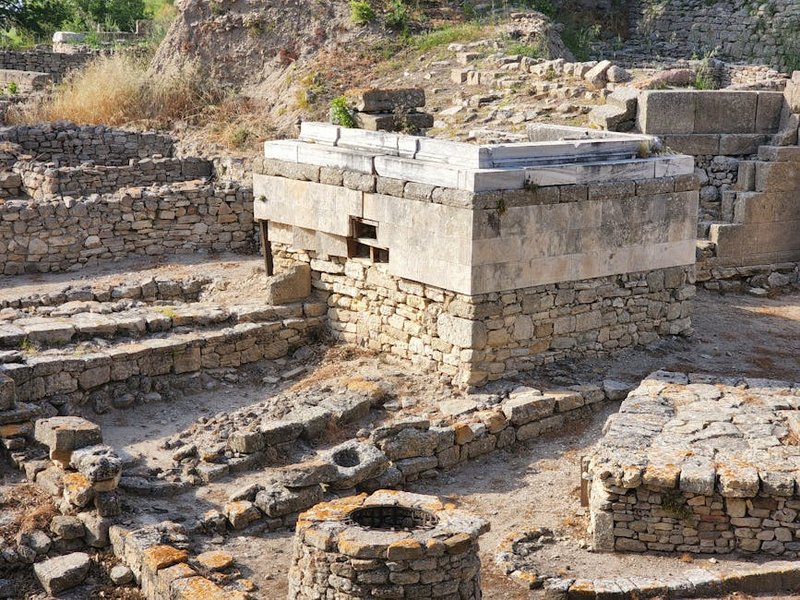
Walking through the ruins, you will encounter structures from multiple eras intertwined. The massive stone walls and sloping ramps of Troy VI are among the most impressive, showcasing the advanced military architecture of the Bronze Age. The East Gate and nearby “Pithos Garden,” with its collection of large storage jars, offer a tangible connection to daily life millennia ago.
From the later periods, the restored Roman-era Odeon (a small theater) and the remains of the Temple of Athena are prominent. The symbolic wooden Trojan Horse model erected near the entrance provides a popular photo opportunity, linking the myth directly to the landscape. The paths are well-marked, but the sheer scale of the tell (mound) means comfortable walking shoes are non-negotiable.
The Çanakkale Troy Museum
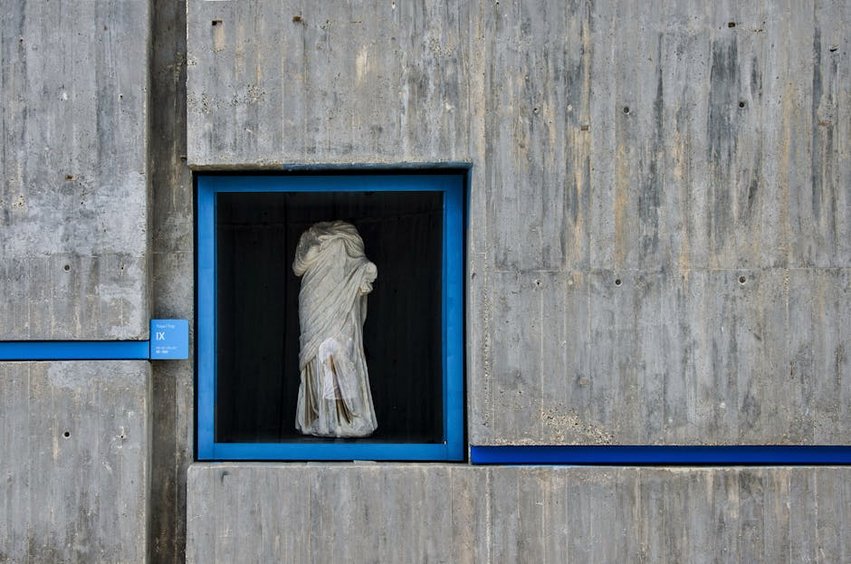
No visit is complete without exploring the world-class Çanakkale Troy Museum, located just a few kilometers from the ancient site. Opened in 2018, this modern museum houses over 2,000 artifacts from Troy and surrounding ancient cities, effectively contextualizing the finds from the ruins. Its exhibits are arranged chronologically across seven sections, telling the story of the Troad region from prehistory through the Ottoman period.
The museum brilliantly uses multimedia displays alongside precious objects like gold diadems, bronze weapons, and intricate pottery. It provides the crucial historical narrative that the open-air ruins alone cannot, making the layered history of your Trojan exploration much clearer. Plan to spend at least two hours here.
Alt: “troy-archaeological-site-ancient-stone-walls-trojan-horse-model”
Your Troy Travel Guide – Planning Your Visit
Your Troy travel guide should center on practical logistics, as the site’s remote location requires forethought. The ruins are a day-trip destination, with most visitors basing themselves in Çanakkale or on the nearby Gallipoli peninsula. The experience is heavily enriched by a knowledgeable guide or a detailed audio tour, as the sprawling ruins can be confusing without historical context. Budget-conscious travelers can utilize public transport, while those with limited time may prefer organized tours from Istanbul.
Spring (April to June) and autumn (September to October) offer the most pleasant weather, with daytime temperatures between 60-80°F (15-27°C) and fewer crowds than the hot summer peak. Summer visits are possible but require a hat, sunscreen, and plenty of water, as shade is limited on the archaeological mound. Winter can be rainy and chilly, with some facilities operating on reduced hours.
Best Time to Visit Troy
The ideal months to visit the Trojan ruins are May, June, September, and October. During these periods, you’ll avoid the intense summer heat that often exceeds 90°F (32°C) in July and August, making exploration of the exposed site more comfortable. The spring months bring wildflowers across the surrounding plains, while autumn offers clear skies and mild temperatures perfect for photography.
Crowds are generally manageable outside of Turkish national holidays and the peak European summer vacation window in late July and August. If you visit in summer, aim to arrive early in the morning right at opening time to explore before the heat peaks and the larger tour groups arrive from Istanbul.
Budget Planning and Costs
A visit to Troy involves several cost components, from entrance fees to transportation. Here’s a breakdown for different travel styles.
Essential Preparation Checklist
Packing for Troy is straightforward but specific. Absolutely essential items include sturdy, closed-toe walking shoes with good grip for uneven terrain, a wide-brimmed hat, high-SPF sunscreen, and a refillable water bottle. A lightweight scarf is useful for sun protection and for covering shoulders if you plan to visit any mosques in Çanakkale. Bring a power bank for your phone, as you’ll likely use it for photos and translation apps.
Document-wise, ensure your passport is valid. Most nationalities, including US, EU, UK, and Canadian citizens, can obtain an e-Visa for Turkey online before travel. Purchase comprehensive travel insurance that covers medical emergencies. Book accommodations in Çanakkale at least a month in advance for peak season, and reserve your guided tour or rental car several weeks ahead.
Top Attractions and Activities at Troy
Exploring the ancient city involves more than just seeing the famous horse. The site is vast, and a strategic approach ensures you see the highlights without missing the subtle details that tell the deeper story. Allocate a minimum of two to three hours for the archaeological site itself, plus additional travel and museum time. The experience blends monumental archaeology with the evocative power of landscape and legend.
Start your visit at the main entrance, where the replica Trojan Horse sets the thematic stage. From there, follow the marked path counter-clockwise, which generally follows a chronological route. Key stops include the fortification walls, the Schliemann’s Trench excavation area (where he famously dug), the Palatial Residence, and the Roman-era public buildings. The viewing platform offers a panoramic overview of the entire mound and the surrounding plain.
Must-See Highlights
The imposing walls of Troy VI are the site’s most iconic and physically impressive feature. These cyclopean limestone blocks, with their distinctive sloping base, defended the citadel for centuries and are exactly the type of fortification Homer described as “strong-built Troy.” Nearby, the East Gate and adjacent tower were critical defensive points and likely focal areas during any historical siege.
The Roman Odeon and the adjacent Bouleuterion (council house) from Troy IX showcase how later civilizations venerated the location. The Sanctuary area, with its altars and temple remains, indicates religious continuity. Do not miss the “water gallery,” a cleverly engineered underground passageway from Troy II that allowed secure access to a water source outside the walls—a masterstroke of ancient engineering.
Hidden Gems and Local Favorites
Venture to the less-visited southern sections of the site for a quieter experience. Here, you can see the remains of a Roman bath complex and more residential quarters with less foot traffic. The views from this side across the Scamander River plain toward the Aegean Sea are particularly beautiful, especially in the late afternoon light.
In Çanakkale, cross the straits with a local ferry to the town of Kilitbahir on the Gallipoli peninsula for stunning views back toward the city and its waterfront castles. Locals also recommend a visit to the Çanakkale Naval Museum to understand the region’s more modern strategic importance. For a unique souvenir, look for replica Trojan pottery or jewelry made by local artisans.
Combined History Tours
Many visitors efficiently pair a trip to Troy with a tour of the World War I battlefields and memorials on the Gallipoli peninsula, just across the Dardanelles. This creates a powerful full-day experience covering conflicts separated by millennia but connected by geography. Reputable tour operators from Çanakkale offer combined itineraries, providing poignant contrast and deep historical context.
Another excellent combination is a visit to the nearby ancient city of Alexandria Troas, a larger and well-preserved Roman port city that is often overlooked. This offers a glimpse into the region’s post-Trojan War classical history without the crowds, though it requires private transportation.
Practical Travel Information for Troy
Reaching Troy requires planning, as it is not located in a major city. The nearest airport is in Çanakkale (CKZ), with limited domestic flights, so most international travelers arrive via Istanbul. From Istanbul, you can take a direct bus to Çanakkale (a 5-6 hour journey) or a shorter domestic flight to the nearby city of Balıkesir, followed by a bus or taxi. Renting a car in Istanbul or Çanakkale provides maximum flexibility for exploring the Troad region at your own pace.
Accommodation is centered in Çanakkale, a vibrant university town with a pleasant waterfront. Options range from hostels and family-run guesthouses to modern business hotels. Staying in Çanakkale puts you close to ferries to Gallipoli, the Troy Museum, and excellent seafood restaurants. There are very few hotels immediately near the archaeological site itself.
| Travel Category | Options & Features | Price Range (USD) |
|---|---|---|
| Getting There (from Istanbul) | Intercity Bus (5-6 hrs, comfortable), Domestic Flight to Balıkesir + Taxi, Private Car Transfer | $15-$30 (bus), $80-$150+ (flight+transfer), $250+ (private) |
| Site Entry | Troy Ruins Only, Troy Museum Only, Combined Ticket (Ruins + Museum) | $12, $8, $18 |
| Guided Tours | Official Audio Guide, Small Group Tour from Çanakkale (4-6 hrs), Private Guide with Transport | $5, $40-$70, $150-$300 |
| Accommodation (Çanakkale, per night) | Hostel/Budget Hotel, Mid-Range Hotel, Luxury/Design Hotel | $20-$40, $60-$120, $130-$250 |