Eskisehir Travel Guide: Your Essential Handbook to Turkey’s Vibrant Student City
Eskisehir is a dynamic university city in northwestern Turkey that masterfully blends youthful energy with deep historical roots. This comprehensive Eskisehir travel guide reveals a destination where you can cruise the Porsuk River on a Venetian-style gondola one moment and explore ancient Phrygian valleys the next. You will discover a thriving arts scene, incredible food, and a welcoming atmosphere that makes it a perfect alternative to Turkey’s more crowded tourist hubs.
Essential Information About Eskisehir
Eskisehir serves as the capital of Eskisehir Province and is a major educational and industrial center. The city’s name translates to “Old City” in Turkish, a nod to its origins dating back over 3,000 years to the Phrygian civilization. Located roughly 230 kilometers (143 miles) west of Ankara, it’s a key stop on the high-speed rail line connecting the capital to Istanbul.
With a population exceeding 800,000, nearly one-third are university students, which infuses the city with a vibrant, modern, and progressive spirit. This unique demographic creates a cultural landscape where traditional Turkish tea gardens sit alongside trendy cafes and innovative museums. The city’s altitude of 792 meters (2,598 feet) contributes to a continental climate with distinct seasons.
What You Need to Know Before You Go
Understanding a few key aspects will greatly enhance your visit to this Anatolian gem.
- The city is divided into three primary districts: Odunpazari (the old town with Ottoman houses), Tepebasi (the modern city center), and the university campuses, each offering a different vibe and attractions.
- Eskisehir is renowned for its cleanliness and urban planning, having won numerous national and international awards for its livable city projects, including an extensive tram network and pedestrian-friendly zones.
- A local specialty is Meerschaum stone carving; the city is the world center for crafting intricate pipes and jewelry from this unique white mineral, with workshops and museums dedicated to the craft.
- Budget travelers can manage on $35-$50 per day by staying in hostels or guesthouses ($15-$25/night), eating at student ‘lokantas’ or street food stalls ($2-$5 per meal), and using the tram system ($0.50 per ride). Most museums have low entry fees under $3.
- Mid-range visitors spending $80-$120 per day can enjoy comfortable boutique hotels in Odunpazari ($40-$70/night), dine at excellent mid-tier restaurants ($10-$15 per meal), take guided tours to the Phrygian Valley ($25-$40), and use taxis for convenience.
- A luxury daily budget of $150+ affords stays at top hotels like the Ramada or Ibis Styles ($80-$120/night), fine dining, private guides, and perhaps a rental car for ultimate flexibility to explore the surrounding region at your own pace.
- Eskisehir Metropolitan Municipality Official Website
- GoTurkiye – Official Travel Portal of Turkey
Key Historical and Cultural Details
Eskisehir’s history is a layered tapestry. The area was a significant center for the Phrygian Kingdom around 1200 BC, with nearby Yazilikaya (Midas City) serving as an important religious site. Later, it became part of Roman, Byzantine, and eventually the Seljuk and Ottoman empires, with each era leaving subtle marks on the city’s architecture and culture.
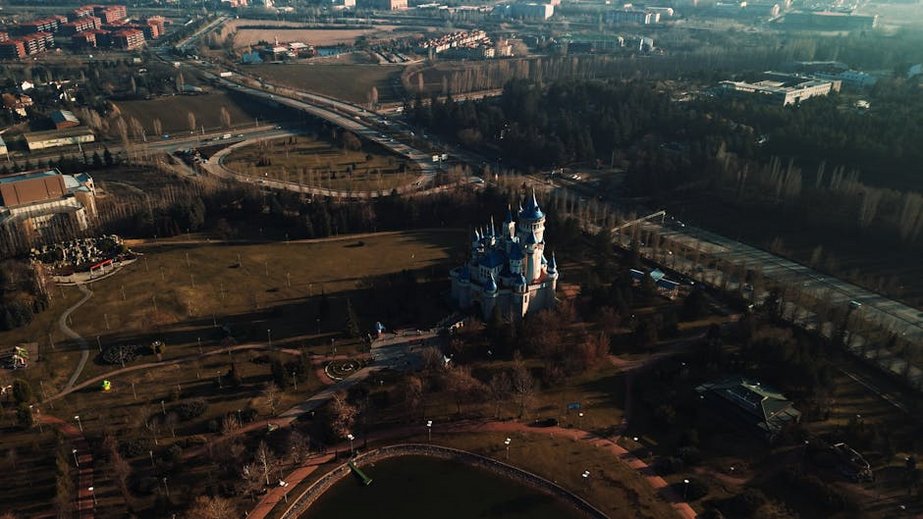
The modern city’s transformation is largely credited to the founding of Anadolu University in 1958 and later Osmangazi University. These institutions turned a quiet provincial town into a buzzing academic hub. This educational focus fostered a culture of innovation, leading to projects like the Sazova Science and Art Park, a massive cultural complex that symbolizes the city’s forward-looking identity.
The City’s Unique Geography and Climate
Eskisehir sits on the banks of the Porsuk River, which has been beautifully canalized through the city center, creating its iconic Venetian ambiance. The river is a central feature for recreation and tourism. The surrounding region consists of rolling steppes and is close to the scenic Phrygian Valley, known for its bizarre rock formations and ancient rock-cut monuments.
Winters are cold and snowy, with January averages around 0°C (32°F). Summers are warm and dry, with July averages of 22°C (72°F). Spring (April-May) and autumn (September-October) offer the most pleasant weather for exploration, with mild temperatures and fewer rainy days compared to coastal Turkey.
Alt: “eskisehir-porsuk-river-gondola-cruise-modern-bridges”
Eskisehir Travel Guide – Planning Your Trip
An effective visit requires strategic planning around the city’s academic calendar and seasonal weather. Your Eskisehir travel guide itinerary should balance iconic sights like the Odunpazari houses with immersive local experiences such as a traditional ‘sigara borek’ tasting in a student cafe. The compact city center is very walkable, but the excellent tram system is perfect for reaching farther points.
Booking accommodations near the Porsuk River or in the Odunpazari district places you within easy reach of major attractions. Since this is a student city, mid-week visits can be lively with local nightlife, while weekends might see a quieter atmosphere as some students travel home. Always check for local festivals, like the International Eskisehir Festival, which can add a special layer to your visit.
Best Time to Visit Eskisehir
The ideal months are May, June, September, and October. During these periods, daytime temperatures range from a comfortable 18°C to 25°C (64°F to 77°F), and rainfall is minimal. This weather is perfect for walking along the Porsuk River, exploring the open-air museums, and taking day trips to the Phrygian Valley without the summer heat or winter chill.
July and August are warm, with highs around 28°C (82°F), but still less humid than the Turkish coast. Winter, from December to February, transforms the city into a snowy wonderland, which is beautiful but requires packing for cold weather, with temperatures often dipping below freezing. The city’s cafes and museums become cozy winter refuges during this season.
Budget Planning and Costs
Eskisehir is notably affordable, especially compared to Istanbul or Mediterranean resorts. Your daily budget will vary significantly based on your style.
Essential Preparation Checklist
Pack comfortable walking shoes, layers for variable weather, and a power adapter for Turkey’s Type F sockets (220V). A light rain jacket is useful year-round. While not essential, learning a few basic Turkish phrases like “Merhaba” (Hello) and “Tesekkur ederim” (Thank you) is greatly appreciated by locals.
Ensure your passport is valid for at least six months beyond your entry date. U.S., EU, UK, and Canadian passport holders can obtain an e-Visa online before travel for tourism stays up to 90 days. Travel insurance that covers medical emergencies is highly recommended. Book key hotels a few weeks in advance, especially if visiting during a university event or festival.
Top Attractions and Activities in Eskisehir
The city’s charm lies in its blend of historical neighborhoods, innovative cultural projects, and vibrant street life. A gondola ride on the Porsuk River is the quintessential activity, offering beautiful views of the city’s bridges and parks. The journey reveals why locals proudly call their city “Little Venice.”
Beyond the river, the Odunpazari Historical Urban Site is a must-visit. This area features beautifully restored Ottoman-era wooden houses, many converted into museums, cafes, and craft shops. Wandering its cobblestone streets feels like stepping back in time, providing a stark and delightful contrast to the modern city center just a tram ride away.
Must-See Highlights
The Eskisehir Modern Glass Museum, housed in a stunning contemporary building in Odunpazari, showcases an impressive collection of Turkish glass art. Nearby, the Museum of Contemporary Glass Art continues the theme with more experimental works. Both are architectural landmarks in their own right and are included on a single affordable ticket.
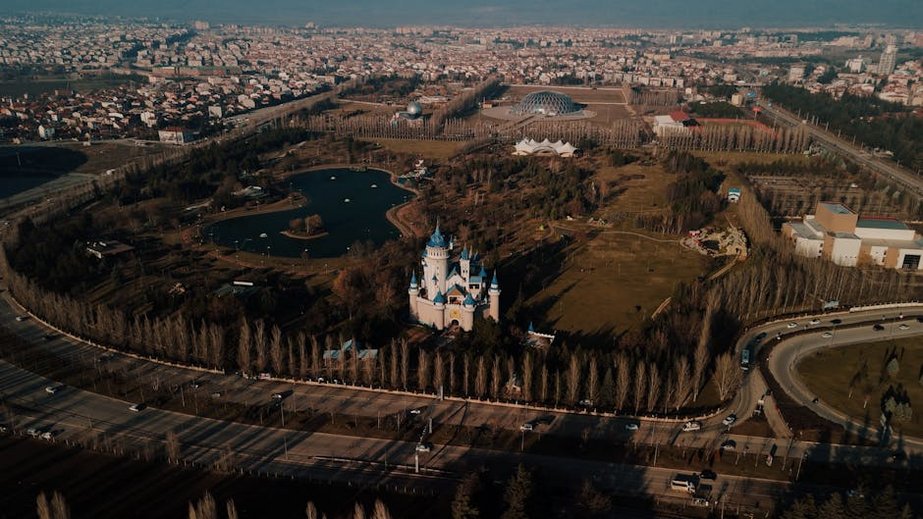
Sazova Science, Art and Culture Park is a massive, family-friendly complex on the city’s outskirts. It features a fairy-tale castle, a zoo, a science center, an aquarium, and extensive gardens. You can easily spend half a day here. For history, the Yazilikaya (Midas Monument) in the Phrygian Valley, about an hour’s drive from the city, is an awe-inspiring ancient rock facade carved by the Phrygians.
Hidden Gems and Local Favorites
Venture to the Atlıhan Crafts Bazaar, a two-story caravanserai built in 1850, now dedicated to local artisans. Here you can watch masters carve intricate Meerschaum pipes and purchase unique souvenirs directly from the artists. It’s more authentic than the tourist shops along the riverfront.
For a peaceful escape, visit the Japanese Garden (Kent Park), a beautifully landscaped area with traditional Japanese elements donated by Eskisehir’s sister city in Japan. Locals also love the Cemalettin Sarar Culture House for its regular concerts and exhibitions in a historic setting. Don’t miss the chance to simply sit in a park along the Porsuk with a simit (Turkish sesame bread ring) and watch student life unfold.
Arts and Cultural Immersion
Check the schedule at the Eskisehir Metropolitan Municipality Arts Center, which hosts theater, opera, and ballet performances. The city has a strong musical tradition; look for concerts by the Eskisehir Metropolitan Orchestra. For a hands-on experience, several workshops in Odunpazari offer short courses in traditional Turkish arts like Ebru (marbling) or calligraphy, providing a memorable cultural souvenir.
Street art and murals have become a significant part of the city’s cultural expression, particularly in the university districts. A self-guided walking tour to find these vibrant works reveals the city’s modern, youthful pulse. The annual Eskisehir International Film Festival is another major event that draws cinephiles from across the country.
Practical Travel Information for Eskisehir
Navigating Eskisehir is straightforward thanks to its excellent public transportation system. The ESTram network has two main lines that connect the key districts, the university campuses, and the main train station. Tickets are inexpensive and can be purchased from kiosks at stops. Taxis are plentiful and metered, offering a cheap option for short trips, especially at night.
Accommodation options are diverse, catering heavily to the student and academic visitor market. This means you’ll find a great selection of good-value business hotels, charming boutique guesthouses in old Ottoman houses, and modern hostels. Staying near a tram stop significantly enhances your mobility.
| Accommodation Type | Best For & Features | Avg. Price Range/Night (USD) |
|---|---|---|
| Boutique Hotel (Odunpazari) | Atmosphere, historic charm, walkable to old town sites, authentic decor | $45 – $85 |
| Business Hotel (City Center) | Convenience, modern amenities, proximity to tram, restaurants, and shopping malls | $40 – $75 |
| Hostel / Guesthouse | Budget travelers, social atmosphere, basic but clean facilities, often include breakfast | $15 – $30 |
| University-Affiliated Guesthouse | Academic visitors, quiet locations on campus grounds, excellent value, requires advance booking | $25 – $50 |