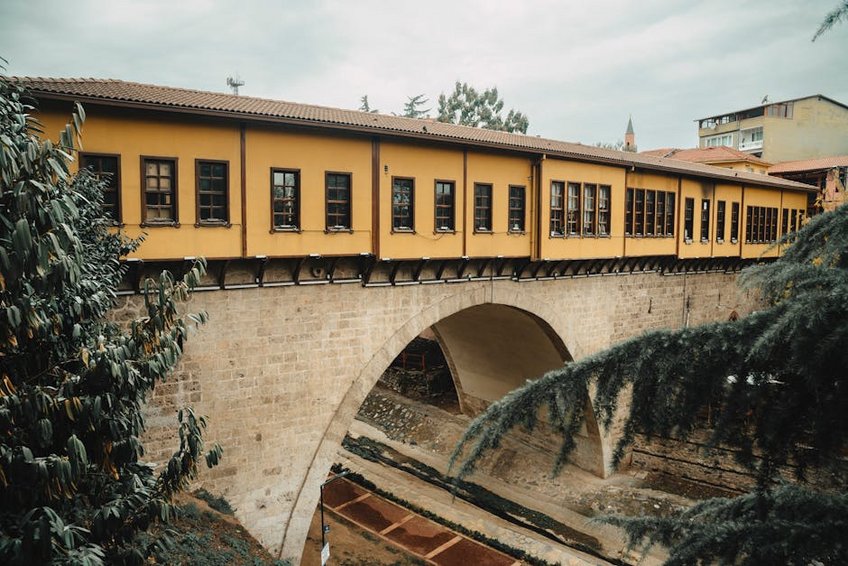
Bursa Travel Guide: Discover the Cradle of the Ottoman Empire
Bursa offers a profound journey into the foundations of the Ottoman Empire, blending grand imperial history with vibrant modern culture against the dramatic backdrop of Uludağ Mountain. This comprehensive Bursa travel guide navigates you through UNESCO-listed mosques, ancient silk bazaars, and rejuvenating thermal springs, providing a complete cultural and historical immersion. We’ll cover everything from navigating the city’s efficient transit to planning day trips, ensuring you experience both iconic landmarks and local secrets.
Essential Information About Bursa
Bursa, Turkey’s fourth-largest city, served as the first major capital of the Ottoman Empire from 1335 to 1363. Located in northwestern Anatolia, it sits at the base of the 2,543-meter (8,343-foot) Uludağ mountain, which provides a stunning natural panorama and a premier winter sports destination. The city’s historical center, with its early Ottoman architecture, earned it a UNESCO World Heritage designation, recognizing its unique contribution to urban development.
The city’s nickname, “Yeşil Bursa” (Green Bursa), comes from its many parks, gardens, and the verdant forests covering the surrounding mountains. Beyond its historical significance, it remains a major industrial and automotive center in Turkey. This creates a fascinating contrast where centuries-old monuments exist alongside a dynamic, modern urban economy, offering travelers a multifaceted destination.
Key Historical and Cultural Highlights
Understanding a few core facts helps frame your visit to this historic city.
- Ottoman Capital: Bursa was the first capital of the Ottoman Empire, and its architecture from this era, including the Grand Mosque (Ulu Cami) and the Green Tomb (Yeşil Türbe), defines the city’s iconic skyline and artistic heritage.
- The Silk Road Legacy: For centuries, Bursa was the western terminus of the Silk Road, making it a global hub for silk trade. The historic Koza Han (Cocoon Inn) bazaar remains the epicenter for purchasing high-quality silk textiles and scarves today.
- Culinary Birthplace: The city is famously the origin of the İskender kebab, a must-try dish of thinly sliced döner meat over pita bread, topped with tomato sauce and melted butter. It also claims the best kestane şekeri (candied chestnuts) in Turkey.
- Budget Traveler ($40-60 USD/day): Stay in hostels or guesthouses, use public buses and the tram, eat at local kebab restaurants or from street vendors, and focus on free historical sites. A one-day ski pass on Uludağ will be your major splurge.
- Mid-Range Traveler ($80-150 USD/day): This allows for 3-4 star hotels, occasional taxis, dining at sit-down restaurants for both lunch and dinner, entry fees to museums like the Bursa City Museum, and a guided half-day historical tour.
- Luxury Traveler ($200+ USD/day): Stay at a five-star thermal hotel in Çekirge with spa treatments, hire a private driver-guide for multi-day touring, enjoy fine dining at upscale Ottoman restaurants, and book premium ski lessons and gear rental on Uludağ.
- Bursa Metropolitan Municipality Official Portal
- UNESCO World Heritage – Bursa and Cumalıkızık
- GoTürkiye – Official Bursa Tourism Page
Climate and Geography
Bursa enjoys a transitional climate between the Mediterranean and oceanic zones. Summers are warm and humid, with average highs around 29°C (84°F) in July and August. Winters are cold and wet, with January temperatures averaging 3°C (37°F) and regular snowfall on the upper slopes of Uludağ, which is visible from the city center.
The proximity to Uludağ National Park means you can experience multiple climates in one day. You can have breakfast in the mild city, take a short cable car ride up the mountain, and find yourself in a snowy landscape perfect for skiing or hiking within an hour. This geographical diversity is a key part of the city’s appeal.
Navigating the City Layout
The city is divided into several key districts for visitors. Osmangazi and Yıldırım house most historical Ottoman sites, including the Grand Mosque and the tombs of early sultans. The Çekirge district to the west is renowned for its historic thermal bath hotels. The modern city center, with shops and cafes, stretches around the Kent Meydanı area, while the cable car to Uludağ departs from the Teferrüç neighborhood.
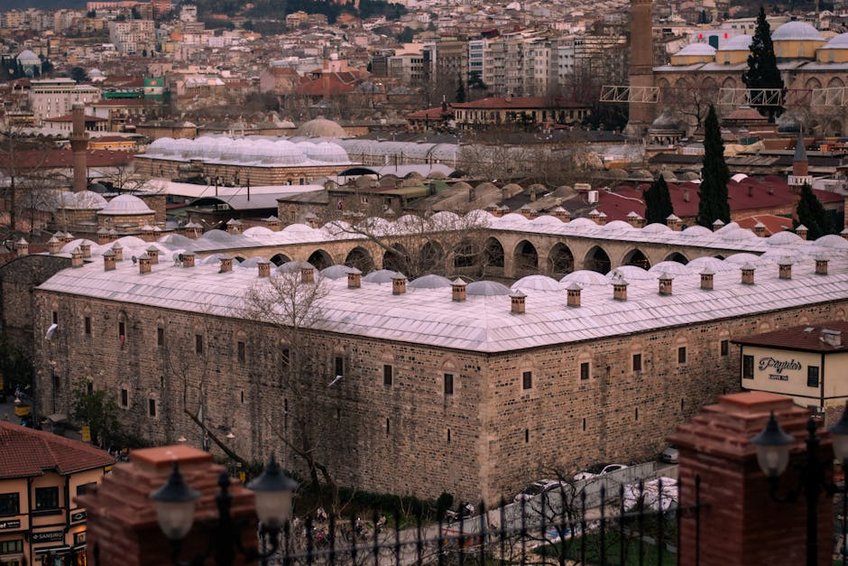
Alt: “bursa-grand-mosque-ulucami-ottoman-architecture-interior”
Bursa Travel Guide – Planning Your Trip
Successful exploration of Bursa requires aligning your interests with the right season and a clear budget. This Bursa travel guide section provides a structured planning framework. For history and culture, focus your time in the Osmangazi district. For a spa-focused retreat, book a hotel in Çekirge. Adventure seekers will need to allocate at least a full day for Uludağ.
Budget travelers can enjoy the city effectively, as many mosques and tombs have free entry, and public transportation is affordable. Mid-range budgets allow for comfortable hotels and guided tours. A luxury experience includes stays in historic thermal hotels, private guides for the UNESCO sites, and fine dining featuring refined Ottoman cuisine. Planning transportation between districts is crucial for an efficient itinerary.
Best Time to Visit Bursa
The ideal months are April to June and September to October. During these periods, daytime temperatures range from a pleasant 15-25°C (59-77°F), crowds are manageable, and the mountain scenery is lush or autumnal. This is perfect for sightseeing and enjoying outdoor cafes without summer’s peak heat or winter’s chill.
July and August are hot and more crowded, but the mountain cable car offers a cool escape. December to March is prime season for skiing and winter sports on Uludağ, transforming the city into a gateway for alpine enthusiasts. If your visit centers on the mountain, winter is essential; for purely cultural exploration, the shoulder seasons are superior.
Budget Planning and Costs
Your daily budget varies significantly based on season and activities.
Essential Preparation Checklist
Pack comfortable walking shoes for cobblestone streets, and modest clothing for visiting mosques—women should carry a scarf. A reusable water bottle is handy, and a power adapter for Turkey’s Type F sockets (220V) is necessary. Download the apps ‘Moovit’ for public transport and ‘Google Translate’ for offline Turkish assistance.
Check visa requirements; many nationalities can obtain an e-Visa online before travel. Travel insurance that covers activities like skiing is recommended. Book accommodation at least a month in advance for the ski season or during major festivals. If planning to drive, an International Driving Permit is required along with your national license.
Top Attractions and Historical Sites
Bursa’s identity is etched in its magnificent early Ottoman monuments. The spatial arrangement of külliyes (complexes) containing mosques, tombs, schools, and baths shaped later Islamic urban design. Exploring these sites offers a direct connection to the empire’s foundational aesthetic and spiritual vision. The grandeur is balanced by bustling historic markets that continue centuries-old traditions.
Beyond the iconic central sites, the city rewards those who explore its varied neighborhoods. The tranquil gardens surrounding tombs, the panoramic views from hillside tea gardens, and the artisan workshops in old hans (inns) provide a more intimate experience. Allocate time to simply wander without a strict agenda after seeing the major highlights.
Must-See Historical Highlights
The Ulu Cami (Grand Mosque) is the undeniable centerpiece. Built in 1399, its 20 domes and massive interior space featuring a stunning fountain and intricate calligraphy create an awe-inspiring atmosphere. Entry is free, and it’s active, so visit outside of prayer times for quieter contemplation. Just a short walk away, the Koza Han is a beautiful 15th-century caravanserai where silk traders once lodged.
For the finest Ottoman architecture, visit the Yeşil Külliye (Green Complex). The Yeşil Cami (Green Mosque) is famed for its exquisite turquoise and green Iznik tilework inside. Across the street, the Yeşil Türbe (Green Tomb) houses the cenotaph of Sultan Mehmed I. The adjacent Turkish Islamic Arts Museum offers deeper context. Allow 2-3 hours for this area alone.
Hidden Gems and Local Favorites
Venture to the Tophane area for breathtaking sunset views over the city. Here, you’ll find the tombs of Osman Gazi and Orhan Gazi, the empire’s founders, within a quiet park. The adjacent clock tower offers another vantage point. This area is less crowded than the main bazaars and provides a peaceful historical perspective.
Explore the Cumalıkızık village, a UNESCO-listed Ottoman-era village about 10 kilometers east of the city center. Its cobblestone streets and centuries-old wooden houses have been beautifully preserved. You can sample homemade gözleme (stuffed flatbread) and jams sold by local villagers. It’s easily reached by bus or taxi and makes for a perfect half-day excursion.
Uludağ Mountain Excursion
A trip to Bursa is incomplete without ascending Uludağ. The Teleferik (cable car) from Teferrüç station is an attraction itself, being one of the world’s longest, offering spectacular views as it climbs to the ski resort area at 1,870 meters (6,135 feet). The journey takes about 25 minutes one way.
In winter, the area offers skiing and snowboarding with trails for all levels, equipment rentals, and instructors. In summer, it transforms into a hub for hiking, mountain biking, and paragliding. Even if you don’t partake in sports, the cool, fresh air and stunning alpine scenery provide a wonderful contrast to the city below. Plan at least 4-5 hours for the round trip and exploration.
Practical Travel Information and Logistics
Bursa is well-connected and relatively easy to navigate. The city has a compact tram line (Bursaray) that connects major districts from the university through the city center to the metro-bus interchange. An extensive bus network covers areas the tram doesn’t. Taxis are plentiful and affordable for shorter trips, especially when traveling in small groups.
Accommodation options cater to all preferences. The Çekirge district is famous for its historic thermal spa hotels, some dating back to the Byzantine era. The city center near the monuments and bazaars offers modern business hotels and boutique guesthouses. For proximity to the Uludağ cable car, look for hotels in the Teferrüç area.
| Accommodation Type | Best For / Features | Average Price Range (USD/Night) |
|---|---|---|
| Thermal Spa Hotel (Çekirge) | Luxury relaxation, historic settings, included spa access | $120 – $300+ |
| City Center Boutique Hotel | Proximity to sights, modern amenities, walkable location | $60 – $150 |
| Uludağ Ski Resort Hotel | Ski-in/ski-out access, alpine views, winter activities | $100 – $250 (winter) |
| Budget Guesthouse/Hostel | Backpackers, cost-conscious travelers, social atmosphere | $20 – $50 |