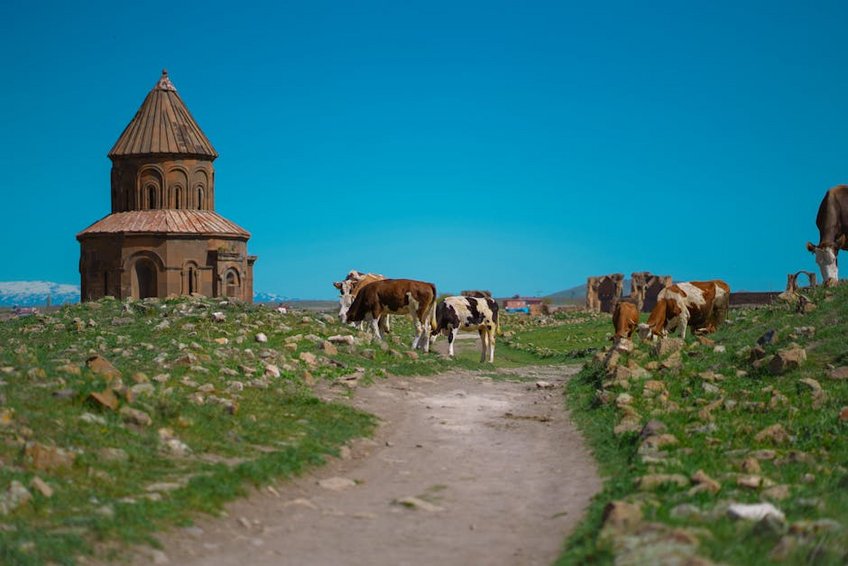
Kars Travel Guide
Planning a trip to Turkey’s rugged northeast requires specific insight, which this comprehensive Kars travel guide provides. The city serves as a compelling gateway to ancient Armenian ruins, dramatic volcanic landscapes, and a deeply layered history visible in its distinct Russian-influenced architecture. This guide details everything from navigating the high plateau climate to experiencing unique local cuisine, ensuring your visit to this frontier region is both seamless and profoundly rewarding.
Essential Kars Information
Kars is the capital of Kars Province, situated on a high plateau near Turkey’s border with Armenia at an elevation of approximately 1,750 meters (5,740 feet). Its strategic position has made it a historical crossroads, controlled over centuries by the Bagratid Armenian Kingdom, the Ottoman Empire, and the Russian Empire following the 1877-1878 war. This complex past is etched into the city’s unique urban fabric and cultural identity.
The climate here is a continental highland type, characterized by long, very cold winters and short, mild summers. Winter temperatures frequently drop below -15°C (5°F), with heavy snowfall that blankets the region from November through March. Summers are pleasant, with July highs averaging around 21°C (70°F), making it the ideal time for exploring archaeological sites and highland pastures.
Today, the region’s economy is sustained by livestock farming, particularly the famous Kars Kashar cheese and honey. Tourism centers on the magnificent ruins of Ani, the medieval Armenian capital known as the “City of 1001 Churches.” Visitors should prepare for a destination that feels remote and authentic, offering a stark contrast to Turkey’s Mediterranean coastal resorts.
Key Historical Context
Understanding these historical layers will significantly enrich your visit to this Eastern Turkey destination.
- Ancient & Medieval Era: The area was the heart of the Bagratid Armenian Kingdom from 884-1045 AD, with Ani thriving as a major Silk Road metropolis rivaling Constantinople in size and splendor before its decline.
- Russian Occupation (1878-1920): Following the Russo-Turkish War, the Russian Empire rebuilt much of central Kars in a distinctive Baltic architectural style, visible in the grid layout and stone buildings around the Kars River.
- Modern Turkish Republic: Kars officially became part of the Republic of Turkey in 1921 with the Treaty of Kars. The legacy of its multi-ethnic past, including Armenian, Russian, and Turkish influences, remains a defining feature.
- Budget Traveler ($40-60/day): Stay in local guesthouses or basic hotels, eat exclusively at local kebab and pide restaurants, use public dolmuş minibuses for transport, and join shared group tours to Ani. Focus on free attractions like exploring the Kars Castle and city streets.
- Mid-Range Traveler ($80-120/day): Comfortable boutique hotels, meals at a mix of local and mid-range restaurants, private taxi hire for a half-day to Ani, and a private guide for the ruins. This level allows for a comfortable and immersive experience.
- Luxury Traveler ($150+/day): Stay at the city’s top historical-conversion hotel, hire a private car and expert guide for multiple days to explore Ani and surrounding castles in depth, and enjoy multi-course meals featuring regional specialties. This offers the deepest cultural access.
- Republic of Turkey Ministry of Culture and Tourism – Kars Portal
- UNESCO World Heritage Centre – Archaeological Site of Ani
The Lay of the Land – Geography & Climate
The city sits on the windswept Kars Plateau, part of the larger Armenian Highland. This geography creates the harsh, beautiful environment that defines the area. Proximity to Mount Ararat and the Lesser Caucasus mountains shapes both the weather and the scenic vistas.
Precipitation is moderate but consistent, with snow cover often lasting over 100 days per year. The stark, open landscapes are surprisingly lush in late spring and summer, transforming into green pastures. Always pack layers, as temperatures can shift dramatically between daytime and evening, even in summer.
Cultural Mosaic
Kars is a melting pot of Turkish, Kurdish, and Azerbaijani cultures, with echoes of its Armenian and Russian past. This blend is most palpable in the local cuisine, architecture, and daily life. Respectful engagement with this complex heritage is key for travelers.
While Turkish is the primary language, you may hear Kurdish and Azerbaijani Turkish spoken. In the city center, basic English is understood in hotels and some restaurants, but learning a few Turkish phrases will be greatly appreciated. The local populace is known for their reserved but genuine hospitality toward visitors.
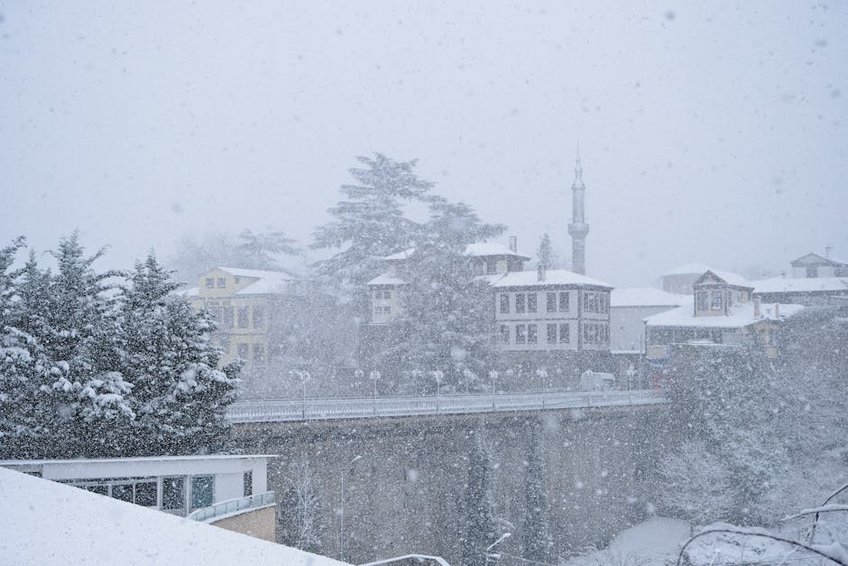
Alt: “kars-city-center-russian-architecture-stone-buildings-winter”
Kars Travel Guide – Planning Your Trip
Effective planning is crucial for this remote region. Your itinerary must account for seasonal accessibility, transportation logistics, and the sheer scale of the historical sites. A successful visit hinges on balancing time between the urban center and the surrounding archaeological treasures.
Most international travelers will connect through Istanbul or Ankara. The process is straightforward but requires forethought, especially if you plan to visit the Armenian border zone near Ani. Allow a minimum of three full days to experience the city and its premier attractions without feeling rushed. This duration provides a solid introduction.
Your budget here will stretch further than in western Turkey. Mid-range hotels offer excellent value, and local dining is remarkably affordable. However, allocate funds for guided tours to Ani, as a knowledgeable guide is essential for understanding the site’s profound historical context. Independent exploration is possible but less insightful.
Best Time to Visit Kars
The optimal visiting window is from late May to late September. During these months, daytime temperatures range from 15-25°C (59-77°F), roads to Ani and other sites are fully clear of snow, and the highland meadows are green. July and August are peak season, so book accommodations several weeks in advance for the best selection.
Shoulder seasons in late April/early May and October offer cooler temperatures and fewer visitors, but be prepared for unpredictable weather, including rain or late-season snow. Winter, from November to March, is severe and only recommended for experienced cold-weather travelers seeking extreme solitude and dramatic snowy landscapes.
Budget Planning and Costs
Daily costs vary significantly based on your travel style.
Essential Preparation Checklist
Packing correctly is non-negotiable. Regardless of season, include a warm jacket, waterproof layers, sturdy walking shoes with good traction for uneven stone paths, a hat, and sunglasses. The high-altitude sun is intense. A power adapter for Type F sockets (European standard) is required.
Ensure your passport is valid for at least six months beyond your entry date. Most nationalities can obtain an e-Visa online before travel. While not mandatory, travel insurance covering medical evacuation is highly advised due to the remote location. Book your hotel and domestic flights at least one month ahead for summer visits.
Top Attractions and Immersive Activities
The primary draw is the awe-inspiring archaeological site of Ani, but the city itself holds significant charm. Allocate time to wander the grid-patterned streets of the Russian-era downtown, characterized by robust basalt buildings. The juxtaposition of this 19th-century architecture against the backdrop of an ancient Anatolian fortress creates a unique atmosphere.
Beyond Ani, the surrounding plateau is dotted with lesser-known Armenian churches, medieval bridges, and Seljuk caravanserais. Renting a car provides the ultimate freedom to discover these hidden gems at your own pace. Alternatively, local tour operators offer focused day trips to key secondary sites like the Khtzkonk Monastery complex.
For a tangible connection to recent history, visit the poignant Sarıkamış Martyrs’ Memorial and forest, commemorating a tragic World War I campaign. The nearby Sarıkamış ski resort also offers winter sports from December to April, adding an active dimension to a cold-weather visit.
Must-See Highlights
No visit is complete without a full day at the ruins of Ani. This UNESCO World Heritage site, located about 45 minutes east of the city center, features the stunning Church of the Redeemer, the Cathedral of Ani with its innovative architecture, and the iconic Church of St. Gregory with its exquisite frescoes. Hire a guide on-site or from Kars for deeper context.
In Kars city, climb to the commanding Kars Castle (Kars Kalesi) for panoramic views over the city and river. The adjacent Kümbet Mosque, originally a 10th-century Armenian church called the Cathedral of Kars, is a powerful symbol of the city’s layered history. Spend an hour exploring the Kars Museum to see artifacts from Ani and understand the regional chronology.
The beautiful 19th-century Stone Bridge (Taş Köprü) and the adjacent Fethiye Mosque, another converted Russian Orthodox church, are worth a stroll. For a unique experience, visit the late-Ottoman era Beylerbeyi Palace, which now serves as a modest local administrative building but showcases the period’s architectural style.
Hidden Gems and Local Favorites
Venture 40 km southwest to the serene and beautifully situated Mren Cathedral. This 7th-century Armenian church is in a remote valley, offering profound solitude and spectacular photography opportunities against a dramatic mountain backdrop. Access requires a vehicle and a willingness to navigate rough tracks.
Explore the abandoned Russian railway station and the atmospheric, overgrown railway yards on the city’s outskirts. They provide a haunting glimpse into the early 20th century. Locals enjoy evening walks along the Kars River promenade; joining them offers a slice of daily life.
For a truly offbeat experience, visit the nearby ancient site of Zivin Castle and the three-domed Üç Kümbetler mausoleums. These Seljuk-era structures receive far fewer visitors than Ani but are architecturally fascinating. Inquire locally about current road conditions before heading out.
Culinary & Craft Exploration
Turn your exploration inward by focusing on Kars’s renowned food products. Visit the Kars Honey House to taste and purchase the region’s famous floral honey. Arrange a visit to a local cheese producer to see how Kars Kashar and Gravyer cheeses are traditionally made.
In the city bazaar, look for artisans selling traditional wool socks and gloves, perfect souvenirs for the cold climate you’ll likely experience. Engaging with these local craftspeople provides a meaningful connection to the region’s pastoral economy and supports community livelihoods directly.
Practical Travel Logistics and Accommodation
Getting to this northeastern destination requires a connection through one of Turkey’s major hubs. Kars Harakani Airport (KSY) receives multiple daily flights from Istanbul (IST and SAW) and Ankara (ESB), with a flight time of about two hours. The airport is small and simple, located just 20 minutes from the city center by taxi or shuttle.
Long-distance buses from Ankara are available, offering an overnight journey of approximately 15 hours. This option is budget-friendly but time-intensive. Once in Kars, the city center is compact and very walkable. For sites outside the city, like Ani, you’ll need to hire a taxi, join a tour, or rent a car.
| Accommodation Type | Options & Features | Price Range (USD/Night) |
|---|---|---|
| Budget Guesthouse | Basic rooms, shared bathroom, central location, family-run | $25 – $40 |
| Mid-Range Hotel | Private bathroom, heating, breakfast included, on-site restaurant | $50 – $80 |
| Boutique Hotel | Converted historic stone building, unique decor, enhanced service | $90 – $140 |
| Luxury Heritage Hotel | Top historical conversion, fine dining, spa services, concierge | $150+ |