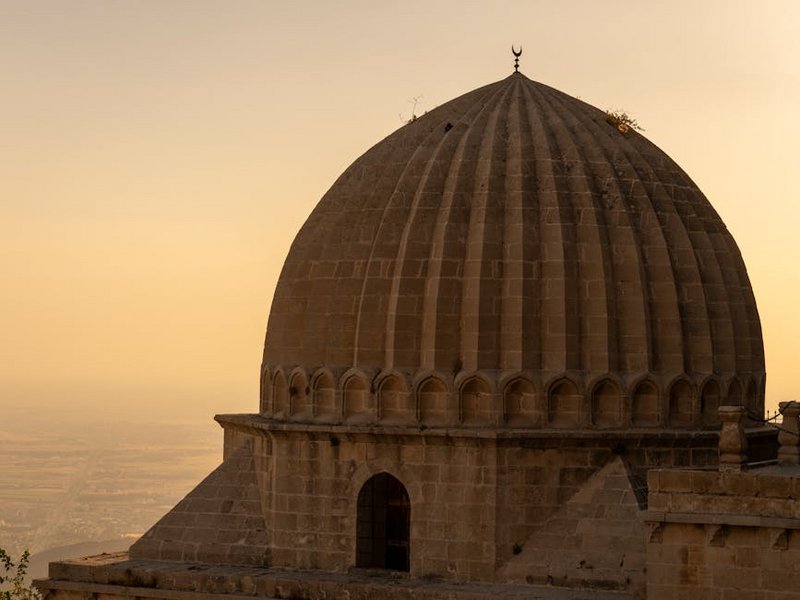
Mardin Travel Guide: Discovering Turkey’s Ancient Stone City
Perched on a rocky hill overlooking the vast Mesopotamian plains, Mardin presents a breathtaking mosaic of history, architecture, and living culture. This southeastern Turkish city, a UNESCO World Heritage candidate, offers an unparalleled journey through sandstone alleyways where Arabic, Kurdish, Syriac, and Turkish traditions converge. Your Mardin travel guide begins with essential insights into navigating its terraced neighborhoods, savoring its distinct cuisine, and connecting with a heritage that spans millennia, ensuring a profound and respectful visit to one of the region’s most captivating destinations.
Essential Mardin Information
Mardin is the capital of Mardin Province in Turkey’s Southeast Anatolia Region, directly bordering Syria. The old city, known as Eski Mardin, is built entirely from beige limestone and cascades down the southern slope of a towering citadel. This strategic location along ancient Silk Road routes fostered a remarkable religious and ethnic diversity, with Muslim, Christian, and Yazidi communities historically living side-by-side.
The city’s architecture is its defining feature, characterized by ornate stonework, *abbarah* (vaulted passageways), and houses designed with inner courtyards for privacy and climate control. Summers are intensely hot, often exceeding 100°F (38°C), while winters are cold with occasional snowfall. The best travel experiences here involve slow exploration, cultural sensitivity, and an appreciation for intricate craftsmanship.
Key Historical Context
Understanding Mardin’s layered past enriches every sight. Several empires have controlled this crucial crossroads.
- Ancient Foundations: The rock citadel’s origins trace back over 3,000 years to the Assyrians, with later rule by Persians, Romans, and Byzantines shaping the early urban fabric.
- Islamic Era: The Artuqid Dynasty (11th-15th centuries) left the most significant architectural legacy, including the Great Mosque and many madrasas, defining the city’s distinctive stone aesthetic.
- Modern Turkey: Following Ottoman rule, Mardin became part of the Turkish Republic in 1923. Today, it’s a hub for preserving Syriac Christian heritage within a predominantly Muslim region.
- Budget Traveler ($40-60/day): Stay in a basic local guesthouse ($20-30/night), eat at neighborhood *lokantas* ($3-5 per meal), use minibuses for transport ($1-2 per ride), and focus on free wandering and inexpensive museum entries.
- Mid-Range Traveler ($80-120/day): This allows for a charming stone-house hotel with a terrace view ($50-70/night), restaurant meals featuring local specialties ($10-15 per meal), private taxi tours to outlying sites ($40-50/half-day), and guided historical walking tours.
- Luxury Traveler ($150+/day): Opt for a boutique hotel in a restored mansion with full-service amenities ($100+/night), fine dining experiences, private driver services for multi-day exploration of the region, and exclusive guided access to cultural sites or artisan workshops.
- Turkish Ministry of Culture and Tourism – Mardin Portal
- UNESCO World Heritage Tentative List Entry for Mardin
Cultural and Religious Tapestry
Mardin’s unique social fabric is a highlight for thoughtful travelers. The city is a center for Turkey’s Syriac Orthodox Christian community, with active monasteries and churches that are among the oldest in Christianity. Arabic is widely spoken alongside Turkish, and local customs reflect this blend. Visitors should dress modestly in the old city, covering shoulders and knees, as a sign of respect in this conservative region.
This cultural coexistence is visible in daily life—from the call to prayer echoing between minarets and church bells to shared marketplaces. Engaging with this environment requires awareness and respect, transforming a simple tour into a meaningful cultural exchange. The atmosphere remains peaceful and welcoming to international guests.
Climate and Geography
The city’s dramatic topography dictates its climate and layout. Mardin sits at an average elevation of 3,800 feet (1,150 meters), which moderates the desert heat slightly. The Mesopotamian plains to the south, visible from every vantage point, are intensely fertile due to the Tigris River. This contrast between the mountainous stone city and the agricultural flatlands defines the landscape.
Spring (April-May) brings mild temperatures between 60-75°F (15-24°C) and green landscapes. Autumn (September-October) offers similar pleasant conditions. The summer sun is relentless, making early morning and late afternoon the only comfortable times for outdoor exploration. Winter sees temperatures drop to freezing, around 32°F (0°C), with a stark, beautiful light.
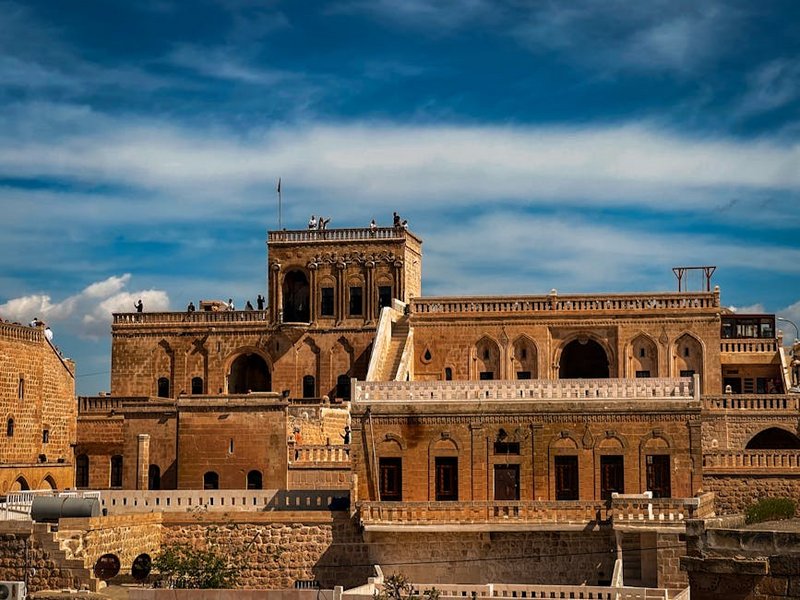
Alt: “mardin-old-city-stone-architecture-terraced-houses-sunset”
Mardin Travel Guide – Planning Your Trip
A successful visit to this unique corner of Turkey hinges on thoughtful preparation. Logistics here differ from standard Turkish tourist circuits, requiring attention to seasonal timing, transportation links, and cultural norms. Your itinerary should balance exploration of the mesmerizing old city with forays into the surrounding plains to visit ancient monasteries. Advance planning ensures you experience the depth of Mardin’s offerings comfortably and respectfully.
Budget considerations are favorable, as the region offers excellent value compared to coastal Turkey. However, direct international flights are unavailable, necessitating a domestic connection. Allocate extra days for a relaxed pace; rushing through the steep, cobbled streets defeats the purpose of visiting this contemplative destination. Proper footwear is non-negotiable for navigating the historic core’s staircases and slopes.
Best Time to Visit Mardin
The ideal months for a Mardin visit are April, May, September, and October. During these periods, daytime temperatures range from a pleasant 65°F to 80°F (18°C to 27°C), and rainfall is minimal. Crowds are manageable, and the light is perfect for photography, illuminating the golden stone with a soft glow. Accommodation prices remain stable outside the peak summer and national holiday periods.
June through August sees extreme heat, often surpassing 95°F (35°C), discouraging extensive daytime exploration. November to March is cold, with January temperatures averaging 30-45°F (-1 to 7°C). While winter offers a stark, crowd-free beauty and lower hotel rates, some smaller guesthouses may close, and road travel to remote monasteries can be less reliable due to weather.
Budget Planning and Costs
Mardin is a budget-friendly destination, with costs significantly below Istanbul or Cappadocia. A daily budget can be tailored to different styles.
Essential Preparation Checklist
Packing for Mardin requires practical and cultural considerations. Sturdy, comfortable walking shoes with good grip are the single most important item for its cobbled, uneven streets. Sun protection is crucial—bring a wide-brimmed hat, high-SPF sunscreen, and sunglasses, even in spring and fall. Modest clothing that covers shoulders and knees is essential for respectful entry into mosques, churches, and conservative neighborhoods.
For documentation, most Western nationals need an e-Visa for Turkey, easily obtained online before travel. Travel insurance covering medical evacuation is recommended. Book your first two nights’ accommodation in advance, especially if arriving late. Learn a few basic Turkish or Arabic greetings; a simple “Merhaba” (hello) or “Teşekkür ederim” (thank you) goes a long way in showing respect.
Top Attractions and Activities
The stone city’s magic unfolds through its labyrinthine streets, sacred spaces, and panoramic viewpoints. Dedicate at least two full days to exploring Eski Mardin on foot, allowing time to get lost in its atmospheric passageways and stumble upon hidden courtyards. The experience is as much about the immersive ambiance as it is about ticking off specific sites. Remember to look up to appreciate the intricate stone carvings and ornate metalwork on the historic houses.
Beyond the old city, the surrounding Mardin province holds awe-inspiring historical treasures, including active monasteries perched on remote cliffs. These day trips are essential for understanding the region’s deep spiritual history. Combining intense cultural immersion with moments of quiet reflection at a terrace café defines the perfect Mardin itinerary.
Must-See Highlights in the Old City
Start your exploration at the Mardin Museum, housed in a former Assyrian Catholic patriarchate. Its exhibits provide essential context on the region’s archaeology and ethnography. Then, wander toward Ulu Cami (The Great Mosque), an 11th-century Artuqid masterpiece with a strikingly elegant minaret. The adjacent Zinciriye Medresesi, a 14th-century theological school, offers the first of many breathtaking panoramic views from its courtyard.
Kırklar Kilisesi (Church of the Forty Martyrs) is a functioning Syriac Orthodox church dating to the 4th century. Visitors may be allowed to enter and see its beautiful interior. For shopping, the historic Revaklı Çarşı (covered bazaar) sells everything from spices to traditional copperware. End your day at the Şehidiye Medresesi terrace at sunset for an unforgettable view over the Mesopotamian plains.
Hidden Gems and Local Favorites
Venture into the Selahattin Eyyubi Mosque area to find less-visited artisan workshops where craftsmen still work stone and silver using ancient techniques. The neighborhood of Savurkapı offers quieter, equally photogenic streets without the main tourist footfall. Seek out small, family-run telkari (filigree silver) shops for authentic, high-quality jewelry, a specialty of Mardin for centuries.
For a unique experience, visit a traditional süryani evi (Syriac house), some of which have been converted into cultural centers or small cafes. These homes showcase the distinctive architecture with *hayat* (central living rooms) and family quarters arranged around courtyards. Engaging with local shopkeepers over a cup of tea often leads to fascinating stories and personal recommendations you won’t find in any guidebook.
Day Trips to Ancient Monasteries
No visit is complete without a trip to Deyrulzafaran (Saffron Monastery), located just 4 miles (7 km) east of the city center. This 5th-century Syriac Orthodox monastery was the seat of the patriarchate for centuries and remains an active religious center. Its stone chapels, ancient inscriptions, and serene atmosphere are profoundly moving. Guided tours explain its history and current role.
Further afield, about an hour’s drive, lies Mor Gabriel Monastery (Deyrulumur), one of the oldest surviving Syriac Orthodox monasteries in the world, founded in 397 AD. Its remote setting and fortified walls speak to a long history of perseverance. Both monasteries require modest dress and respectful, quiet behavior. Arranging a private taxi or joining a local tour is the most practical way to visit.
Practical Travel Information
Navigating Mardin requires understanding its specific infrastructure. The city has two main parts: the historical old city (Eski Mardin) on the hill and the newer, more functional lower city where you’ll find banks, bus stations, and larger shops. Most visitors will base themselves in or near the old city for atmosphere. Transportation within the old town is exclusively on foot due to its narrow, stepped streets.
English is not widely spoken outside tourist hotels and some shops, so having a translation app or a basic phrasebook is helpful. The local currency is the Turkish Lira (TRY), but major credit cards are accepted in hotels and many restaurants. Always carry some cash for smaller shops, taxis, and minibus fares. The pace of life is slow and hospitality is generous; embrace it rather than fight it.
| Category | Options/Features | Price Range (USD) |
|---|---|---|
| Budget Hotel | Simple guesthouse in old city, shared bath, basic breakfast included | $20 – $35 per night |
| Boutique Hotel | Restored stone mansion, private bath, terrace views, Turkish breakfast | $60 – $100 per night |
| Mid-Range Restaurant | Local cuisine, meat-based mains, appetizer spread, non-alcoholic drinks | $8 – $15 per person |
| Private Taxi (Half-Day) | Tour to Deyrulzafaran Monastery and city viewpoints, 4-hour hire | $40 – $50 total |