Cusco Travel Guide: Gateway to Machu Picchu and Inca Culture
Cusco serves as the essential starting point for exploring the Inca Empire’s archaeological wonders and the stunning Andes Mountains. This high-altitude city blends 16th-century Spanish colonial architecture with intricate Inca stonework, creating a unique urban landscape recognized as a UNESCO World Heritage Site. This guide provides practical advice on acclimatization, navigating the Sacred Valley, and securing permits for the iconic Inca Trail to ensure a smooth and enriching Peruvian adventure.
Essential Cusco Information
Situated in southeastern Peru at an elevation of 11,152 feet, Cusco was the historic capital of the Inca Empire. The Spanish conquest in the 16th century led to the construction of churches and palaces atop existing Inca foundations. Today, the city functions as the primary hub for travelers visiting Machu Picchu and the wider Sacred Valley region.
Visitors must prepare for the significant altitude. Arriving from sea level requires a deliberate acclimatization schedule of 24-48 hours with minimal exertion. The Plaza de Armas remains the city’s vibrant heart, surrounded by important cathedrals, restaurants, and tour agencies. From here, narrow cobblestone streets ascend into the artsy San Blas neighborhood.
Climate and Altitude Overview
Cusco experiences two distinct seasons that dramatically impact travel plans.
- The dry season from May to October offers sunny days with clear skies, but nights are very cold, often dropping below freezing at higher elevations.
- The wet season from November to April brings frequent afternoon rain showers, creating lush green landscapes but increasing the chance of cloud cover over ruins.
- Despite its proximity to the equator, the high altitude means temperatures are consistently cool, with average daytime highs of 66°F and nighttime lows near 35°F.
- Budget travelers can manage on $35-50 USD per day by staying in dorm hostels, eating at local markets and menú del día restaurants, and using public colectivo vans for transport, excluding major tour costs.
- Mid-range travelers should budget $80-120 USD daily for comfortable private hotel rooms, meals in nicer restaurants, guided day tours to Pisac and Ollantaytambo, and taxis within the city.
- A luxury experience costs $250+ USD per day, covering boutique hotels in historic buildings, fine dining, private guides and drivers for the Sacred Valley, and premium trekking services like the Luxury Inca Trail.
- Peru Travel Official Tourism Board
- Regional Cultural and Tourist Information Portal
Historical and Cultural Significance
Cusco’s design was intentional, shaped like a puma, a sacred animal. The Qorikancha, or Temple of the Sun, was the empire’s most important religious site. Spanish colonists built the Santo Domingo Convent directly atop its precise stone walls, creating a powerful visual symbol of cultural clash and fusion.
The city’s history is palpable in sites like Sacsayhuamán, the massive fortress overlooking the city. Its colossal, zigzagging walls constructed from perfectly fitted stones showcase advanced Inca engineering. Understanding this context transforms a visit from simple sightseeing into a meaningful historical journey.
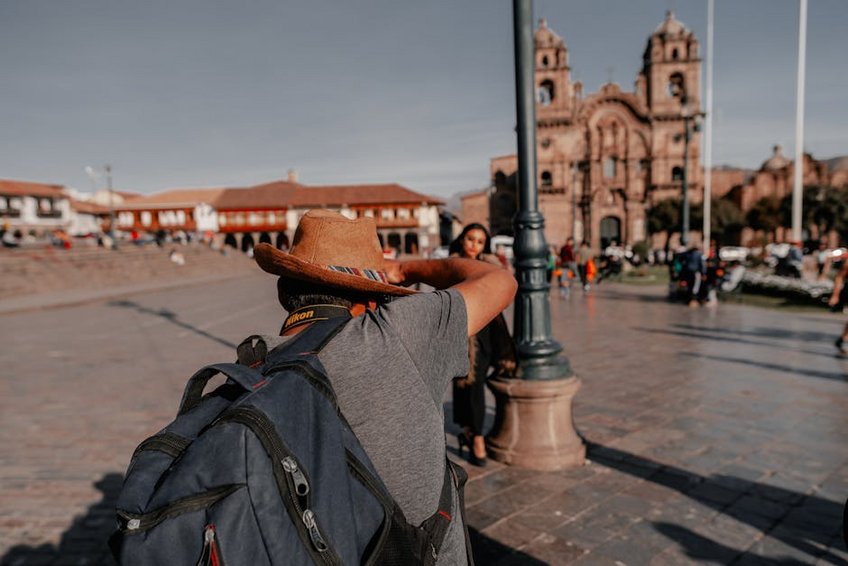
Alt: “cusco-city-view-plaza-de-armas-colonial-architecture-andes-mountains”
Cusco Travel Guide – Planning Your Trip
Effective planning for this destination revolves around three pillars: timing your visit for optimal weather, budgeting for varied expenses, and preparing for the altitude. A well-structured itinerary balances city exploration with day trips to surrounding archaeological sites. Booking key components like the Inca Trail and Machu Picchu tickets months in advance is non-negotiable for peak season travel.
Your budget should account for the Boleto Turístico, a tourist ticket providing entry to 16 major sites. Accommodation ranges from hostels to luxury hotels, with prices surging in June, July, and August. Allocate extra days for acclimatization to avoid altitude sickness derailing your plans.
Best Time to Visit Cusco and Machu Picchu
The ideal window for a Cusco travel experience is during the dry season from late May to early September. Daytime temperatures are comfortable at 65-68°F, and rainfall is minimal, ensuring clear views of ruins and mountains. However, this is peak tourist season, so crowds at Machu Picchu are significant, and all services are at their most expensive.
The shoulder months of April, May, October, and November offer a strong compromise. You’ll encounter fewer tourists and lower prices while still enjoying decent weather, though brief afternoon showers are possible. The wet season from December to March is challenging for trekking but reveals brilliantly green landscapes.
Budget Planning and Costs
Daily costs vary widely based on travel style and seasonality.
Essential Preparation Checklist
Start taking altitude medication like Diamox 24 hours before arrival if recommended by your doctor. Pack layers: moisture-wicking base layers, a warm fleece, a waterproof jacket, broken-in hiking boots, and a sun hat. Essential gear includes a powerful sunscreen, lip balm with SPF, a refillable water bottle, and a headlamp.
Secure your passport, ensure it has at least six months validity, and check if you need a tourist visa. Book your Machu Picchu entrance ticket and train months ahead, especially for the dry season. Purchase comprehensive travel insurance that covers high-altitude trekking and emergency evacuation.
Top Attractions and Activities
Beyond serving as a gateway, the city itself is a primary destination filled with world-class sites. The historic center is compact and walkable, with surprises around every corner. Key attractions are divided between the city proper and the surrounding hills, requiring at least three full days to appreciate properly.
Invest in the Cusco Tourist Ticket, which grants access to most major sites over a ten-day period. Start your exploration in the Plaza de Armas to visit the imposing Cusco Cathedral, which houses an important collection of colonial art. Then, walk to the San Pedro Market to experience local food and crafts.
Must-See Highlights in the City
Qorikancha demonstrates unparalleled Inca stonework. Its curved, mortarless walls withstood earthquakes that toppled the Spanish convent above it. The site’s museum explains the temple’s astronomical significance. Visit in the morning for the best light in its interior courtyard.
Sacsayhuamán is a monumental fortress a short taxi ride from the plaza. Its massive limestone boulders, some weighing over 100 tons, are fitted together with incredible precision. The site offers panoramic views of Cusco’s distinctive puma shape. The Inti Raymi festival is reenacted here every June 24th.
Exploring the Sacred Valley
Plan a full-day tour or use public transport to visit the fertile Sacred Valley. The town of Pisac is famous for its sprawling Inca ruins perched high above a colorful artisan market. Ollantaytambo features a massive Inca fortress and is one of the best-preserved examples of Inca urban planning, with water channels still running through its streets.
The Maras salt mines are a stunning visual spectacle. Thousands of terraced, brine-filled pools have been used for salt extraction since Inca times. Nearby, the circular Moray agricultural terraces were used as an Inca laboratory to experiment with crops at different micro-climates. Both sites are easily visited on a half-day tour.
The Inca Trail and Alternative Treks
The classic 4-Day Inca Trail is a regulated, permit-required trek culminating at the Sun Gate entrance to Machu Picchu. Permits sell out months in advance. For those without permits, the 5-Day Salkantay Trek offers breathtaking mountain scenery and ends with a visit to the ruins. Both require booking with a licensed tour operator.
The Lares Trek focuses on cultural immersion, passing through traditional weaving villages. The shorter Inca Jungle Trek combines biking and hiking. Regardless of choice, trekking provides a profound sense of connection to the landscape that a simple train ride cannot match.
Practical Travel Information
Getting to this Andean city typically involves flying into Alejandro Velasco Astete International Airport from Lima. Multiple airlines offer daily 1.5-hour flights. Overland travel by bus is a lengthy but scenic option from cities like Puno or Arequipa. Within the city, taxis are inexpensive but always agree on a fare before getting in.
Accommodation is concentrated in several key areas. The historic center near the Plaza de Armas is most convenient for sightseeing. The San Blas neighborhood, with its steep, artistic streets, offers more character and quieter lodgings. For longer stays or families, areas slightly outside the center provide more space and better value.
| Accommodation Type | Location & Features | Price Range (USD/Night) |
|---|---|---|
| Budget Hostel | Shared dorm in central historic district, free breakfast, communal kitchen | $10 – $25 |
| Mid-Range Hotel | Private room with en-suite bathroom in San Blas, heating, courtyard view | $60 – $120 |
| Boutique Hotel | Restored colonial mansion near Plaza de Armas, airport transfer, spa | $150 – $300 |
| Luxury Hotel | 5-star property with oxygen-enriched rooms, fine dining, concierge service | $400+ |