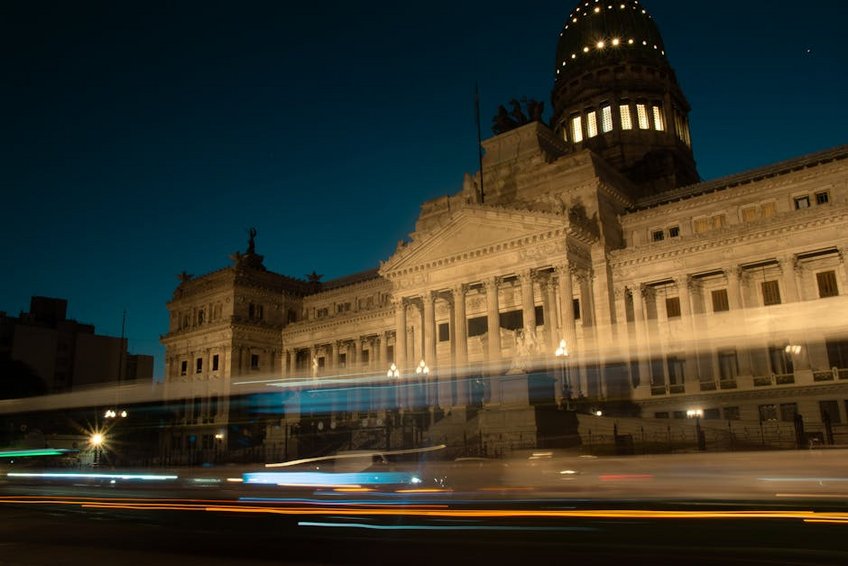
Buenos Aires Travel Guide
Buenos Aires welcomes you with a unique rhythm that blends European grandeur with Latin American passion. Your Buenos Aires travel guide helps you navigate a city of elegant boulevards, historic cafes, and vibrant cultural pockets known as barrios. This guide provides specific tips on neighborhoods, dining, budgeting, and navigating the city’s dynamic atmosphere for a truly immersive experience.
Essential Buenos Aires Information
Buenos Aires is Argentina’s sprawling capital and cultural heart, located on the eastern shore of the Río de la Plata. The city’s identity was shaped by massive immigration waves in the late 19th and early 20th centuries. This history created a distinct architectural and cultural tapestry often called the “Paris of South America”.
The metropolitan area is divided into 48 distinct neighborhoods, each with its own character and appeal. Locals are called “Porteños,” a name referencing the city’s historic port. Understanding this basic geography and terminology is your first step to connecting with the city beyond the major tourist sites.
Spanish is the official language, though you’ll find many people in service industries speak some English. The local currency is the Argentine Peso (ARS), but U.S. dollars are widely accepted for major purchases and hotel stays. Economic fluctuations mean planning requires current, flexible information.
Key Facts at a Glance
Here are the fundamental details to frame your trip planning.
- Best Time to Visit: The spring (September-November) and fall (March-May) seasons offer mild temperatures between 60-75°F (16-24°C) and fewer crowds than peak summer.
- Time Zone: Argentina Standard Time (ART), which is 2 hours ahead of U.S. Eastern Standard Time when the U.S. is on standard time.
- Visa Requirements: U.S., Canadian, UK, and EU passport holders do not need a visa for tourist stays of up to 90 days.
- Budget Traveler ($40-65 USD/day): Stay in hostels, use public transport (Subte), eat lunchtime “menu del día” specials, enjoy free walking tours and park visits.
- Mid-Range Traveler ($90-150 USD/day): Boutique hotel stays, taxi rides between neighborhoods, dinner at good parrillas, tickets to a tango show, and visits to major museums.
- Luxury Traveler ($250+ USD/day): Five-star hotels, private guided tours, degustation menus at top restaurants, premium tango show with dinner, and high-end shopping.
- Official Buenos Aires Tourism Board
- Lonely Planet Buenos Aires Guide
Understanding the City’s Layout
Central Buenos Aires is relatively flat and walkable, with a grid-like pattern in many areas. Major avenues like Avenida 9 de Julio, famously wide, act as key reference points. The city’s heart is the Microcentro, home to the Obelisco and the historic Plaza de Mayo.
Key neighborhoods for visitors include Recoleta for luxury and history, Palermo for dining and nightlife, and San Telmo for antique markets and tango. The Puerto Madero waterfront offers modern dining. Choosing where to base yourself significantly impacts your daily exploration.
A Brief Cultural Context
Porteño culture places high value on social connection, late-night dinners, and spirited debate. The tango, born in the city’s tenements, remains a powerful symbol of passion and melancholy. Appreciating this blend of pride and nostalgia unlocks a deeper travel experience beyond sightseeing.
Alt: “buenos-aires-avenida-9-de-julio-obelisco-cityscape”
Buenos Aires Travel Guide – Planning Your Trip
Effective planning for Argentina’s capital requires attention to seasonal timing and budget nuances. Your Buenos Aires travel guide itinerary should balance iconic landmarks with immersive neighborhood time. Advance bookings for popular tango shows and top-rated parrillas (steakhouses) are highly recommended, especially on weekends.
Budget planning is unique here due to the complex currency situation. While the official exchange rate exists, a parallel market (often called the “blue” or “MEP” rate) typically offers significantly more pesos per dollar. Many visitors bring crisp U.S. dollar bills to exchange at licensed cuevas (exchange houses) for better value on local expenses.
Accommodation costs vary dramatically by neighborhood. Luxury hotels in Recoleta average $250-400 USD per night, while stylish boutique hotels in Palermo range from $120-220 USD. Budget-friendly hostels and apartments can be found for $40-80 USD nightly, particularly in areas like San Telmo.
Best Time to Visit Buenos Aires
The ideal months are the shoulder seasons of September to November (spring) and March to May (fall). Temperatures range comfortably from 60°F to 75°F (15°C to 24°C) with lower humidity. These periods avoid the intense heat and tourist crowds of peak summer (December-February).
Summer (Dec-Feb) is hot and humid, often exceeding 86°F (30°C), but the city empties as locals head to the coast. Winter (June-August) is mild, with averages of 45-60°F (7-16°C), and offers lower hotel rates. The winter month of July features school holidays, which can increase local tourism.
Budget Planning and Costs
Daily costs depend heavily on your dining and accommodation choices. Below is a breakdown per person.
Essential Preparation Checklist
Pack comfortable walking shoes, a versatile jacket for changing weather, and adapters for Type I outlets (220V). Bring a mix of payment methods: a credit card with no foreign transaction fees, some Argentine pesos for immediate arrival, and a supply of newer, undamaged U.S. $100 bills for favorable exchange if needed.
Secure comprehensive travel insurance that covers medical emergencies. Download offline maps and the “BA Cómo Llego” app for public transport. Bookmark a reliable currency exchange rate website to monitor the official and parallel rates before exchanging large sums.
Top Attractions and Neighborhoods
Buenos Aires unfolds through its diverse barrios. You must explore beyond the Microcentro to feel the city’s true pulse. Allocate time to wander each district’s streets, sit in its plazas, and observe daily Porteño life at its own pace.
Iconic landmarks like the Casa Rosada and Teatro Colón are essential for first-time visitors. However, the magic often happens in the smaller moments: finding a hidden art gallery, watching tango in a plaza, or sharing “mate” with a local in a park. Balance your schedule between must-see sights and unstructured exploration.
Must-See Highlights
Start at the Plaza de Mayo, the political heart, flanked by the iconic pink Casa Rosada presidential palace. A short walk leads to the magnificent Teatro Colón, one of the world’s top opera houses; guided tours cost around $15 USD. In Recoleta, the elaborate Cemetery is a city of ornate mausoleums, including Eva Perón’s tomb.
Cross into Puerto Madero for a modern contrast along the regenerated docks. The Palermo neighborhood is actually several sub-barrios; visit the expansive Parque 3 de Febrero (the “Bosques de Palermo”) with its rose garden and lakes. For more details, read our guide to Palermo’s distinct areas.
Hidden Gems and Local Favorites
Seek out the El Ateneo Grand Splendid, a breathtaking bookstore set in a former 1919 theater. In the bohemian district of Colegiales, visit the Feria de las Pulgas for vintage treasures away from the San Telmo crowds. The charming, cobblestoned passageway of Pasaje San Lorenzo in San Telmo offers a glimpse into the city’s past.
For an authentic cultural experience, visit a “milonga” (a tango dance hall) to see locals dance socially, rather than just a staged show. The Barrio Chino in Belgrano is small but offers excellent Asian supermarkets and lunch spots. These spots provide a more intimate connection to the city’s layered identity.
Art and Museum Scene
The Museo Nacional de Bellas Artes houses an impressive collection of European and Argentine art, free of charge. For modern art, the MALBA (Museum of Latin American Art) in Palermo features iconic works by Frida Kahlo and Diego Rivera; admission is about $5 USD. Street art tours in neighborhoods like Palermo Soho are a fantastic way to see vibrant, contemporary expressions.
Practical Travel Information
Navigating the city is straightforward with a mix of subway, buses, and affordable taxis. The Subte (subway) is efficient for covering long distances along its six lines; a rechargeable SUBE card is required. Ride-hailing apps like Uber and Cabify operate reliably and often offer clearer pricing than hailing taxis off the street.
Accommodation ranges from historic palaces to trendy design hotels. Staying in Palermo puts you near the best restaurants and nightlife, while Recoleta offers classic luxury. San Telmo provides historic charm and is ideal for weekend market access. Book at least two months in advance for peak season visits.
| Transportation Type | Key Features & Tips | Approx. Cost (USD) |
|---|---|---|
| Subte (Subway) | Six lines covering central areas, requires SUBE card, crowded at rush hour | $0.30 per ride |
| Remis / Taxi | Metered, use official taxi stands or apps, always ensure meter is running | $5-15 per city trip |
| Ride-Hailing (Uber) | Widely available, price set before trip, often paid in cash (pesos) | Similar to taxi, sometimes cheaper |
| Colectivo (City Bus) | Extensive network, requires SUBE card, use “BA Cómo Llego” app for routes | $0.25 per ride |