Punta Cana Travel Guide: Beaches, Resorts, and Island Adventures
The Dominican Republic’s premier vacation destination, Punta Cana, delivers stunning Caribbean coastline with powder-white sand and clear turquoise waters. This comprehensive Punta Cana travel guide provides the essential details for planning your perfect tropical escape, from all-inclusive resorts to local cultural excursions. You will find expert advice on the best beaches, activities, seasonal weather, and practical tips for a seamless and memorable holiday.
Essential Punta Cana Information
Located on the easternmost tip of the Dominican Republic, Punta Cana is part of the La Altagracia province. The region’s name derives from the native Taino words for ‘tips of white palms’, a fitting description for its iconic palm-fringed shores. International tourism development began in the 1970s, transforming the area into a world-class resort destination while retaining its natural beauty.
The local currency is the Dominican Peso (DOP), but US dollars are widely accepted at resorts, tours, and many restaurants. Credit cards are commonly used, though carrying small bills in USD or DOP is wise for local markets and tips. Spanish is the official language, but English is prevalent in tourist zones, and staff at major hotels are typically bilingual.
Geography and Climate Essentials
Understanding the local environment helps you pack and plan appropriately. Punta Cana enjoys a tropical climate year-round.
- The region features over 30 miles of coastline divided into several key beach areas, including Bávaro, Macao, Uvero Alto, and Cap Cana.
- Temperatures average between 75°F and 88°F (24°C to 31°C), with high humidity and warm ocean waters averaging 80°F (27°C).
- The area sits outside the Atlantic hurricane belt but can experience indirect effects from June through November.
- Budget travel costs approximately $800-$1,200 per person for a week. This includes a modest hotel, local transportation, casual meals, and free beach days. You can save by visiting in the low season, using public guagua buses, and eating at local comedors.
- Mid-range travel averages $1,500-$2,500 per person. This covers a quality all-inclusive resort for 7 nights, several organized tours like snorkeling or a catamaran cruise, and airport transfers. This option provides excellent value and convenience for most visitors.
- Luxury travel starts at $3,000+ per person. You’ll experience premium all-inclusive resorts or 5-star boutique hotels, private transfers, exclusive excursions such as helicopter tours or deep-sea fishing, and spa treatments. Top-tier resorts in Cap Cana or Punta Cana Resort & Club define this category.
- Dominican Republic Ministry of Tourism
- Punta Cana International Airport
- U.S. Department of State – Dominican Republic Travel Advisory
Visa and Entry Requirements
Entry procedures for Punta Cana are straightforward for many travelers. US, Canadian, UK, and EU citizens only need a valid passport for tourist stays up to 30 days. A tourist card is required, but this is usually included in your airline ticket fee or purchased upon arrival for $10 USD.
Your passport must be valid for the duration of your stay. While not mandatory, travel insurance with medical evacuation coverage is highly recommended. You must also complete an electronic entry and exit form for the Dominican Republic within 72 hours before arrival and departure.
Local Culture and Customs
Dominican culture is warm, vibrant, and family-oriented. A friendly “hola” or “buenos días” goes a long way in daily interactions. The pace of life is generally relaxed, especially outside the major resort complexes.
Tipping is customary and appreciated in the service industry. Plan to tip hotel maids $1-2 USD per day, bellhops $1-2 per bag, and tour guides 10-15% of the tour cost. In restaurants, a 10% service charge is often added, but an additional 5-10% for exceptional service is standard practice.
Alt: “punta-cana-bavaro-beach-turquoise-water-palm-trees”
Punta Cana Travel Guide – Planning Your Trip
Strategic planning ensures you experience the best of this Caribbean paradise according to your interests and budget. Your ideal Punta Cana itinerary balances luxurious resort relaxation with authentic local exploration. This section covers the crucial timing, financial, and logistical details for a flawless vacation.
Accommodation choices range from massive all-inclusive complexes to boutique hotels and private villas. Most first-time visitors opt for the convenience of an all-inclusive package, which bundles food, drinks, and entertainment. Independent travelers can find excellent value in smaller hotels that offer more local character.
Best Time to Visit Punta Cana
The peak tourist season runs from December to April, coinciding with dry weather and pleasant temperatures between 77°F and 85°F (25°C to 29°C). This period offers the most reliable sunshine and minimal rainfall, but also features the highest prices and largest crowds. You should book resorts and flights at least four to five months in advance for peak season travel.
The shoulder months of May, June, and November present a fantastic balance. You encounter warmer temperatures of 80°F to 88°F (27°C to 31°C) with slightly higher humidity and brief afternoon showers. Rates are lower, beaches are less crowded, and availability is better. The summer and early fall is the low season, with the highest chance of rain but the most attractive prices.
Budget Planning and Costs
A week in Punta Cana can fit various budgets depending on your style of travel.
Essential Preparation Checklist
Packing correctly enhances your comfort in the tropical climate. Essential items include reef-safe sunscreen, insect repellent, a wide-brimmed hat, sunglasses, a reusable water bottle, and a lightweight rain jacket for sudden showers. For footwear, bring water shoes for rocky beaches, sandals, and comfortable walking shoes for excursions.
Ensure your passport is valid and make digital copies stored separately. Purchase comprehensive travel insurance that covers medical emergencies and trip cancellation. Book popular restaurants and in-demand tours at least two weeks before your arrival, especially during the high season. Confirm your mobile phone’s international plan or purchase a local SIM card at the airport.
Top Attractions and Activities
The area offers far more than stunning beaches, though those remain the primary draw. Bávaro Beach is consistently ranked among the world’s best, with its endless stretch of soft sand and calm, swimmable waters. Beyond the resort zone, you can explore ecological parks, historic sites, and vibrant local towns.
Adventure seekers will find plenty of options, from ziplining over jungle canopies to off-road buggy tours along the coast. Water sports are ubiquitous, including snorkeling, scuba diving at nearby reefs, paddleboarding, and parasailing. Cultural tours to Santo Domingo provide a meaningful contrast to the resort experience.
Must-See Highlights
Several experiences define a trip to this Caribbean coast. Hoyo Azul is a stunning cenote, or natural swimming hole, located within the Scape Park at Cap Cana. You swim in incredibly clear, bright blue water at the base of a towering limestone cliff. Visit in the late morning for the best sunlight illuminating the water.
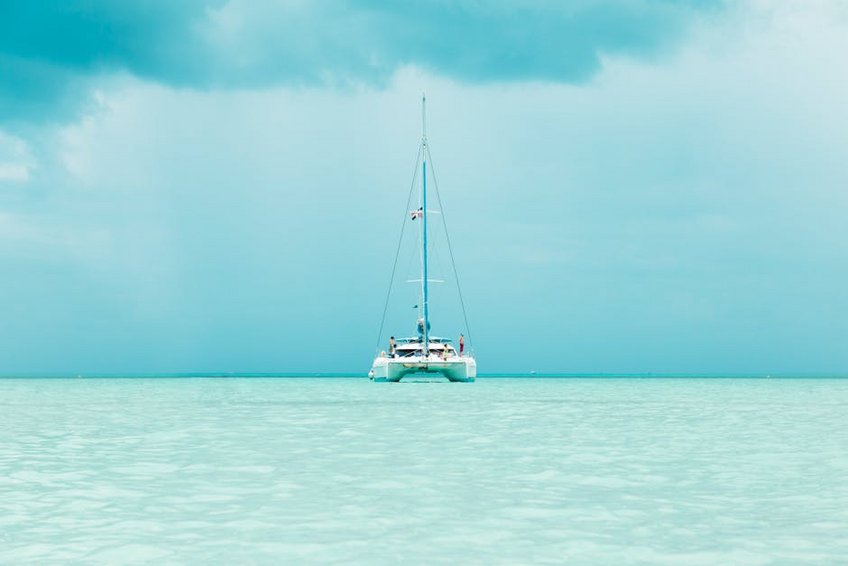
Saona Island is a popular full-day excursion via catamaran or speedboat. This protected island off the southern coast features pristine beaches, a natural swimming pool in waist-deep water, and a relaxed vibe. The Indigenous Eyes Ecological Park is a 1,500-acre reserve with twelve freshwater lagoons, walking trails, and diverse native flora and fauna, perfect for a half-day nature immersion.
Hidden Gems and Local Favorites
Venturing beyond the resort gates rewards you with authentic local culture. The fishing village of Bayahibe, located about an hour south, offers a more laid-back atmosphere and is the departure point for Saona Island trips. Its beachfront restaurants serve incredibly fresh seafood at local prices.
Macao Beach is a public, free-access beach popular with surfers and Dominicans on weekends. It has stronger waves, rustic food shacks, and horseback riding along the shore. For a unique evening, find a local colmado (corner store) playing dominoes and serving cold Presidentes, the national beer, for a genuine slice of Dominican life.
Family-Friendly Adventures
Punta Cana is an excellent destination for families with children of all ages. Many all-inclusive resorts feature expansive kids’ clubs with supervised activities, water parks, and family-friendly entertainment. The Marinarium is a popular half-day trip offering a safe, enclosed area for snorkeling with nurse sharks and stingrays.
Dolphin Island at Ocean World provides interactive dolphin encounters in a controlled environment. The Monkeyland excursion allows you to walk through a tropical forest sanctuary where friendly squirrel monkeys jump onto your shoulders. These managed animal interactions are designed with safety and education in mind for younger travelers.
Practical Travel Information
Navigating logistics is straightforward with a little preparation. Punta Cana International Airport (PUJ) is the busiest airport in the Caribbean and serves as the primary gateway. It is modern, efficient, and located conveniently close to the main hotel zones, typically a 15- to 30-minute transfer.
Accommodation is concentrated in several key zones. The Bávaro area is the most developed, with the highest density of large all-inclusive resorts, shops, and nightlife. Uvero Alto offers more secluded, upscale resorts on beautiful, wider beaches. Cap Cana is an exclusive, gated community with luxury hotels, a marina, and high-end residential properties.
| Accommodation Type | Best For & Features | Average Nightly Rate (USD) |
|---|---|---|
| Luxury All-Inclusive | Premium dining, top-shelf drinks, extensive pools, butler service, and pristine beachfront. | $500 – $1,200+ |
| Standard All-Inclusive | Families and groups; includes all meals, drinks, non-motorized sports, and nightly shows. | $250 – $450 |
| Boutique Hotel | Couples and design-focused travelers; more intimate setting, often adults-only. | $150 – $400 |
| Self-Catering Apartment | Budget-conscious and long-term stays; includes kitchenette, often near local towns. | $80 – $180 |