Havana Travel Guide: Navigating Cuba’s Vibrant Capital
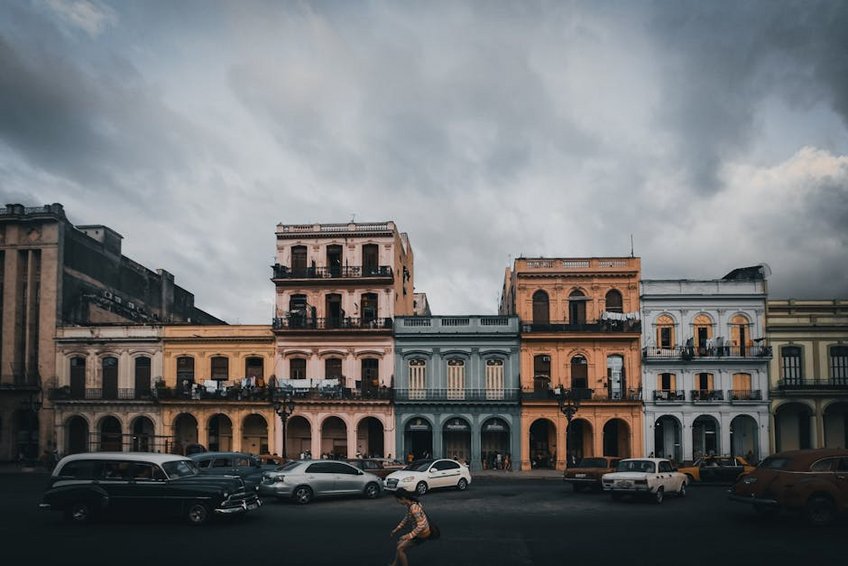
Exploring Havana feels like stepping into a living museum where classic cars rumble past pastel colonial facades and the scent of cigars mixes with salty sea air. This comprehensive Havana travel guide provides the essential insights for navigating the city’s unique blend of 1950s nostalgia and vibrant modern culture, from securing your tourist visa to finding the best mojitos. You will learn the practical logistics of visiting Cuba as an American or European traveler, discover the city’s most captivating neighborhoods, and gain cultural tips to connect authentically with Habaneros.
Essential Havana Information
Havana, or La Habana, is Cuba’s capital and largest city, home to over 2 million people. Founded by the Spanish in 1519, its strategic location made it a key port for treasure fleets, leaving a legacy of formidable forts like El Morro. The city’s architecture tells a story of colonial wealth, 20th-century American influence, and revolutionary change, creating an urban tapestry unmatched in the Caribbean.
Visitors must understand Cuba’s dual currency system, though it is simplifying. The Cuban Peso (CUP) is used by locals, while the Cuban Convertible Peso (CUC) was historically for tourists; however, economic reforms are merging these. U.S. credit and debit cards do not work due to ongoing embargo restrictions, so bringing enough cash in Euros, Canadian Dollars, or British Pounds is critical, as ATMs are unreliable for foreign cards.
Entry Requirements and Visas
Most travelers need a tourist card or visa. The process varies by nationality.
- U.S. citizens must travel under one of 12 approved categories like “Support for the Cuban People,” which requires a full-time itinerary of meaningful interactions, and obtain a visa through airlines or licensed providers.
- Canadian, UK, and EU passport holders typically need a Tourist Card, often provided by their airline or tour operator for a fee ranging from $20 to $85 USD.
- All travelers must have valid medical insurance covering Cuba, which is often included in airline tickets, and complete an online D’Viajeros health form before arrival.
- Budget travelers staying in hostels, eating at paladares (family-run restaurants), and using public transport can manage on $50-$70 USD per day. Focus on free activities like walking the Malecón and visiting plazas.
- Mid-range visitors spending $100-$180 USD daily enjoy private rooms in casas particulares, meals at nicer paladares, classic car taxi tours, and entrance to major museums and cabaret shows like the Tropicana.
- Luxury travel at $250+ USD per day includes stays in 5-star hotels like the Gran Hotel Manzana Kempinski, private guided tours, fine dining at state-run restaurants, and chauffeur services.
- U.S. Department of State – Cuba Travel Advisory
- Cuba’s Official D’Viajeros Travel Portal
Understanding Cuban Connectivity
Internet access in Cuba remains limited but is improving. Wi-Fi is not freely available in streets or most accommodations. Instead, you purchase scratch-off NAUTA cards for internet access at designated public hotspots in parks and certain hotels. Each card provides one hour of connectivity for approximately $1 USD. Download offline maps and translation apps before you arrive. Additionally, cellular data for tourists is expensive, so planning your online time is a key part of your visit.
Electrical outlets are typically 110V/220V, requiring Type A, B, or C plugs. Power outages can occur, so a small travel power bank is invaluable for keeping phones and cameras charged throughout the day. Bring any essential medications with you, as pharmacies may not stock familiar international brands.
Alt: “havana-cuba-colonial-architecture-classic-car-street”
Havana Travel Guide – Planning Your Trip
Successfully planning your Cuban adventure requires attention to detail regarding timing, budget, and documentation. The ideal Havana travel guide gives you a realistic framework. Peak season runs from December to April when rainfall is low and temperatures are pleasant, but this also means higher prices and more crowds. Shoulder months like May and November offer a good balance with warmer weather and thinner crowds before the summer heat and rain arrive.
Your budget should account for cash-based spending, as card payments are rarely an option for visitors. Mid-range travelers can expect to spend between $80-$150 USD per day on meals, casa particular stays, local taxis, and entrance fees. Always book your first night’s accommodation in advance to satisfy immigration requirements and provide an address for your tourist card.
Best Time to Visit Havana
The optimal weather window for visiting Havana is between November and April. During these months, average daytime temperatures range from 75°F to 85°F (24°C to 29°C) with low humidity and minimal rainfall. This dry season is perfect for walking tours and rooftop evenings. December and January are the busiest, with hotels and flights booking up weeks in advance, especially around the Christmas and New Year holidays.
Consider the shoulder seasons of May-June or October for fewer tourists and lower prices, though be prepared for hotter temperatures and occasional afternoon thunderstorms. The summer months from July to September are the least expensive but also the hottest, most humid, and within the Atlantic hurricane season, which officially runs from June to November.
Budget Planning and Costs
Daily costs vary widely based on your travel style.
Essential Preparation Checklist
Pack lightweight, breathable clothing for the day and a smart-casual outfit for evening dinners or shows. Comfortable walking shoes are non-negotiable for Havana’s uneven sidewalks. Essential items include a reusable water bottle with a filter, sunscreen, insect repellent, hand sanitizer, and all necessary prescription medications in their original containers. Bring more cash than you think you’ll need, ideally in Euros, as U.S. dollars are subject to an additional exchange penalty.
Required documents include your passport (valid for at least six months beyond your stay), your tourist visa or card, proof of health insurance, and your completed D’Viajeros form. Book your first accommodation in advance and have the confirmation printed. Learn basic Spanish phrases; while tourism workers often speak English, knowing greetings and numbers greatly enriches interactions with locals.
Top Attractions and Neighborhoods
Havana’s charm unfolds across its distinct neighborhoods, each offering a different historical and cultural perspective. La Habana Vieja (Old Havana), a UNESCO World Heritage Site, is the historic core with restored plazas, museums, and churches. Centro Habana provides a grittier, more authentic residential experience, while Vedado showcases leafy streets, mid-century modern architecture, and vibrant nightlife. The seaside Malecón promenade connects them all, serving as the city’s communal living room.
Allocate at least two full days to explore Old Havana’s four main squares: Plaza de la Catedral, Plaza Vieja, Plaza de San Francisco, and Plaza de Armas. Each has its own character, from the baroque cathedral to the second-hand book market. Venture beyond to understand daily life, perhaps through a guided walking tour of lesser-known areas like the Jesús María district.
Must-See Historic Highlights
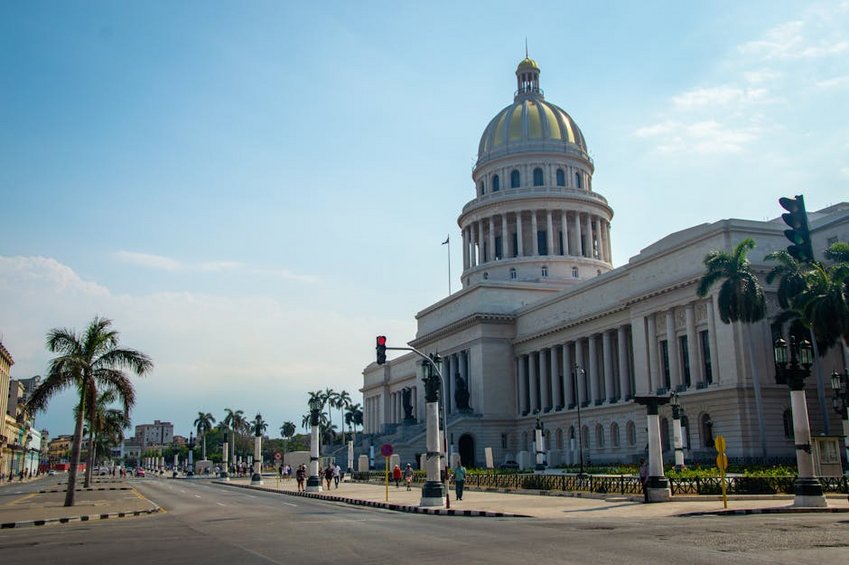
El Capitolio Nacional, Havana’s iconic capitol building, reopened after a lengthy restoration and rivals its Washington D.C. counterpart in grandeur. Guided tours cost about $10 USD. The Museo de la Revolución, housed in the former Presidential Palace, details Cuba’s revolutionary history with exhibits in English and Spanish for an entrance fee of $8 USD. Visit in the morning to avoid crowds.
Fortaleza de San Carlos de la Cabaña, a massive 18th-century fortress across the harbor, offers stunning panoramic views of the city skyline. The nightly 9:00 PM cannon-firing ceremony, called the “Cañonazo,” is a popular spectacle. A taxi colectivo (shared taxi) from Old Havana costs around $10 CUC per car. Combine a visit here with the smaller Castillo de la Real Fuerza in the old city.
Hidden Gems and Local Favorites
For a break from the tourist trail, seek out Callejón de Hamel. This alleyway in Centro Habana is an open-air gallery dedicated to Afro-Cuban culture, adorned with vibrant murals and sculptures by artist Salvador González. On Sunday afternoons, it comes alive with rumba music and dance performances that are free to watch. It provides an authentic cultural experience away from the polished plazas.
Fábrica de Arte Cubano (FAC) is a groundbreaking cultural project in Vedado. Housed in a converted cooking oil factory, it’s a fusion of art gallery, concert venue, dance club, and cinema. Pay a cover charge of about $10 USD, which includes drink tickets. It opens Thursday through Sunday nights and perfectly encapsulates Havana’s dynamic contemporary creative scene. Arrive after 10:00 PM for the full experience.
Classic Car Tours and Coastal Drives
No visit is complete without a tour in a vintage American automobile. These iconic cars, primarily from the 1950s, operate as collective taxis and private hires. For a standard one-hour tour along the Malecón and through Vedado, expect to pay $40-$60 USD for the car. Negotiate the price and route before getting in. For a longer excursion, hire a car for a half-day trip to the nearby fishing village of Cojímar, Ernest Hemingway’s haunt, or to the lush gardens of the Parque Lenin.
Remember that these are often meticulously maintained classics. Chatting with the owner-drivers provides personal insight into Cuban life and ingenuity. For the best photo opportunity, head to the intersection of Prado and Neptuno in late afternoon when the light is golden and the classic car traffic is steady.
Practical Travel Information
Navigating Havana requires some local know-how. Official taxis at hotels and tourist spots are reliable but pricey. For better rates, use taxi colectivos—shared classic cars that run along set routes like the Malecón for about $0.50-$1 USD per person. Always agree on a fare before starting any journey in a private taxi. The city’s bus system, while incredibly cheap, is often overcrowded and confusing for short-term visitors without fluent Spanish.
Accommodation is split between state-run hotels and privately-owned casas particulares. The latter are family homestays offering incredible value, authentic interaction, and often fantastic home-cooked breakfasts for an additional $5-$8 USD. They are legal, licensed, and provide a receipt for immigration purposes. Book the first night online, but you can often find excellent options by walking around neighborhoods like Vedado upon arrival.
| Accommodation Type | Features & Best For | Price Range (USD/Night) |
|---|---|---|
| Casa Particular (Private Room) | Local family homestay, breakfast option, personalized advice, cultural exchange. | $25 – $45 |
| Boutique Hotel (Habana Vieja) | Restored colonial building, central location, rooftop terrace, higher service standard. | $80 – $150 |
| Luxury State Hotel (Vedado/Malecón) | Swimming pool, multiple restaurants, business centers, panoramic views. | $180 – $400+ |
| Hostel (Shared Dorm) | Budget travelers, social atmosphere, basic facilities, often includes kitchen access. | $15 – $25 |