Cancun Travel Guide: Your Gateway to the Mexican Caribbean
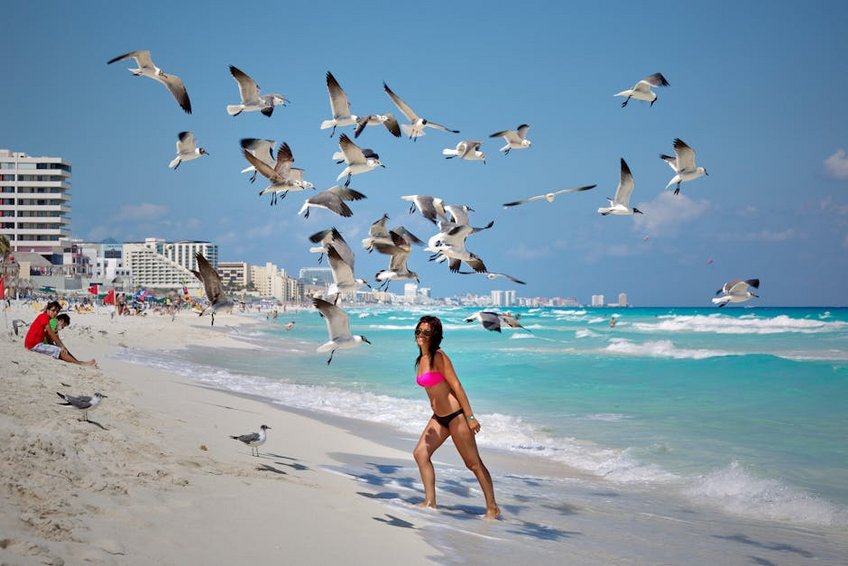
This Cancun travel guide is designed for travelers who want more than just a beach vacation. While its famous Hotel Zone offers pristine white sand and turquoise water, the region provides a gateway to ancient Mayan ruins, vibrant coral reefs, and rich cultural experiences. You can explore cenotes, sample authentic Yucatecan cuisine, and take day trips to historic sites, all within easy reach. This guide will help you plan a balanced itinerary that mixes relaxation with adventure, ensuring you experience the full spectrum of what the Mexican Caribbean has to offer.
Essential Information About Cancun
Located on the northeastern coast of the Yucatan Peninsula, Cancun was developed in the 1970s as a planned tourism destination. Its unique geography features a 14-mile-long island shaped like a “7,” known as the Hotel Zone, which is separated from the mainland by the Nichupté Lagoon. This area is home to most all-inclusive resorts, high-end shopping, and nightlife.
The mainland city of Cancun, or “El Centro,” offers a more authentic Mexican experience with local markets, traditional restaurants, and residential neighborhoods. The region enjoys a tropical climate with a distinct wet season from May to October and a dry season from November to April, making it a year-round destination with varying crowd levels and prices.
Key Facts and Travel Basics
Before you pack your bags, here are the foundational details you should know for your trip to the Yucatan Peninsula.
- Language: Spanish is the official language, but English is widely spoken in the Hotel Zone and at major tourist attractions. Learning a few basic Spanish phrases is appreciated in local markets and downtown areas.
- Currency: The Mexican Peso (MXN) is the official currency. U.S. dollars are often accepted in tourist zones, but you’ll get better value using pesos. ATMs are widely available for withdrawing local currency.
- Time Zone: Cancun operates on Eastern Standard Time (UTC-5) year-round and does not observe Daylight Saving Time, which simplifies planning for North American travelers.
- Budget Traveler ($60-100/day): Stay in hostels or budget hotels in downtown Cancun, use public buses (R-1 & R-2 routes), eat at local markets and street food stalls, and focus on free activities like public beaches and window-shopping in the Hotel Zone.
- Mid-Range Traveler ($150-300/day): This budget allows for a 3-4 star hotel, a mix of casual and nice restaurant meals, occasional taxi rides, and several paid tours like visiting Tulum or snorkeling in a cenote. Booking some activities as a package can save money.
- Luxury Traveler ($400+/day): Enjoy 5-star all-inclusive resorts in the Hotel Zone, private transportation, premium tours with expert guides, fine dining at hotel restaurants, and spa treatments. This tier offers maximum convenience and pampering.
- Mexico Tourism Board
- Cancun.com Travel Information
Visa and Entry Requirements
For U.S., Canadian, and most EU passport holders, no visa is required for tourist visits of up to 180 days. You must have a passport valid for the duration of your stay. Upon arrival, you will receive a tourist card, or FMM, which you must keep and present when departing the country.
Mexican immigration officials may ask for proof of onward travel and sufficient funds for your stay, though this is not consistently enforced. Always check the latest entry requirements with the Mexican embassy or consulate before your trip, as policies can change.
Health and Safety Considerations
Cancun is generally safe for tourists, especially within the resort areas. Standard precautions apply, such as using hotel safes for valuables and avoiding isolated areas at night. Tap water is not safe to drink; rely on bottled or purified water, which is provided at all resorts.
The sun is intense, so high-SPF sunscreen, hats, and sunglasses are essential. For excursions to jungles or archaeological sites, insect repellent is recommended. Travel insurance that covers medical evacuation is highly advisable for any international trip.
Alt: “cancun-hotel-zone-aerial-view-turquoise-water-white-sand”
Cancun Travel Guide – Planning Your Trip
Effective planning transforms a good vacation into a great one. Your Cancun travel guide should account for seasonal weather, budget constraints, and personal interests to create a seamless experience. The dry season offers perfect beach weather but comes with higher prices and crowds, while the wet season provides better deals and lusher landscapes, albeit with daily rain showers.
Accommodation choices dramatically shape your trip, from the all-inclusive bubble of the Hotel Zone to the authentic vibe of downtown Cancun. Deciding on your base first will help you structure daily logistics, dining plans, and transportation needs more efficiently. Balancing resort time with cultural exploration is key to a fulfilling visit.
Best Time to Visit Cancun
The peak tourist season runs from December to April, coinciding with the dry season and North American winter. During these months, you can expect near-perfect weather with minimal rain, average highs of 82-84°F (28-29°C), and cooler evenings. This is also the most expensive and crowded time, requiring reservations months in advance for popular hotels and tours.
The shoulder months of May and November offer a sweet spot with good weather, fewer crowds, and lower prices. The rainy season from June to October sees higher humidity, brief but intense afternoon showers, and the possibility of hurricanes. However, this period offers the lowest prices, vibrant green scenery, and warm ocean temperatures ideal for swimming.
Budget Planning and Costs
Your daily budget in Cancun can vary widely based on your travel style. Here’s a realistic breakdown to help you plan.
Essential Preparation Checklist
Pack light, breathable clothing, swimwear, a cover-up, and sturdy sandals or shoes for walking on ruins. A waterproof phone case, power adapter (Mexico uses 127V, Type A/B plugs), and a reusable water bottle are practical additions. Don’t forget your passport, a printed copy of your hotel confirmation, and a credit card with no foreign transaction fees.
Book your flights and accommodations at least 3-4 months in advance for peak season travel, or 1-2 months for the off-season. Arrange airport transfers beforehand to avoid haggling at the taxi stand. Download offline maps and a translation app to navigate confidently outside the resort areas.
Top Attractions and Activities
Cancun’s greatest asset is its proximity to world-class natural and historical sites. Beyond the pool, you can spend days exploring ancient cities, swimming in underground rivers, and snorkeling along the Mesoamerican Barrier Reef. The key is to balance iconic must-sees with local hidden gems for a well-rounded perspective of the region.
Organized tours offer convenience and expert guidance, especially for sites like Chichen Itza. However, renting a car provides unparalleled freedom to explore the Riviera Maya coastline at your own pace, discovering secluded beaches and small towns along Federal Highway 307. A mix of both approaches often works best.
Must-See Highlights
Chichen Itza: This iconic Mayan city, a UNESCO World Heritage site and one of the New Seven Wonders, is a full-day trip from Cancun. Arrive early to beat the crowds and heat, and hire a certified guide at the entrance to understand the significance of El Castillo (the main pyramid) and the Great Ball Court. Admission is about $25 USD.
Tulum: Famous for its clifftop Mayan ruins overlooking the Caribbean Sea, Tulum is more compact and scenic than Chichen Itza. Combine your visit with a swim at the stunning Playa Paraiso beach below. The site can get crowded by mid-morning, so plan an early start or a late afternoon visit.
Xcaret Park: This eco-archaeological park offers a curated, all-in-one introduction to Mexican culture, nature, and history. You can snorkel in underground rivers, watch spectacular folkloric shows, visit a butterfly pavilion, and see wildlife. It’s ideal for families, though tickets are pricey at over $100 USD per person.
Hidden Gems and Local Favorites
Venture to Isla Mujeres, a laid-back island a short ferry ride from Cancun. Rent a golf cart to explore Playa Norte, known for its shallow, calm waters, and the modest Mayan temple at Punta Sur. The island offers a charming contrast to the mainland’s hustle.
Explore the Rio Secreto nature reserve near Playa del Carmen. This half-day tour involves walking and swimming through a stunning underground river system filled with crystal-clear water and dramatic geological formations. It’s a cooler, less crowded alternative to the typical theme parks.
Snorkeling and Water Adventures
The Museo Subacuático de Arte (MUSA) is an underwater museum featuring over 500 life-sized sculptures that have become an artificial reef. You can visit via glass-bottom boat, snorkeling tour, or scuba dive. It’s a unique blend of art and marine conservation located in the National Marine Park.
For the best snorkeling, take a boat trip to El Meco or Punta Nizuc within the reef system. These spots offer calm, protected waters teeming with colorful fish, sea turtles, and rays. Tours often include equipment, a guide, and refreshments for around $50-70 USD per person.
Practical Travel Information
Navigating Cancun is straightforward once you understand the layout. The Hotel Zone is a long strip accessible by two main bus routes that run frequently and cost about $1 USD per ride. Taxis are plentiful but more expensive; always agree on a fare before getting in, as they are not metered.
For exploring beyond the city, ADO buses offer comfortable, affordable service to major destinations like Playa del Carmen and Tulum. Renting a car provides maximum flexibility for cenote-hopping and is recommended for confident drivers. Major international rental agencies are available at the airport.
| Accommodation Type | Best For / Features | Avg. Nightly Price (USD) |
|---|---|---|
| Luxury All-Inclusive Resort | Honeymooners, convenience seekers; multiple pools, fine dining, 24/7 service, beachfront. | $400 – $800+ |
| Boutique Hotel | Couples, design lovers; unique decor, personalized service, often in Hotel Zone or downtown. | $150 – $350 |
| Vacation Rental (Airbnb/VRBO) | Families, groups; full kitchen, multiple bedrooms, often in residential areas like Puerto Juarez. | $80 – $250 |
| Budget Hotel/Hostel | Solo travelers, backpackers; basic amenities, social atmosphere, located downtown. | $25 – $80 |