Quebec City Travel Guide
Quebec City immerses you in a unique European-style atmosphere in North America, built upon over four centuries of French history. You will explore a UNESCO World Heritage site filled with cobblestone streets, fortified stone walls, and vibrant cultural festivals. This guide provides essential logistics, from navigating the steep hills of the Old City to finding the best maple tarte au sucre.
Essential Information About Quebec
The capital of Canada’s Quebec province is the country’s oldest city, founded in 1608 by Samuel de Champlain. Its historic district, Old Quebec, is North America’s only remaining walled city north of Mexico. The city functions as the province’s political and cultural heart, with French as the official language.
You experience a distinct blend of French and North American cultures here. Local customs and cuisine reflect a heritage preserved since New France. This creates an atmosphere that feels distinctly European while offering North American conveniences and infrastructure for travelers.
The city operates on Eastern Standard Time and uses the Canadian Dollar. Most residents are bilingual, though initiating conversations in French is appreciated. English-speaking visitors navigate the city easily, especially in tourist areas, shops, and restaurants.
Historical Context and Significance
Quebec City’s strategic location on the St. Lawrence River defined its military importance. This led to pivotal battles like the 1759 Battle of the Plains of Abraham. These events shaped Canada’s national identity and political landscape for centuries.
Official Language and Communication
French is the official language, with all signage and government services in French. Many hospitality workers and residents in central areas speak English fluently. Learning basic French phrases like “Bonjour” and “Merci” enhances your cultural experience significantly.
Geography and Layout
The city divides into Upper Town on Cape Diamond and Lower Town along the riverfront. You connect these areas via the historic Funiculaire or the famous Breakneck Steps. The St. Lawrence River and surrounding countryside provide dramatic scenic backdrops from numerous viewpoints.
Alt: “quebec-city-old-town-winter-cobblestone-streets-chateau-frontenac”
Quebec City – Planning Your Trip
Your Quebec City adventure requires consideration of its distinct seasons and French-Canadian cultural calendar. Summer offers festival-filled days with temperatures between 65-80°F, while winter transforms the city into a snowy wonderland. Advance planning secures the best accommodations, particularly during the peak Christmas market season.
Budget for a mid-range daily expense of $150-$250 per person, covering lodging, meals, and attractions. Costs fluctuate considerably between summer’s high season and winter’s holiday period. You benefit from booking flights and hotels at least three months ahead for summer or Christmas visits.
A successful Quebec City itinerary balances historic exploration with culinary discovery and scenic relaxation. You should allocate at least three full days to experience the major districts, museums, and nearby attractions like Montmorency Falls. Comfortable walking shoes are non-negotiable for navigating the Old City’s steep, uneven pathways.
Best Time to Visit Quebec City
Visit between late June and early September for warm weather and major festivals. Temperatures average 70-75°F, with July and August reaching into the low 80s. You encounter larger crowds and higher prices during this peak period, requiring early bookings.
Shoulder seasons in May-June and September-October offer mild weather and fewer tourists. For a magical winter experience, December features the famous German Christmas market with average temperatures of 20-30°F. January and February are coldest, ideal for the Winter Carnival but requiring serious thermal layers.
Budget Planning and Costs
Daily budgets vary dramatically by season and travel style. Here is a breakdown for different spending levels.
- Budget travelers can manage on $80-$120 daily by staying in hostels, using public transit, and enjoying affordable eats like poutine from local canteens. Focus on free attractions like walking the fortifications and exploring Petit-Champlain district.
- Mid-range visitors spend $150-$250 per day for a central hotel, multi-attraction passes, and sit-down bistro meals. This budget allows for a Funiculaire ride, museum entries, and a guided tour of the Citadelle.
- Luxury experiences cost $300+ daily, covering 4-star heritage hotels, fine dining at restaurants like Laurie Raphaël, and private guided history tours. This tier includes spa visits and carriage rides through Old Quebec.
- Quebec City Tourism Official Site
- Government of Canada Travel Information
Essential Preparation Checklist
Pack for variable weather with layers, waterproof boots, and a warm coat for most of the year. Summer still requires a light jacket for evenings. You need adapters for Type A/B North American outlets, though voltage is the standard 110/120V used in the US.
Ensure your passport is valid for your intended stay. US and EU citizens do not need a visa for tourist visits under 180 days. Purchase comprehensive travel insurance covering medical emergencies and trip interruptions, especially for winter travel.
Top Attractions and Activities
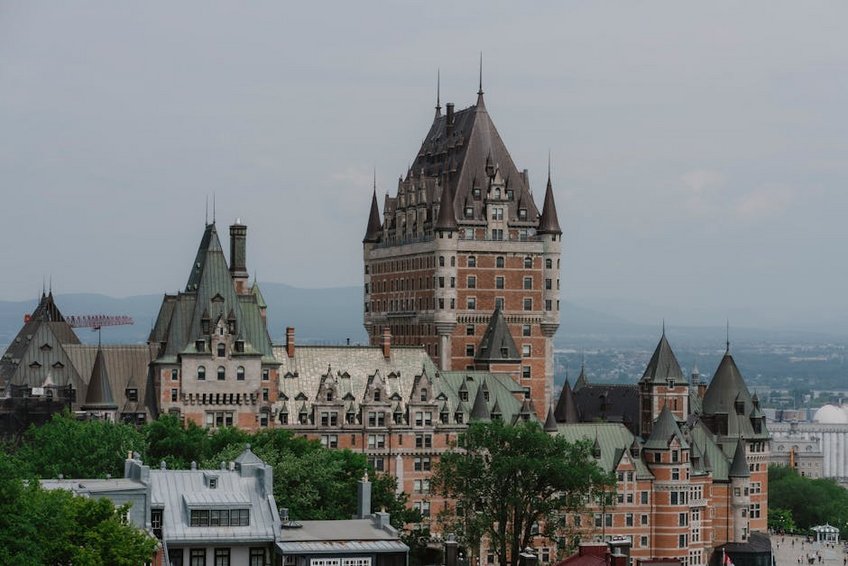
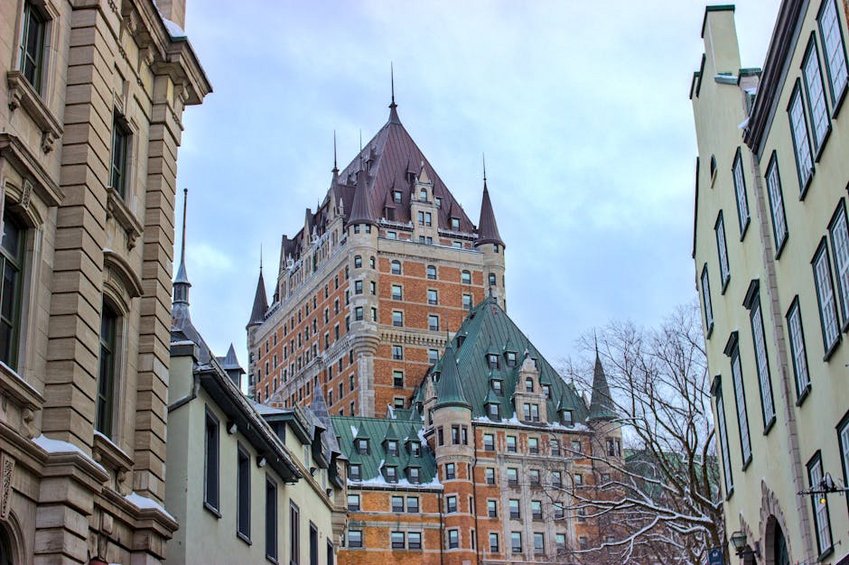
The historic heart of the city, Old Quebec, provides days of exploration within its walls. You can walk the 4.6 km fortified ramparts for free, offering panoramic views. The iconic Château Frontenac dominates the skyline, accessible for tours or afternoon tea.
Beyond the walls, the Montmorency Falls Park sits just 15 minutes from downtown. These falls are 30 meters taller than Niagara. You reach the top via a panoramic gondola or a steep staircase for the most impressive perspectives.
The Plains of Abraham now serve as a vast urban park ideal for walking, cycling, and historical reflection. It hosts major events like the Summer Festival. This green space provides a peaceful retreat with incredible views of the St. Lawrence River.
Must-See Historical Highlights
The Citadelle of Quebec is an active military installation and official royal residence. You can tour the fortress daily with a guide to learn about its star-shaped design. Admission is around $18 USD, and the changing of the guard occurs daily in summer.
Place Royale in Lower Town marks the birthplace of French America. Its centerpiece is the Notre-Dame-des-Victoires Church, dating from 1688. You can explore the small square and surrounding museums detailing the area’s mercantile history.
The Musée de la Civilisation offers engaging exhibitions on Quebec’s social history and First Nations cultures. It provides a perfect rainy-day activity. Tickets cost approximately $16 USD, with some free admission periods offered annually.
Hidden Gems and Local Favorites
Venture outside the walls to the Saint-Roch district for a trendy, local vibe. This area features innovative restaurants, independent boutiques, and colorful street art. You take a 15-minute walk down Côte d’Abraham from the Old City to reach it.
The Île d’Orléans, a short drive from downtown, feels like a step back in time with its rural landscapes and centuries-old houses. You drive the island’s perimeter, stopping at farms for strawberry picking, maple products, and artisanal chocolates. This is especially beautiful during fall foliage.
For a unique city view, walk across the Quebec Bridge to the Lévis side. The perspective of the Château Frontenac and cliffside cityscape is unparalleled. Alternatively, take the 10-minute ferry for a similar view from the water at a low cost.
Seasonal Festivals and Events
The Quebec Winter Carnival transforms the city each February with ice sculptures, night parades, and snow slides. You can meet the mascot, Bonhomme Carnaval, and try Caribou, a warm alcoholic beverage. This event requires booking accommodations almost a year in advance.
Summer Festival in July fills the streets with music stages and performances from international artists. Many outdoor shows are free to attend. The event creates an incredibly vibrant atmosphere throughout the Old City for 11 days.
Practical Travel Information
Getting to Quebec City is straightforward via Jean Lesage International Airport, with connections from major Canadian and some US cities. You can also arrive by train from Montreal on VIA Rail, a scenic 3-hour journey. Driving from Montreal takes about 3 hours via Highway 20.
Accommodations range from historic hotels within the walls to modern chains in quieter neighborhoods. Staying in Old Quebec places you steps from attractions but involves navigating hills and cobblestones. The Saint-Jean-Baptiste and Montcalm districts offer more local charm with easy walking access.
| Accommodation Type | Best For & Location | Average Nightly Rate (USD) |
|---|---|---|
| Luxury Heritage Hotel | Splurge, iconic stays in Old Quebec (e.g., Fairmont Le Château Frontenac) | $350 – $600+ |
| Mid-Range Boutique Hotel | Charm & location in Old Quebec or Saint-Roch | $180 – $300 |
| Budget Hotel/Apartment | Savings, outside walls in Saint-Sauveur or Limoilou | $100 – $170 |
| Vacation Rental | Families or longer stays, various neighborhoods | $120 – $250 |