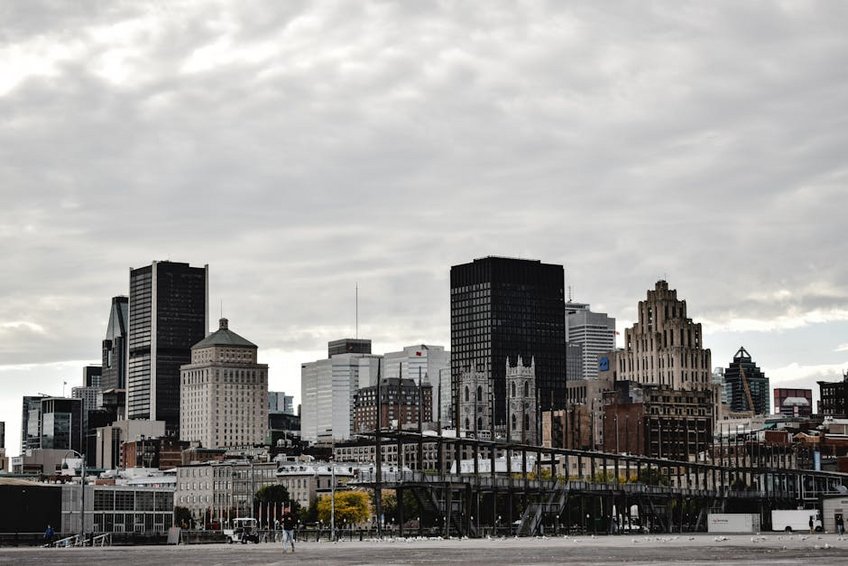
Montreal Travel Guide: Explore the Charms of Quebec’s Cultural Capital
Planning your trip to Canada’s vibrant second-largest city requires navigating its unique bilingual culture and distinct seasons. A comprehensive Montreal travel guide helps you discover where to find the best smoked meat sandwiches, how to explore the underground city, and when to catch the dazzling festival lights. This guide provides the essential details for experiencing Montreal’s perfect blend of European charm and North American energy across its historic neighborhoods and world-class dining.
Essential Montreal Information
Montreal sits on an island in the Saint Lawrence River in the province of Quebec. Founded in 1642, the city beautifully preserves its French colonial heritage while thriving as a modern metropolis. Its official language is French, though most residents in tourist areas speak English fluently, creating a uniquely bilingual atmosphere.
The city operates on Eastern Standard Time (UTC-5) and uses the Canadian dollar. US citizens need only a passport for stays under 180 days, while EU passport holders enjoy similar visa-free access. Montreal’s compact, walkable core combines with an efficient metro system, making navigation straightforward for international visitors. Seasonal variations dramatically affect your experience, from humid summers to snowy winters.
What You Need to Know Before You Go
Understanding a few key facts will enhance your Quebec travel experience immediately.
- French is the official language, but English is widely spoken in shops, hotels, and restaurants throughout downtown and tourist districts, so communication barriers are minimal for most travelers.
- The city uses the Canadian dollar (CAD), with credit cards accepted nearly everywhere; however, carrying some cash for farmers markets and smaller cafes remains wise.
- Montreal has four distinct seasons: warm, humid summers (June-August), spectacularly colorful autumns (September-October), cold, snowy winters (November-March), and rainy springs (April-May), each offering different activities.
- Tip 15-20% at restaurants and for taxi services, as this is the standard custom across Canada, similar to practices in the United States.
- Budget travelers can manage on $70-100 USD per day by staying in hostels like HI Montreal or Samesun, using the metro, eating at food trucks or iconic spots like La Banquise for poutine, and enjoying free activities like hiking Mount Royal or exploring public markets.
- Mid-range visitors should budget $150-250 USD daily for hotels in the Quartier Latin or near McGill University, dining at popular bistros like L’Express, visiting major museums with City Pass discounts, and joining a guided Old Montreal walking tour.
- Luxury experiences cost $350-500+ USD per day for five-star hotels (Fairmont The Queen Elizabeth, Hotel William Gray), tasting menus at Toqué! or Joe Beef, private guided excursions, and VIP festival passes for premier events throughout the season.
- Tourisme Montréal Official Website
- Lonely Planet Montreal Travel Guide
Key Neighborhoods and Districts
Montreal’s character unfolds across its diverse quarters, each with a distinct vibe. Old Montreal (Vieux-Montréal) features cobblestone streets, historic architecture, and waterfront views, serving as the picturesque historic heart. The Plateau Mont-Royal boasts colorful Victorian houses, trendy cafes, and the iconic Saint-Laurent Boulevard, representing the city’s creative spirit.
Downtown (Centre-Ville) is the commercial hub with luxury shopping, the Underground City, and major museums. The Gay Village presents vibrant nightlife and stunning summer street decorations. Meanwhile, Mile End offers a hipster paradise of bagel shops, vintage stores, and indie music venues, perfect for experiencing local culture.
Cultural Context and Local Customs
Montreal’s culture is a fascinating fusion of French and North American influences. The joie de vivre is palpable in sidewalk cafes, public parks filled with picnickers, and a celebrated culinary scene. Residents take pride in their city’s festivals, from the massive Jazz Fest to the hilarious Just for Laughs comedy event.
Smoking is prohibited in all indoor public spaces and on restaurant terraces. While generally casual, upscale restaurants may expect smarter attire. The famous “Five Roses” sign is a beloved nocturnal landmark, and arguing over which bagel shop is best (Fairmount or St-Viateur) is a favorite local pastime.
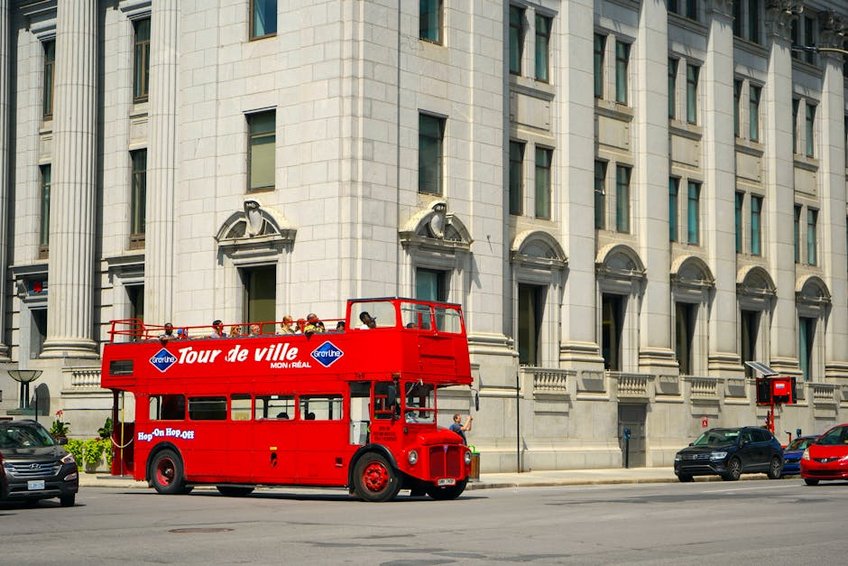
Alt: “old-montreal-cobblestone-street-historic-buildings-spring”
Montreal Travel Guide – Planning Your Trip
Your visit’s success depends heavily on timing and preparation. Summer festivals draw enormous crowds, while winter offers magical snowy landscapes and lower prices. This Montreal travel guide recommends booking accommodations three months in advance for peak periods like June through August or during major events.
Budget approximately $150-250 USD per person daily for a comfortable mid-range experience including meals, attractions, and local transport. Purchasing a multi-day transit pass provides unlimited access to buses and the metro, offering excellent value for exploring different arrondissements. Always check the calendar for festivals that might align with or disrupt your travel plans.
Best Time to Visit Montreal
Visit Montreal between late May and early October for warm weather and festival season. Daytime temperatures range from 68°F to 86°F (20°C to 30°C) with high humidity. This peak period features events like the Formula 1 Grand Prix in June and Osheaga Music Festival in August, requiring hotel bookings four to six months ahead.
Shoulder seasons in May and September-October offer milder weather, fewer tourists, and stunning fall foliage. Winter from December to February transforms the city into a snowy wonderland with temperatures between 5°F and 32°F (-15°C to 0°C), perfect for experiencing the underground city and winter festivals like Igloofest. Hotel rates drop significantly during this cold period.
Budget Planning and Costs
Your daily budget in Montreal varies dramatically based on accommodation and dining choices.
Essential Preparation Checklist
Pack layers regardless of season, including a waterproof jacket and comfortable walking shoes. Winters demand a heavy coat, insulated boots, hat, gloves, and thermal layers to stay warm during outdoor exploration. Summers require breathable clothing, sunglasses, and sunscreen for the strong sun.
Ensure your passport is valid for your entire stay. Consider travel insurance covering medical emergencies. Download the STM app for real-time transit info and a translation app for French menus. Book popular restaurants two weeks in advance, especially for weekend dinners at celebrated establishments. Check voltage compatibility (120V) for your electronics.
Top Attractions and Activities in Montreal
Montreal offers an incredible mix of historic sites, cultural institutions, and urban green spaces. Begin your exploration at Mount Royal Park, the city’s central green lung designed by Frederick Law Olmsted. Wander through the historic Old Port, which combines history with modern amusements like the Clock Tower and the Montreal Science Centre.
Art lovers must visit the Montreal Museum of Fine Arts and the contemporary Musée d’art contemporain. The Notre-Dame Basilica in Old Montreal provides a breathtaking example of Gothic Revival architecture, best experienced during the evening Aura sound and light show. Each neighborhood reveals a different facet of the city’s complex identity.
Must-See Highlights
Notre-Dame Basilica stands as Montreal’s most visited landmark, famous for its intricate blue-hued interior, stunning stained glass, and massive Casavant organ. The Aura multimedia show inside is worth the separate admission fee. Visit early in the morning to avoid the largest tour groups that arrive after 10 AM.
Mount Royal Park offers panoramic city views from the Chalet lookout and peaceful walking trails around Beaver Lake. The Bio dome in Olympic Park fascinates with its replicated ecosystems. Saint Joseph’s Oratory on the mountain’s west side is an important pilgrimage site with a remarkable dome visible across the city. Purchase a Montreal Museum Pass for discounted multi-attraction entry.
Hidden Gems and Local Favorites
Explore the quieter, residential side of the Plateau by seeking out its famous spiral staircases and hidden alleyways like Rue des Saules. The Montreal Botanical Garden and adjacent Insectarium provide a serene escape, especially during the magical Gardens of Light event in autumn. These spots offer respite from the downtown bustle.
Discover the Marché des Possibles, a summer pop-up festival in Mile Ex featuring food, art, and music. Visit the Barbie Expo for a quirky, free collection of over 1,000 Barbie dolls. Locals love the Tam-Tams drum circle every Sunday afternoon in Mount Royal Park during warmer months, a unique cultural gathering.
Seasonal Activities and Events
Summer brings major festivals: the International Jazz Festival in June-July fills downtown with free outdoor stages, while Just for Laughs in July showcases comedy worldwide. Winter activities include ice skating at the Old Port’s Natrel Bonsecours Basin and exploring the vast, climate-controlled Underground City (RÉSO) spanning over 20 miles.
Autumn is perfect for leaf-peeping on Mount Royal and apple picking at nearby orchards. Spring sees the city bloom with tulips at various parks. Regardless of season, food tours in neighborhoods like Little Italy or Jean-Talon Market provide delicious insight into Montreal’s culinary soul, operating year-round.
Practical Travel Information for Montreal
Navigating Montreal is straightforward with its excellent public transit system and walkable core. The city’s metro (subway) has four color-coded lines connecting major districts, operating from 5:30 AM to 1 AM daily. Buses supplement the network, and both use the same reloadable OPUS card, available at metro stations.
Taxis and ride-sharing services like Uber are readily available. For exploring beyond the island, the commuter train network (EXO) reaches suburbs. While driving is possible, narrow streets in historic areas and winter parking bans make public transit more convenient for most visitors. The city’s bike-sharing system, BIXI, operates from April to November.
| Accommodation Type | Neighborhood & Features | Price Range/Night (USD) |
|---|---|---|
| Hostel/Budget Hotel | Quartier Latin or Downtown; shared facilities, basic rooms, social atmosphere | $30-80 |
| Mid-Range Boutique Hotel | Old Montreal or Plateau; historic building, private bath, breakfast included | $120-220 |
| Luxury Hotel | Golden Square Mile or Old Port; spa, fine dining, concierge, premium location | $250-450+ |
| Vacation Rental/Apartment | Mile End or Griffintown; full kitchen, local living experience, more space | $90-200 |