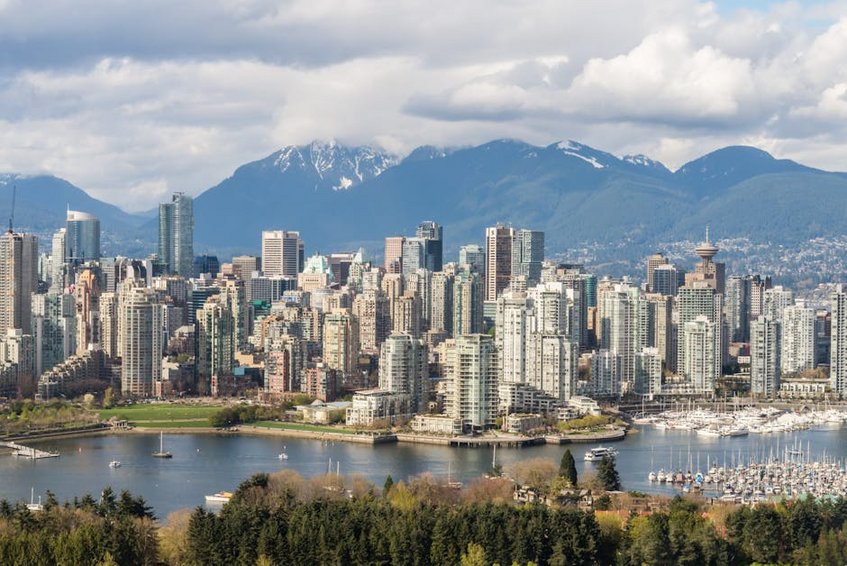
Vancouver Travel Guide: Explore Canada’s Coastal Gem
Vancouver blends urban sophistication with breathtaking natural beauty, creating a dynamic coastal metropolis unlike any other. This comprehensive Vancouver travel guide provides the essential information for navigating its diverse neighborhoods, accessing stunning outdoor adventures, and savoring a world-class culinary scene. We’ll cover everything from historic districts and mountain vistas to practical logistics for a seamless Pacific Northwest vacation.
Essential Vancouver Information
Vancouver is a major city on Canada’s west coast in British Columbia. It sits on the traditional territories of the Musqueam, Squamish, and Tsleil-Waututh Nations. The city’s unique geography places it between the Pacific Ocean and the Coast Mountains, offering both ocean and mountain views.
The climate is temperate by Canadian standards, characterized by mild, wet winters and warm, dry summers. Vancouver operates on Pacific Standard Time (UTC-8) and observes Daylight Saving Time. English is the primary language, with a significant Mandarin and Punjabi speaking population reflecting its diverse cultural makeup.
City Layout and Key Areas
Understanding Vancouver’s distinct neighborhoods is crucial for planning.
- Downtown: The dense urban core contains business districts, Robson Street shopping, and the waterfront Coal Harbour. It’s highly walkable and serviced by the SkyTrain.
- West End: A vibrant, residential neighborhood bordering Stanley Park. It’s known for its diverse community, excellent restaurants on Denman Street, and proximity to English Bay.
- Gastown & Chinatown: The historic heart of the city. Gastown features cobblestone streets and the iconic steam clock, while Chinatown is one of the largest and oldest in North America.
- Yaletown & False Creek: A trendy, converted warehouse district with upscale lofts, boutiques, and restaurants lining the False Creek seawall.
- Kitsilano: A laid-back, family-friendly area across the Burrard Street Bridge. It’s famous for its beach, outdoor pool, and views of the downtown skyline.
- Budget Traveler ($80-120 USD/day): Stay in hostels or budget hotels outside downtown. Use public transit, enjoy free attractions like Stanley Park, and eat at food trucks or markets like Granville Island. Focus on picnic lunches and happy hour specials.
- Mid-Range Traveler ($150-250 USD/day): Book a hotel in the West End or near a SkyTrain station. Dine at mid-range restaurants for most meals, take a ferry to Granville Island, and pay for key attractions like the Capilano Suspension Bridge. Consider a day trip to Whistler.
- Luxury Traveler ($350+ USD/day): Stay at waterfront hotels in Coal Harbour or Yaletown. Enjoy fine dining at award-winning restaurants, take guided tours or private charters, and indulge in spa treatments. Book helicopter tours or seaplane adventures for unparalleled views.
- Destination Vancouver Official Tourism Site
- TransLink Metro Vancouver Transportation
- Vancouver’s Best Places Travel Resource
Vancouver’s Weather and Seasons
Vancouver’s weather is famously mild but can be unpredictable due to its coastal location. Summers, from late June to early September, are generally dry and sunny with average highs between 68-75°F (20-24°C). This is the peak tourist season with long daylight hours.
Winter runs from November to February, bringing consistent rain and average temperatures of 37-46°F (3-8°C). Snow is rare in the city but abundant on the North Shore mountains. The shoulder seasons of spring and fall offer fewer crowds and pleasant, though sometimes damp, conditions for exploration.
Cultural Context and History
Modern Vancouver was incorporated in 1886 following the arrival of the Canadian Pacific Railway. Its economy was built on forestry and the port. Today, it’s a hub for technology, film production, and tourism. The city consistently ranks as one of the world’s most livable, celebrated for its environmental policies, cultural diversity, and high quality of life.
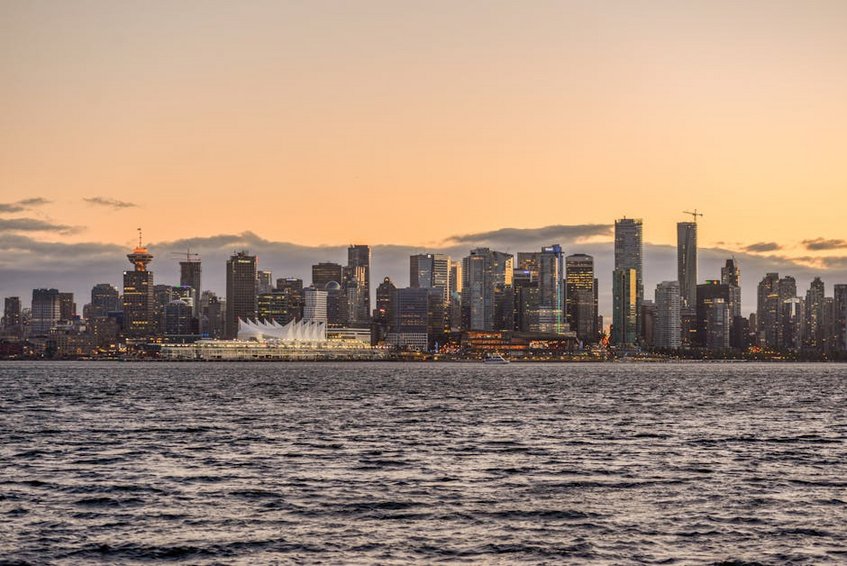
Alt: “vancouver-downtown-skyline-stanley-park-mountains”
Vancouver Travel Guide – Planning Your Trip
Effective planning transforms a good Vancouver visit into a great one. This coastal city offers year-round appeal, but your activities will dictate the best time for your visit. A thoughtful approach to budgeting and timing ensures you experience the best of both urban and natural attractions without unnecessary stress.
Allocate funds for diverse experiences, from museum admissions and ferry rides to indulging in the renowned food scene. Accommodation costs vary significantly by neighborhood and season, with downtown hotels commanding premium rates. Consider your priorities—proximity to attractions versus budget—when selecting your base.
Best Time to Visit Vancouver
For ideal weather and outdoor activities, visit between June and September. July and August are the warmest and driest months, perfect for beach days, hiking, and patio dining. However, this is also the busiest and most expensive period, requiring bookings months in advance.
The shoulder months of May and October offer a compelling balance. Crowds thin, prices moderate, and the weather is often still pleasant for city exploration. Winter appeals to skiers and snowboarders, with world-class resorts like Whistler just a two-hour drive away, despite the rainy city conditions.
Budget Planning and Costs
Daily costs vary widely based on travel style. Here’s a realistic breakdown per person.
Essential Preparation Checklist
Pack layers regardless of season, including a waterproof jacket and comfortable walking shoes. For summer, add sunglasses and sunscreen; for winter, a warm layer and umbrella are essential. If hiking, bring proper footwear and a daypack.
Ensure your passport is valid if traveling internationally. U.S. citizens do not need a visa for tourist stays under 180 days. Purchase travel insurance that covers medical emergencies. Book major accommodations and popular restaurant reservations 2-3 months in advance for summer trips.
Top Attractions and Activities
Vancouver’s charm lies in its seamless blend of urban culture and outdoor adventure. You can visit a world-class museum, hike an ancient forest, and sample international cuisine all in one day. The city’s layout encourages exploration, with many top sites accessible via walking, cycling, or efficient public transit.
Prioritize experiences that highlight this unique duality. Allocate time for both iconic landmarks and spontaneous neighborhood discoveries. Many attractions, like the sprawling Stanley Park, are free, allowing you to balance your itinerary between paid tours and independent exploration.
Must-See Highlights
Stanley Park is a 1,000-acre urban oasis surrounded by a 5.5-mile (9 km) seawall perfect for walking or cycling. Inside, don’t miss the totem poles at Brockton Point, the lush rainforest trails, and the Vancouver Aquarium. Admission to the park is free, though the aquarium charges about $40 USD.
Granville Island, actually a peninsula, is a hub of activity under its famous public market. Browse fresh local produce, artisan crafts, and unique eateries. Access is via a short ferry ride from downtown or a walk across the bridge. The market itself is free to explore, with plenty of affordable food samples.
The Capilano Suspension Bridge Park features a 450-foot-long bridge suspended 230 feet above the Capilano River. The park also includes treetop adventures and a cliffwalk. It costs approximately $55 USD for adults. For a free alternative, visit the nearby Lynn Canyon Park which has its own suspension bridge.
Hidden Gems and Local Favorites
Escape the downtown bustle in Deep Cove, a charming waterfront community in North Vancouver. Rent a kayak to paddle the serene Indian Arm fjord or hike the challenging but rewarding Baden-Powell Trail to Quarry Rock for stunning views. It’s a 30-minute drive or bus ride from downtown.
Explore the Museum of Anthropology at UBC to understand the region’s First Nations heritage. Its collection of totem poles and ceremonial objects is unparalleled. Admission is around $18 USD. Afterwards, walk the nearby Pacific Spirit Regional Park or visit the dramatic Wreck Beach.
Take a ferry to Bowen Island for a peaceful half-day retreat. The 20-minute ride from Horseshoe Bay feels like a journey to a slower-paced world. Wander the tiny Cove village, enjoy artisan ice cream, and hike one of the easy forest trails before returning to the city.
Outdoor Adventures
The North Shore mountains provide immediate access to wilderness. In summer, hike the Grouse Grind, a steep 1.8-mile trail up Grouse Mountain (often called “Mother Nature’s Stairmaster”). Alternatively, take the Skyride gondola up and hike down. In winter, these same mountains offer skiing and snowboarding just minutes from the city.
Cycle or walk the entire Seawall network, which connects Stanley Park around False Creek to Kitsilano and beyond. Rent a bike from numerous shops near the park entrance. The flat, dedicated path offers continuous views of water, mountains, and cityscapes, making it a quintessential Vancouver activity.
Practical Travel Information
Navigating Vancouver is straightforward thanks to its integrated public transit system, TransLink. The network includes SkyTrain (elevated rail), SeaBus (passenger ferry), and an extensive bus system. Purchase a reloadable Compass Card for the easiest and most cost-effective travel across all modes.
Accommodation choices range from high-rise downtown hotels to characterful heritage bed and breakfasts in the West End. Location is key—staying near a SkyTrain station expands your affordable options beyond the expensive downtown core while keeping the city accessible.
| Accommodation Type | Best For / Features | Avg. Nightly Rate (USD) |
|---|---|---|
| Downtown Luxury Hotel | Proximity to business/shopping, waterfront views, concierge service | $300 – $500+ |
| West End Boutique Hotel | Character, walkable to Stanley Park & beaches, local dining | $180 – $300 |
| Yaletown Modern Condo/Airbnb | Families or longer stays, kitchen facilities, trendy neighborhood | $200 – $350 |
| Budget Hostel / Motel (Near Transit) | Solo travelers & backpackers, social atmosphere, basic amenities | $80 – $150 |