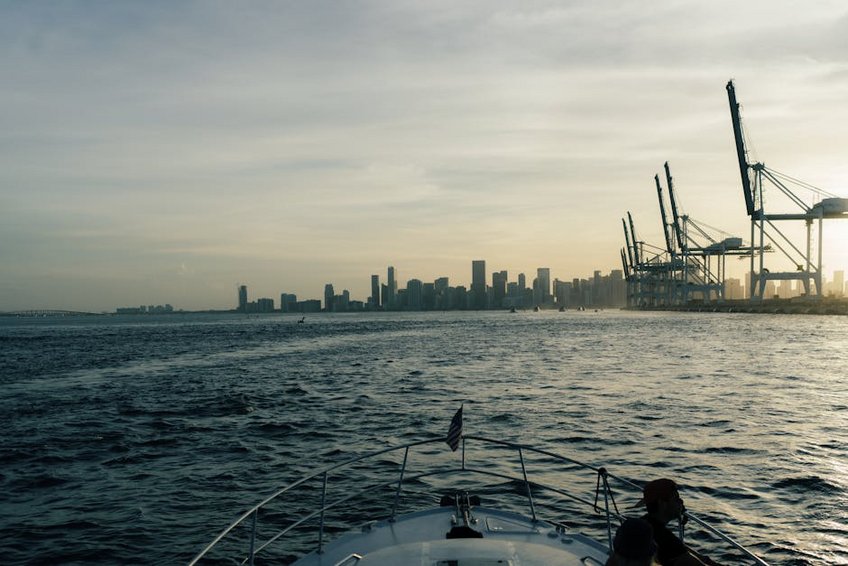
Miami Travel Guide: Sun, Style, and South Florida Culture
Your Miami travel guide begins with understanding this dynamic coastal metropolis. Miami offers a unique fusion of Art Deco architecture, Latin American energy, and world-famous beaches, creating an urban playground unlike any other in the United States. This guide provides the essential details, from navigating vibrant neighborhoods to tasting authentic cuisine, ensuring you experience the full spectrum of the Magic City.
Essential Miami Information
Miami is the cultural and financial heart of South Florida. The city’s population speaks predominantly Spanish, with a rich Cuban, Colombian, and Venezuelan influence shaping daily life. Its tropical monsoon climate means warm, humid weather year-round, punctuated by a wet season from May to October.
Winters are dry and pleasant, drawing the largest tourist crowds. Summers bring intense heat and afternoon thunderstorms, though hotel rates become significantly more affordable. The city operates on Eastern Standard Time (UTC-5) and observes Daylight Saving Time.
Key Facts at a Glance
Before you pack your bags, keep these core details in mind for your South Florida trip.
- Currency: US Dollar (USD). Credit cards are widely accepted, but carry small bills for markets and tips.
- Language: English is official, but Spanish is the dominant language in many neighborhoods. Basic Spanish phrases are helpful.
- Best Airport: Miami International Airport (MIA) is the primary gateway, located just 8 miles (13 km) from downtown.
- Budget Traveler ($100-$200 per day): Stay in hostels in Downtown or Little Havana, use public Metromover and buses, eat at Cuban counters (fritas, medianoches), and enjoy free beaches and street art walks in Wynwood.
- Mid-Range Traveler ($250-$450 per day): Book a boutique hotel in Coral Gables or South Beach, use ride-shares for longer trips, dine at mid-range restaurants in the Design District, and splurge on one guided tour, like a Everglades airboat adventure.
- Luxury Traveler ($600+ per day): Reserve a waterfront room in Miami Beach or Brickell, hire a car service, dine at award-winning restaurants like Ariete or Stubborn Seed, and charter a private yacht for an afternoon on Biscayne Bay.
- Greater Miami Convention & Visitors Bureau
- National Park Service – Everglades
Visa and Entry Requirements
US citizens need only a government-issued photo ID for domestic flights. International visitors from visa-waiver countries must obtain an ESTA authorization before travel. Citizens of other nations require a valid US visitor (B-2) visa. Always check the official U.S. Department of State website for the most current entry rules before booking.
Your passport must be valid for at least six months beyond your planned departure date. Customs declarations are strict regarding food, plants, and large amounts of currency. Have your accommodation details and return flight itinerary readily available for inspection upon arrival.
A Brief Cultural History
Modern Miami’s identity was forged in the 20th century. The 1920s land boom led to the construction of the iconic pastel-colored Art Deco District in Miami Beach. The Cuban Revolution of 1959 triggered a massive influx of exiles, transforming the city’s cultural and culinary landscape. Subsequent waves of migration from across Latin America and the Caribbean cemented its status as a global crossroads.
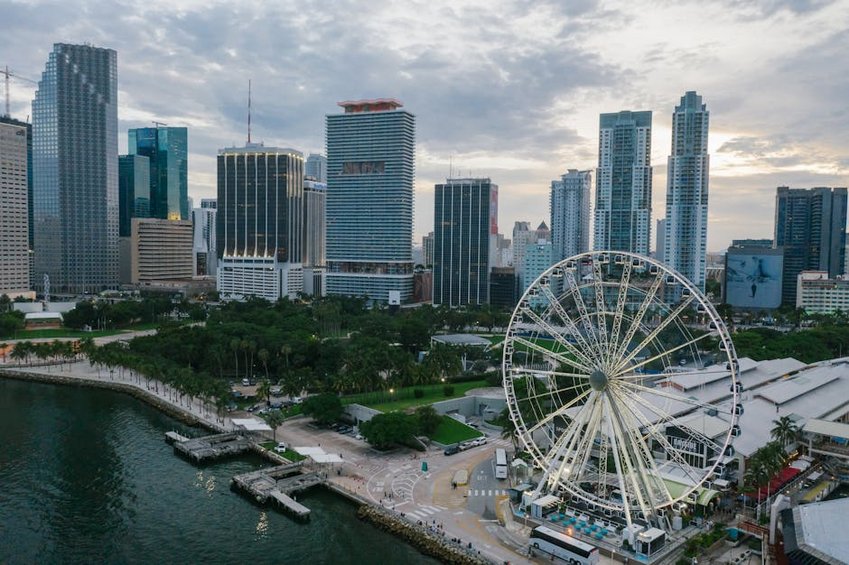
Alt: “miami-beach-art-deco-district-ocean-drive-colorful-buildings”
Miami Travel Guide – Planning Your Trip
Crafting the perfect Miami itinerary requires balancing beach time, cultural exploration, and nightlife. A successful visit hinges on choosing the right neighborhood as your base. Your budget will stretch further if you visit during the shoulder seasons and utilize the city’s public transit where possible. Prioritize reservations for top restaurants and popular attractions well in advance.
Best Time to Visit Miami
Peak season runs from December to April, featuring ideal weather between 70°F and 85°F (21°C to 29°C) with low humidity. This period also brings the highest prices and biggest crowds, especially during holiday weeks and spring break. Book hotels and flights at least three months ahead for winter visits to secure the best rates.
The shoulder months of May and November offer a sweet spot with warm temperatures and fewer tourists. The wet season from June to October is hot (80°F-95°F / 27°C-35°C) and humid, with daily afternoon storms. However, hotel prices can drop by 30-50%, making it a prime time for budget-conscious travelers who don’t mind the heat.
Budget Planning and Costs
Miami caters to all spending levels, from hostel bunks to oceanfront penthouses.
Essential Preparation Checklist
Pack light, breathable clothing, a high-SPF sunscreen, a wide-brimmed hat, and sunglasses. Include a compact umbrella or light rain jacket if visiting during summer. For footwear, bring comfortable walking shoes for exploring and stylish options for evening outings. Swimwear is a daily essential, regardless of your planned activities.
Ensure your driver’s license is valid if you plan to rent a car. International visitors should have travel insurance that covers healthcare in the USA. Download helpful apps like the Miami-Dade Transit tracker, a ride-share app (Uber/Lyft), and restaurant reservation platforms like OpenTable or Resy for last-minute bookings.
Top Attractions and Activities
Miami’s appeal stretches far beyond its famous shoreline. The city boasts world-class art museums, vibrant historic neighborhoods, and unique natural ecosystems at its doorstep. Allocate time to explore both the urban energy and the serene outdoor spaces that define the region. Many major attractions are clustered, allowing for efficient day-by-day exploration.
Must-See Highlights
South Beach’s Art Deco Historic District is non-negotiable. Stroll along Ocean Drive to admire the meticulously preserved 1930s architecture. Visit the Bass Museum or the Wolfsonian-FIU for culture. The beach itself is public, with lifeguard stations and rental facilities for chairs and umbrellas.
Wynwood Walls is an outdoor museum of large-scale street art. The surrounding Wynwood neighborhood is packed with art galleries, breweries, and trendy cafes. Plan to spend 2-3 hours here, preferably in the late afternoon when the heat subsides. General admission to the Walls is around $12.
Vizcaya Museum and Gardens is a stunning Italian Renaissance-style villa built in 1916. The mansion and its formal gardens overlook Biscayne Bay, offering phenomenal photo opportunities. Allow at least two hours for a visit. Tickets cost approximately $25 for adults, with discounts available online.
Hidden Gems and Local Favorites
Escape the crowds at the Venetian Pool in Coral Gables. This historic public swimming pool, carved from a coral rock quarry, features cave-like grottos, waterfalls, and bridges. It’s a refreshing and uniquely beautiful spot, especially on a hot day. Check their seasonal schedule before visiting.
For an authentic local experience, spend an evening in Little Havana. Watch veteran players dominate dominoes at Maximo Gomez Park (Domino Park). Sample a *cafecito* (Cuban espresso) and a *pastelito* (guava pastry) from a walk-up window. Calle Ocho (SW 8th Street) is the vibrant heart of this community.
Nature and Wildlife Excursions
The Everglades National Park is a one-hour drive west of downtown Miami. This vast subtropical wilderness is home to alligators, manatees, and rare birds. Take an airboat tour from operators near the park entrance for an exhilarating way to see the “River of Grass.” Alternatively, hike the Anhinga Trail for guaranteed wildlife sightings.
For a closer nature fix, visit the Fairchild Tropical Botanic Garden in Coral Gables. Its 83 acres feature stunning collections of rare tropical plants, a butterfly conservatory, and tranquil lakes. It’s a peaceful contrast to the city’s hustle. Kayaking through the mangroves at Oleta River State Park is another excellent outdoor activity.
Practical Travel Information
Navigating Miami is easier once you understand its layout and transit options. The city is spread out, so choosing transportation wisely impacts your daily budget and schedule. Accommodation varies dramatically by neighborhood, each offering a distinct vibe and price point. Research areas carefully to match your travel style.
| Accommodation Area | Best For & Vibe | Average Nightly Rate (USD) |
|---|---|---|
| South Beach | Nightlife, Beach Access, Art Deco Charm. Lively and tourist-centric. | $250 – $600+ |
| Brickell / Downtown | Business Travel, Luxury Dining, Modern High-Rises. Upscale and urban. | $200 – $500 |
| Coconut Grove | Families, Sailing, Bohemian Atmosphere. Leafy, relaxed, and waterfront. | $180 – $400 |
| Little Havana | Budget Travel, Authentic Culture, Food Exploration. Vibrant and local. | $100 – $250 |