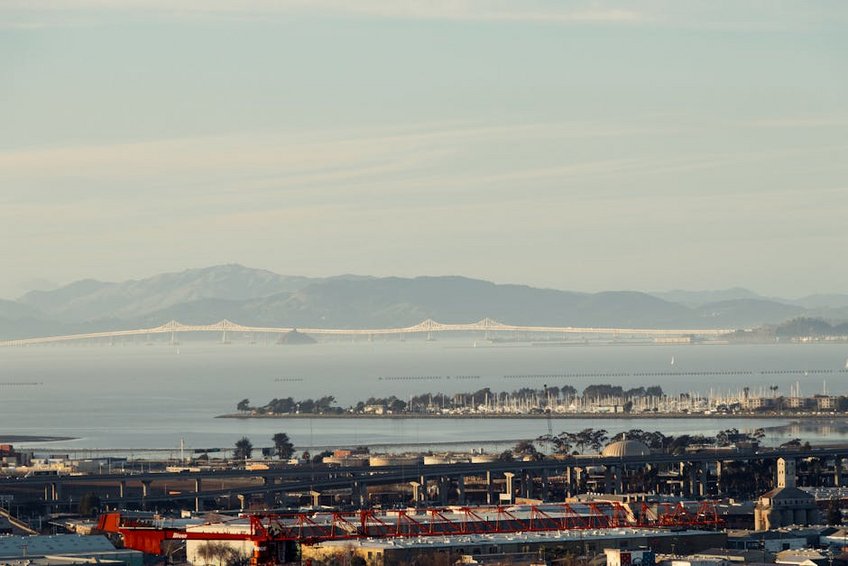
San Francisco Travel Guide: Exploring the Iconic Bay City
San Francisco is a compact metropolis renowned for its stunning hills, historic cable cars, and iconic Golden Gate Bridge. This Northern California destination offers diverse neighborhoods, world-class cuisine, and a rich cultural tapestry shaped by the Gold Rush and counterculture movements. This guide provides essential logistics, seasonal tips, and local insights for planning your visit to the Bay Area’s most famous city.
Essential San Francisco Information
Located on a peninsula in Northern California, San Francisco’s climate is famously mild and often foggy, influenced by the Pacific Ocean and San Francisco Bay. The city spans just under 47 square miles but packs in steep hills, waterfront parks, and distinct cultural districts. Its history as a Spanish mission site, Gold Rush boomtown, and 1960s hippie epicenter creates a unique urban character you’ll find nowhere else.
The city operates on Pacific Time (PT) and uses the US Dollar (USD). English is the primary language, though you’ll hear a multitude of tongues in neighborhoods like Chinatown and the Mission. For Western visitors, entry follows standard US visa waiver or visa requirements, with no additional regional permits needed for the city itself.
City Geography and Climate
Understanding the layout and weather is key to enjoying your Northern California trip. The famous fog, known as “Karl,” often rolls in from the ocean, especially in summer afternoons.
- Neighborhood Layout: The city is a patchwork of districts, from the bustling Financial District downtown to the pastel houses of Victorians in Haight-Ashbury and the Italian flavor of North Beach.
- Microclimates: Weather can change dramatically block-by-block. The Mission District is often sunny while the Sunset District is foggy. Always carry a light jacket.
- Topography: San Francisco’s famous hills offer breathtaking views but require comfortable walking shoes. The steepest, like Filbert Street, have gradients exceeding 31%.
- Budget Traveler ($150-$250/day): Stay in hostels or budget hotels in the Civic Center, use public transit exclusively, enjoy affordable eats in Chinatown or the Mission, and focus on free sights like walking across the Golden Gate Bridge or exploring Golden Gate Park.
- Mid-Range Traveler ($300-$500/day): Book a hotel in neighborhoods like Union Square or Fisherman’s Wharf, take occasional rideshares, dine at well-rated mid-tier restaurants, and include paid attractions like an Alcatraz night tour ($56.30) or a guided food tour.
- Luxury Traveler ($600+/day): Stay at premier hotels like the Fairmont or Ritz-Carlton, enjoy fine dining at Michelin-starred restaurants, book private guided tours of Muir Woods or Napa Valley, and consider a sunset sail on the bay.
- San Francisco Travel Association
- National Park Service – Alcatraz Island
- San Francisco Municipal Transportation Agency (SFMTA)
A Brief Historical Context
Modern San Francisco was shaped by several seismic events, both geological and cultural. The 1906 earthquake and fire led to a massive reconstruction, creating the city you see today. The post-World War II era saw the birth of the Beat Generation in North Beach coffeehouses.
The 1967 Summer of Love centered in Haight-Ashbury cemented the city’s reputation as a hub of counterculture. Meanwhile, the late 20th-century tech boom, originating in nearby Silicon Valley, continues to drive the economy and shape the urban landscape, creating a fascinating blend of old and new.
Getting Your Bearings
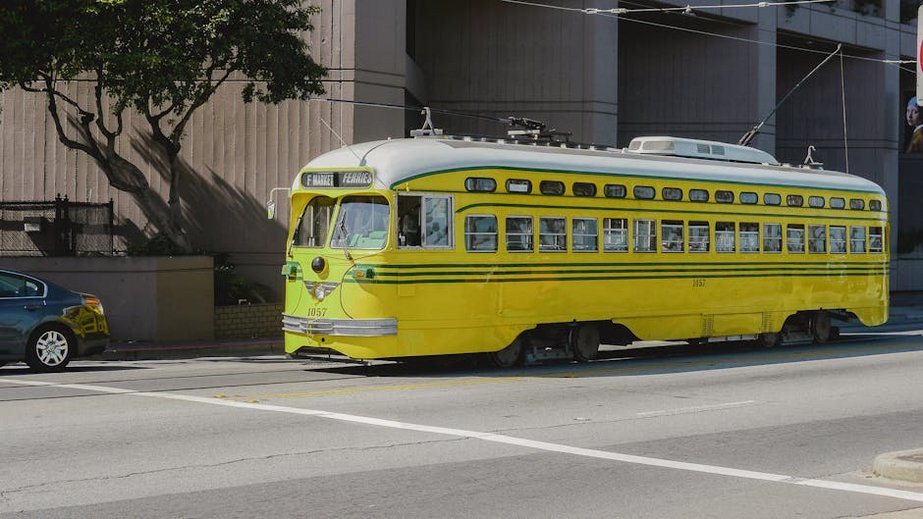
Public transportation is managed by the San Francisco Municipal Transportation Agency (SFMTA), which runs buses, historic streetcars, and the iconic cable cars. A Clipper Card is the most efficient way to pay for all transit. While the city is very walkable in its core, the hills and distances between some districts make transit or rideshares a practical choice.
Major annual events like the Pride Parade in June or Fleet Week in October can draw huge crowds and affect hotel prices and availability. Checking the city’s event calendar before booking your Bay Area travel is a wise move to align with—or avoid—these peak times.
Alt: “san-francisco-golden-gate-bridge-foggy-morning-view”
San Francisco Travel Guide – Planning Your Trip
Successful exploration of this city requires thoughtful planning around its unique climate and geography. The best itineraries balance iconic sights with neighborhood immersion, allowing time for both the Powell Street cable car turnabout and a quiet afternoon in Golden Gate Park. Budgeting accurately is crucial, as the city is one of the most expensive in the United States for accommodation and dining.
Your San Francisco travel plan should account for variable weather by layering clothing. A typical day might start sunny, turn foggy and cool by afternoon, and then clear again by evening. Booking major attractions like Alcatraz Island tours weeks or even months in advance is non-negotiable, especially during the summer high season.
Best Time to Visit San Francisco
The peak tourist season runs from September through November, offering the warmest, sunniest weather and minimal fog, with average highs of 70°F (21°C). This period also coincides with major events and has higher hotel rates. Late spring, specifically May, is another excellent window with pleasant temperatures and blooming flowers across the city’s parks.
Contrary to most destinations, summer (June-August) is often cool and foggy, especially west of Twin Peaks, with highs around 67°F (19°C). Winter is the rainy season, with January seeing about 7 rainy days on average, but it offers the lowest hotel prices and smallest crowds. There is no truly bad time for a Bay Area visit, just different atmospheric experiences.
Budget Planning and Costs
A Bay City visit requires careful financial planning. Costs are stratified, but public spaces and natural beauty provide free enjoyment.
Essential Preparation Checklist
Packing for San Francisco means preparing for cool weather regardless of the season. Essential items include a warm, wind-resistant jacket, layered clothing like sweaters and long sleeves, and very comfortable walking shoes with good traction for steep, sometimes slippery, hills. A reusable water bottle and a portable phone charger are also must-haves for long days of exploration.
International travelers must ensure compliance with U.S. entry requirements, including an ESTA authorization under the Visa Waiver Program if eligible. Travel insurance that covers trip interruption is recommended. Make key bookings—especially for Alcatraz, popular restaurants, and your primary lodging—at least two to three months before your summer or fall visit.
Top Attractions and Neighborhood Explorations
This city’s landmarks are globally recognizable, but its true charm lies in its eclectic neighborhoods. A balanced itinerary includes both the must-see postcard sights and time to wander less-heralded districts. The compact nature of the city center allows you to experience multiple areas in a single day, especially if you utilize the efficient transit network.
From the bustling piers of Fisherman’s Wharf to the serene Japanese Tea Garden, the variety is staggering. Allocate time simply to ride a historic cable car up and down the hills, an experience that is both a practical commute and a moving landmark. Remember that some of the best views are free from places like Twin Peaks or the Marin Headlands across the bay.
Must-See Highlights
The Golden Gate Bridge is the undeniable icon. Walking or biking across its 1.7-mile span offers unparalleled views of the city, Alcatraz, and the bay. For the classic photo, visit the viewing area at the bridge’s southeast end. Alcatraz Island, the infamous former federal prison, requires advance booking via the official National Park Service ferry.
Fisherman’s Wharf, while touristy, offers fun atmosphere, sea lion sightings at Pier 39, and access to ferry services. For a green escape, Golden Gate Park is larger than New York’s Central Park and houses the California Academy of Sciences, de Young Museum, and the peaceful Japanese Tea Garden. A ride on a historic cable car, particularly the Powell-Hyde line, is a quintessential and functional experience.
Hidden Gems and Local Favorites
Venture beyond the classic checklist to find the city’s soul. The Wave Organ, a sonic sculpture on a jetty in the Marina District, creates gentle sounds from the tide. In the Outer Sunset neighborhood, you’ll find Ocean Beach, quirky coffee shops, and the lush flora of the San Francisco Botanical Garden tucked inside Golden Gate Park.
The Mission District’s Clarion Alley is an ever-changing canvas for community-based murals, offering a raw contrast to more formal art spaces. For a unique urban hike, follow the hidden stairway gardens of the Filbert Steps on Telegraph Hill, leading to the iconic Coit Tower with fewer crowds than the main entrance.
Museums and Cultural Institutions
San Francisco’s museum scene is world-class. The de Young Museum in Golden Gate Park focuses on American art, while the neighboring Legion of Honor boasts a superb collection of European works. The San Francisco Museum of Modern Art (SFMOMA) is one of the largest modern art museums in the country.
For interactive science, the Exploratorium at Pier 15 is fantastic for all ages. The Contemporary Jewish Museum and the Asian Art Museum offer deep cultural dives. Many museums have free admission days for Bay Area residents on certain monthly schedules, which are worth checking before your visit.
Practical Travel Information and Logistics
Navigating the City by the Bay is straightforward with a little preparation. The city’s grid system is interrupted by its many hills and parks, so a mapping app is essential. While the downtown core is very walkable, the comprehensive public transit system of buses, streetcars, and cable cars will save your legs when visiting outer neighborhoods or dealing with steep inclines.
Accommodation prices are among the highest in the nation, with location dramatically affecting cost and experience. Staying near Union Square offers central transit access, while Fisherman’s Wharf provides tourist convenience. Neighborhoods like the Mission or Hayes Valley offer more local flavor and slightly better value, with excellent dining scenes right outside your door.
| Accommodation Type | Best For / Features | Average Nightly Rate (USD) |
|---|---|---|
| Luxury Hotel | Union Square/Nob Hill locations, full service, iconic views | $400 – $800+ |
| Boutique Hotel | Design-focused in neighborhoods like Hayes Valley or Mission | $250 – $450 |
| Mid-Range Chain | Civic Center or Fisherman’s Wharf, reliable amenities | $180 – $300 |
| Budget Hotel/Hostel | Basic lodging, often near public transit hubs | $100 – $175 |