Birmingham Travel Guide: Discover the Heart of England
Navigating Birmingham, the UK’s vibrant second city, reveals a dynamic mix of industrial heritage, diverse culture, and modern innovation. This guide provides the essential framework for exploring its regenerated canals, world-class museums, and celebrated culinary scene. You will find detailed itineraries, cost-effective tips, and local insights for a seamless visit to England’s compelling West Midlands hub.
Essential Birmingham Information
Birmingham’s history is deeply rooted in the Industrial Revolution, earning it the nickname “The Workshop of the World.” This past is visible in its restored Victorian architecture and extensive canal network, which now buzzes with cafes and boutiques. The city has successfully reinvented itself as a major cultural and business destination for the 21st century.
Geographically, it sits at the center of England’s transport network, making it an ideal base for exploring the wider region. Culturally, Birmingham is one of the UK’s most diverse cities, with a rich tapestry of communities influencing its food, festivals, and daily life. Understanding this context enriches every aspect of your visit.
Key Historical Facts to Know
These points highlight the city’s transformation from industrial powerhouse to modern metropolis.
- The city’s over 35 miles of canals, more than Venice, were crucial for transporting goods during the 18th and 19th centuries and are now a centerpiece for leisure.
- J.R.R. Tolkien spent his early years in Birmingham, and areas like Sarehole Mill and the Perrott’s Folly tower are said to have inspired scenes in ‘The Lord of the Rings.’
- The iconic Bullring shopping centre, home to the famous Bull statue, sits on a market site that has been used for trade for over 800 years.
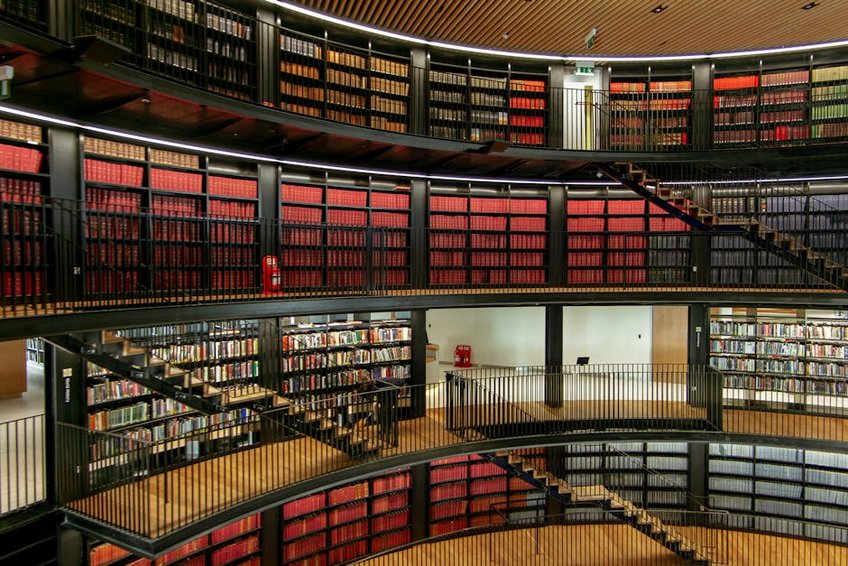
- Budget Traveler ($70-$100): Stay in a hostel, use free museums and self-guided walks, enjoy street food and market eats, and travel via bus or on foot. Focus on low-cost activities like exploring the Library of Birmingham.
- Mid-Range Traveler ($150-$250): Book a central hotel or boutique apartment, dine at popular restaurants and Balti houses, visit paid attractions like the Back to Backs, and use taxis or trains for some journeys.
- Luxury Traveler ($350+): Stay at a 5-star hotel like The Grand, enjoy fine dining at Michelin-starred restaurants, book private tours of the Jewellery Quarter, and attend performances at Symphony Hall.
- Visit Birmingham Official Tourism Site
- National Trust: Birmingham Back to Backs
City Layout and Neighborhoods
Central Birmingham is compact and walkable, centered around New Street and Victoria Square. The core areas include the shopping-focused Retail Quarter, the Chinese Quarter with its arch and restaurants, and the creative Digbeth area with its street art and independent venues. Understanding these distinct zones helps in planning your daily explorations efficiently.
For a more local vibe, venture to neighborhoods like the Jewellery Quarter, a historic district of craft workshops and cafes, or Moseley, known for its village-like feel and excellent independent shops. Each district offers a different slice of city life, from bustling commerce to relaxed suburban charm.
Cultural Significance Today
Birmingham is a UNESCO City of Music, recognizing its vibrant live scene from symphony orchestras to grassroots venues. It is also a leading center for the arts, hosting major institutions like the Birmingham Royal Ballet and the world-renowned City of Birmingham Symphony Orchestra. This creative energy is palpable throughout the city.
The city’s cultural calendar is packed with events like the Birmingham International Jazz Festival and the Diwali celebrations, some of the largest outside India. This blend of high art and community festival creates a dynamic and inclusive atmosphere for all visitors.
Alt: “birmingham-city-skyline-canals-victorian-architecture-modern-buildings”
Birmingham Travel Guide – Planning Your Trip
Creating a successful itinerary for England’s second city involves balancing iconic sights with hidden gems. Focus your time in the walkable city center but allocate days for distinct neighborhoods like the Jewellery Quarter and Digbeth. Advance booking for major attractions and popular restaurants is highly recommended, especially on weekends.
A well-planned Birmingham visit strategically uses the excellent public transport to connect central sites with outer districts like the Bournville model village. Your budget should account for museum entry fees, which are often voluntary donations, and the cost of diverse dining options, from Balti curries to fine dining.
Best Time to Visit Birmingham
The ideal months for a Birmingham city break are from May to September, when average temperatures range from 59°F to 68°F (15°C to 20°C). This period offers the best chance for dry weather, perfect for walking along the canals and enjoying outdoor events and markets. Accommodation prices peak during summer and major conferences.
Shoulder seasons in April and October see cooler temps of 46-57°F (8-14°C) but fewer crowds and lower hotel rates. Winter visits from November to March are chilly, 36-46°F (2-8°C), but feature festive Christmas markets, cozy pubs, and indoor cultural attractions, providing a classic British urban experience.
Budget Planning and Costs
Daily costs vary significantly based on your travel style. Here is a realistic breakdown for a per-person daily budget, excluding flights.
Essential Preparation Checklist
Pack for changeable weather with a waterproof jacket, comfortable walking shoes, and layers. For tech, bring a UK power adapter (Type G) and consider a portable charger for long days of navigation and photography. A reusable water bottle is useful, as tap water is safe to drink throughout the city.
Ensure your passport is valid for the duration of your stay. US and EU citizens do not need a visa for tourist visits under six months. Purchase comprehensive travel insurance and book major attractions like the Cadbury World tour online in advance to secure your preferred time slot and avoid queues.
Top Attractions and Activities
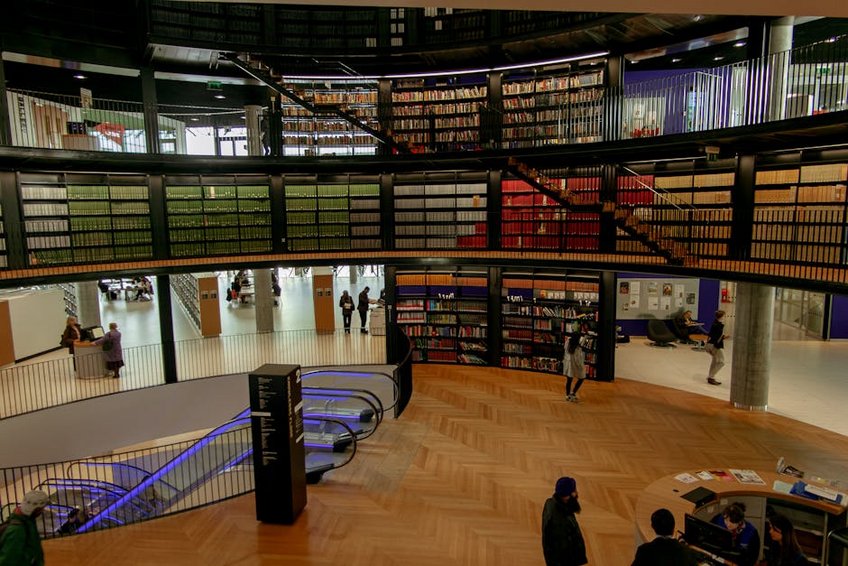
The city’s must-see landmarks beautifully blend old and new. The Library of Birmingham, with its striking modern architecture and rooftop gardens, offers stunning panoramic views. Nearby, the Birmingham Museum and Art Gallery houses an exceptional Pre-Raphaelite collection. These central sites form the cultural core of any visit.
For unique local history, the National Trust’s Birmingham Back to Backs provide a guided tour of preserved 19th-century workers’ cottages. Meanwhile, the contemporary IKON Gallery showcases cutting-edge art in a beautiful Oozells Square building. Balancing these historic and modern experiences gives a full picture of the city’s character.
Must-See Highlights
Start at Victoria Square, home to the Town Hall and the iconic “Floozie in the Jacuzzi” fountain. A short walk leads to the Cathedral Church of St Philip, a beautiful Baroque church with historic stained glass. Both landmarks are free to visit and anchor the city’s historic civic center.
The Jewellery Quarter is a living museum with over 100 jewelry businesses. Visit the Museum of the Jewellery Quarter for a tour of a preserved workshop. For shopping and people-watching, the Bullring & Grand Central complex, dominated by the futuristic Selfridges building, is a quintessential Birmingham experience.
Escape the urban bustle at the Birmingham Botanical Gardens, featuring glasshouses and themed gardens. For industrial heritage, the Thinktank Birmingham Science Museum engages all ages with interactive exhibits and historic machinery. Each attraction requires 1.5 to 3 hours for a proper visit.
Hidden Gems and Local Favorites
Explore Digbeth, the city’s creative quarter, known for its vibrant street art, independent cafes, and cultural venues like the Custard Factory. It’s best explored on a weekend when the markets are in full swing. This area offers an authentic glimpse into Birmingham’s burgeoning arts scene away from the main tourist trails.
Take a peaceful walk along the canals from Gas Street Basin to the quieter stretches near Brindleyplace. For a unique perspective, join a guided canal tour or even rent a kayak. Visit the Coffin Works, a fascinating museum in a former coffin furniture factory, for a truly offbeat piece of social history.
Family-Friendly Activities
Cadbury World in Bournville is a top choice, offering a fun, chocolate-themed experience with rides, demonstrations, and plenty of samples. Book tickets well in advance. For animal encounters, the Birmingham Wildlife Conservation Park is a compact zoo focusing on breeding endangered species, perfect for younger children.
The Sea Life Centre Birmingham provides an underwater journey with a tropical ocean tunnel. Meanwhile, the Legoland Discovery Centre offers indoor Lego play zones and model displays. Both are located at the National SEA LIFE Centre and are ideal for rainy-day itineraries with kids.
Practical Travel Information
Birmingham is exceptionally well-connected. Birmingham Airport (BHX) serves numerous international and domestic flights, while the city’s New Street and Moor Street stations are major national rail hubs. Within the city, the compact center is very walkable, but an extensive bus network and tram system (the Metro) serve outer areas efficiently.
Accommodation options span from international chain hotels in the business district to charming boutique stays in the Jewellery Quarter. For a more local experience, consider serviced apartments in areas like Brindleyplace. Booking three months in advance secures the best rates, especially for weekend stays during events.
| Accommodation Type | Best For & Location | Average Nightly Rate (USD) |
|---|---|---|
| Hostel / Budget Hotel | Solo travelers & groups; near Digbeth or the Chinese Quarter. | $50 – $90 |
| Mid-Range Hotel | Couples & families; city center or Brindleyplace with breakfast. | $120 – $220 |
| Luxury Hotel | Special occasions; Colmore Row or city center with full amenities. | $250 – $450+ |
| Serviced Apartment | Longer stays & families; Jewellery Quarter or Mailbox area. | $140 – $300 |