Manchester Travel Guide: Discover England’s Industrial Heart & Cultural Soul
Planning your Manchester travel guide unlocks a dynamic English city where Victorian heritage meets modern creativity. You will explore legendary football stadiums, world-class museums in converted warehouses, and a music scene that shaped global culture. This guide provides essential logistics, insider neighborhood tips, and cultural insights for your visit to Northern England’s most influential metropolis.
Essential Manchester Information
Manchester’s identity is rooted in its 19th-century role as the world’s first industrialized city. The cotton trade built immense wealth, visible today in grand civic architecture like the Town Hall. This industrial past directly fueled its cultural revolutions, from the punk movement to the birth of factory-recorded music.
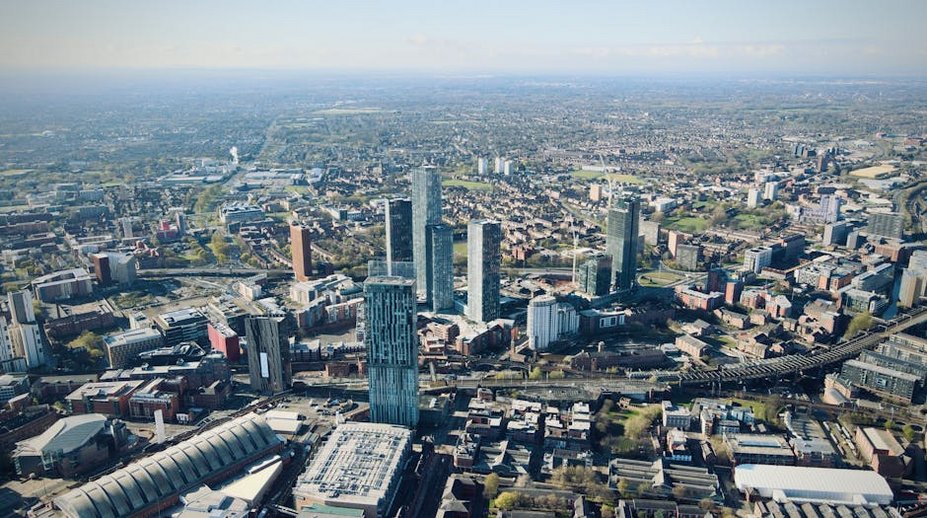
The city operates as the de facto capital of Northern England, with a metropolitan population exceeding 2.8 million. Manchester enjoys a temperate maritime climate, though frequent rainfall necessitated the creation of the covered shopping arcades you will still use today. Its resilient spirit, famously demonstrated after the 1996 IRA bombing, defines the modern, forward-looking city center.
Key Historical Contexts
Understanding these three eras explains Manchester’s unique character.
- Industrial Revolution (1760-1840): Manchester became “Cottonopolis,” pioneering canals, railways, and worker housing. The Peterloo Massacre of 1819, a pivotal protest for democratic rights, occurred here.
- Post-War Decline & Transformation (1950s-1990s): Manufacturing collapse led to urban decay, but also fostered underground music and club scenes in abandoned spaces, giving rise to The Smiths and Factory Records.
- Regeneration & Modern Era (1996-Present): Following the city center bombing, a massive rebuild created the modern glass-and-steel skyline, cultural institutions like the Imperial War Museum North, and a renewed international identity.
- Budget Traveler ($65-90/day): Stay in hostel dorms ($25-35/night), use self-catering, visit free museums, and walk or use bus passes. Prioritize free walking tours and student-priced theatre tickets.
- Mid-Range Traveler ($130-200/day): Book a central hotel like the Motel One or Roomzzz ($100-140/night), dine in mid-range restaurants, take a tram tour, and pre-book paid attractions like the John Rylands Library.
- Luxury Traveler ($300+/day): Stay at The Lowry Hotel or King Street Townhouse ($250+/night), enjoy fine dining in Spinningfields, book private guided tours, and secure premium seats for football matches or theatre performances.
- Visit Manchester Official Tourist Board
- Transport for Greater Manchester (TFGM)
- Manchester City Council
City Layout and Neighborhoods
Central Manchester is compact and highly walkable, centered around Piccadilly Gardens. The main retail core stretches along Market Street and the Arndale Centre. Key cultural districts like the Northern Quarter and Spinningfields are just minutes apart on foot, making navigation straightforward for visitors.
Distinct neighborhoods each offer a different vibe. The Northern Quarter provides independent boutiques and street art, while Spinningfields is the financial hub with high-end dining. The Gay Village, centered on Canal Street, offers vibrant nightlife, and the University area south of Oxford Road buzzes with student energy.
Climate and Weather Patterns
Manchester has a reputation for rain, with an average of 140 rainy days per year. Summers (June-August) are mild, with highs around 66-68°F (19-20°C), and long daylight hours. Winters (December-February) are cool and damp, with temperatures averaging 41-43°F (5-6°C) and limited sunshine.
Spring and autumn are often the most pleasant times for exploring. Always carry a lightweight, waterproof layer regardless of the forecast. The weather can change quickly, so dressing in layers is the most practical approach for sightseeing.
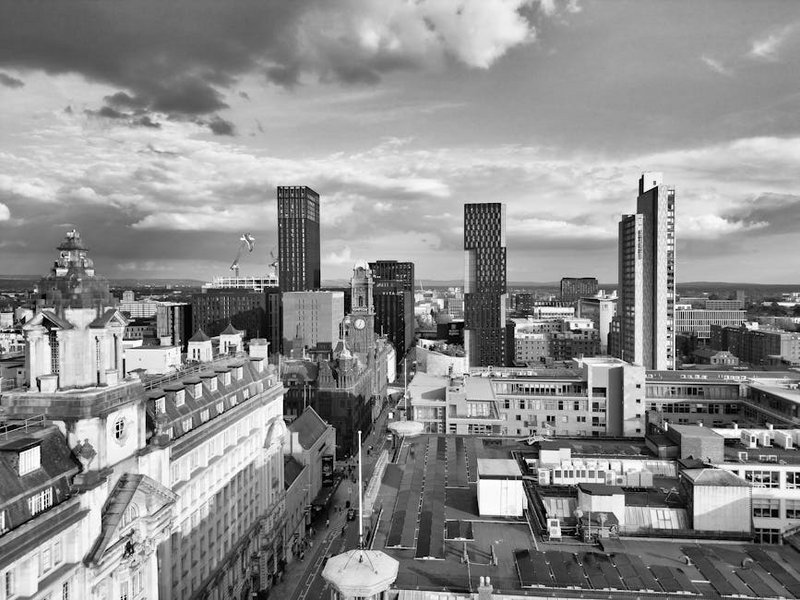
Alt: “manchester-city-center-victorian-architecture-modern-buildings”
Manchester Travel Guide – Planning Your Trip
Creating your Manchester travel guide itinerary requires balancing iconic sights with immersive local experiences. Prioritize your interests—be it football, music, or industrial history—as the city offers deep dives into each. Efficient planning ensures you experience both the world-famous attractions and the authentic urban culture that defines a visit.
Accommodation costs fluctuate significantly. Hotel rates surge during major football match days, music festivals like Parklife, and the Christmas market season from mid-November. Booking your central hotel at least two months in advance for these peak periods secures better prices and location options.
Utilize the city’s excellent public transport system, including trams and buses, by purchasing a one-day or multi-day travel card for unlimited rides. This is far more cost-effective than single tickets. For the most authentic exploration, comfortable walking shoes are non-negotiable for navigating the city’s streets and canal paths.
Best Time to Visit Manchester
The ideal months for a Manchester city break are from May to September. You will experience the mildest weather, with average highs of 61-68°F (16-20°C), and the longest days for exploration. This period also hosts key events like the Manchester International Festival in July, though it attracts larger crowds.
Shoulder seasons (April and October) offer cooler temperatures around 50-55°F (10-13°C) and fewer tourists, with hotel prices often 20-30% lower. Winter visits are dominated by the famous Christmas markets, creating a festive atmosphere despite the cold, damp conditions and short daylight hours after 4 PM.
Budget Planning and Costs
Daily costs vary widely based on your travel style.
Essential Preparation Checklist
Secure your documents first. US and EU citizens do not need a visa for tourism stays under 6 months. Ensure your passport is valid for your entire stay. Purchase comprehensive travel insurance that covers healthcare and trip disruptions, as the UK’s NHS does not automatically cover tourists.
Pack a UK power adapter (Type G), a reliable umbrella, and a waterproof jacket with a hood. Comfortable, broken-in walking shoes are essential. Download the Transport for Greater Manchester (TFGM) app for real-time tram and bus schedules, and consider purchasing an offline city map.
Top Attractions and Must-See Sights
Manchester’s attractions tell the story of its innovation and culture. You can spend a morning in a science museum housed in a Victorian train station and an afternoon in a gallery celebrating punk rock ephemera. The city seamlessly blends educational institutions with pure entertainment, often within the same historic building.
Many top museums, including the Manchester Art Gallery and the Science and Industry Museum, offer free general admission, making cultural exploration very affordable. Paid attractions, such as stadium tours, provide unparalleled access and are worth booking in advance online to guarantee your time slot and often secure a small discount.
Iconic Cultural Institutions
The Science and Industry Museum (MOSI) is a must-visit, located on the site of the world’s oldest passenger railway station. Its interactive exhibits on textiles, computing, and power machinery are fascinating. Allow at least 2-3 hours to explore its multiple buildings and see the historic working machinery demonstrations.
The John Rylands Library on Deansgate is a stunning example of neo-Gothic architecture, often compared to a cathedral. Its historic reading room and collection of rare texts, including early Christian fragments, are breathtaking. Entry is free, and visiting in the late afternoon offers beautiful light through its stained-glass windows.
For football fans, a tour of either the Etihad Stadium (Manchester City) or Old Trafford (Manchester United) is a pilgrimage. Tours last 70-90 minutes and include access to player tunnels, dugouts, and dressing rooms. Book these tours well ahead of your visit, especially on weekends.
Hidden Gems and Local Favorites
Venture to the Castlefield Urban Heritage Park, a tranquil canal basin lined with Roman ruins and converted warehouses. It is the birthplace of Manchester’s canal system and offers a peaceful escape with waterside pubs. This area provides the best perspective on the city’s layered history, from Roman forts to Victorian viaducts.
For a unique shopping experience, explore Afflecks Palace in the Northern Quarter. This multi-floor emporium is a labyrinth of independent stalls selling vintage clothing, alternative jewelry, and quirky memorabilia. It has been a counter-culture icon since the 1980s and embodies Manchester’s independent spirit.
Take a short tram ride to Salford Quays to see the Imperial War Museum North and the architecture of The Lowry centre. The area’s regeneration is impressive, and the waterfront views, especially at sunset, contrast sharply with the gritty industrial aesthetic of the past.
Music History Exploration
Manchester’s music legacy is tangible. Take a self-guided tour of significant sites: the former Hacienda nightclub (now apartments), the Salford Lads Club (iconic for The Smiths), and the streets of the Northern Quarter adorned with music-themed street art. This exploration costs nothing but offers rich context.
For a deeper dive, visit the Manchester Music Tours exhibition or book a guided walking tour that details the stories of Joy Division, The Stone Roses, and Oasis. These tours often start in the Northern Quarter and are led by passionate local experts who provide anecdotes you will not find in guidebooks.
Practical Travel Information and Logistics
Manchester is exceptionally well-connected. Manchester Airport (MAN) is the main international gateway, with three terminals and direct flights from many North American and European cities. The airport is linked to the city center by a frequent 15-20 minute train service on the Airport Line, costing approximately $5-8 (£4-6) one-way.
Within the city, the Metrolink tram network is the most efficient way to travel beyond the compact core. It connects major stations, shopping districts, and suburbs like MediaCityUK. Purchase a System One travelcard for unlimited daily travel on trams and buses if you plan multiple journeys.
| Accommodation Type | Best Areas & Features | Average Price Range (USD) |
|---|---|---|
| Budget Hostels | Northern Quarter, Gay Village; social atmosphere, shared facilities | $25-45 per night |
| Mid-Range Hotels | City Centre, Deansgate; private rooms, breakfast included, good transport links | $100-180 per night |
| Serviced Apartments | Spinningfields, Castlefield; kitchenettes, more space, longer stays | $130-220 per night |
| Luxury Hotels | King Street, near Town Hall; premium amenities, fine dining, concierge | $250-400+ per night |