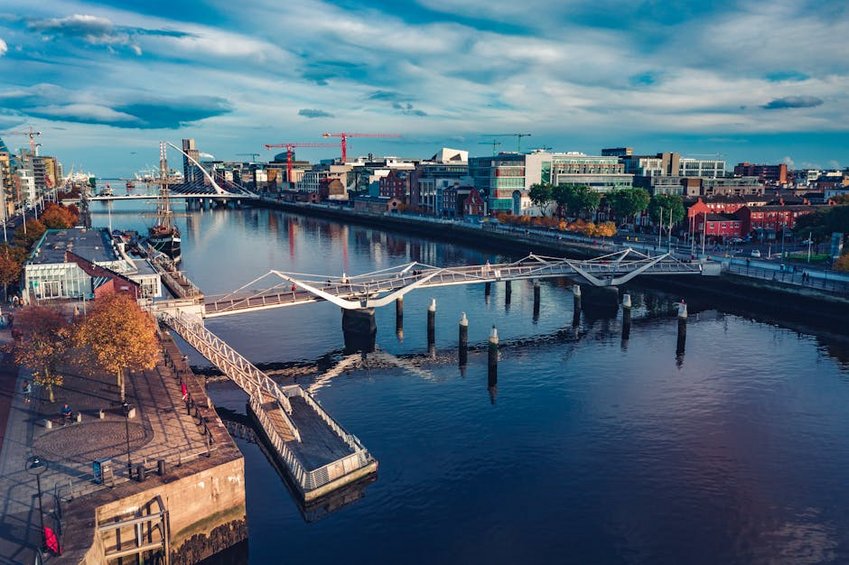
Dublin Travel Guide: Navigating Ireland’s Historic Capital
Exploring Dublin offers a dynamic blend of centuries-old history, vibrant contemporary culture, and legendary hospitality. This Dublin Travel Guide provides the essential framework for navigating a city where medieval castles stand beside modern tech hubs and cozy pubs echo with literary history. You’ll discover how to plan efficiently, experience authentically, and create a trip that balances iconic sights with local discoveries across the Irish capital’s charming neighborhoods.
Essential Dublin Information
Dublin serves as the cultural and economic heart of Ireland, located on the country’s east coast at the mouth of the River Liffey. Founded as a Viking settlement, the city’s history is palpable in its Georgian architecture, Norman castle, and cobblestone streets. The modern metropolis is surprisingly compact and walkable, with most major attractions located within a two-mile radius of the central O’Connell Street bridge.
English is the primary language, though you’ll hear Irish Gaelic (Gaeilge) on street signs and in certain cultural contexts. The city operates on Greenwich Mean Time (GMT) and uses the Euro (€) as currency. Dublin is part of the European Union, meaning U.S. and Canadian passport holders can visit for up to 90 days within a 180-day period without a visa under standard Schengen Area rules.
Weather and Climate Patterns
Dublin experiences a temperate maritime climate characterized by mild temperatures and frequent, light rain. The weather is famously changeable, often featuring multiple conditions in a single day. This unpredictability makes layered clothing an essential strategy for any visitor exploring the city’s streets and parks.
- Average temperatures range from 4-8°C (39-46°F) in winter to 14-20°C (57-68°F) in summer, with July and August being the warmest months.
- Rainfall occurs throughout the year, averaging about 30 rainy days per quarter, so always carry a light waterproof jacket or umbrella.
- Daylight varies dramatically, from nearly 17 hours in June to just over 7 hours in December, significantly impacting sightseeing plans.
- Budget Traveler ($70-100/day): Stay in hostel dorms ($30-40/night), utilize free museums, cook some meals, walk or use a LEAP visitor card for transit ($8/day), and enjoy pub atmospheres without buying multiple drinks.
- Mid-Range Traveler ($150-250/day): Book a central hotel or B&B ($120-180/night), dine at casual cafes and pubs for lunch and dinner ($40/day), take one paid tour or entrance daily, and use taxis occasionally.
- Luxury Traveler ($350+/day): Choose a four-star hotel in Georgian Dublin ($250+/night), dine at renowned restaurants like Chapter One, take private guided tours, and attend premium theater or concert performances.
- Dublin Tourism Official Website (Fáilte Ireland)
- Lonely Planet Dublin Travel Guide
City Layout and Neighborhoods
The River Liffey divides Dublin into the Northside and Southside, each with distinct character. Northside neighborhoods like Smithfield and Stoneybatter offer a more local, creative vibe with great cafes and markets. Southside areas, including Temple Bar, Georgian Dublin, and the Docklands, concentrate most major tourist attractions, high-end shopping, and business districts.
Key districts for visitors include Temple Bar for nightlife (though it can be touristy), the Cultural Quarter around Meeting House Square for galleries, and Ballsbridge for upscale dining. Don’t overlook charming suburbs like Portobello or Rathmines, which provide an authentic residential feel just a short walk from the center. Understanding this layout helps you choose accommodations aligned with your travel interests.
Cultural Context and Local Life
Dublin’s culture revolves around conversation, storytelling, and community, best experienced in its traditional pubs. The city claims four Nobel Prize winners in Literature, creating a literary legacy celebrated in museums, libraries, and walking tours. Contemporary Irish culture thrives in music sessions, theater productions at the Abbey or Gate theatres, and a robust food scene moving beyond classic pub grub.
Locals, known as Dubs, are generally friendly and helpful, though they appreciate visitors who avoid stereotyping. Tipping is not as ingrained as in the U.S.; rounding up the bill or leaving 10% for good service in restaurants is sufficient. The pace of life is relaxed, so service may feel slower, but this reflects a cultural emphasis on interaction rather than efficiency.
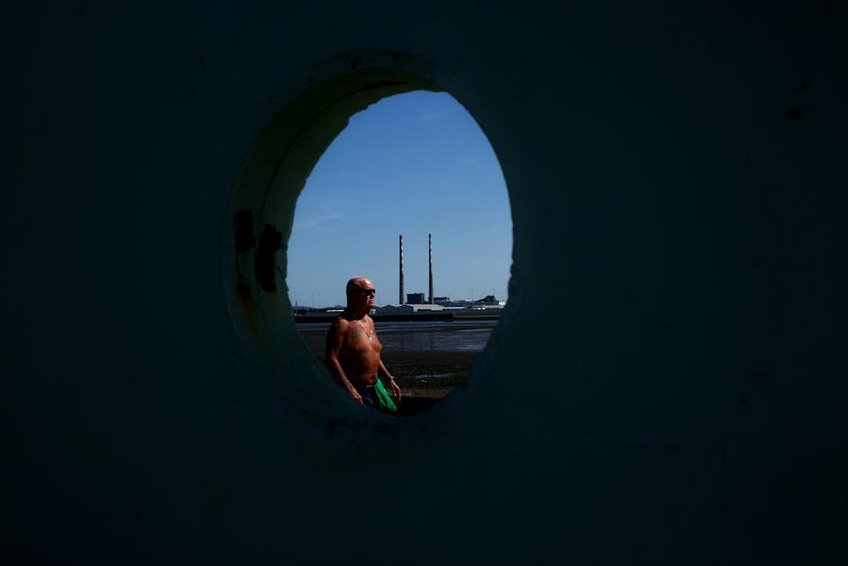
Alt: “dublin-river-liffey-ha-penny-bridge-georgian-architecture”
Dublin Travel Guide – Planning Your Trip
Strategic planning transforms a Dublin visit from a checklist tour into a deeply rewarding experience. Your Dublin Travel Guide approach should balance pre-booked essentials with spontaneous exploration, accounting for the city’s compact size and weather variability. Allocate time for both indoor museums and outdoor wandering, as the city reveals its character through both planned visits and unexpected discoveries.
Budget considerations vary widely; while Dublin ranks among Europe’s more expensive capitals, smart choices exist. Prioritize spending on experiences like a literary pub crawl or a traditional music session, which offer unique cultural value. Utilize the excellent public transport system and many free attractions, including several national museums and historic university grounds, to manage daily costs effectively.
Best Time to Visit Dublin
Peak tourist season runs from June through August, when temperatures average 14-20°C (57-68°F) and daylight lasts until 10 PM. These months offer the best weather for day trips to coastal villages but come with higher accommodation prices and crowds at major sites like the Guinness Storehouse. Book hotels and popular tours at least three months in advance for summer visits.
Shoulder seasons—April to May and September to October—provide excellent value with milder crowds and lower prices. Temperatures range from 8-15°C (46-59°F), ideal for comfortable walking. The festive period from late November through December is magical with Christmas markets and lights, though days are short (sunset around 4 PM) and some attractions have reduced hours.
Budget Planning and Costs
Daily expenses in Dublin vary significantly based on your travel style and accommodation choices. Below is a breakdown for different budget levels, excluding international flights.
Essential Preparation Checklist
Pack for changeable weather with a waterproof jacket, comfortable walking shoes, and multiple layers including sweaters. Bring a universal power adapter (Ireland uses Type G plugs, 230V) and consider a portable power bank for long days of navigation and photography. A reusable water bottle is useful, as tap water is safe to drink throughout the city.
Ensure your passport is valid for at least three months beyond your planned departure date from Ireland. Consider travel insurance covering medical emergencies and trip interruptions. Book top-tier attractions like the Book of Kells and Guinness Storehouse online in advance to secure time slots and avoid long queues, especially during peak seasons.
Top Attractions and Dublin Activities
Dublin’s attractions showcase its dual identity as a keeper of ancient history and a hub of modern creativity. Must-see sites include Trinity College’s Old Library, home to the breathtaking Book of Kells, and Dublin Castle, which reveals layers of Norman and Viking foundations. The Guinness Storehouse at St. James’s Gate provides a multimedia journey through Ireland’s most famous export, complete with a panoramic Gravity Bar view.
Beyond these icons, the city offers profound historical experiences at Kilmainham Gaol, where tours explain Ireland’s struggle for independence. Literary enthusiasts can explore the Dublin Writers Museum or follow in the footsteps of James Joyce with a dedicated walking tour. For greenery, the expansive Phoenix Park, one of Europe’s largest walled city parks, houses the Dublin Zoo and herds of fallow deer.
Must-See Highlights
Trinity College and the Book of Kells represent a non-negotiable stop; the 9th-century illuminated manuscript and the Long Room library’s barrel-vaulted ceiling are awe-inspiring. Visit right at opening (9:30 AM) to avoid the largest crowds. Tickets cost around €18.50 and should be booked online several days ahead during busy periods.
The Guinness Storehouse is a self-guided tour through seven floors explaining the brewing process, history, and advertising of the stout. The experience culminates with a complimentary pint in the circular Gravity Bar overlooking the city. General admission starts at €26 for a pre-booked online ticket, with earlier time slots offering a slightly quieter visit before tour groups arrive.
Dublin Castle’s State Apartments and medieval undercroft illustrate eight centuries of governance, from Viking defenses to the modern Irish presidency. Guided tours provide context missing from solo exploration. Nearby, Christ Church Cathedral and St. Patrick’s Cathedral offer stunning examples of Gothic architecture and hold significant national religious importance.
Hidden Gems and Local Favorites
Escape the Temple Bar crowds by visiting the Cobblestone pub in Smithfield, renowned for its authentic, spontaneous traditional music sessions any night of the week. For a unique cultural hub, the Science Gallery at Trinity College presents thought-provoking, interactive exhibitions blending art and science, free to enter and often missed by standard itineraries.
Explore the Iveagh Gardens, a hidden Victorian oasis near St. Stephen’s Green with a rustic grotto, waterfall, and maze, often called Dublin’s “secret garden.” For a fascinating historical deep dive, the Little Museum of Dublin in a Georgian townhouse on St. Stephen’s Green offers charming guided tours detailing 20th-century city life through donated ephemera.
Literary and Historical Walking Tours
Dublin’s history is best understood on foot, following expert guides through its streets and lanes. The 1916 Rebellion Walking Tour provides critical context about the Easter Rising, starting at the International Bar on Wicklow Street. Literary pub crawls combine history, performance, and visits to pubs associated with famous writers like Joyce, Beckett, and Behan.
Free walking tours, operating on a tips-only basis, offer excellent introductions to the city center’s layout and major landmarks. These typically start at the Spire on O’Connell Street. For a darker historical perspective, consider a tour focused on Dublin’s medieval history, which might include sites like the Brazen Head, Ireland’s oldest pub dating from 1198.
Practical Dublin Travel Information
Navigating Dublin is straightforward thanks to its central core and integrated transport network. Dublin Airport (DUB) is the primary international gateway, located about 10 km north of the city center. The Airlink Express bus and the Dublin Express provide frequent service to central hubs like Busáras and Heuston Station, with fares around €7-8. Taxis cost €25-35 to the city center.
Once in the city, the Dublin Bus network is extensive, though traffic can cause delays. The LUAS tram system has two efficient lines (Green and Red) connecting the suburbs to the center. For visitors, the LEAP Visitor Card offers unlimited travel on Dublin Bus, LUAS, DART (coastal rail), and commuter rail for 1, 3, or 7 days, providing significant savings over single tickets.
| Accommodation Type | Best Areas & Features | Average Price Range (USD) |
|---|---|---|
| Hostel | City Center, Temple Bar; Social atmosphere, shared facilities, free walking tours. | $30-50 per night (dorm) |
| Bed & Breakfast | Ballsbridge, Rathmines; Personal hospitality, homemade breakfast, local tips. | $100-160 per night |
| Mid-Range Hotel | Georgian Quarter, near St. Stephen’s Green; Historic charm, en-suite, good location. | $180-280 per night |
| Luxury Hotel | Grafton Street, Fitzwilliam Square; Five-star service, fine dining, central views. | $300-500+ per night |