Glasgow Travel Guide: Experience Scotland’s Cultural Powerhouse
This Glasgow travel guide serves as your essential companion for navigating Scotland’s largest and most dynamic city. Your visit connects you with an industrial heritage transformed into a world-class destination for art, music, and design. We will cover everything from navigating distinct neighborhoods and securing the best accommodations to enjoying the legendary food scene and day trips into the stunning Highlands.
Essential Glasgow Information
Glasgow is situated on the River Clyde in west-central Scotland, functioning as the nation’s cultural and economic heart. The city’s history as a major shipbuilding and industrial center has profoundly shaped its robust character and impressive Victorian architecture. Today, it’s celebrated for its welcoming locals, vibrant nightlife, and an arts scene that rivals any European capital.
As part of the United Kingdom, Scotland uses the British Pound Sterling (GBP). US and EU passport holders do not require a visa for tourist visits of up to six months. English is the primary language, with the distinctive Glaswegian accent being famously warm and sometimes challenging for newcomers to decipher. The local weather is temperate but famously changeable, with rain possible year-round.
City Character and Neighborhoods
Understanding Glasgow’s layout is key to planning a successful trip. The city center and adjacent districts each offer a unique atmosphere and set of attractions for visitors.
- City Centre: The bustling commercial heart, home to Buchanan Street shopping, George Square, and the Style Mile. It’s the main transport hub and perfect for first-time visitors wanting everything within walking distance.
- West End: A bohemian, academic district centered around the University of Glasgow. This area features the Kelvingrove Art Gallery and Museum, beautiful Botanic Gardens, and Ashton Lane’s cozy pubs and restaurants.
- Merchant City: The historic merchant quarter, now a chic area full of stylish bars, high-end restaurants, and designer boutiques set within stunning Victorian warehouses.
- Southside: A more residential and increasingly trendy area, offering a local vibe, the magnificent Pollok Country Park, and the Burrell Collection museum.
- Budget Traveler ($70-100/day): Stay in hostels or budget hotels outside the center, utilize free museums and walking tours, eat at casual cafes or grocery stores, and travel by subway or bus. Prioritize free attractions like the Kelvingrove and the Botanic Gardens.
- Mid-Range Traveler ($150-250/day): This allows for comfortable hotel stays in the City Centre or West End, dining at good local restaurants for most meals, entry fees for paid attractions, and occasional taxi rides. You can enjoy a well-rounded experience without major splurges.
- Luxury Traveler ($350+/day): Opt for high-end hotels in Merchant City, fine dining at Michelin-starred or renowned restaurants like Cail Bruich, private guided tours, and premium experiences such as whisky tastings or theatre performances.
- VisitScotland – Official Glasgow Guide
- Glasgow City Council
- People Make Glasgow – Official Tourism Site
Key Historical Context
Glasgow’s wealth in the 18th and 19th centuries, derived from tobacco, cotton, and shipbuilding, funded the construction of its grand civic buildings. This period left a legacy of spectacular Victorian and Gothic architecture designed by Charles Rennie Mackintosh, the city’s most famous son. His unique Art Nouveau style can be seen at the Glasgow School of Art, The Willow Tea Rooms, and House for an Art Lover.
The post-industrial decline of the mid-20th century was met with a remarkable cultural and economic renaissance. Massive regeneration projects, like the redevelopment of the Clyde waterfront and the establishment of the Scottish Event Campus (SEC), have repositioned the city as a leader in tourism, finance, and the creative industries. This resilience defines the modern Glaswegian spirit.
Climate and What to Pack
Glasgow enjoys a temperate maritime climate, meaning mild winters and cool summers. Average winter temperatures range from 33°F to 45°F (1°C to 7°C), while summer sees averages between 50°F and 66°F (10°C to 19°C). Rain is distributed fairly evenly throughout the year, so waterproof layers are non-negotiable. The key to dressing like a local is layering—a warm sweater, a waterproof jacket, and comfortable walking shoes are absolute essentials for exploring.
Alt: “glasgow-city-center-george-square-victorian-architecture”
Glasgow Travel Guide – Planning Your Trip
Strategic planning enhances your experience in Scotland’s largest city. This section provides the crucial framework for timing your visit, managing your budget, and preparing for the variable climate. We will break down costs, seasonal advantages, and the essential items you need to pack.
Allocate a minimum of three full days to explore the city’s core attractions at a comfortable pace. A five-day itinerary allows for deeper exploration of museums, day trips to Loch Lomond, and leisurely evenings in the West End’s pubs. Booking major attractions and popular restaurants in advance, especially for weekend visits, is highly recommended to avoid disappointment.
Best Time to Visit Glasgow
Visit Glasgow between May and September for the warmest weather and longest daylight hours, ideal for exploring parks and taking Highlands day trips. Average highs reach 59-66°F (15-19°C) during these months, though rain showers remain common. This is peak tourist season, so accommodation prices are at their highest and advance booking is essential.
The shoulder seasons of April and October offer a compelling alternative with fewer crowds and lower prices. While temperatures are cooler, between 46-54°F (8-12°C), the cultural calendar remains full. The winter months from November to March are cold and dark by mid-afternoon but provide a truly local experience, festive Christmas markets, and the lowest travel costs.
Budget Planning and Costs
Your daily budget in Glasgow can vary significantly based on your travel style. The following breakdown provides realistic estimates per person.
Essential Preparation Checklist
Pack a versatile, layered wardrobe including a quality waterproof and windproof jacket, a warm fleece or sweater, comfortable walking shoes, and an umbrella. Adaptors for UK 3-pin plugs (Type G) are required for US and EU devices. A portable power bank is useful for long days of navigating and photography.
Ensure your passport is valid for the duration of your stay. While travel insurance is not mandatory, it is highly recommended for healthcare coverage and trip protection. Download useful apps before you arrive: Citymapper for public transport, the SPT Subway app, and booking apps for attractions to skip queues. Familiarize yourself with contactless payment, as it’s widely accepted.
Top Attractions and Activities
Scotland’s cultural capital offers an exceptional density of world-class museums, striking architecture, and green spaces. Many of the top-tier attractions, including the city’s national museums, are completely free to enter, providing outstanding value for visitors. Your itinerary should balance indoor cultural sites with outdoor exploration of the city’s parks and waterways.
The legacy of Charles Rennie Mackintosh provides a unique architectural thread to follow throughout the city. From the Glasgow School of Art to the Lighthouse architecture center, his designs are integral to the city’s identity. Meanwhile, the modern Riverside Museum and the Clydeside distillery showcase Glasgow’s ongoing transformation and innovation along its historic riverfront.
Must-See Highlights
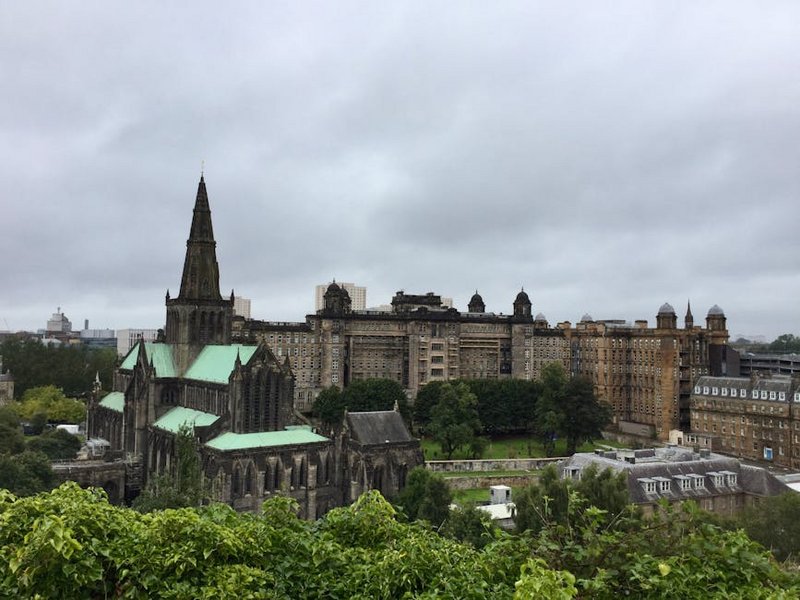
The Kelvingrove Art Gallery and Museum is an absolute must-visit, housing an astonishingly diverse collection from Salvador Dali’s Christ of St John of the Cross to natural history displays and arms & armor. Admission is free. Plan to spend at least two hours here. The Glasgow Cathedral and the adjacent Necropolis offer a profound historical experience, with the cathedral being a rare surviving medieval structure and the hilltop cemetery providing panoramic city views.
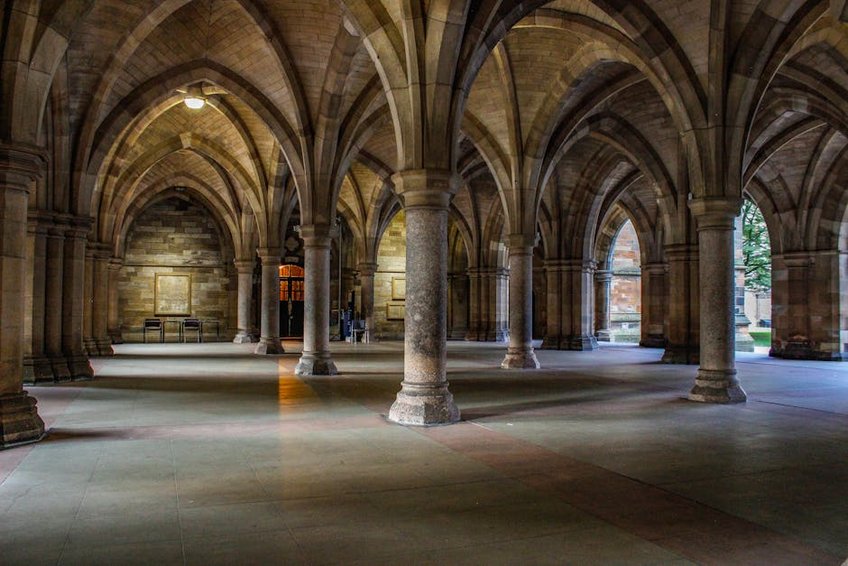
Explore the University of Glasgow’s main Gilbert Scott building, often called “the Glasgow Hogwarts” for its stunning Gothic revival architecture. The Hunterian Museum and Art Gallery, located on campus, is Scotland’s oldest public museum. For a modern contrast, visit the Riverside Museum on the Clyde, an award-winning transport museum with free entry, or take a tour at the Clydeside Distillery to taste single malt whisky made on the river.
Hidden Gems and Local Favorites
Venture to the Southside to discover the Burrell Collection in Pollok Country Park. This museum, reopening after a major refurbishment, houses an astonishing private art collection in a beautiful wooded setting. It’s a peaceful escape from the city bustle. For a quirky experience, seek out the “Hidden Lane” in the West End’s Finnieston area, a colorful courtyard filled with artist studios and a charming tearoom.
Locals love a weekend stroll through the Glasgow Botanic Gardens, particularly the lush, heated Kibble Palace glasshouse. For a unique perspective, take the 20-minute train ride to the charming riverside village of Balloch, the gateway to Loch Lomond. It offers easy access to boat cruises and a taste of the Highlands without a full-day tour commitment.
Music and Nightlife Exploration
Glasgow’s music scene is legendary, boasting more live music venues per capita than any other UK city outside London. Check listings for iconic spots like King Tut’s Wah Wah Hut, where Oasis was discovered, the Barrowland Ballroom, or the contemporary SWG3 complex. The city’s nightlife is concentrated in the Merchant City and West End, with everything from traditional pubs with folk music to stylish cocktail bars and late-night clubs.
For a traditional Scottish experience, visit a “proper” pub like The Pot Still, which boasts hundreds of whiskies, or The Ben Nevis in the West End for live folk music. The Sub Club is world-renowned in house and techno circles. Remember, many pubs and bars allow children until early evening, making the social scene broadly accessible.
Practical Travel Information
Navigating Glasgow is straightforward thanks to its compact city center and efficient public transport system. The city is very walkable, with most central attractions within a 30-minute stroll of George Square. For longer journeys, a simple and affordable subway system, known as the “Clockwork Orange,” circles the city center and West End.
Accommodation options cater to all budgets, from international chains and boutique hotels to serviced apartments and hostels. The City Centre offers maximum convenience, the West End provides more character, and the Merchant City delivers style. Booking at least two months in advance is advised for summer visits or major event weekends.
| Accommodation Type | Best For & Features | Avg. Nightly Rate (USD) |
|---|---|---|
| Hostel / Budget Hotel | Solo travelers & backpackers; shared facilities, social atmosphere, central location | $25 – $80 |
| Mid-Range Hotel | Couples & families; private en-suite, breakfast often included, good city center locations | $100 – $200 |
| Boutique Hotel | Style-conscious visitors; unique design, premium amenities, often in Merchant City or West End | $200 – $350 |
| Luxury Hotel / Apartment | Splurge & special occasions; 5-star service, spas, fine dining, spacious serviced apartments | $350+ |