Cologne Travel Guide: Exploring the Historic Heart of the Rhineland
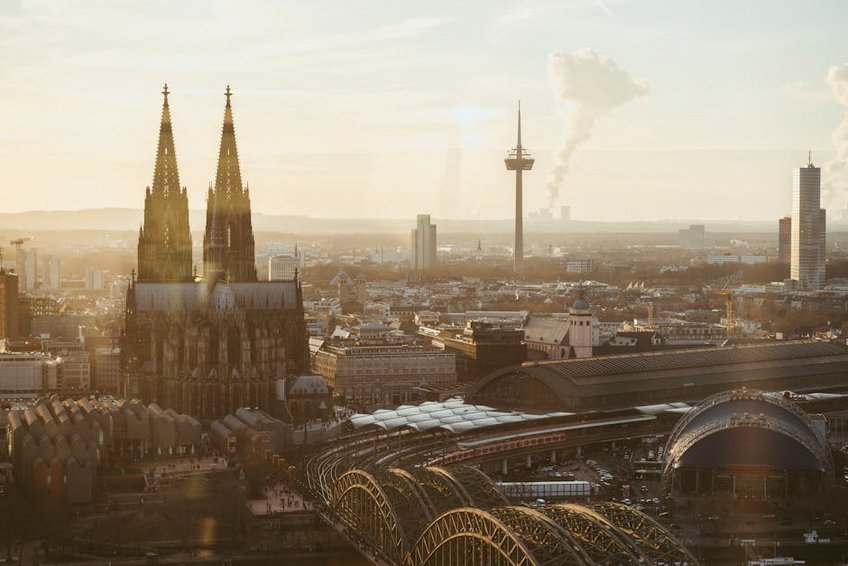
Your Cologne travel guide begins with the iconic Cologne Cathedral, a Gothic masterpiece whose twin spires have defined the city skyline for centuries. The city offers a dynamic blend of ancient Roman history, vibrant modern art, and a world-famous carnival spirit along the banks of the Rhine River. This guide provides essential logistics, cultural insights, and local secrets to help you navigate from the historic Altstadt to the trendy Belgian Quarter with confidence.
Essential Cologne Information
Cologne’s identity is deeply tied to its 2,000-year history, founded as a Roman colony named Colonia Claudia Ara Agrippinensium. Today, it is the fourth-largest city in Germany and the cultural capital of the Rhineland region. Its university and media hubs create a youthful, energetic atmosphere that contrasts beautifully with its ancient foundations.
The local Kölsch dialect and beer culture are points of immense civic pride, distinct from the rest of Germany. The city is remarkably walkable, with its major attractions clustered around the cathedral and the Old Town. Public transportation, including the efficient U-Bahn and tram network, makes exploring different neighborhoods simple and affordable.
What You Need to Know Before You Go
Understanding a few key local nuances will significantly enhance your visit to this Rhineland metropolis.
- The local currency is the Euro (€), and credit cards are widely accepted, though it’s wise to carry some cash for smaller shops and traditional Brauhaus pubs.
- While most people in tourist areas speak excellent English, learning a few basic German phrases like “Bitte” (please) and “Danke” (thank you) is appreciated and shows respect for the local culture.
- Cologne’s weather is temperate but can be unpredictable; pack layers, a waterproof jacket, and comfortable walking shoes for exploring its cobblestone streets in any season.
- Budget travelers (under $85/day) can stay in hostels like Station Hostel, use public transport passes, enjoy street food and supermarket meals, and focus on free sights like the cathedral interior and exploring the Old Town on foot.
- Mid-range visitors ($85-$200/day) can book comfortable hotels in the Altstadt-Nord, enjoy daily meals at traditional Brauhaus pubs, visit 2-3 paid museums, and take a guided walking tour or a short Rhine cruise.
- Luxury explorers ($200+/day) can stay at top hotels like the Excelsior Hotel Ernst, dine at gourmet restaurants, hire private guides for deep historical tours, and enjoy exclusive experiences like a vintage car tour of the city.
- Cologne Tourism Board
- Lonely Planet Cologne Guide
- Deutsche Welle Culture Report
Key Historical and Cultural Details
Cologne’s Roman roots are visible at the Praetorium, the ancient governor’s palace, and the Roman-Germanic Museum located right next to the cathedral. The city was a major Hanseatic League trading center, and its medieval prosperity funded the construction of its magnificent cathedral, which took over 600 years to complete. This historical depth provides context for every street and square you’ll visit.
The city’s spirit is perhaps best experienced during the Cologne Carnival, or “the fifth season,” which peaks with massive parades and celebrations in February. Outside of carnival, the love for celebration continues in the city’s numerous breweries and beer halls. The people of Cologne, known as Kölner, are famously friendly and open, especially when sharing a Kölsch beer with visitors.
The City’s Layout and Neighborhoods
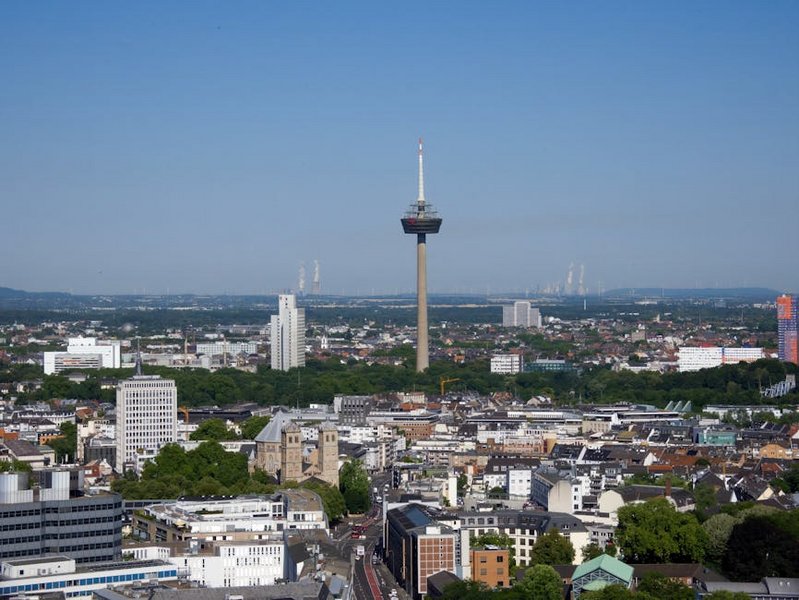
Cologne is neatly divided by the Rhine River, with the historic center and cathedral (the Dom) on the left bank. The Altstadt (Old Town) here is compact and houses most major landmarks, museums, and the iconic Brauhaus taverns. Directly across the Hohenzollern Bridge on the right bank lies the Deutz district, offering spectacular panoramic views back toward the cathedral.
Venturing further from the center reveals distinct character areas. The Belgian Quarter (Belgisches Viertel) is the epicenter of chic boutiques, art galleries, and trendy cafes. The Agnesviertel and Ehrenfeld districts are known for their street art, innovative dining scenes, and vibrant nightlife, attracting a younger, creative crowd.
Alt: “cologne-cathedral-rhine-river-hohenzollern-bridge-view”
Cologne Travel Guide – Planning Your Trip
Effective planning for this historic city balances iconic sightseeing with local neighborhood exploration. Your itinerary should account for museum opening days, as many are closed on Mondays, and advance booking for popular attractions like the cathedral tower climb. A well-structured plan allows time for both structured tours and spontaneous discovery in its charming alleys.
Budget considerations vary widely; you can enjoy a hearty meal in a traditional Brauhaus for under €20 or dine at a Michelin-starred restaurant. Accommodation prices spike significantly during major events like Carnival, Christmas markets, or trade fairs, so booking three to six months in advance for these periods is crucial. A City Pass can offer substantial savings on public transport and museum entries if you plan to visit multiple sites.
Best Time to Visit Cologne
The peak tourist season runs from May through September, when temperatures average a pleasant 65-75°F (18-24°C) and days are long, perfect for Rhine river cruises and outdoor beer gardens. However, this period also brings the largest crowds to the cathedral square and higher hotel rates. Early autumn offers similar weather with slightly fewer visitors.
For a unique cultural experience, visit during the famous Cologne Carnival in February, but expect packed streets and booked-out hotels. The magical Christmas markets from late November through December transform the city into a winter wonderland. The off-season months of January, March, and November offer lower prices and fewer tourists, though you should prepare for cooler, damper weather around 35-50°F (2-10°C).
Budget Planning and Costs
Your daily budget will define your experience in this German city. Here’s a breakdown for different travel styles.
Essential Preparation Checklist
Ensure you pack versatile clothing suitable for variable weather, including a warm layer, a waterproof jacket, and extremely comfortable walking shoes for cobblestones. A universal power adapter (Type F plug, 230V) is necessary for charging devices. For more details, read our Germany travel guide for broader regional tips.
Check your passport validity; U.S. and EU citizens can stay up to 90 days visa-free. Book popular attractions like the Dom tower climb online in advance to skip long queues. Consider purchasing travel insurance that covers healthcare and trip interruptions, and notify your bank of your travel plans to avoid card issues abroad.
Top Attractions and Activities in Cologne
No visit is complete without experiencing the awe-inspiring Cologne Cathedral, a UNESCO World Heritage site. Beyond the Dom, the city’s Roman history comes alive at the underground excavations and the impressive collection in the Roman-Germanic Museum. A stroll across the Hohenzollern Bridge, adorned with thousands of “love locks,” offers the classic photo opportunity of the cathedral skyline.
The Museum Ludwig houses one of Europe’s finest collections of modern art, including significant Pop Art and German Expressionist works. For a different perspective, a boat cruise on the Rhine River provides relaxing views of the city’s landmarks and the surrounding hills dotted with castles. Each activity reveals a different layer of the city’s complex character.
Must-See Highlights
Cologne Cathedral demands at least two hours to appreciate its soaring Gothic architecture, stunning stained glass, and the shrine of the Three Kings. Climbing the 533 steps to the south tower platform (€6) rewards you with breathtaking city views. The cathedral treasury displays priceless religious artifacts that further illustrate its historical significance.
The Old Town (Altstadt) with its colorful houses, the Gothic-style Town Hall, and the charming Fischmarkt square is perfect for a leisurely walk. The twelve Romanesque churches, like Great St. Martin Church, form a unique circular route around the historic center. Visiting at least one, such as St. Maria im Kapitol with its beautiful wooden doors, provides a quieter historical counterpoint to the bustling cathedral.
Hidden Gems and Local Favorites
Venture into the Ehrenfeld district to find some of the city’s best street art, independent shops, and innovative restaurants away from the main tourist flow. The Cologne Cable Car (Kölner Seilbahn) offers a unique and scenic transit over the Rhine River between the Rheinpark and the zoo, providing unparalleled aerial photographs.
For a peaceful retreat, the Stadtgarten park is a favorite local spot for a picnic or a drink. The Fragrance Museum in the Farina House, where Eau de Cologne was invented, offers fascinating historical tours. Exploring the southern part of the city reveals the tranquil Rheinauhafen harbor with its modern “Kranhäuser” crane-house architecture, a stark and beautiful contrast to the old town.
Exploring Museum Culture
Cologne’s museum landscape is diverse and world-class. The Wallraf-Richartz Museum showcases masterpieces from medieval to early modern art, while the NS Documentation Center provides a sobering and essential look at Cologne during the Nazi era. For something completely different, the Chocolate Museum is a popular interactive experience detailing the history of cocoa.
Art enthusiasts should not miss the Kolumba, the art museum of the Archdiocese, which seamlessly blends ancient archaeological ruins with contemporary art in an award-winning modern building. Museum entry typically ranges from €6 to €12, and the Museum Card (€20 for 48 hours) provides excellent value if you plan to visit several institutions.
Practical Travel Information for Cologne
Navigating the city is straightforward thanks to its integrated public transportation system, the KVB, which includes trams, buses, and underground trains. Tickets are valid across all modes, and a 24-hour pass for the entire city center (€9) is often the best value for tourists. Taxis and ride-sharing services like Uber are also readily available.
Accommodation options range from international chains near the central station to boutique hotels in the Old Town and stylish apartments in the Belgian Quarter. Staying within the Ringstraße, the circular road tracing the old city walls, places you within walking distance of most major sights. Book well ahead for visits coinciding with major trade fairs at the Koelnmesse exhibition center.
| Category | Options/Features | Price Range (USD) |
|---|---|---|
| Budget Hostel | Dorm bed, shared facilities, social common areas, central location | $25-$40 per night |
| Mid-Range Hotel | Private room with ensuite bathroom, breakfast included, near Altstadt | $100-$180 per night |
| Luxury Hotel | 5-star service, spa, fine dining, prime cathedral-view rooms | $250-$500+ per night |
| Vacation Rental | Entire apartment with kitchen, in neighborhoods like Ehrenfeld or Belgisches Viertel | $80-$160 per night |