Lucerne Travel Guide: Your Essential Swiss Lake Escape
This Lucerne travel guide provides the key information for exploring Switzerland’s most picturesque city. Lucerne offers a stunning blend of preserved medieval architecture and breathtaking alpine landscapes on the shores of its namesake lake. You will find detailed planning advice for navigating its charming Old Town, accessing panoramic mountain peaks, and experiencing authentic Swiss culture within a compact, walkable destination.
Essential Lucerne Information
Lucerne is the capital of its canton in central Switzerland and sits on the western shore of Lake Lucerne (Vierwaldstättersee). The city serves as a cultural and transport hub for the region. Its history is deeply intertwined with the Swiss Confederation, with significant events from the 14th century shaping its development.
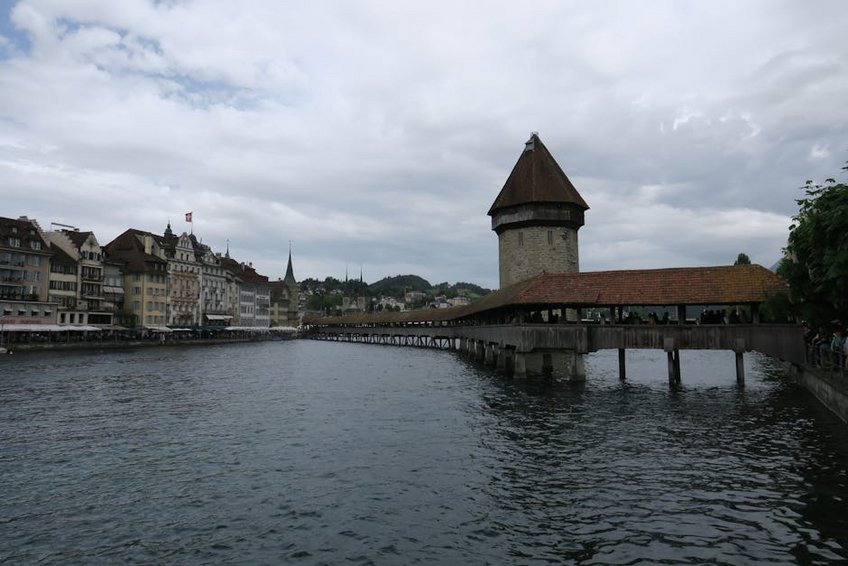
The city’s iconic landmarks, like the Chapel Bridge, date back to the 14th century and are beautifully preserved. Lucerne’s location makes it a perfect base for exploring central Switzerland. Its compact size means major attractions are within easy walking distance.
Key Historical Facts
Understanding these points adds depth to your visit.
- The Kapellbrücke (Chapel Bridge) was built around 1365 as part of the city’s fortifications; its interior 17th-century triangular paintings depict Swiss and Lucerne history.
- Lucerne joined the Swiss Confederation in 1332, and its strategic position helped it grow into a powerful member state through trade and military prowess over subsequent centuries.
- The Lion Monument, carved in 1820-21, commemorates the Swiss Guards who died defending the French Tuileries Palace during the French Revolution in 1792.
- Budget: $100-150 per day. Stay in hostels like Backpackers Lucerne, use a Swiss Travel Pass for transport, enjoy supermarket picnics, and focus on free sights like the Old Town walls and Lion Monument.
- Mid-Range: $250-400 per day. Stay at hotels like Hotel des Alpes, dine at traditional restaurants like Wirtshaus Galliker, include one mountain trip with a travel pass discount, and take a short lake cruise.
- Luxury: $600+ per day. Stay at the Hotel Schweizerhof Luzern, dine at Michelin-starred restaurants, take private guided tours, and enjoy first-class panoramic transport on multiple mountain railways.
- Luzern Tourism Official Website
- MySwitzerland Travel Portal
Geography and Climate
Lucerne enjoys a temperate climate with four distinct seasons, influenced by the lake and surrounding Alps. Summers are pleasantly warm, with average highs around 75°F (24°C), perfect for lake cruises. Winters are cold and often snowy, with temperatures averaging 35°F (2°C), creating a festive atmosphere.
Spring and autumn offer mild conditions and fewer crowds. The lake moderates temperatures year-round, but weather in the mountains can change rapidly. Always check forecasts for any mountain excursions you plan.
Local Culture and Language
Lucerne is in the German-speaking part of Switzerland, but the local dialect is Swiss German. Standard German is used for all written communication. English is widely spoken in tourist areas, hotels, and restaurants, making navigation straightforward for international visitors.
The city has a rich cultural scene, hosting the renowned Lucerne Festival for classical music. Local customs are generally formal and polite; a greeting of “Grüezi” is appreciated. Punctuality is highly valued for tours and transport.
Alt: “lucerne-switzerland-chapel-bridge-waterfront-old-town”
Lucerne Travel Guide – Planning Your Trip
Effective planning transforms a good visit into a great one. You need to consider seasonality, budget allocation, and advance bookings for popular attractions. A balanced itinerary mixes iconic sights with leisurely exploration of the lakeside promenades.
Your budget should account for Switzerland’s high cost of living, but strategic choices can manage expenses. Prioritize a Swiss Travel Pass for transportation savings if taking multiple trains, boats, or mountain railways. Book accommodations several months in advance for peak summer or Christmas visits.
This Lucerne travel guide recommends allocating time for both the city and at least one major mountain excursion. A three-day stay allows you to see the urban highlights and take a day trip to either Mount Pilatus or Rigi.
Best Time to Visit Lucerne
Visit from late May to September for the warmest weather and full access to lake activities and mountain trails. Daytime temperatures range from 65-75°F (18-24°C). This is peak season, so expect larger crowds and higher prices, especially in July and August.
The shoulder seasons of April-May and September-October offer pleasant conditions, fewer tourists, and lower rates. Winter (December-February) is magical with Christmas markets and nearby skiing, but some boat services are limited, and shorter days reduce sightseeing hours.
Budget Planning and Costs
Daily costs vary significantly based on travel style.
Essential Preparation Checklist
Pack comfortable walking shoes for cobblestone streets, layers for changeable weather, a reusable water bottle, and a universal power adapter (Type J plug, 230V). A compact umbrella or rain jacket is advisable year-round. For winter, bring insulated boots, a warm coat, gloves, and a hat.
Ensure your passport is valid for at least three months beyond your stay. U.S. and EU citizens do not need a visa for tourist stays under 90 days. Purchase comprehensive travel insurance that covers medical emergencies and activity cancellations. Download the SBB Mobile app for Swiss public transport schedules and tickets.
Top Attractions and Activities
Lucerne’s charm lies in its seamless mix of urban and natural wonders. The compact Old Town is a joy to explore on foot, revealing painted façades, hidden courtyards, and historic squares. Just minutes away, lake and mountain vistas provide a spectacular backdrop to the cityscape.
Allocate time to simply stroll along the lake promenade and cross the historic wooden bridges. The city’s museums, like the Swiss Museum of Transport, offer excellent indoor options for inclement weather. Prioritize attractions based on your interests in history, art, or outdoor adventure.
Must-See Highlights
The Kapellbrücke (Chapel Bridge) and its Water Tower are the iconic postcard images. Walk across the bridge to see the historic ceiling paintings. The adjacent Spreuer Bridge is quieter and also features Danse Macabre paintings.
The Löwendenkmal (Lion Monument) is a powerful sculpture carved into a sandstone cliff. Mark Twain called it “the most mournful and moving piece of stone in the world.” Visit early morning for fewer crowds and better light for photos.
Walk the Museggmauer (Musegg Wall), a well-preserved section of the city’s medieval fortifications. You can climb several of its nine towers for superb views over the city rooftops to the lake. Access is free and it’s open from April to November.
Hidden Gems and Local Favorites
Explore the lesser-visited northern part of the Old Town, around the charming Weinmarkt square with its ornate fountain. The historic town hall (Rathaus) and the adjoining Kornmarkt offer a local feel away from the main tourist flow.
Take a short bus ride to the Verkehrshaus (Swiss Museum of Transport). It’s one of Europe’s most comprehensive museums of its kind, with planetarium, IMAX theater, and extensive exhibits. It’s a fantastic family-friendly option.
For a peaceful lake view, walk to the gardens of the Grand Hotel National or take a local bus to the Meggenhorn Castle park. These spots offer stunning perspectives of the Alps across the water with far fewer visitors.
Lake Lucerne Cruises
A boat trip is essential for experiencing the region’s beauty. Regular scheduled services by SGV connect lakeside villages. A short one-hour round trip to Kehrsiten-Bürgenstock offers classic views.
For the best experience, take a vintage paddle-steamer like the Stadt Luzern on a longer route. Consider a “gourmet” lunch or sunset dinner cruise for a special occasion. Cruises are fully covered by the Swiss Travel Pass.
Practical Travel Information
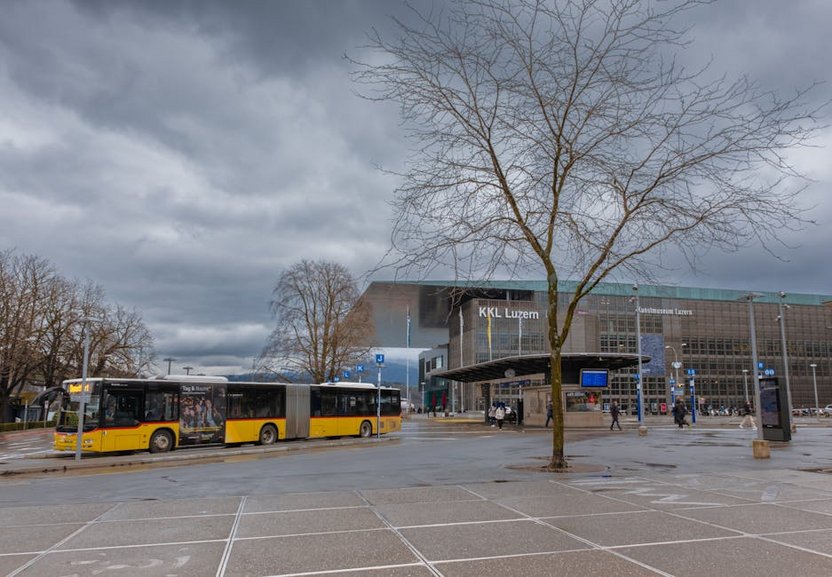
Navigating Lucerne is straightforward thanks to its efficient and integrated public transport system. The city center is best explored on foot, while buses, trains, and boats efficiently connect outer districts and excursion points.
Accommodation ranges from world-class luxury hotels to cozy family-run guesthouses. Staying within or just outside the pedestrianized Old Town offers the greatest convenience for sightseeing. Book well ahead during festivals and summer.
| Category | Options/Features | Price Range (USD) |
|---|---|---|
| Budget Hostel | Dorm beds, shared kitchen, central location (e.g., Backpackers Lucerne) | $40-70 per night |
| Mid-Range Hotel | Private room with breakfast, historic building (e.g., Hotel des Balances) | $200-350 per night |
| Luxury Hotel | Lakeview suites, spa, fine dining (e.g., Palace Luzern) | $500-900+ per night |
| Vacation Rental | Apartment with kitchen, suitable for families or longer stays | $150-300 per night |