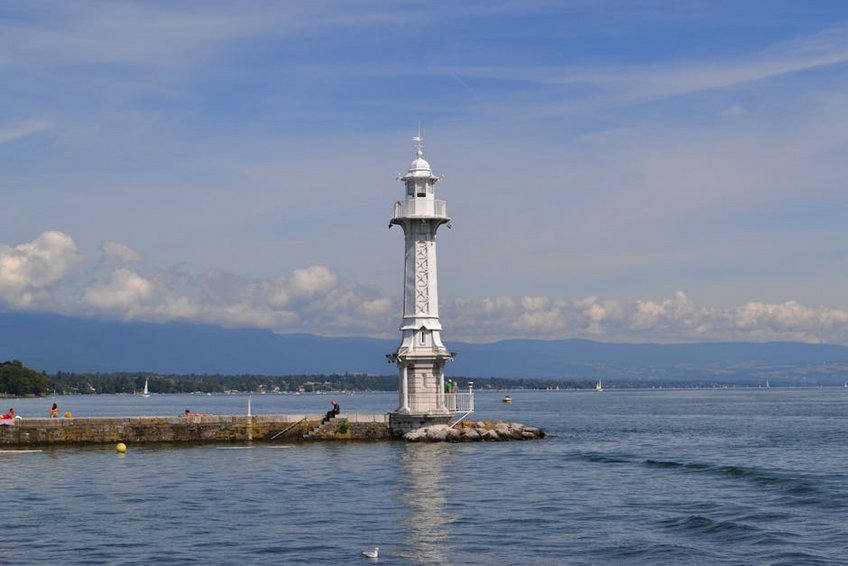
Geneva Travel Guide: Discover Switzerland’s International Jewel
This Geneva travel guide provides essential insights for exploring Switzerland’s most cosmopolitan city, where French flair meets Alpine precision along the sparkling shores of Lake Geneva. You’ll navigate the compact city center to discover the iconic Jet d’Eau fountain, the historic Old Town’s cobblestone lanes, and the global institutions of the Nations district. Our guide offers specific seasonal advice, detailed budget breakdowns in USD, and logistical tips to maximize your visit to this unique international hub.
Essential Geneva Information
Geneva serves as a global crossroads, housing the European United Nations headquarters and the International Red Cross. The city’s identity blends Swiss efficiency with a distinctly French cultural and culinary influence, evident in its language and cafe culture. This fusion creates a sophisticated urban experience set against a stunning backdrop of lake and mountain vistas.
The Swiss franc (CHF) is the local currency, though many hotels and shops accept euros, often with unfavorable exchange rates. Credit cards are widely accepted, but carrying some cash is wise for smaller cafes and markets. English is commonly spoken in tourist areas, but learning a few French phrases like “bonjour” and “merci” is appreciated by locals.
Key Facts and Orientation
Understanding Geneva’s layout simplifies your visit. The city is divided by the Rhône River flowing from Lake Geneva.
- Rive Gauche (Left Bank): Home to the international district with the UN’s Palais des Nations, plus upscale shopping and the Botanical Gardens. This area offers a more modern, diplomatic atmosphere.
- Rive Droite (Right Bank): Features the atmospheric Old Town (Vieille Ville), the Jet d’Eau, and the main train station (Gare de Cornavin). This is the historic and commercial heart of the city.
- Lake Geneva (Lac Léman): The central recreational hub for boat rides, swimming in summer, and scenic walks along its promenades, connecting both sides of the city.
- Budget Traveler ($100-150/day): Stay in a hostel near the station ($40-60/night), use the free public transport pass from your hotel, enjoy supermarket picnics, and focus on free sights like the UN park, Old Town walks, and window-shopping. Purchase a Geneva City Pass for discounted museum entry.
- Mid-Range Traveler ($250-400/day): Book a 3-star hotel in the Paquis or Plainpalais district ($150-250/night), dine at casual brasseries for lunch and dinner, take a one-hour lake cruise ($20), and visit 2-3 key museums like Patek Philippe and the Red Cross.
- Luxury Traveler ($600+/day): Experience 5-star lakeside hotels like Le Richemond or The Woodward ($500+/night), savor gourmet meals at Michelin-starred restaurants like Le Chat-Botté, enjoy private guided tours, and charter a private boat on the lake.
- Geneva Tourism Official Website
- Swiss Federal Railways (SBB)
- Geneva Public Transport (TPG)
Historical and Cultural Context
Geneva’s history is deeply tied to the Protestant Reformation, led by John Calvin in the 16th century, earning it the nickname “Protestant Rome.” This past shaped its sober architecture and global outlook. Later, the 1864 Geneva Convention established the city as a permanent center for diplomacy and humanitarian law.
Today, over 40% of residents are foreign nationals, contributing to an incredibly diverse and international community. This is reflected in the variety of restaurants, cultural events, and languages heard on the street. The city consistently ranks among the world’s most livable, with exceptional public services and cleanliness.
Geneva’s Unique Vibe
Visitors should expect a polished, orderly, and somewhat expensive urban environment. The pace is calmer than in major European capitals, with a focus on quality of life. While not a typical backpacker hub, Geneva rewards travelers with world-class museums, exquisite dining, and effortless access to both lake and Alpine landscapes.
Public transport is impeccable, the streets are safe to walk at night, and the standard of service is high. Your experience will be one of refined discovery rather than chaotic adventure, ideal for those who appreciate culture, history, and natural beauty served with Swiss precision.
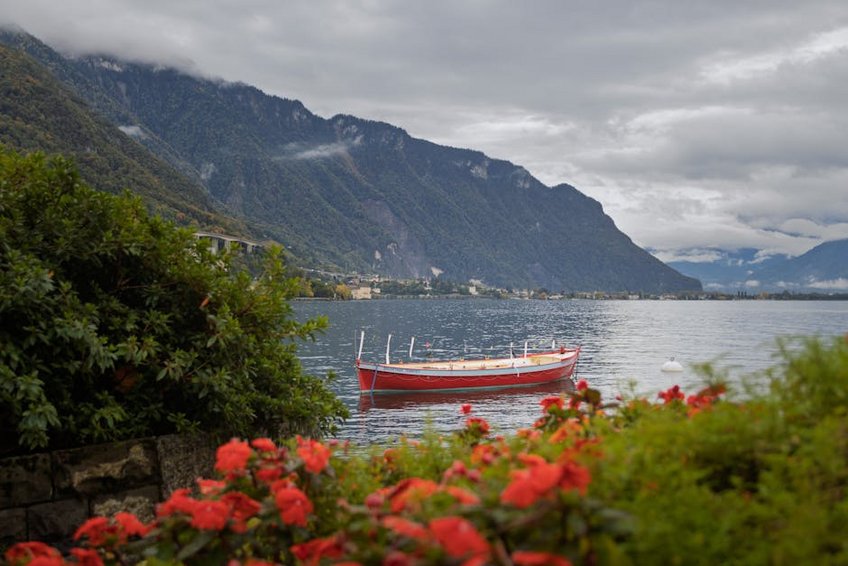
Alt: “geneva-switzerland-jet-d-eau-fountain-lake-alps”
Geneva Travel Guide – Planning Your Trip
Effective planning is crucial for enjoying Geneva without straining your budget. The city is compact, so a stay of two to three full days allows you to see major sights comfortably. Prioritize accommodation location and consider purchasing a transport pass immediately upon arrival to manage costs efficiently.
Your Geneva travel guide itinerary should balance iconic landmarks with local neighborhood exploration. Allocate a morning for the Old Town and St. Pierre Cathedral, an afternoon for a lake cruise or museum visit, and an evening stroll along the quays. Always check museum closing days, as many are closed on Mondays.
Best Time to Visit Geneva
The ideal months for a Geneva visit are between May and September. During this period, you’ll experience pleasant temperatures ranging from 65°F to 80°F (18°C to 27°C), long daylight hours, and vibrant lakeside activity. All attractions and boat services operate fully, and outdoor cafes are in full swing. However, this is also peak tourist season, so book hotels at least two months in advance.
Shoulder seasons in April and October offer cooler weather, 50-60°F (10-16°C), with fewer crowds and lower prices. Winter (December-February) is cold, 30-40°F (-1 to 4°C), but magical with Christmas markets and nearby ski resorts accessible within an hour’s drive. Some lake activities are limited, but museums and indoor attractions remain open.
Budget Planning and Costs
Geneva is expensive, but strategic planning helps manage expenses. Here is a cost breakdown for different travel styles.
Essential Preparation Checklist
Pack for variable weather, even in summer. Include a light jacket, comfortable walking shoes, an umbrella, and a power adapter for Switzerland’s Type J plugs (230V). A reusable water bottle is useful, as Geneva’s tap water is excellent. For winter visits, a heavy coat, waterproof boots, gloves, and a hat are non-negotiable.
Ensure your passport is valid for at least three months beyond your planned departure from the Schengen Area. U.S. and EU passport holders do not need a visa for stays under 90 days. Purchase comprehensive travel insurance that covers medical emergencies. Download the SBB Mobile app for Swiss rail schedules and the “TPG” app for Geneva’s local transport.
Top Attractions and Activities
Geneva’s must-see sights are beautifully concentrated. The iconic Jet d’Eau, pumping water 140 meters into the air, is the city’s postcard symbol and best viewed from the Eaux-Vives pier. The surrounding Jardin Anglais park features the famous Flower Clock, a testament to Swiss watchmaking and horticulture.
Cross the Mont-Blanc bridge to reach the Old Town, a charming labyrinth of cobbled streets centered on the Cathédrale Saint-Pierre. Climb the North Tower for a panoramic view spanning the city, lake, and distant Mont Blanc. The cathedral’s archaeological site underneath reveals fascinating historical layers.
Must-See Highlights
The Palais des Nations, the European UN headquarters, offers informative guided tours that provide a glimpse into international diplomacy. Nearby, the International Red Cross and Red Crescent Museum delivers a powerful, immersive look at humanitarian work. Both require advance online booking for tours.
Art lovers should prioritize the Musée d’Art et d’Histoire, the city’s largest fine arts museum with collections from antiquity to modern times. For a unique experience, the Patek Philippe Museum showcases the exquisite history of Swiss watchmaking over five centuries. Both museums charge around 15-20 CHF for admission.
Don’t miss a boat cruise on Lake Geneva with Compagnie Générale de Navigation (CGN). A simple one-hour tour offers stunning city views, while longer trips can take you to picturesque lakeside villages like Nyon or Yvoire, France. Basic tours start at approximately 20 CHF.
Hidden Gems and Local Favorites
Venture to the Carouge district, a 10-minute tram ride from the center. This former Sardinian territory has a bohemian, village-like atmosphere with artisan workshops, independent boutiques, and lively outdoor cafes on Place du Marché. It’s a favorite weekend spot for locals.
For a peaceful nature escape, the Conservatory and Botanical Garden features expansive greenhouses and a deer park. Alternatively, hike or take bus #8 to the summit of Mont Salève, just across the French border. Known as “Geneva’s balcony,” it offers breathtaking Alpine panoramas and paragliding launches.
Parks and Lakeside Leisure
Geneva’s waterfront is its living room. The Promenade du Lac and Parc La Grange are perfect for strolling, sunbathing, or renting a paddleboat in summer. The Bains des Pâquis is a beloved local institution—a pier with saunas, a simple restaurant, and bold swimmers who plunge into the lake year-round.
In summer, free open-air cinemas and concerts pop up in parks across the city. Check local listings for events at Parc de la Grange or Perle du Lac. These gatherings offer a wonderful chance to experience local life in a relaxed, scenic setting.
Practical Travel Information
Navigating Geneva is remarkably easy thanks to its efficient, integrated public transport system (TPG). Trams and buses connect all points of interest frequently and punctually. Upon checking into any hotel, hostel, or campsite, you will receive a Geneva Transport Card, providing free unlimited travel for the duration of your stay.
Accommodation ranges from world-class luxury hotels on the right bank to more affordable business hotels and hostels near the train station and the Paquis district. Book well in advance, especially for summer and during major international conferences, which can fill the city and triple prices.
| Accommodation Type | Best Areas & Features | Price Range/Night (USD) |
|---|---|---|
| Luxury Lakeside | Quai du Mont-Blanc; 5-star service, spa, direct lake views, gourmet dining | $500 – $1,200+ |
| Mid-Range Boutique | Old Town, Eaux-Vives; charming decor, central location, breakfast included | $200 – $450 |
| Business Hotel | Near Cornavin Station, Paquis; modern amenities, good transport links | $150 – $300 |
| Hostel/Budget | Paquis, Plainpalais; dorm or private rooms, shared kitchens, social atmosphere | $40 – $120 |