Bruges Travel Guide
Bruges is a remarkably preserved medieval city in northwest Belgium that feels like stepping into a fairy tale. Its historic center, a UNESCO World Heritage site, offers winding cobbled lanes, tranquil canals, and stunning Gothic architecture that tell a story centuries old. This Bruges travel guide provides the essential planning tips and local insights you need to navigate its charm, from securing the best chocolate shops to avoiding the peak-season crowds.
Essential Information on Bruges
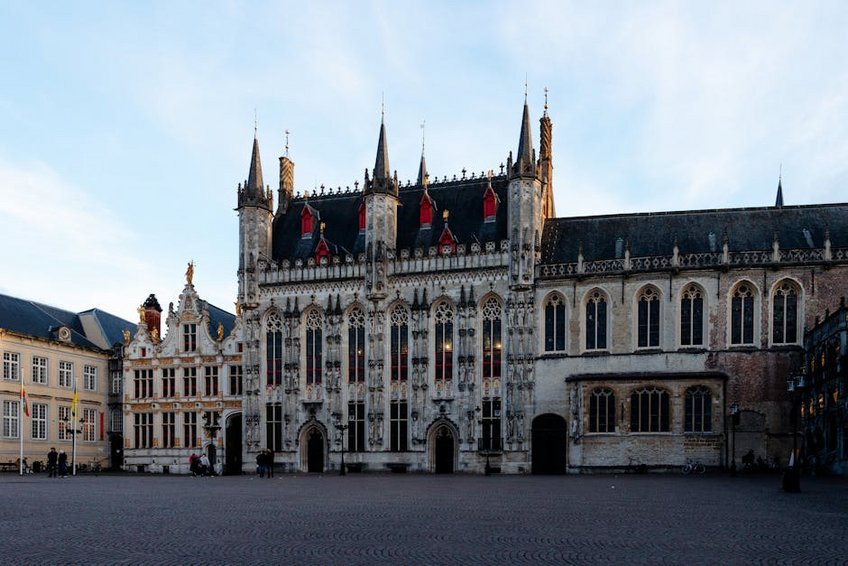
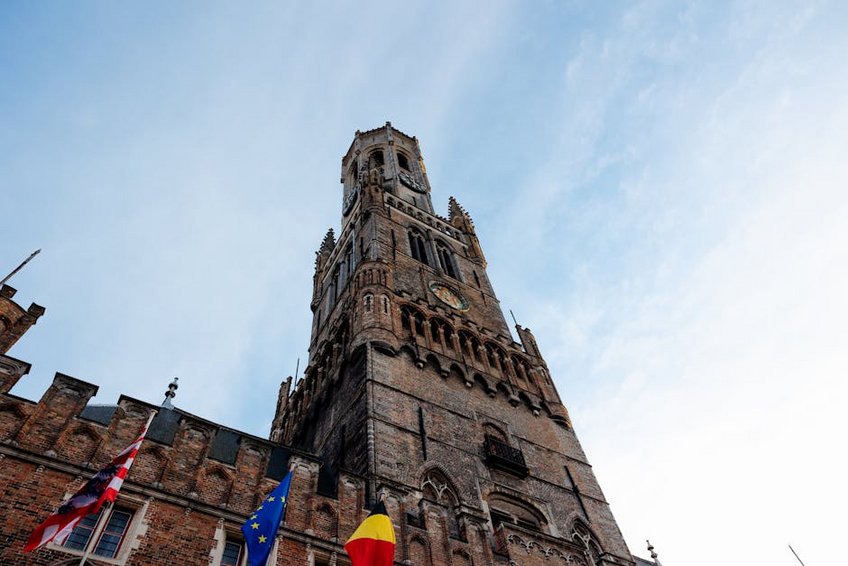
Bruges, the capital of West Flanders, grew wealthy from the cloth trade during the Middle Ages. Its network of canals, which once served as vital commercial routes, now provides the scenic backdrop for its nickname, “The Venice of the North.” The city’s golden age wealth funded the magnificent buildings you see today, including the 83-meter tall Belfry and the Church of Our Lady.
The city center is compact and best explored entirely on foot. You can comfortably walk from one end to the other in about 30 minutes. This pedestrian-friendly design makes it easy to get lost in the picturesque streets, which is part of the authentic Belgian experience. English is widely spoken in tourist areas, menus, and shops, making communication straightforward for most visitors.
Key Facts and Figures
Understanding these details helps with your initial planning.
- The historic city center is a UNESCO World Heritage Site, designated in 2000, covering approximately 430 hectares of protected urban fabric and architecture.
- Bruges is home to around 118,000 residents, with tourism being a primary industry that welcomes millions of visitors annually to its compact streets.
- The local currency is the Euro (€), and while credit cards are accepted in most hotels and restaurants, smaller vendors and markets often prefer cash for transactions.
- Budget: $70-100 per day covers hostel dorms, supermarket meals or street food (fries), free walking tours, and minimal museum visits. Prioritize free sights like the Markt square and the Begijnhof gardens.
- Mid-Range: $150-250 per day allows for a comfortable hotel or B&B, sit-down meals at local bistros, entry to 2-3 key museums, a canal boat tour, and some chocolate shopping.
- Luxury: $350+ per day includes boutique hotel suites, fine dining at Michelin-starred restaurants like De Karmeliet, private guided tours, and premium experiences like a chocolate-making workshop.
- Official Visit Bruges Tourism Site
- Lonely Planet Bruges Travel Guide
Climate and What to Expect
Bruges has a temperate maritime climate characterized by mild summers and cool, damp winters. Average summer temperatures range from 55°F to 72°F (13°C to 22°C), though rain is possible throughout the year. Winters see averages between 34°F and 44°F (1°C to 7°C), with occasional frost and a higher chance of gray, drizzly days.
You should always pack a waterproof jacket or a compact umbrella regardless of the season. The weather can change quickly, and you will likely do a lot of walking outdoors between attractions. Layered clothing is the most practical approach for staying comfortable during your explorations of the city.
Local Culture and Language
The official language is Dutch, specifically the West Flemish dialect, but French is also understood. Locals appreciate basic greetings like “Dag” (Hello/Goodbye) or “Dank u wel” (Thank you). Bruges has a calm, reserved atmosphere compared to larger cities like Brussels or Antwerp, reflecting its history as a center of commerce and religious art.
This destination has a proud culinary tradition centered around chocolate, beer, and fries. Tipping is not obligatory as service charge is usually included, but rounding up the bill or leaving 5-10% for exceptional service is a common and appreciated practice in restaurants and cafes.
Alt: “bruges-medieval-canals-reflecting-historic-buildings-sunset”
Bruges Travel Guide – Planning Your Trip
Effective planning transforms a good visit into a great one, especially for a popular destination like this Belgian gem. You should book accommodations several months in advance for summer travel or visits during the Christmas market season. Strategic planning helps you experience the city’s magic without feeling overwhelmed by the sheer volume of fellow travelers.
Consider purchasing the Bruges City Card if you plan to visit multiple museums and use public transport. It offers free entry to numerous attractions and includes a canal boat tour. Your budget will also need to account for indulgent meals, museum entry fees, and perhaps a quality box of artisanal chocolates to take home.
Best Time to Visit Bruges
The ideal months for pleasant weather and long daylight hours are May, June, and September. Temperatures range comfortably from 55°F to 68°F (13°C to 20°C), and the city is lively without being excessively crowded. This period offers the best balance for exploring outdoor cafes, taking canal tours, and visiting the famous beguinage when flowers are in bloom.
July and August bring peak crowds, with temperatures reaching up to 72°F (22°C), and lines can be long for major attractions. The winter months from November to February are cold, 34°F to 44°F (1°C to 7°C), but magical during the Christmas markets in December. Late autumn and early spring are quieter but come with a higher chance of rain.
Budget Planning and Costs
Daily costs vary significantly based on your travel style.
Essential Preparation Checklist
Pack comfortable, waterproof walking shoes with good grip for the cobblestone streets, which can be slippery when wet. A compact umbrella or a lightweight raincoat is non-negotiable due to the unpredictable coastal climate. You will want a power adapter for Type E plugs (two round pins) as Belgium uses 230V voltage.
Ensure your passport is valid for at least three months beyond your planned departure from the Schengen Area. U.S. and EU citizens do not need a visa for tourist stays under 90 days. It is wise to have comprehensive travel insurance that covers medical emergencies and trip cancellations, and to inform your bank of your travel plans to use credit cards abroad.
Top Attractions and Can’t-Miss Activities
The city’s crown jewels are its architectural masterpieces and atmospheric public spaces. The Markt (Market Square) is dominated by the iconic Belfry and surrounded by colorful, step-gabled guildhouses. Climbing the 366 steps of the Belfry rewards you with panoramic views across the red-tiled rooftops of the entire historic center, a quintessential Belgian experience.
A canal boat tour offers a unique perspective on the city’s Gothic facades and hidden gardens from the water. Meanwhile, the Basilica of the Holy Blood houses a revered relic and showcases a stunning mix of Romanesque and Gothic architecture. These sites form the core of any visit to this Flemish destination.
Must-See Highlights
The Markt square has been the commercial heart of the city for centuries. You can admire the Provinciaal Hof (Provincial Court) and consider a horse-drawn carriage ride from here. The square is also surrounded by numerous restaurants with terraces, though prices here are generally higher than in quieter side streets.
The Church of Our Lady boasts the second-tallest brick tower in the world and houses Michelangelo’s serene marble sculpture, “Madonna and Child.” Entry costs around €8-12. The Groeningemuseum is essential for art lovers, featuring a superb collection of Early Netherlandish paintings by masters like Jan van Eyck and Hans Memling.
The Begijnhof (Beguinage) is a peaceful, white-washed convent courtyard founded in the 13th century. It is now home to Benedictine nuns and offers a tranquil escape from the bustling streets. Visitors are asked to maintain silence in this serene UNESCO-listed site, which is free to enter.
Hidden Gems and Local Favorites
Venture to the less-visited Sint-Annarei (St. Anna’s Quarter) for a quieter, more residential feel with beautiful canal views and local cafes. The area around the Kruispoort city gate also offers picturesque spots without the tourist crowds. These neighborhoods provide a more authentic glimpse into daily life in this historic city.
For a unique museum, seek out the Lumina Domestica, the world’s only museum dedicated to lamps and lighting. The Hospitalmuseum (Oud Sint-Janshospitaal) complex, which includes the Memling Museum, provides fascinating insight into medieval medical care. The windmills along the Kruisvest ramparts, like the Sint-Janshuismolen, are also worth the short walk from the center.
Chocolate and Beer Experiences
No visit is complete without indulging in Belgium’s famous exports. You can visit chocolate shops like The Chocolate Line for inventive flavors or Dumon for traditional pralines. Several chocolatiers offer behind-the-scenes workshops where you can learn the art of tempering and molding, a deliciously hands-on activity.
The city is also a haven for beer enthusiasts. Local breweries like De Halve Maan offer tours that explain the brewing process and end with a tasting. You can sample a vast array of Belgian beers, including the local Brugse Zot, at specialty bars such as ‘t Brugs Beertje, which stocks hundreds of varieties.
Practical Travel Information
Navigating the logistics of your stay is straightforward thanks to the city’s small size and excellent tourist infrastructure. The train station, Brugge Station, is a 15-20 minute walk from the Markt square, with regular connections to Brussels (about 1 hour) and other major cities. Taxis and a public bus service are available, but walking is almost always the best and most scenic option within the center.
Accommodation ranges from hostels and family-run B&Bs to luxurious five-star hotels housed in historic buildings. Staying within the circular canal that defines the old town is ideal for maximizing your time, as you can easily walk everywhere. For a more local atmosphere, consider the Sint-Gillis neighborhood just outside the main ring.
| Category | Options/Features | Price Range (USD) |
|---|---|---|
| Budget Hostel | Dorm beds, shared facilities, social common areas, central location | $25-40 per night |
| Mid-Range B&B/Hotel | Private room with ensuite, breakfast included, historic building, Wi-Fi | $120-200 per night |
| Luxury Boutique Hotel | Central location, spa facilities, gourmet restaurant, concierge service | $300-500+ per night |
| Self-Catering Apartment | Kitchenette, living space, ideal for families or longer stays, more privacy | $140-250 per night |