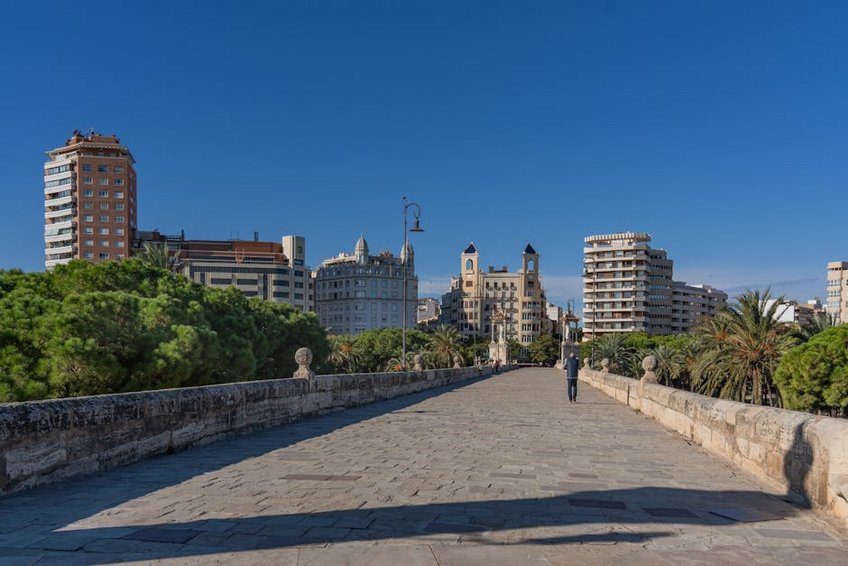
Valencia Travel Guide
Navigating Spain’s third-largest city requires a smart plan to balance its historic charm with futuristic architecture. This Valencia travel guide provides the essential tips for exploring the UNESCO-listed Silk Exchange, tasting authentic paella in its birthplace, and relaxing in the expansive Turia Gardens. You’ll find detailed advice on seasonal timing, neighborhood stays, and cultural etiquette to maximize your visit.
Essential Valencia Information
Valencia, on Spain’s eastern coast, boasts a rich history as a former Roman colony and a powerful medieval trading port. Its unique identity is shaped by the Turia River, which was diverted after a catastrophic flood in 1957, creating a vast green belt. The city seamlessly blends ancient monuments with avant-garde structures like the City of Arts and Sciences.
Understanding the local lifestyle is key; Valencians enjoy a later daily rhythm with lunch around 2-3 PM and dinner often after 9 PM. The official languages are Spanish and Valencian (a dialect of Catalan), though English is common in tourist areas. The city uses the Euro (€) and is part of the Schengen Area, requiring appropriate visa planning for non-EU visitors.
What You Need to Know Before You Go
Prepare for your city visit with these foundational details.
- Valencia has a Mediterranean climate with hot, dry summers averaging 86°F (30°C) and mild winters around 55°F (13°C), receiving most rainfall in autumn.
- The city is exceptionally walkable and bike-friendly, with an efficient metro system and affordable taxi services connecting major districts and the beaches.
- Purchase the Valencia Tourist Card for unlimited public transport and free or discounted entry to many museums and municipal buildings for 24, 48, or 72 hours.
- Budget Traveler ($60-85/day): Stay in hostels or budget guesthouses in Benimaclet, use public transport, enjoy menu del día lunches for $12-15, and focus on free attractions like the Turia Gardens and beaches.
- Mid-Range Traveler ($130-200/day): Book a central hotel or apartment in Eixample, dine at well-rated local restaurants, visit 2-3 paid attractions like the Oceanogràfic, and use taxis occasionally for convenience.
- Luxury Traveler ($300+/day): Stay at a five-star hotel like the Palacio Marqués de Caro, enjoy chef’s table experiences, hire a private guide for historic tours, and include premium experiences like a paella cooking class with a market visit.
- Official Valencia Tourism Board
- Lonely Planet Valencia Guide
- Official Spain Tourism Portal – Valencia
Key Historical and Cultural Context
Valencia’s history is a layered tapestry visible in its architecture and traditions. Roman foundations under the Plaza de la Almoina give way to Gothic masterpieces like the Valencia Cathedral, which claims to house the Holy Grail. The 15th-century Silk Exchange (La Lonja) stands as a symbol of the city’s golden age of trade.
The famous Fallas festival each March transforms the city with enormous satirical sculptures that are ultimately burned in a spectacular celebration. Beyond paella, local culture revolves around horchata drinks, traditional ceramics, and a deep passion for football. Respecting these customs will greatly enrich your experience.
Navigating Language and Communication
While Spanish is universally spoken, you’ll see street signs and hear the local Valencian language. Basic Spanish phrases like “Hola” (Hello) and “Gracias” (Thank you) are appreciated. In restaurants and shops within the Ciutat Vella (Old Town) and along the coast, English is commonly understood.
For deeper exploration, a translation app can help with menus and information plaques. Locals are generally friendly and patient with visitors attempting their language. Learning a few key food terms will significantly enhance your culinary adventures in the Central Market.
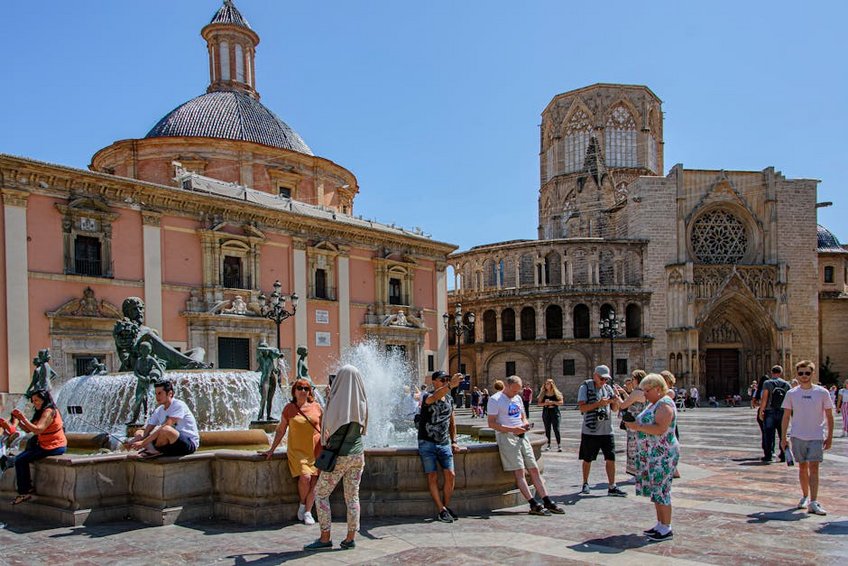
Alt: “valencia-old-town-plaza-de-la-virgen-historic-architecture”
Valencia Travel Guide – Planning Your Trip
Creating a successful itinerary for this Mediterranean gem depends on your interests and travel style. A well-planned Valencia travel guide emphasizes balancing historic sites with modern wonders and culinary experiences. Allocate time for both guided exploration in the Old Town and leisurely moments in the green Turia Riverbed park.
Budget considerations vary widely; you can enjoy affordable tapas in El Carmen or dine at high-end restaurants in Ruzafa. Booking major attractions like the Oceanogràfic aquarium in advance saves time and often money. Your planning should account for the city’s relaxed pace, especially during the traditional afternoon siesta when many smaller shops close.
Consider purchasing combination tickets for the City of Arts and Sciences complex to visit multiple venues. Accommodation costs spike dramatically during Fallas in March and peak summer months. Shoulder seasons like May or October often provide the best balance of pleasant weather, manageable crowds, and reasonable prices.
Best Time to Visit Valencia
The ideal months are from April to June and September to October, when temperatures range from 68-79°F (20-26°C) with minimal rainfall. This period offers perfect conditions for walking tours, beach visits, and outdoor dining without intense summer heat. You’ll encounter fewer crowds than in July or August, making sightseeing more comfortable.
July and August see temperatures soar to 86-95°F (30-35°C) with high humidity, though the beach provides relief. The world-famous Fallas festival in mid-March is spectacular but requires booking accommodations a year in advance. Winter (November-February) is mild and quiet, ideal for museum visits and enjoying the city without tourist queues.
Budget Planning and Costs
Daily expenses in Valencia can fit various budgets, as outlined below.
Essential Preparation Checklist
Pack lightweight, breathable clothing for summer, with a jacket for cooler evenings. Comfortable walking shoes are non-negotiable for exploring cobblestone streets. Include swimwear for the beach or hotel pools, sunscreen, a reusable water bottle, and a universal power adapter for Spain’s Type F outlets.
Ensure your passport is valid for at least three months beyond your planned departure from the Schengen Area. Arrange comprehensive travel insurance that covers healthcare. Download offline maps and the València tourist guide app. Book popular restaurants at least a few days ahead, especially for weekend dinners.
Top Attractions and Activities
The city’s offerings divide neatly into historic treasures and futuristic marvels. The Old Town (Ciutat Vella) contains centuries of history within its ancient walls, including the Cathedral, Central Market, and Silk Exchange. Meanwhile, the avant-garde City of Arts and Sciences complex represents a stunning contrast of modern design and interactive learning.
You cannot miss the Turia Gardens, a 9-kilometer (5.6-mile) park created in the former riverbed, perfect for cycling, jogging, or leisurely strolls connecting the old city to the sea. The Malvarrosa and El Cabanyal beaches provide a classic Mediterranean coastline with a wide promenade lined with seafood restaurants serving the authentic Valencian paella.
Must-See Highlights
The City of Arts and Sciences is an architectural wonder comprising the Oceanogràfic (Europe’s largest aquarium), the Príncipe Felipe Science Museum, and the stunning Hemisfèric IMAX cinema. Allocate at least half a day here. The Valencia Cathedral, with its mixture of Romanesque, Gothic, and Baroque styles, offers the chance to climb the Miguelete Tower for panoramic views.
Mercado Central is a bustling Art Nouveau market where you can sample local cheeses, meats, and fresh produce. La Lonja de la Seda, a UNESCO World Heritage site, showcases spectacular Gothic civil architecture. Finally, the serene Jardines del Real (Royal Gardens) and the nearby Museum of Fine Arts offer a peaceful cultural escape.
Hidden Gems and Local Favorites
Venture to the El Carmen neighborhood’s backstreets to find quirky boutiques, hidden plazas, and vibrant street art, including the famous “House of Cats” façade. The Corpus Christi Museum houses the breathtaking “Rocambolesc” carriage used in annual processions. For a unique perspective, join a guided tour of the ancient underground river galleries and cisterns.
Locals love the Albufera Natural Park, a freshwater lagoon and wetland just 12 km south of the city, famous for stunning sunsets and being the true birthplace of paella. Take a traditional boat ride and dine at a rustic barraca (thatched cottage). The neighborhood of Ruzafa is the epicenter of hip cafes, concept stores, and a vibrant nightlife scene favored by residents.
Experiencing Arts and Culture
Valencia’s cultural calendar is packed year-round. The Institut Valencià d’Art Modern (IVAM) presents excellent contemporary art exhibitions. For performing arts, the Palau de les Arts Reina Sofia offers opera and classical music in a stunning venue. Check schedules for concerts at the historic Teatro Principal.
Traditional ceramics are a local craft; visit the National Museum of Ceramics in the stunning Marqués de Dos Aguas Palace. For a hands-on experience, several workshops in the city center offer short pottery classes. Film enthusiasts should look for screenings at the Filmoteca de la Generalitat Valenciana.
Practical Travel Information
Navigating the city is straightforward with its intuitive layout and excellent infrastructure. Valencia Airport (VLC) is the main international gateway, located just 8 km west of the city center and connected by metro, bus, and taxi. The Joaquín Sorolla train station handles high-speed AVE connections to Madrid, Barcelona, and other Spanish cities.
Accommodation spans all budgets and styles, from historic paradores to modern design hotels and vacation rentals. The most convenient areas to stay are the Old Town for history, Eixample for modernist architecture and shopping, and the beach districts for a resort-like atmosphere. Booking platforms like Booking.com are widely used, and many properties offer direct booking discounts.
| Accommodation Type | Best Areas & Features | Avg. Nightly Price (USD) |
|---|---|---|
| Budget Hostel/Guesthouse | Benimaclet (student area, metro access), shared facilities, social atmosphere | $25-45 |
| Mid-Range Hotel/Apartment | Eixample/Ruzafa (central, trendy), private bath, breakfast often included | $90-160 |
| Luxury Hotel/Boutique | Old Town/City of Arts (historic or modern design), pools, premium amenities | $220-400+ |
| Vacation Rental (Entire Apt) | El Carmen/Cabanyal (character, space), kitchen, laundry, local living feel | $70-150 |