Marseille Travel Guide
This Marseille travel guide serves as your essential companion to France’s vibrant port city, offering a distinctly Mediterranean flavor far from the polished boulevards of Paris. The city’s energy comes from its working waterfront, diverse immigrant communities, and layered history, providing a more raw and authentic French experience. We’ll navigate the best neighborhoods, from the historic Vieux-Port to the hip Cours Julien, and detail everything you need to plan a successful visit.
Understanding Marseille’s Unique Vibe
Marseille stands apart as France’s oldest city, founded by Greek sailors in 600 BC, evolving into a major Mediterranean trading hub. Its history as a gateway to North Africa and the Levant has created a dynamic, multicultural tapestry visible in its markets, cuisine, and daily life. This unique blend gives the city an edgy, energetic character that travelers often find refreshingly real.
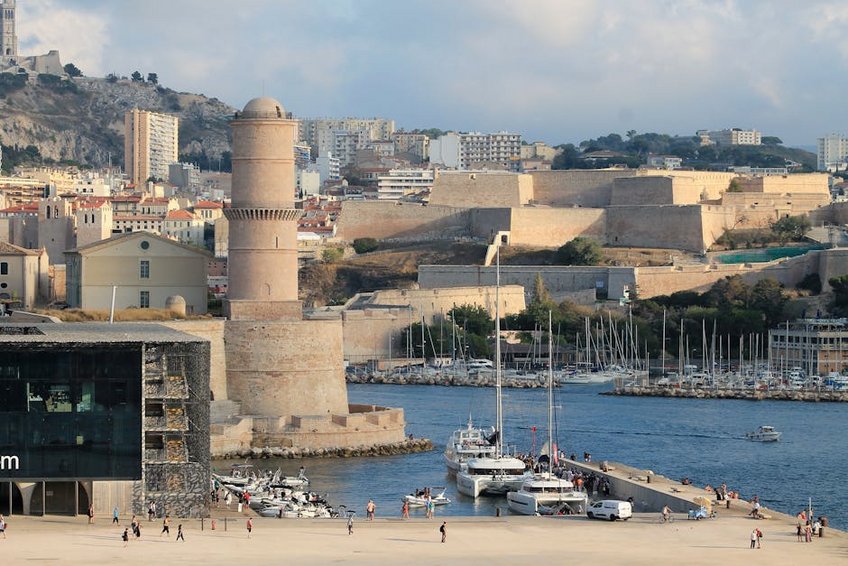
Unlike many European destinations, Marseille’s beauty is often rugged and unpretentious, framed by limestone cliffs and a brilliant blue sea. The city’s identity is inextricably linked to its port, the Vieux-Port, which remains the bustling heart of daily activity. Understanding this context is key to appreciating its charms over a more manicured, tourist-centric city.
Marseille’s Neighborhoods at a Glance
Each district offers a different facet of the city’s personality, from historic quarters to modern art hubs.
- Le Panier: The old town’s maze of narrow streets, painted houses, and artisan workshops, perfect for getting lost and discovering hidden squares.
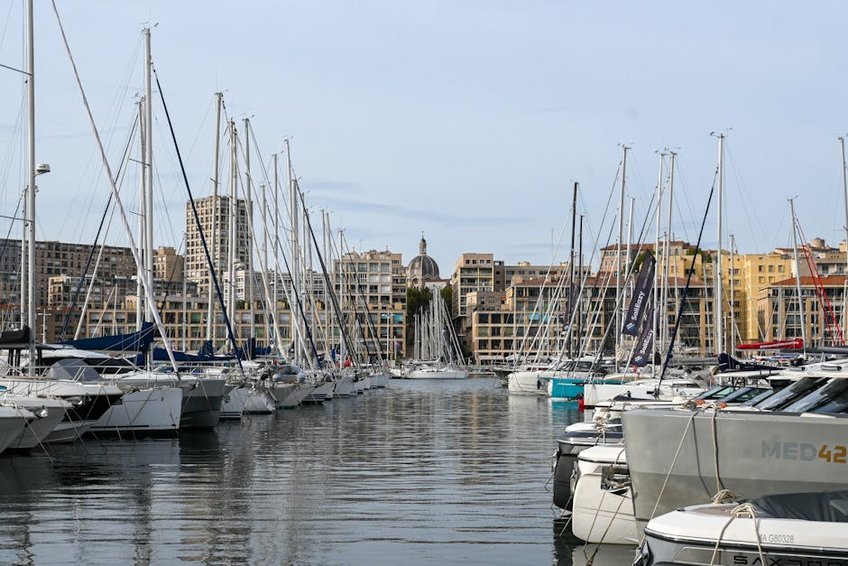
- Vieux-Port: The historic harbor lined with cafes and fishing boats, serving as the central navigation point and morning fish market venue.
- Cours Julien: The city’s bohemian and artistic heart, filled with street art, independent bookshops, vintage stores, and lively terrace bars.
- Budget Traveler ($80-110 USD/day): Stay in a hostel dorm ($30-40), enjoy street food and market picnics ($20), visit free sights like Le Panier, and use public transit ($5). Focus on free walking tours and public beach access.
- Mid-Range Traveler ($150-250 USD/day): A private room in a 3-star hotel or Airbnb ($100-140), dine at casual bistros for lunch and dinner ($50), visit 2-3 paid museums with a pass ($25), and take a Calanques boat tour ($30).
- Luxury Traveler ($350+ USD/day): A boutique hotel or 4-star harbor view room ($250+), gourmet meals at Michelin-starred or renowned seafood restaurants ($120), private guided tours ($100), and yacht charters or premium dining experiences.
- Marseille Tourist Office
- Seat 61: Train Travel in France
Climate and Seasonal Considerations
Marseille enjoys a classic Mediterranean climate with hot, dry summers and mild, damp winters. Summer temperatures from June to August frequently reach 82-86°F (28-30°C), with intense sun and the occasional sweltering Mistral wind. This is peak tourist season, ideal for swimming but requiring reservations for accommodations and popular restaurants.
The shoulder seasons of April-May and September-October offer the best balance, with pleasant temperatures of 65-75°F (18-24°C) and fewer crowds. Winter, from November to March, sees temperatures around 50-55°F (10-13°C) and can be rainy, but it’s a quiet time to experience local life and lower prices.
A City of Contrasts and Culture
Marseille’s cultural scene has been revitalized by its tenure as the European Capital of Culture in 2013. Major institutions like the Museum of European and Mediterranean Civilisations (MuCEM) showcase this renewed focus. The city’s rough-around-the-edges reputation is part of its appeal, offering a genuine slice of contemporary French urban life.
Alt: “marseille-vieux-port-fishing-boats-historic-waterfront-aerial-view”
Marseille Travel Guide – Planning Your Trip
Careful planning ensures you experience the best of this complex city. Allocate at least three full days to explore the core neighborhoods, visit key museums, and take a boat trip to the nearby Calanques. A five-day itinerary allows time for a deeper dive into the markets, a day trip to Cassis or Aix-en-Provence, and leisurely meals along the port.
Budget travelers can manage on $80-100 USD per day by staying in hostels, eating street food like panisse (chickpea fries), and using the efficient metro system. Mid-range visitors spending $150-250 USD daily will enjoy comfortable hotels, restaurant meals, and paid attractions. Your Marseille travel guide budget should account for museum passes and coastal boat tours.
Book accommodations at least two months in advance for summer visits, focusing on areas like the Vieux-Port for convenience or Cours Julien for character. Purchase a City-Pass for 24, 48, or 72 hours if you plan to visit multiple museums and use public transport extensively, as it offers good value.
Best Time to Visit Marseille
The optimal months for a visit are May, June, September, and early October. During this period, you’ll find warm, sunny weather with averages of 70-79°F (21-26°C), perfect for both city exploration and swimming in the Mediterranean. Crowds are manageable, and hotel rates are more favorable than in the peak July-August season.
July and August bring hot weather, often exceeding 86°F (30°C), and the city is at its busiest with European vacationers. If you visit then, book everything in advance and be prepared for higher prices. The winter months are quiet and inexpensive, with many businesses having reduced hours, but you can experience local life without the tourist bustle.
Budget Planning and Costs
Daily costs vary significantly based on your travel style and the season of your visit.
Essential Preparation Checklist
Pack comfortable walking shoes with good grip for the city’s hills and cobblestone streets, along with sun protection (hat, sunglasses, high-SPF sunscreen) for the intense Mediterranean sun. Bring a light jacket or sweater for evenings, which can be breezy even in summer, and a reusable water bottle to stay hydrated.
Ensure your passport is valid for at least three months beyond your planned departure from the Schengen Area. U.S. and EU passport holders do not need a visa for tourist stays under 90 days. Purchase comprehensive travel insurance that covers medical emergencies and trip interruptions. Learn a few basic French phrases; while many in tourism speak English, a polite “Bonjour” goes a long way.
Top Attractions and Must-See Sights
Marseille’s attractions showcase its maritime heritage, multicultural history, and stunning natural surroundings. The iconic Basilique Notre-Dame de la Garde offers panoramic views from the city’s highest point. Meanwhile, the MuCEM fortress complex brilliantly connects the old Fort Saint-Jean to a stunning modern structure via a dramatic seaside footbridge.
You cannot miss a trip to the Calanques, a series of dramatic limestone fjords between Marseille and Cassis. Accessible by boat from the Vieux-Port or by hike (in cooler months), these turquoise inlets are perfect for swimming and kayaking. Back in the city, the Le Panier district provides hours of wandering through artisan shops and cafes in France’s oldest neighborhood.
Must-See Highlights
The Basilique Notre-Dame de la Garde is the city’s symbol. The Romanesque-Byzantine basilica features stunning mosaics and offers a 360-degree panorama. Visit early morning to avoid crowds and the midday heat. Entry is free, though a small fee applies to access the upper terrace. The Vieux-Port is the essential starting point. Watch the morning fish market, admire the boats, and take a ferry to the island fortress of Château d’If, made famous by *The Count of Monte Cristo*.
The Museum of European and Mediterranean Civilisations (MuCEM) is a architectural masterpiece. Its exhibits explore Mediterranean culture, and its rooftop terrace has fantastic views. A combined ticket for MuCEM and the adjacent Fort Saint-Jean costs around $11 USD. The Calanques National Park offers world-class hiking and swimming. A 45-minute boat tour from the port provides an overview, while serious hikers can access Calanque de Sugiton on foot from the Luminy university campus.
Hidden Gems and Local Favorites
Explore the Corniche Kennedy, a scenic coastal road perfect for a long walk or bike ride. Locals favor the Plage des Catalans, a small beach near the port, for a quick swim. Stop at one of the casual restaurants along the corniche for bouillabaisse or a simple plate of moules-frites (mussels and fries) with a view.
Venture into the Noailles district, often called Marseille’s “belly,” for an authentic sensory experience. The bustling market streets are filled with North African and Middle Eastern grocers, spice shops, and food stalls selling socca (chickpea pancake) and freshly fried Moroccan pastries. It’s a vibrant, less-touristed area that showcases the city’s true diversity.
Arts and Street Culture
The Cours Julien neighborhood is the epicenter of Marseille’s alternative culture. Every corner features incredible street art from local and international artists. Spend an afternoon exploring its independent boutiques, record stores, and bookshops. The area comes alive in the evening as its many cafes and bars fill with locals.
For contemporary art, visit the Friche la Belle de Mai, a former tobacco factory transformed into a massive cultural center. It hosts exhibitions, concerts, a rooftop bar and restaurant, and a skate park. It’s a fantastic example of the city’s innovative urban regeneration projects and offers a different perspective on its creative energy.
Practical Travel Information and Logistics
Navigating Marseille is straightforward with its compact metro, tram, and bus network. The city center and major attractions are well-connected, and walking is often the best way to explore districts like Le Panier. For trips to the outskirts or beaches, the public transit system is efficient and affordable, with single tickets costing about $2 USD.
Accommodation options range from modern chain hotels near Saint-Charles train station to charming guesthouses in Le Panier and designer boutiques around the Vieux-Port. Booking in advance is crucial, especially from June to September. Consider your priorities: proximity to the port for convenience, or a trendier area like Cours Julien for nightlife and character.
| Accommodation Type | Best For & Location Tips | Average Price Range (USD) |
|---|---|---|
| Budget Hostel/Guesthouse | Solo travelers & backpackers; areas near the station or Cours Julien offer good value. | $30-70 per night |
| Mid-Range Hotel/Apartment | Couples & small families; Vieux-Port for views, Le Panier for charm, La Joliette for modernity. | $100-200 per night |
| Luxury/Boutique Hotel | Splurging & special occasions; harbor-front locations with spas and gourmet restaurants. | $250-500+ per night |
| Vacation Rental (Airbnb) | Groups & longer stays; great options in residential neighborhoods for a local feel. | $80-180 per night |