Paris Travel Guide for the Modern Explorer
Navigating the French capital demands a strategic approach beyond its iconic postcard sights. A well-crafted Paris Travel Guide prioritizes neighborhood discovery, mastering the Metro, and securing timed entries to avoid legendary queues. This guide provides the logistical framework and local insights needed to experience authentic Parisian life, from historic patisseries to hidden courtyards, ensuring your visit is efficient and enriching.
Essential Parisian Information
Paris is divided into twenty arrondissements, spiraling out from the center like a snail shell. This administrative layout is crucial for orientation, as each district boasts a distinct character and vibe. Knowing the difference between the upscale 7th and the artistic 18th shapes your daily itinerary and accommodation choice.
The city operates on a sophisticated public transit network, the RATP, encompassing the Metro, RER trains, and buses. A Navigo pass or a carnet of single tickets is essential for efficient movement. English is widely spoken in tourist areas, but learning basic French phrases like “bonjour” and “merci” is appreciated and opens doors to warmer interactions.
Understanding the Arrondissements
Your choice of neighborhood fundamentally affects your trip’s atmosphere and logistics.
- The 1st-4th (Louvre, Marais) are historic central hubs, ideal for first-time visitors seeking iconic landmarks and vibrant streets, though they are the most crowded and expensive zones for hotels.
- The 5th-6th (Latin Quarter, Saint-Germain) offer classic Left Bank charm with historic cafes, prestigious universities, and a more relaxed, literary ambiance, perfect for afternoon strolls.
- The 7th-8th (Eiffel Tower, Champs-Élysées) are home to grand monuments and upscale shopping, providing breathtaking views and luxury but with less local neighborhood feel outside major attractions.
- Budget: $100-150/day. Stay in hostel dorms or budget hotels in the 10th or 11th arrondissements, use Metro passes, enjoy bakery lunches and picnics, and prioritize free attractions like parks and church visits.
- Mid-Range: $250-400/day. This covers a comfortable hotel in the Latin Quarter or Marais, daily museum entries, bistro dinners, and occasional taxi rides. You can enjoy the classic Parisian experience without major financial stress.
- Luxury: $600+/day. Stay at palace hotels near the Champs-Élysées, dine at Michelin-starred restaurants, book private guided tours, and enjoy champagne cruises on the Seine for a fully indulgent experience.
- Paris Convention and Visitors Bureau
- Smithsonian Travel Guide to Paris
Navigating Language and Currency
France uses the Euro (EUR), and credit cards are accepted almost universally, though having some cash for small markets is wise. Contactless payments are the norm. While you can manage with English, attempting French is a sign of respect.
Start every interaction with “Bonjour” and end with “Merci, au revoir.” This simple etiquette is non-negotiable in Parisian culture. Most locals will switch to English once they hear your accent, but the initial effort makes a significant difference in service quality.
Historical and Cultural Context
Paris’s history spans over two millennia, from its Roman origins as Lutetia to its role as the epicenter of the Enlightenment and modern art. This layered past is visible everywhere, from Roman ruins in the Latin Quarter to the modernist Centre Pompidou.
The city’s identity is deeply tied to art, philosophy, and gastronomy, evolving through revolutions and artistic movements. Understanding this context enriches visits to museums and neighborhoods, transforming a simple sightseeing tour into a journey through Western cultural history.
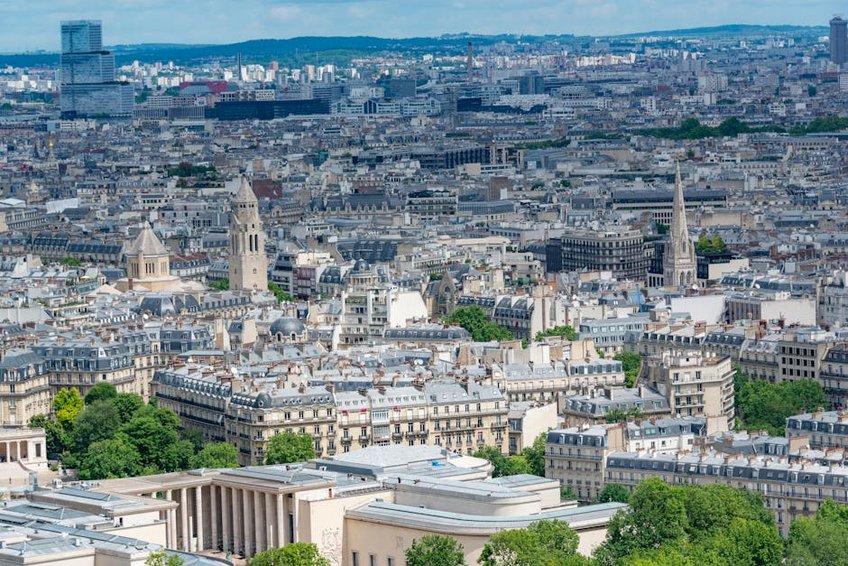
Alt: “paris-eiffel-tower-view-from-trocadero-fountains”
Paris Travel Guide – Planning Your Trip
Successful exploration of Paris hinges on thoughtful pre-planning, especially for timed tickets and dining reservations. Your Paris Travel Guide should account for seasonal weather, museum closure days, and the French tradition of long lunch breaks for smaller shops. Booking key attractions like the Louvre or Sainte-Chapelle weeks in advance is not a suggestion but a necessity to guarantee entry.
Budgeting accurately requires understanding that while some pleasures are free, major museums and fine dining command premium prices. Allocate funds for a mix of iconic experiences and simple joys like a picnic by the Seine. Purchasing a Paris Museum Pass can offer significant savings and skip-the-line access if you plan to visit multiple paid sites consecutively.
Best Time to Visit Paris
The ideal months are April to June and September to October. During these shoulder seasons, you’ll encounter pleasant temperatures of 55-70°F (13-21°C), fewer tourists, and vibrant city life. Spring brings blooming gardens, while fall offers golden light and cultural events like Nuit Blanche.
Peak summer (July-August) sees temperatures up to 80°F (27°C), dense crowds, and some shop closures as Parisians depart on holiday. Winter (November-March) is cold at 35-45°F (2-7°C) but magical with Christmas markets and no queues at museums, though some outdoor cafes close.
Budget Planning and Costs
A daily budget can vary dramatically based on your preferences for dining and accommodation.
Essential Preparation Checklist
Pack versatile layers, comfortable walking shoes, and a reusable water bottle. A portable power bank is crucial for navigating with your phone all day. Bring a plug adapter for Type E sockets (220V) and consider a voltage converter for certain electronics.
Ensure your passport is valid for at least three months beyond your departure date from the Schengen Area. Purchase comprehensive travel insurance covering medical emergencies and trip interruptions. Book all major museum tickets and high-demand restaurants at least one month before your arrival, especially for travel between May and September.
Top Attractions and Parisian Experiences
The city’s landmarks tell the story of its artistic and political evolution. Beyond the Eiffel Tower, masterpieces await in museums that themselves are architectural wonders. Balancing iconic sites with leisurely neighborhood exploration is key to avoiding cultural fatigue and discovering the city’s true rhythm.
Allocate time for both grand institutions and serendipitous discovery. The magic often happens between planned stops—in a quiet square, a bustling market street, or a cozy cafe. Schedule one major attraction per day, leaving ample room for wandering and impromptu experiences that define Parisian life.
Must-See Highlights and Landmarks
The Louvre demands a strategy: book a timed slot for opening, head straight to the Mona Lisa, then explore quieter wings like the Richelieu. The Musée d’Orsay, housed in a stunning former railway station, offers a superb Impressionist collection in a more manageable space than the Louvre.
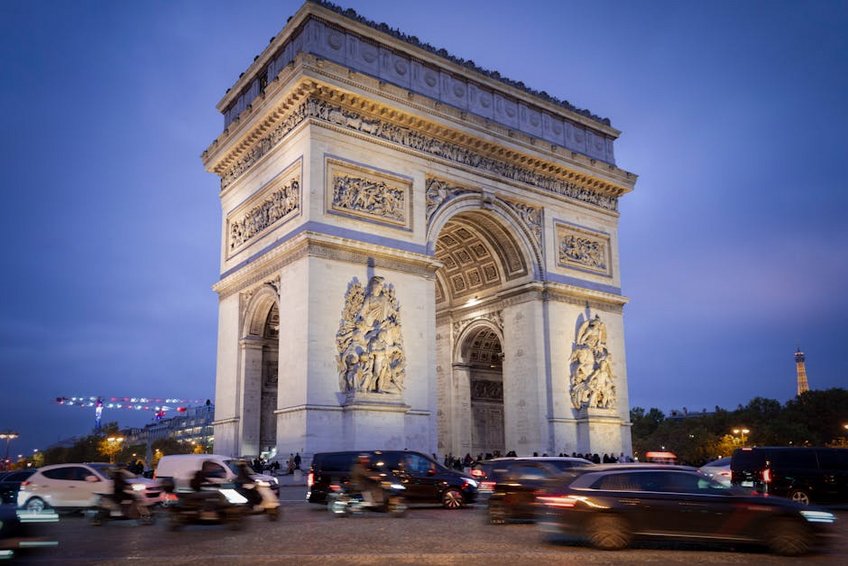
Sainte-Chapelle’s 13th-century stained glass is a breathtaking spectacle of light and color, best visited on a sunny morning. The view from the Arc de Triomphe provides the most photogenic perspective of the Champs-Élysées and the city’s symmetrical layout. A Seine River cruise at dusk offers a unique, relaxing vantage point of the city’s bridges and monuments as they illuminate.
Hidden Gems and Local Favorites
For a village feel, explore the Butte-aux-Cailles in the 13th arrondissement, known for its street art and independent bars. The Promenade Plantée, an elevated park built on a former railway viaduct, offers a peaceful, green stroll away from street traffic, inspiring New York’s High Line.
Visit the Musée de la Chasse et de la Nature, an eccentric cabinet of curiosities in the Marais. The covered passages of the 2nd arrondissement, like Galerie Vivienne, are hidden shopping arcades with stunning 19th-century architecture. These spots provide authentic experiences far from the standard tourist trail.
Art and Museum Strategy
Paris’s museum landscape is vast. The Centre Pompidou houses revolutionary modern art in an inside-out building. The Musée de l’Orangerie features Monet’s immersive Water Lilies in oval rooms designed by the artist himself.
Smaller museums like the Musée Rodin, with its beautiful sculpture garden, or the Picasso Museum in the Marais offer focused, less crowded experiences. The Paris Museum Pass provides access to over 50 sites and can be cost-effective for intensive cultural visits, but always check if it covers the specific venues on your list.
Practical Paris Travel Information
Transportation efficiency is paramount. Charles de Gaulle (CDG) and Orly (ORY) are the main international airports, connected to the city by RER trains, buses, and taxis. Within Paris, the Metro is the fastest way to travel, supplemented by buses for more scenic routes and Vélib’ bike-sharing for the adventurous.
Accommodation ranges from hostels to palace hotels. Location trumps luxury; staying within the first 11 arrondissements ensures you’re close to Metro lines and can easily return to your room for a midday break. Booking directly with hotels often yields better rates and amenities than third-party platforms.
| Accommodation Type | Best For / Features | Average Price Range/Night (USD) |
|---|---|---|
| Hostel / Budget Hotel | Solo travelers & tight budgets; basic amenities, shared facilities, often in the 10th or 18th. | $60 – $120 |
| Boutique Hotel | Couples & style-seekers; unique design, personalized service, located in the Marais or Saint-Germain. | $200 – $400 |
| Apartment Rental | Families & longer stays; kitchen facilities, more space, local neighborhood immersion. | $150 – $350 |
| Luxury / Palace Hotel | Splurge & iconic experiences; prime locations near Champs-Élysées, spa services, Michelin-star dining. | $600 – $1,200+ |