Bologna Travel Guide: Discover Italy’s Culinary and Cultural Heart
Your Bologna travel guide begins in Northern Italy’s Emilia-Romagna region, a city famous for medieval towers, endless porticoes, and being the birthplace of ragù. This university town combines youthful energy with deep historical roots, offering travelers a more authentic Italian experience compared to crowded tourist hubs. This guide provides the local insights, logistical details, and cultural context you need to plan a memorable visit to Italy’s “La Grassa, La Dotta, La Rossa”—the Fat, the Learned, the Red.
Essential Bologna Information
Bologna serves as the capital of the Emilia-Romagna region, approximately 80 miles north of Florence. Founded by the Etruscans, its history spans over 2,500 years, visible today in the nearly 25 miles of historic porticoes that earned it a UNESCO World Heritage status. The University of Bologna, established in 1088, holds the title of the oldest university in the Western world, infusing the city with a vibrant, intellectual atmosphere.
What Makes Bologna Unique
Three nicknames perfectly capture this city’s essence.
- La Grassa (The Fat): This title honors Bologna’s incredible food culture, home to Parmigiano Reggiano, traditional balsamic vinegar, and the original meat sauce served over fresh tagliatelle pasta.
- La Dotta (The Learned): A reference to the ancient university that draws over 80,000 students, creating a dynamic, bookish energy in cafes and piazzas throughout the historic center.
- La Rossa (The Red): This describes both the distinctive terracotta rooftops across the cityscape and its historical left-wing political leanings, adding a layer of modern identity.
- Budget Traveler ($80-110/day): Stay in a hostel or budget B&B ($35-55/night), enjoy market lunches and aperitivo spreads for meals ($20-30), use public transport or walk ($5), and visit free attractions like piazzas and churches. Focus on window shopping and affordable pasta lunches in student areas.
- Mid-Range Traveler ($150-250/day): Book a central 3-star hotel or apartment ($90-140/night), dine at traditional trattorias for lunch and dinner ($50-70), take a guided food tour ($60-80), and visit 2-3 paid museums or climb the towers ($20-30). This budget allows for a balanced mix of culture and cuisine.
- Luxury Traveler ($350+/day): Reserve a 4 or 5-star hotel like the Grand Hotel Majestic ($250+/night), experience Michelin-starred dining at I Carracci or similar ($150+ per person), hire a private guide for a full day ($250-400), and enjoy chauffered excursions to nearby Parmigiano Reggiano producers. This tier offers ultimate comfort and exclusive access.
- Bologna Welcome Official Tourism Site
- Italian National Tourist Board – Bologna
- TPER Bologna Public Transport
Key Historical and Cultural Details
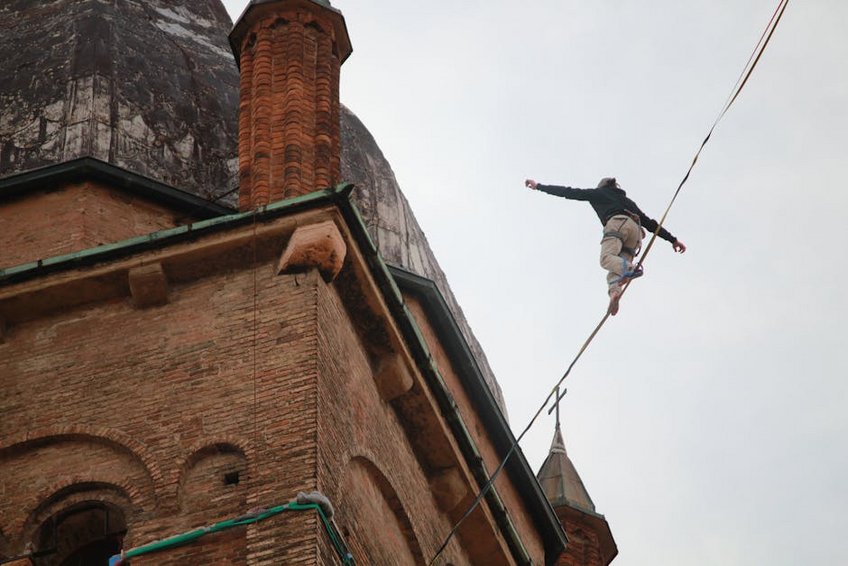
The iconic Two Towers, Asinelli and Garisenda, symbolize medieval Bologna’s powerful families from the 12th century. Visitors can climb 498 wooden steps to the top of the Asinelli Tower for a breathtaking city panorama. Meanwhile, the intricate portico system, initially built as wooden extensions to house university students, evolved into the monumental stone arcades that define the city’s streets today.
Piazza Maggiore remains the civic heart, surrounded by monumental buildings like the Basilica of San Petronio and the Palazzo d’Accursio. This square has been the center of public life for centuries, hosting markets, protests, and daily social gatherings. The adjacent Quadrilatero market area maintains its medieval street layout, offering a sensory overload of food stalls, butchers, and pasta shops.
Visiting Practicalities
Bologna experiences a humid subtropical climate with hot summers and cool, damp winters. Summer temperatures often reach 86-95°F (30-35°C), while winter sees averages of 35-45°F (2-7°C). The city is very walkable, with its historic center largely closed to non-resident traffic, making comfortable shoes your most important packing item. English is widely spoken in tourist areas, thanks to the university’s international population.
Alt: “bologna-two-towers-medieval-architecture-italy-skyline”
Bologna Travel Guide – Planning Your Trip
Careful planning enhances any visit to this Italian gem, balancing culinary exploration with historical discovery. This Bologna travel guide recommends a minimum stay of three full days to appreciate the major sites and food culture without rushing. Booking accommodation within the city’s historic center, inside the ring of avenues known as the *viali*, places you within a 15-minute walk of almost every key attraction and restaurant.
Consider purchasing the Bologna Welcome Card for discounted museum entries and unlimited use of the city’s public transport network. Budget approximately $65-85 per day for food, excluding fine dining, as even simple trattorias serve exceptional meals. Travel during the shoulder seasons of April-May or September-October for pleasant weather, fewer crowds, and lower accommodation prices compared to the peak summer months.
Best Time to Visit Bologna
The ideal months are April, May, September, and October, when daytime temperatures range from 65-75°F (18-24°C) and rainfall is moderate. These periods offer comfortable walking conditions for exploring the porticoes and piazzas. Summer brings intense heat, with July and August averaging 88°F (31°C), and many locals leave the city, potentially closing some smaller shops and restaurants for a summer break.
Winter, from December to February, is quiet and chilly, with temperatures between 35-45°F (2-7°C) and a higher chance of fog. This season offers the lowest hotel rates and a truly local atmosphere, though some outdoor cafe culture diminishes. The city hosts lively festivals like the Fiera di San Luca in October and Christmas markets in Piazza Maggiore during December, which can be delightful to experience.
Budget Planning and Costs
Daily costs vary significantly based on your travel style and dining choices.
Essential Preparation Checklist
Pack comfortable walking shoes with good support for cobblestone streets, along with layers for variable weather under the porticoes. A reusable water bottle is handy for refilling at the city’s many *nasoni* (drinking fountains) with fresh, cold water. Tech-wise, bring a European power adapter (Type C/L) and download offline maps, as phone service can be spotty in narrow alleyways.
Ensure your passport is valid for at least three months beyond your planned departure from the Schengen Area. Arrange travel insurance that covers medical emergencies and trip interruptions. Book popular accommodations three to four months in advance for peak season, and reserve tables at top-rated restaurants at least two to three weeks before your visit, especially for weekend dinners.
Top Attractions and Authentic Experiences
Beyond the famous towers, Bologna’s charm unfolds in its hidden courtyards, artisan workshops, and vibrant markets. Start your exploration at Piazza Maggiore to orient yourself among the grand civic buildings. Then, wander through the Quadrilatero district, where scents of aged cheese, fresh pasta, and baking bread create an unforgettable atmosphere. The city’s canals, though largely covered, reveal surprising glimpses of its past as a major waterway hub.
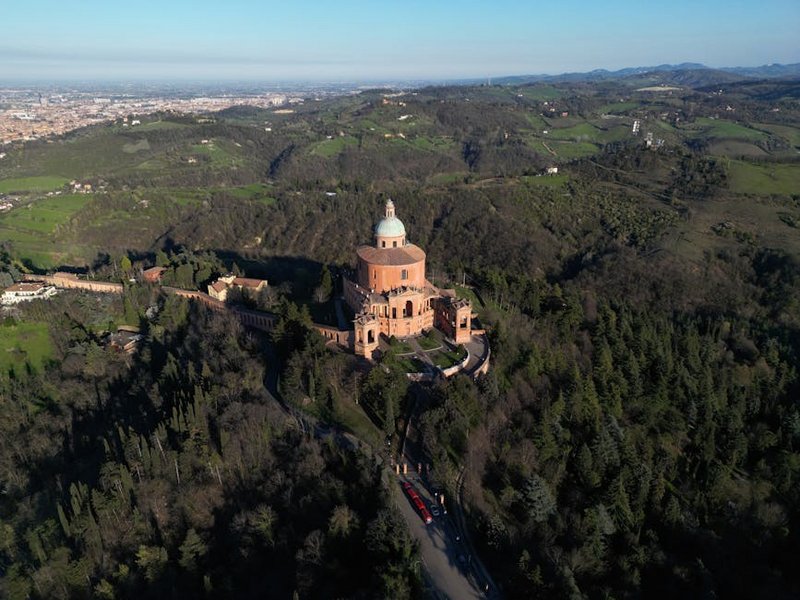
Architecture enthusiasts will marvel at the Sanctuary of the Madonna di San Luca, connected to the city center by the world’s longest portico—a covered walkway stretching 2.3 miles (3.8 km). For a different perspective, visit the Seven Churches complex (Santo Stefano), a unique layering of religious buildings from different eras. The Musical Instrument Museum (Museo Internazionale della Musica) holds a priceless collection, including a violin once owned by Mozart.
Must-See Highlights
The Two Towers are the undeniable symbol. Climb the Asinelli Tower before 11 AM to avoid long queues and experience the best light for photos over the red rooftops. Tickets cost about €5 ($5.50). Next, visit the Archiginnasio, the original university building, to see the stunning Anatomical Theatre carved from spruce wood in 1637. Admission is €3 ($3.30).
The Basilica of San Petronio, dominating Piazza Maggiore, is one of the world’s largest churches. Its unfinished facade tells a story of ambition and papal intervention. Entry is free, but a small fee (€2) applies to see the Meridian Line and the museum. For art, the National Picture Gallery (Pinacoteca Nazionale) houses a premier collection of Emilian paintings from the 13th to 18th centuries, including works by Raphael. Allow two hours and budget €8 ($8.80) for entry.
Hidden Gems and Local Favorites
Discover the *Finestrella* on Via Piella, a small window offering a surprising view of a remaining stretch of Bologna’s historic canals, often called “Little Venice.” It’s a quick, free stop. Seek out the Whispering Wall in the courtyard of Palazzo del Podestà; stand at diagonal corners under the vaults and speak softly to someone across the way—the architecture carries your voice.
Visit the Certosa Cemetery, a monumental open-air museum of sculpture and history set in a former Carthusian monastery. Locals stroll here on weekends. For a unique souvenir, find a traditional print shop (*stamperia*) in the university district where artisans still use antique presses to create posters and cards. These spots offer quiet respite from the busier central streets.
Food Market Exploration
No visit is complete without exploring the markets. Mercato di Mezzo in the Quadrilatero is the historic hub, now revitalized with food stalls perfect for a gourmet lunch on the go. For a larger, more local experience, visit Mercato delle Erbe, a covered market with produce stalls, cheese vendors, and small eateries (*osterie*). It’s less touristy and perfect for assembling a picnic.
On Fridays and Saturdays, the market spills into the surrounding streets. For a truly immersive experience, join the *Eataly* world in the former Teatro Comunale. This multi-story temple to Italian gastronomy features restaurants, cooking classes, and endless shopping for high-quality regional products. It’s an excellent place to understand the sheer diversity of Emilia-Romagna’s culinary output.
Practical Travel Information
Navigating Bologna is straightforward thanks to its compact, pedestrian-friendly center. Guglielmo Marconi Airport (BLQ) is Italy’s seventh busiest, located just 4 miles (6 km) northwest of the city center. A dedicated airport shuttle (Aerobus) connects to the main train station every 15 minutes for €6. The city’s main railway station, Bologna Centrale, is a major high-speed rail hub, with frequent Frecciarossa trains to Florence (35 mins), Milan (1 hour), and Rome (2 hours).
Accommodation spans historic palaces converted into luxury hotels, charming boutique guesthouses, and university-affiliated budget options. Staying within the *cerchia dei viali* (the ring road) is highly recommended to maximize your walking access to sites. The city’s efficient bus network, run by TPER, is useful for reaching hillside attractions like San Luca, but the core is best explored on foot.
| Accommodation Type | Best Areas & Features | Price Range (USD/Night) |
|---|---|---|
| Luxury Hotel | Piazza Maggiore vicinity; historic palaces, spa services, fine dining | $250 – $450+ |
| Boutique B&B | University District (Via Zamboni); character, personal service, breakfast | $120 – $220 |
| Mid-Range Hotel | Near Via dell’Indipendenza; modern amenities, good transit links | $90 – $160 |
| Apartment Rental | Quadrilatero or Santo Stefano; kitchenette, space for families | $110 – $200 |