Milan Travel Guide: Navigating Italy’s Fashion and Finance Capital
Milan serves as Italy’s dynamic northern gateway, blending Renaissance art with modern design and global business. Your Milan travel guide reveals a city where medieval architecture contrasts with contemporary skyscrapers, all centered around the iconic Duomo cathedral. This guide provides practical navigation for the historic center, financial district, and canal neighborhoods, plus day trips to Lake Como.
Essential Milan Information
Milan, the capital of Italy’s Lombardy region, hosts approximately 1.4 million residents within its metropolitan area. The city operates as the nation’s financial and fashion headquarters, home to the Italian stock exchange and major design houses. Its strategic position in the Po Valley makes it a major European transport hub with excellent rail connections.
Historically, Milan gained prominence under the Sforza family during the Renaissance, patronizing artists like Leonardo da Vinci. The city’s architectural layers span from Roman ruins beneath the Piazza Duomo to Gothic spires and 20th-century rationalist buildings. Milanese culture prioritizes efficiency and innovation, reflected in its reliable public transport and design-forward aesthetic.
Key Facts and Figures
Understanding these basics helps with planning.
- Language: Italian is official, but English is widely spoken in tourist and business areas, especially around the Duomo and fashion quadrilateral.
- Currency: Euro (€). Credit cards are accepted almost everywhere, though keep small cash for smaller cafes and markets.
- Time Zone: Central European Time (CET), UTC+1, shifting to CEST (UTC+2) during daylight saving from late March to late October.
- Budget: $70-100 per day covers dorm/hostel, supermarket meals, walking tours, and museum free hours. Prioritize free Duomo cathedral entry (excluding terraces) and window-shopping in the Galleria.
- Mid-Range: $150-250 per day allows a 3-star hotel near a metro, daily attraction tickets, casual restaurant meals, and an aperitivo experience in Navigli.
- Luxury: $400+ per day provides 5-star design hotels, fine dining at Michelin-starred restaurants, private guided tours, and front-row opera tickets at La Scala.
- Official Milan Tourism Website
- ATM Milano Public Transport Official Site
- Duomo di Milano Official Cathedral Site
Visitor Demographics and Seasons
Tourism peaks align with major events and pleasant weather. The busiest periods occur during Milan Fashion Week in late February and September, plus the Christmas holidays. Spring and fall see high visitor numbers due to mild temperatures ideal for walking tours and outdoor dining.
Summer attracts fewer business travelers but remains popular for general tourism despite higher humidity. January and August are traditionally quieter months, with many locals leaving the city for holidays, leading to some shop closures. This can offer a more relaxed pace for sightseeing.
City Layout and Neighborhoods
Milan’s core is encircled by a ring road tracing the former Spanish walls. The absolute center is Piazza del Duomo, home to the cathedral. From here, major streets radiate outward, including the elegant shopping gallery, Galleria Vittorio Emanuele II.
The Fashion District (Quadrilatero della Moda) lies just north, defined by Via Montenapoleone and Via della Spiga. Navigli, the canal district, sits southwest of the center, known for its aperitivo culture. The Brera district offers charming cobblestone streets and art galleries northeast of the Duomo.
Alt: “milan-duomo-cathedral-facade-gothic-architecture-piazza”
Milan Travel Guide – Planning Your Trip
Effective planning transforms a visit to Lombardy’s capital. A successful Milan travel guide emphasizes balancing iconic sights with local immersion. Allocate time for both the monumental Duomo and quieter moments in neighborhood cafés.
Budget planning requires understanding Milan’s dual nature as both a luxury destination and a city with affordable pleasures. Accommodation costs vary dramatically between the fashion district and outer areas. Dining expenses shift from high-end restaurants to casual aperitivo buffets and traditional trattorias.
Advance booking remains non-negotiable for major attractions. Secure tickets online for Leonardo’s “The Last Supper,” the Duomo terraces, and La Scala opera house weeks before arrival. This strategy saves hours of queueing and guarantees access to time-limited entries.
Best Time to Visit Milan
The optimal visiting months are April-May and September-October. Temperatures range from 55-75°F (13-24°C) with moderate rainfall. These shoulder seasons offer comfortable weather for exploring on foot and fewer crowds at major museums compared to summer.
June through August brings heat, with averages of 70-86°F (21-30°C), and higher humidity. Many residents depart in August, creating a quieter city but with some restaurant closures. Winter, from December to February, sees temperatures of 30-45°F (-1 to 7°C) and potential fog, but magical Christmas markets.
Budget Planning and Costs
Daily costs fluctuate based on style.
Essential Preparation Checklist
Prepare documentation and packing strategically. Ensure your passport is valid for three months beyond your departure date from the Schengen Area. US citizens do not need a visa for stays under 90 days. Purchase comprehensive travel insurance covering medical emergencies and trip interruptions.
Pack comfortable walking shoes for cobblestone streets and a versatile jacket for variable weather. Include a power adapter for Italy’s Type L sockets (230V). Download offline maps and the ATM Milano app for public transport tickets. Learn basic Italian phrases like “buongiorno” and “grazie” for polite interactions.
Top Attractions and Activities
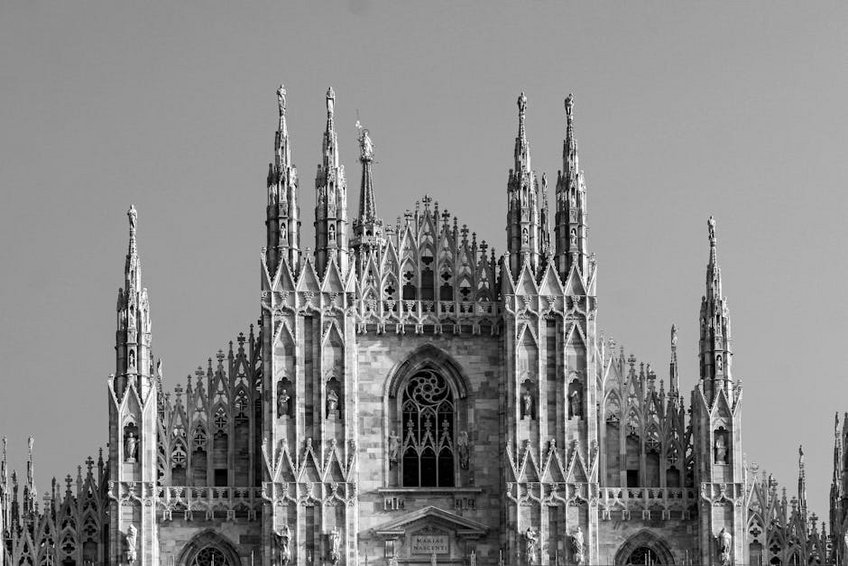
Milan’s must-see list blends art, architecture, and performance. The Duomo cathedral dominates the skyline with its marble facade and forest of spires. Inside, stained-glass windows illuminate the nave, while the archaeological area reveals the ancient basilica foundations.
Santa Maria delle Grazie convent safeguards Leonardo da Vinci’s masterpiece, “The Last Supper.” Viewing requires a timed 15-minute slot booked months in advance. The adjacent museum provides context on the fresco’s turbulent history and restoration.
La Scala Opera House represents one of the world’s most prestigious performance venues. Attend an opera or ballet for the full experience, or visit the museum backstage to see costumes and instruments from legendary composers. The theater’s acoustics are legendary.
Must-See Highlights
The Duomo’s rooftop terraces provide unparalleled city views. Access them by stairs or elevator for a closer look at the intricate sculptures and flying buttresses. Visit early morning to avoid crowds and capture the best light for photography over the piazza.
Galleria Vittorio Emanuele II, the city’s elegant 19th-century shopping arcade, links Piazza del Duomo to Piazza della Scala. Admire the glass and iron dome, mosaic floors, and historic cafes like Biffi. Tradition says spinning on the bull mosaic’s testicles brings good luck.
Sforza Castle houses multiple civic museums within its formidable walls. Highlights include Michelangelo’s unfinished Rondanini Pietà and the exquisite tapestries in the Sala delle Asse, painted by Leonardo. The castle grounds, Parco Sempione, offer a green escape behind the fortress.
Hidden Gems and Local Favorites
Explore the Orto Botanico di Brera, a tranquil botanical garden hidden behind high walls in the Brera district. This secret garden features medicinal plants, a herbarium, and greenhouses, offering a peaceful retreat from urban bustle. It’s often overlooked by guidebooks.
Discover the Chiesa di San Maurizio al Monastero Maggiore, dubbed “Milan’s Sistine Chapel.” The entire interior is covered in breathtaking Renaissance frescoes by Bernardino Luini and his school. The church is free to enter and rarely crowded, located near the Archaeological Museum.
Visit the Columns of San Lorenzo, sixteen Roman columns standing before the Basilica of San Lorenzo. This area becomes a vibrant evening gathering spot for locals and students. Join the crowd with a drink from a nearby bar as the sun sets behind the ancient ruins.
Design and Fashion Exploration
Milan’s design legacy extends beyond clothing. The Triennale Design Museum in Parco Sempione showcases Italian industrial design through rotating exhibitions. Its bookshop is a treasure trove for design enthusiasts, featuring rare publications and contemporary objects.
Fashion lovers should explore the Museo della Moda at Palazzo Morando. This costume museum displays garments and accessories from the 18th century to contemporary designs, illustrating Milan’s sartorial evolution. Temporary exhibitions often focus on specific designers or themes.
Practical Travel Information
Navigating Milan is straightforward thanks to an efficient integrated transport system. The metro (MM) has five color-coded lines covering most tourist areas, with trains running frequently from 6:00 AM to midnight. Surface options include trams, buses, and bike-sharing stations.
Accommodation choices span from luxury design hotels to affordable guesthouses. The city center offers convenience but higher prices, while staying near a metro station in districts like Porta Romana or Città Studi provides better value. Booking three months in advance secures the best rates for peak periods.
| Accommodation Type | Best Areas & Features | Average Nightly Rate (USD) |
|---|---|---|
| Luxury Hotel | Fashion District (Quadrilatero), designer interiors, spa, concierge | $350 – $700+ |
| Boutique Hotel | Brera or Navigli, unique themes, personalized service, central location | $200 – $400 |
| Mid-Range Hotel | Near Central Station or Porta Venezia, modern amenities, metro access | $120 – $220 |
| Apartment Rental | Isola or Porta Romana neighborhoods, kitchen facilities, more space | $90 – $180 |
| Hostel/Budget | Città Studi or near universities, dorm/private rooms, social atmosphere | $25 – $70 |