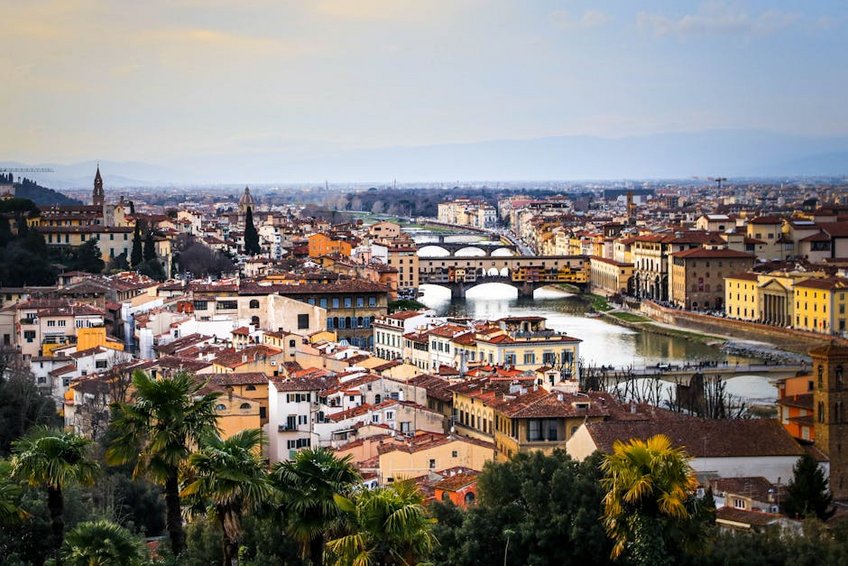
Florence Travel Guide: Discover Renaissance Art and Tuscan Cuisine
Your Florence travel guide begins in a city where every street corner reveals a masterpiece, from Michelangelo’s David to Brunelleschi’s iconic dome. This Tuscan capital offers more than art history; it delivers vibrant markets, world-class leather goods, and food traditions dating to the Medici era. This guide covers essential logistics, hidden gems, and practical tips to experience Florence beyond the crowded piazzas.
Essential Florence Information
Florence, the cradle of the Renaissance, sits in central Italy’s Tuscany region along the Arno River. Founded as a Roman military colony, the city flourished under Medici patronage in the 15th century, funding artistic geniuses like Leonardo da Vinci. Today, its historic center is a UNESCO World Heritage Site, remarkably compact and best explored on foot between iconic landmarks.
The city’s climate features hot, dry summers and cool, damp winters, with spring and autumn offering the most pleasant walking conditions. Florentines maintain a proud cultural identity, blending deep respect for tradition with a modern, cosmopolitan outlook. Understanding this history enriches your visit beyond simply checking sites off a list.
What You Need to Know Before Visiting
Preparation transforms a good trip into a great one. These points help you navigate the Tuscan capital smoothly.
- The official language is Italian, but English is widely spoken in tourist areas, hotels, and major museums; learning basic Italian phrases like “grazie” (thank you) is appreciated by locals.
- Italy uses the Euro (€), and credit cards are accepted almost everywhere, though small markets and some cafes prefer cash for transactions under €10-15.
- Florence is in the Central European Time Zone (CET, UTC+1), observes Daylight Saving Time, and uses Type C, F, and L electrical plugs at 230V voltage.
- Budget Traveler ($80-120 USD/day): Stay in hostels or budget B&Bs outside the center, enjoy picnic lunches from Mercato Centrale, walk everywhere, and visit free churches. Prioritize one or two major museums with pre-booked tickets.
- Mid-Range Traveler ($150-250 USD/day): Stay in a 3-star hotel in Oltrarno or near Santa Maria Novella, dine at local trattorias, use the Firenze Card for museum access, and take occasional taxis. This allows a comfortable, immersive experience.
- Luxury Traveler ($400+ USD/day): Stay in a 5-star historic palace hotel, enjoy fine dining at Michelin-starred restaurants, book private guided tours for early gallery access, and hire a driver for day trips to Chianti vineyards.
- Official Florence Tourism Information
- The New York Times Florence Travel Tips
Key Neighborhoods and Districts
The historic center, or Centro Storico, contains the densest concentration of artistic treasures, including the Duomo and Uffizi Gallery. This area is largely pedestrianized, creating an atmospheric but often crowded environment for exploration. Accommodation here places you steps from major sites but at a premium price, especially during peak seasons.
Across the Arno River, the Oltrarno district offers a more local, artisan-focused experience. This “other side” of the river is home to the Pitti Palace, Boboli Gardens, and numerous workshops for leather crafting and jewelry. Staying here provides a slightly quieter base while remaining within a 15-minute walk of the Ponte Vecchio and main attractions.
Local Customs and Etiquette
Italians greet friends with a kiss on both cheeks, but a handshake or nod suffices for initial tourist interactions. Dress respectfully when entering churches; shoulders and knees should be covered, which applies to both men and women. This rule is strictly enforced at the Duomo and Santa Croce.
Dining culture runs on a later schedule, with lunch typically from 1:00-3:00 PM and dinner starting after 7:30 PM, often closer to 8:30 PM. Asking for a “caffè” will get you a single shot of espresso, usually consumed standing at a bar. Tipping is not obligatory, but rounding up the bill or leaving 5-10% for exceptional service is customary.
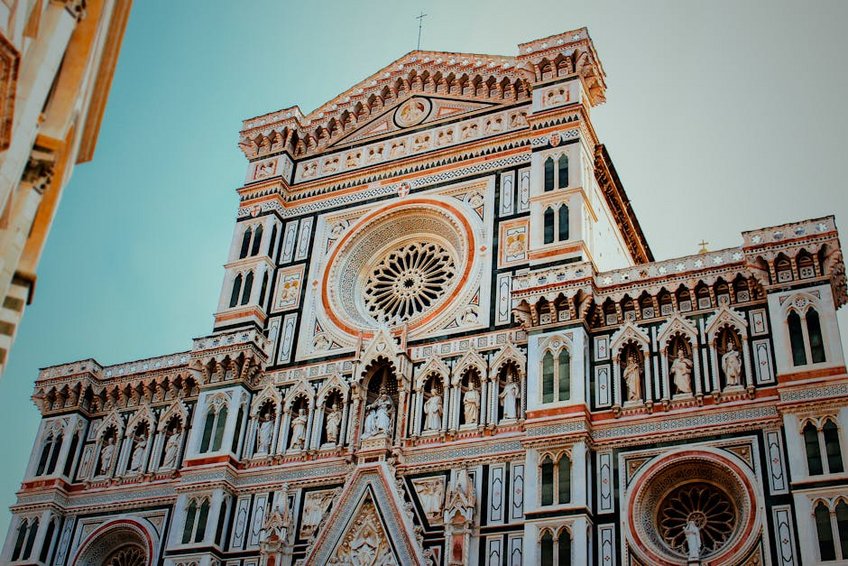
Alt: “florence-duomo-cathedral-brunelleschi-dome-tuscany-italy”
Florence Travel Guide – Planning Your Trip
Strategic planning is the key to enjoying this Renaissance city without being overwhelmed by queues and crowds. The most critical step is pre-booking timed-entry tickets for the Uffizi Gallery, Accademia Gallery (home to David), and climbing the Duomo’s dome. These slots sell out weeks in advance during high season, from April through October.
Allocate your budget wisely. A mid-range daily budget of $150-200 USD per person covers a comfortable hotel, museum entries, meals at trattorias, and local transport. Major expenses include museum admissions ($25-30 USD each) and accommodations, while delicious panini and gelato offer affordable culinary pleasures. Consider purchasing the Firenze Card for heavy museum-goers.
Best Time to Visit Florence
The ideal months are April-May and September-October, when daytime temperatures range from 65-75°F (18-24°C) and tourist crowds are manageable compared to summer. These shoulder seasons offer pleasant weather for walking and al fresco dining without the intense heat. Hotel prices are also more reasonable than in the peak summer period.
July and August see highs averaging 88-95°F (31-35°C) with high humidity, making afternoon exploration strenuous. However, this period hosts several local festivals. Winter (November-February) is cooler, 40-55°F (4-13°C), and rainy, but offers the shortest museum lines and a chance to see the city adorned in Christmas lights.
Budget Planning and Costs
Costs vary significantly based on travel style. Here is a breakdown for different budgets.
Essential Preparation Checklist
Pack comfortable, supportive walking shoes—cobblestone streets are unforgiving. Bring a light scarf or shawl to cover shoulders for church visits. A refillable water bottle is useful, as you can drink from the city’s many public “nasone” fountains offering clean, cold water. A power adapter for Italian outlets is a must.
Ensure your passport is valid for at least three months beyond your planned departure date from the Schengen Area. U.S. and EU citizens do not need a visa for stays under 90 days. Book accommodations at least three months in advance for spring and fall visits. Purchase comprehensive travel insurance that covers healthcare and trip interruptions.
Top Attractions and Cultural Sites
No visit is complete without seeing the Renaissance titans. The Uffizi Gallery houses Botticelli’s “Birth of Venus” and works by Caravaggio in a palace designed by Vasari. Reserve a morning slot online to avoid the longest lines. The Accademia Gallery’s main draw is Michelangelo’s monumental “David,” but its collection of musical instruments is also noteworthy.
The Duomo Complex, formally the Cattedrale di Santa Maria del Fiore, dominates the skyline. Visiting involves separate tickets for the cathedral (free), the dome climb, the bell tower, the baptistery, and the museum. The dome climb offers unparalleled city views but requires a reservation and a 463-step ascent with narrow, steep passages.
Must-See Highlights
The Ponte Vecchio, the only bridge spared in WWII, is lined with historic goldsmith shops. Visit early morning or late evening to avoid the thickest crowds. The Pitti Palace, once home to the Medici and Savoy families, contains multiple museums and the sprawling, elegant Boboli Gardens, a masterpiece of Italian landscape design.
Santa Croce Basilica is the burial site of Michelangelo, Galileo, and Machiavelli, and features stunning frescoes by Giotto. The nearby leather school offers quality goods. For a panoramic view, head to Piazzale Michelangelo, especially at sunset, or to the quieter and higher San Miniato al Monte church just above it.
Hidden Gems and Local Favorites
Escape the crowds in the Bardini Garden, offering beautiful views with far fewer visitors than Boboli. The Museo Stefano Bardini displays an eclectic collection in a stunning setting. For a unique perspective, visit the Vasari Corridor, the secret passageway used by the Medici to walk from the Palazzo Vecchio to the Pitti Palace; access requires a special guided tour.
Explore the artisan workshops in the Oltrarno’s Santo Spirito neighborhood. The Mercato Sant’Ambrogio offers a more local market experience than the central San Lorenzo market. Finally, the Officina Profumo-Farmaceutica di Santa Maria Novella, a pharmacy operating since 1612, is a historic site for browsing perfumes and herbal remedies.
Artisan Experiences and Workshops
Florence is renowned for leather craftsmanship. Visit the Scuola del Cuoio (Leather School) in Santa Croce to see artisans at work. Many shops in the San Lorenzo market area offer quality goods, but be wary of cheap imitations. Book a hands-on leatherworking or bookbinding workshop for a memorable souvenir you create yourself.
Traditional paper marbling is another local art form. Studios like Il Papiro demonstrate this technique. For food enthusiasts, cooking classes focusing on Tuscan staples like fresh pasta, ribollita soup, and cantucci biscuits are widely available and often include a market tour.
Practical Travel Information
Navigating Florence is straightforward thanks to its compact, walkable center. The main train station, Firenze Santa Maria Novella (SMN), is a major hub with high-speed connections to Rome (1.5 hours), Milan (2 hours), and Venice (2 hours). The smaller Amerigo Vespucci Airport (FLR) handles European flights, while Pisa International Airport (PSA) is an hour away by train and serves more intercontinental routes.
Within the city, buses operated by ATAF are the primary public transport. A single ticket costs €1.50 and is valid for 90 minutes. Taxis are white and must be hailed at designated ranks or called; rideshare services like Uber operate only as licensed taxis here. Renting a car is not recommended for city exploration due to ZTL (limited traffic zone) restrictions and scarce parking.
| Accommodation Type | Best Areas & Features | Price Range (USD/Night) |
|---|---|---|
| Luxury Hotel | Historic center or Oltrarno; palace settings, rooftop terraces, concierge | $350 – $800+ |
| Boutique Hotel | Santa Croce or near Ponte Vecchio; unique design, personalized service | $200 – $400 |
| Mid-Range Hotel/B&B | San Lorenzo or near SMN station; breakfast included, good transit links | $120 – $250 |
| Budget Hostel/Apartment | Areas outside Centro Storico; self-catering, shared facilities | $70 – $150 |