Crete Travel Guide
Planning a trip to Crete immerses you in the heart of the Mediterranean’s most storied and diverse island. As Greece’s largest island, it offers a staggering variety from ancient Minoan palaces and rugged mountain gorges to some of Europe’s finest beaches with translucent turquoise waters. This Crete travel guide provides the essential framework, from historical context and seasonal advice to detailed logistics, ensuring you craft an itinerary that matches your travel style perfectly.
Essential Information About Crete
Crete holds a pivotal place in European history as the cradle of the Minoan civilization, Europe’s first advanced society dating back to 2700-1100 BC. The island’s strategic location at the crossroads of three continents has shaped a rich tapestry of cultural influences, from Venetian fortresses to Ottoman mosques. Today, it operates as one of Greece’s 13 administrative regions, with a distinct culture and dialect felt by its nearly 650,000 residents.
The island is geographically divided into four regional units: Chania, Rethymno, Heraklion, and Lasithi. Each prefecture boasts a unique character, from the elegant Venetian harbor of Chania to the sprawling archaeological site of Knossos near Heraklion. Travelers should note that while part of Greece and the EU, Crete maintains a fiercely independent spirit and local pride that is palpable across its villages and cities.
Key Geographical Features
Understanding Crete’s dramatic landscape is crucial for planning your movement and activities across the island.
- The White Mountains (Lefka Ori) and Mount Psiloritis dominate the west and center, creating formidable barriers and breathtaking gorges like Samaria, which is 16km long and a UNESCO Biosphere Reserve.
- Over 1,000 km of coastline wraps the island, featuring everything from long sandy stretches like Elafonissi to secluded rocky coves accessible only by boat or foot.
- The Lassithi Plateau in the east, dotted with thousands of white-sailed windmills, offers a completely different, serene agricultural landscape compared to the coastal resorts.
- Budget Traveler ($50-80 USD/day): This covers dorm hostel beds ($20-30), meals from street food and bakeries like *tiropita* (cheese pie), local bus travel, and free activities like hiking and visiting public beaches. Focus on smaller towns like Paleochora or Sitia for lower prices.
- Mid-Range Traveler ($120-200 USD/day): Expect a comfortable double room in a 3-4 star hotel or apartment rental ($70-120), rental car for key days ($30-45/day), meals at traditional tavernas ($15-25/person), and paid entry to major sites like Knossos and the Samaria Gorge.
- Luxury Traveler ($300+ USD/day): This tier includes 5-star resorts like Blue Palace or Domes Noruz Chania, fine dining with wine, private guided tours of archaeological sites, yacht charters for coastal exploration, and spa treatments. Villa rentals with pools are a popular high-end option.
- Greek National Tourism Organization – Crete
- Lonely Planet Crete Travel Guide
Historical Timeline and Context
Crete’s history is a layered narrative of conquest and culture. The Minoan peak around 1700 BC left behind the magnificent palace complexes at Knossos and Phaistos, centers of a sophisticated, sea-faring empire. Following the Minoan decline, the island saw successive rule by Mycenaean Greeks, Romans, Byzantines, Arabs, Venetians, and Ottomans before unifying with Greece in 1913.
This complex past is visible everywhere. You can walk along 16th-century Venetian fortifications in Rethymno, visit an Ottoman mosque in Chania, and explore Byzantine churches hidden in remote hills. Each era contributed to the island’s unique architectural blend, culinary traditions, and resilient character, making a Greek island vacation here a journey through millennia.
Island Orientation and Regions
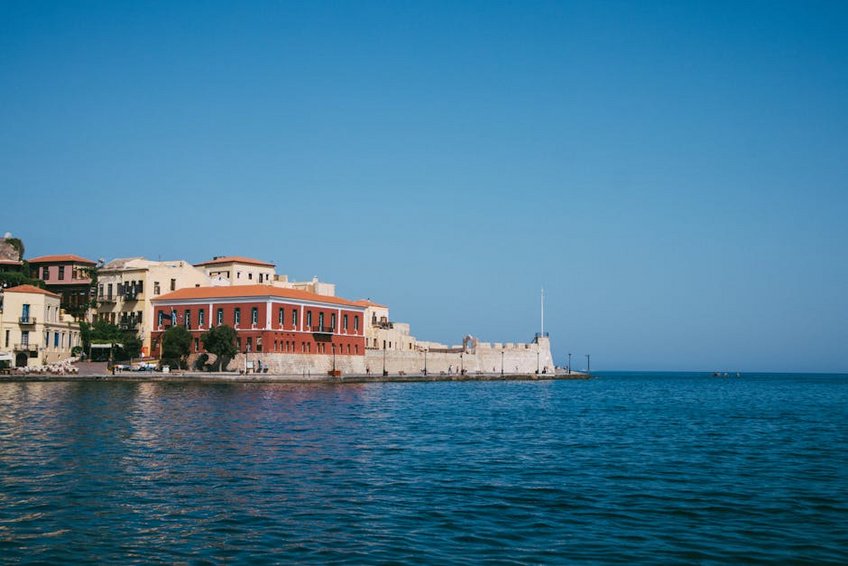
Chania in the northwest is often considered the most picturesque, with its famous old Venetian harbor, narrow shopping lanes, and proximity to beaches like Balos and Falassarna. Heraklion, the bustling capital and main ferry/airport hub, is the gateway to Knossos and has excellent museums but a more modern, less charming core. Rethymno offers a lovely balance with its own Venetian-Ottoman old town and easy access to both mountains and coast, while Lasithi in the east is drier and more relaxed, known for the palm beach of Vai and the resort town of Agios Nikolaos.
Alt: “chania-old-venetian-harbor-crete-greece-evening-lights”
Crete Travel Guide – Planning Your Trip
Your Mediterranean getaway to Crete requires strategic timing and realistic budgeting. The peak influx occurs from late June through August, when temperatures soar, prices peak, and famous beaches crowd. For a balance of great weather and manageable tourism, target the shoulder seasons of May to early June or late September to October, when seas remain warm and villages are lively but not overwhelmed. Winter travel, from November to March, suits those interested in hiking and culture without beach time, as many coastal hotels and restaurants close.
A comprehensive Crete travel guide must address varied budgets. Daily costs can range dramatically. Backpackers utilizing hostels and local buses might manage on $50-70 USD per day, while mid-range travelers enjoying rented cars and comfortable hotels should budget $120-180 USD daily. Luxury seekers at five-star resorts or private villa rentals can easily spend $300-500+ USD per day. Always factor in inter-island ferries or flights if connecting from Athens or other Greek islands.
Best Time to Visit Crete
The ideal beach and sightseeing season runs from May through October. May and June offer glorious weather with highs of 75-82°F (24-28°C), blooming wildflowers, and warm-enough seas for swimming. July and August are hot and dry, with temperatures frequently reaching 86-95°F (30-35°C) and minimal rainfall, perfect for guaranteed sun but demanding afternoon breaks.
September and early October constitute a “second summer,” with sea temperatures at their warmest and daytime highs a pleasant 77-86°F (25-30°C). This is a prime time for a Cretan adventure. The off-season from November to April is mild but wetter, with highs of 59-68°F (15-20°C), and is ideal for hiking, archaeological sites without crowds, and experiencing local life, though some tourist infrastructure shuts down.
Budget Planning and Costs
Your daily budget determines the style of your Cretan exploration. Here is a breakdown for different travel styles.
Essential Preparation Checklist
Pack for diverse activities: sturdy, broken-in hiking shoes for rocky paths and gorges, swimwear, a sun hat, and a light jacket for cooler mountain evenings or ferry decks. Electronics require a European Type C/F plug adapter (220V), and a power bank is useful for long days out. A good physical map or offline maps are crucial for remote mountain roads where GPS signals can fail.
Ensure your passport is valid for at least three months beyond your planned departure from the Schengen Area. U.S. and EU citizens do not need a visa for stays under 90 days. Purchase comprehensive travel insurance that covers medical emergencies and potential activity-related incidents. Book ferries between islands at least a month in advance for summer travel, and reserve rental cars even earlier, as supply dwindles in peak season.
Top Attractions and Activities
This island delivers an unparalleled mix of world-class historical sites and natural wonders. Any itinerary must balance iconic archaeological destinations with active exploration of its stunning landscapes. From wandering the labyrinth of the ancient Minoan world to hiking through Europe’s longest gorge, the opportunities for discovery are endless. Prioritize based on your interests, but allow for serendipity in the island’s charming villages and scenic detours.
Must-See Historical and Natural Highlights
The Palace of Knossos, just south of Heraklion, is the legendary site of the Minotaur’s labyrinth and the political center of Minoan Crete. While the extensive reconstructions are controversial, they help visualize the complex’s former grandeur. Visit early morning to avoid overwhelming crowds and book a guided tour for deeper context. Entry costs about €15 USD ($16).
The Samaria Gorge National Park is a full-day hiking commitment but offers breathtaking scenery. The 16km descent from Omalos (4,000 ft) to Agia Roumeli on the Libyan Sea takes 5-7 hours. The path is rocky and requires good fitness. The park operates from May to October, with an entrance fee of €5 USD ($5.50). The hike ends with a ferry from Agia Roumeli to Chora Sfakion, where buses return to Chania.
Elafonissi Beach, on the southwestern tip, is famous for its pink-hued sand and shallow, warm lagoon, making it ideal for families. It gets extremely crowded by midday in summer, so arrive before 10 AM or visit in late afternoon. Balos Lagoon, accessible by boat from Kissamos or a rugged dirt road, offers spectacular turquoise and white scenery, though facilities are minimal.
Hidden Gems and Local Favorites
For a quieter alternative to Samaria, hike the Imbros Gorge. This 8km path is equally dramatic but shorter, less crowded, and can be walked in 2-3 hours, ending in the village of Komitades where tavernas await. The southern coast harbors wonderful, less-developed spots like the beach at Kedrodasos near Elafonissi, a pine-fringed sandy cove, or the charming fishing village of Loutro, accessible only by boat or foot from Chora Sfakion.
Explore the less-visited eastern region of Lasithi. Visit the historical leper island of Spinalonga, the atmospheric ruins of the ancient Dorian city of Lato, and the traditional pottery village of Thrapsano. The Toplou Monastery in the east is a formidable 15th-century fortress monastery with important historical icons and a renowned vineyard producing its own wine and olive oil.
Cultural and Culinary Experiences
Beyond sightseeing, immerse yourself in Cretan *philoxenia* (hospitality). Visit a family-run olive oil mill during the autumn harvest (October-December) to learn about the island’s liquid gold. Take a cooking class in a village like Argyroupoli to master dishes like *dakos* (rusk salad) and *staka* (creamy butter sauce). Attend a local *panigiri* (festival) if your visit coincides with one, often held on saints’ name days, featuring live music, dancing, and communal feasting.
Practical Travel Information
Navigating Crete is straightforward with some prior knowledge. The island has two major international airports: Heraklion (HER) and Chania (CHQ), with seasonal direct flights from many European cities. For inter-island travel, ferries connect Crete to Piraeus (Athens), Santorini, and other Cycladic islands from the main ports of Heraklion, Chania, Rethymno, and Sitia. Ferry travel is scenic but slower than flying; book tickets online through operators like Ferryhopper or Direct Ferries.
While public buses (KTEL) are reliable and connect all major towns and many key attractions, they are not always frequent, especially to remote beaches or trailheads. For true freedom and access to secluded spots, renting a car is highly recommended. Driving is on the right, and while main highways are good, mountain roads can be narrow and winding. An International Driving Permit is recommended alongside your national license.
| Accommodation Type | Best For / Features | Price Range (Nightly USD) |
|---|---|---|
| Luxury Resort | All-inclusive amenities, private beaches, spas, fine dining. Best in Elounda & Agios Nikolaos. | $250 – $600+ |
| Boutique Hotel | Historic buildings in old towns (Chania/Rethymno), personalized service, character. | $120 – $300 |
| Self-Catering Apartment/Villa | Families or groups, privacy, kitchen facilities, often with pool. Common in coastal villages. | $80 – $250 |
| Traditional Guesthouse (*Pension*) | Authentic village experience, family-run, home-cooked breakfast. Great in mountainous areas. | $50 – $120 |