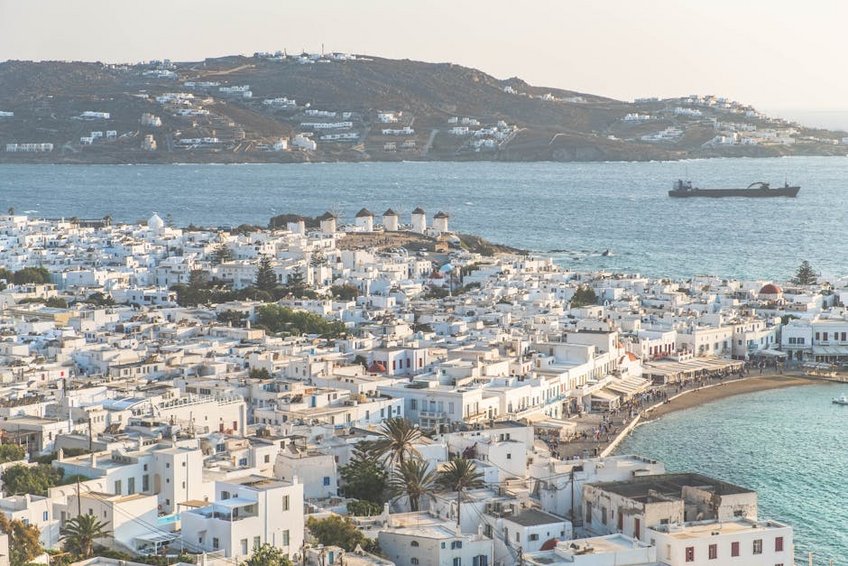
Mykonos Travel Guide
Planning a trip to this iconic Cycladic island requires smart strategy to navigate its unique blend of vibrant energy and serene beauty. This guide provides specific logistics, from budgeting for the island’s premium prices to pinpointing the perfect beach for your mood, all based on firsthand travel insights. You will find essential information on navigating Mykonos Town, securing the best accommodation, and crafting an itinerary that balances famous hotspots with authentic local discoveries.
Essential Mykonos Information
Mykonos sits in the heart of the Aegean Sea as part of the Cyclades island group in Greece. Its history as a 20th-century haven for artists and celebrities evolved into a globally recognized destination for upscale tourism and nightlife. The island’s identity balances this modern vibrancy with traditional whitewashed architecture and a rich maritime past.
Summer temperatures average 82-90°F (28-32°C) with constant Meltemi winds providing cooling relief. This wind pattern defines the island’s climate and even influences which beaches are comfortable on specific days. Peak tourism season runs from late May through early October, with July and August seeing the highest visitor density and prices.
Island Geography and Layout
Understanding the island’s layout is key to efficient travel planning. Mykonos is surprisingly small, but traffic and one-way systems can slow movement.
- The main port and airport are on the central-east side, with Mykonos Town (Chora) a short drive south.
- Southern beaches like Psarou and Paradise face calmer seas, while northern shores like Ftelia and Panormos experience stronger winds ideal for water sports.
- Inland villages like Ano Mera offer a quiet contrast to the coastal buzz, featuring a traditional square and historic monastery.
- Budget Traveler ($80-120): Stay in a hostel or basic studio in Tourlos, use public buses, eat gyros or supermarket picnics, and enjoy public beaches. Nightlife is limited to a drink or two at casual bars.
- Mid-Range Traveler ($200-350): Stay in a 3-4 star hotel in Ornos or Platis Gialos, rent an ATV for mobility, dine at mid-range tavernas, and book a sunbed at a standard beach club. This allows for a balanced, comfortable experience.
- Luxury Traveler ($500+): Stay at a 5-star boutique hotel or villa with a pool in Psarou or Scorpios, hire a private driver, dine at upscale restaurants like Nammos or Interni, and reserve VIP tables at beach clubs. This tier offers full access to the island’s premium offerings.
- Official Municipality of Mykonos
- Greek National Tourism Organization
- Greek Travel Pages
Local Culture and Vibe
Mykonos presents a fascinating cultural duality that travelers should appreciate. By day, the atmosphere is relaxed and sophisticated, focused on beach clubs and chic shopping. As sunset approaches, the energy shifts dramatically toward world-famous nightlife centered in Mykonos Town and beach clubs.
Despite its international party reputation, traditional Greek hospitality remains strong in family-run tavernas and shops. Respecting local customs, like modest dress when visiting churches, is appreciated. The island’s official language is Greek, but English is universally spoken in all tourist areas.
Key Historical Context
The island’s iconic look has practical historical origins beyond mere aesthetics. The whitewashed, cube-shaped buildings with blue accents were designed to reflect the intense summer sun and keep interiors cool. The labyrinthine streets of Mykonos Town were intentionally confusing to disorient pirate invaders centuries ago.
Windmills, particularly the famous Kato Mili line, were crucial for milling wheat using the strong Meltemi winds until the early 20th century. Today, they stand as the island’s most photographed landmark, symbolizing its historical reliance on wind power.
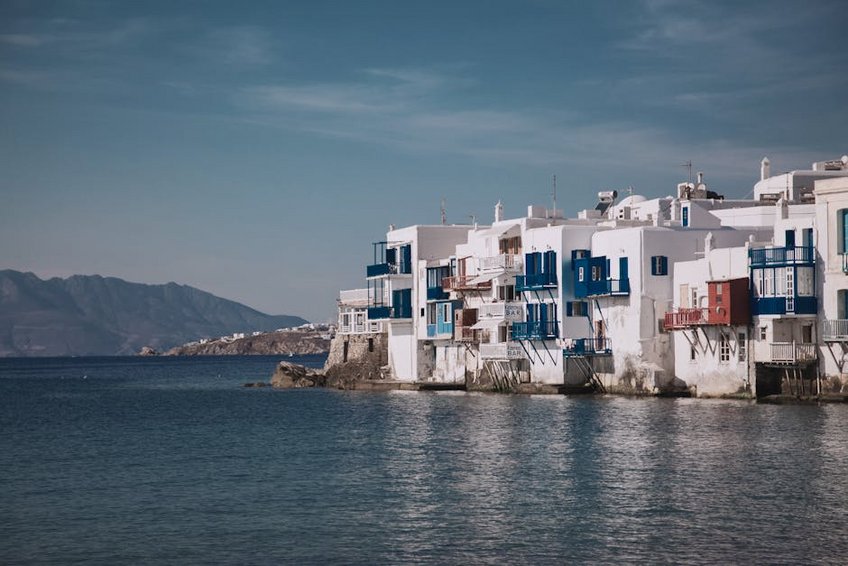
Alt: “mykonos-town-windmills-little-venice-aegean-sea”
Mykonos Travel Guide – Planning Your Trip
Effective planning transforms a good Mykonos visit into a great one. Accommodations and ferry tickets sell out months in advance for peak summer, so early booking is non-negotiable. A strategic approach balances time between different coastal areas to experience the island’s full character.
Your budget should account for the island’s premium status within Greece. Meals, drinks, and activities often carry prices comparable to major European cities. However, smart planning using this Mykonos travel guide reveals ways to manage costs without sacrificing the essential experience.
Packing requires consideration for both chic beach clubs and windy conditions. Include stylish casual wear, a light jacket for evening winds, comfortable shoes for cobblestone streets, and strong sunscreen. A portable power bank is useful for long beach days away from outlets.
Best Time to Visit Mykonos
For perfect beach weather and full operation of clubs and restaurants, target June through early September. Daytime temperatures hover between 80-90°F (27-32°C) with minimal rain. This period offers the quintessential vibrant Mykonos experience, though it comes with maximum crowds and prices.
The shoulder seasons of May and late September to early October provide excellent alternatives. Temperatures are pleasant at 70-80°F (21-27°C), crowds are thinner, and prices drop significantly. Some beach clubs may have reduced hours, but overall accessibility and comfort are often higher.
Budget Planning and Costs
Daily costs vary dramatically based on your chosen style of travel. Here is a realistic breakdown for a per-person daily budget excluding flights.
Essential Preparation Checklist
Secure flights to Mykonos International Airport (JMK) or book ferry routes from Athens’ Piraeus or Rafina ports well in advance. For summer, aim to book ferries 2-3 months ahead and hotels 4-6 months ahead. Ensure your passport is valid for at least three months beyond your planned departure from the Schengen Area.
Pack swimwear, cover-ups, sunglasses, a sun hat, reef-safe sunscreen, and after-sun lotion. Include a light windbreaker, comfortable walking sandals, and one slightly dressier outfit for dinner. European Type C/F power adapters are required, as Greece uses 230V voltage.
Top Attractions and Island Experiences
Mykonos offers far more than its party reputation suggests. The island’s charm lies in discovering its hidden chapels, windy capes, and tranquil morning hours before the crowds arrive. Balancing iconic sites with personal exploration creates the most memorable visit.
Beach-hopping is a fundamental activity, with each coast offering a distinct personality. South coast beaches feature organized clubs with music and service, while north coast beaches are often windier and more natural. All provide stunningly clear turquoise water that defines the Cyclades.
Exploring the maze of Mykonos Town is an attraction in itself. Allow time to get lost in its narrow, photogenic streets lined with bougainvillea. You will discover tiny art galleries, boutique shops, and charming cafes tucked away from the main tourist thoroughfares.
Must-See Highlights
No visit is complete without seeing the iconic Windmills of Kato Mili, especially at sunset. Located on a hill southwest of Mykonos Town, they offer panoramic views over the rooftops and sea. Arrive an hour before sunset to secure a good viewing spot, as it gets crowded.
The neighborhood of Little Venice, with its colorful Venetian-era houses built right on the water’s edge, is equally essential. Bars and restaurants here provide prime sunset seating, though drinks are premium-priced. For a classic photo, capture the Panagia Paraportiani church, a stunning whitewashed architectural complex near the town’s entrance.
Consider a half-day trip to the archaeological site of Delos, a UNESCO World Heritage site located a short boat ride away. This sacred island was once a major religious and commercial center. Guided tours explain the extensive ruins, including the famous Terrace of the Lions.
Hidden Gems and Local Favorites
Escape the crowds by visiting the inland village of Ano Mera. Here you will find the peaceful Panagia Tourliani Monastery, a 16th-century complex with a detailed marble bell tower and a small museum. The village square has several authentic tavernas serving locals at reasonable prices.
For a beach experience away from the clubs, head to Fokos or Mersini on the north coast. These are remote, unorganized beaches with basic tavernas serving incredibly fresh seafood. You will need your own transportation, preferably a 4×4 or ATV, to access these rugged spots.
Discover the Armenian’s Lighthouse (Fanari) at the island’s northwestern tip. The journey down a rough road is rewarded with complete isolation and dramatic views of the crashing Aegean waves. It is one of the oldest lighthouses in Greece and perfect for a peaceful moment.
Beach Club Culture and Etiquette
Beach clubs are central to the Mykonos social scene, operating more as daytime nightclubs. Popular clubs like Scorpios, Nammos (Psarou Beach), and Principote (Panormos Beach) require advance reservations for sunbeds, especially on weekends. Minimum spends per sunbed can range from $50 to over $500 in VIP sections.
The vibe shifts throughout the day, starting relaxed in the morning, turning lively with music by afternoon, and often transitioning into sunset parties. Dress is stylish but resort-casual; swimwear is acceptable but most patrons wear fashionable cover-ups. Service is attentive, and tipping is customary for good service, usually 5-10%.
Practical Travel Information
Navigating Mykonos efficiently requires understanding your transportation options. The island has a reliable public bus system connecting Mykonos Town to major beaches and Ano Mera, but buses can be crowded in peak season. Taxis are limited and expensive, with a central phone dispatch system; ride-sharing apps do not operate here.
For maximum freedom, renting a vehicle is highly recommended. Options range from small cars and ATVs to scooters. Note that many roads, especially to remote beaches, are unpaved and rough. Always have an International Driving Permit alongside your national license for rental contracts.
| Accommodation Area | Best For | Price Range/Night (USD) |
|---|---|---|
| Mykonos Town (Chora) | Nightlife, dining, shopping; charming but can be noisy. | $150 – $1000+ |
| Ornos & Platis Gialos | Families, good beaches, ferry access to other islands; central location. | $120 – $700 |
| Psarou & Agios Ioannis | Luxury, high-end beach clubs (Nammos), celebrity spotting. | $300 – $2000+ |
| Tourlos & Agios Stefanos | Port/airport proximity, budget to mid-range options, quieter vibe. | $80 – $400 |