Dubrovnik Travel Guide
Planning a trip to Croatia’s Adriatic coast requires a detailed Dubrovnik travel guide to navigate its historic walls, crystalline waters, and vibrant culture effectively. This ancient port city, a UNESCO World Heritage site, offers far more than just its famous limestone-paved Old Town, presenting visitors with a layered experience of Adriatic history, island escapes, and modern Dalmatian life. This guide provides specific seasonal advice, precise budgeting, and logistical tips to help you design an efficient and memorable visit to this iconic destination.
Essential Dubrovnik Information
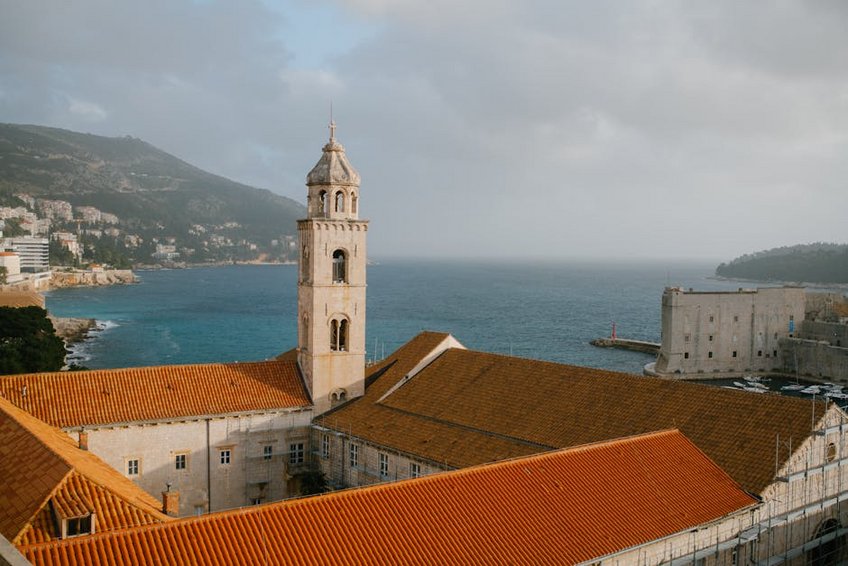
Dubrovnik, often called the “Pearl of the Adriatic,” is a historic city on Croatia’s southern Dalmatian coast. Its strategic maritime location fostered a powerful trading republic, the Republic of Ragusa, which rivaled Venice for centuries. The remarkably intact Old Town, encircled by massive 16th-century stone walls, is the city’s heart and primary attraction.
The city’s layout is distinctly divided between the pedestrian-only Old Town and the more modern districts that spread across the coastal slopes. Its Mediterranean climate ensures hot, dry summers and mild, wet winters, with the shoulder seasons offering a particularly pleasant balance for exploration. The local currency is the Croatian Kuna (HRK), though the Euro is widely accepted.
Key Historical Context and Orientation
Understanding the city’s past enriches any visit. Its independence and wealth shaped its unique architecture and cosmopolitan spirit.
- The Republic of Ragusa lasted from 1358 to 1808, establishing advanced diplomatic relations, a pioneering sewage system, and a slave trade abolition law in 1416.
- The devastating 1667 earthquake and the 1991-92 Siege of Dubrovnik during the Croatian War of Independence caused significant damage, with meticulous restoration returning the city to its former glory.
- Today, the city is part of the Dubrovnik-Neretva County and is a major cruise ship destination, making strategic timing crucial for a peaceful experience.
- Budget Traveler ($60-80/day): Staying in a hostel dorm in Lapad or Gruž, using public buses, self-catering meals from markets, and limiting paid attractions to one major site like the City Walls, using the pass for best value.
- Mid-Range Traveler ($120-180/day): A private room in a guesthouse or a 3-star hotel near the Old Town, eating at local konobas (taverns) for lunch and dinner, enjoying a few drinks, and visiting 2-3 paid attractions or joining a kayaking tour.
- Luxury Traveler ($300+/day): A 4 or 5-star hotel with sea views in Ploče or Lapad, fine dining at upscale restaurants, private boat tours to the Elafiti Islands, and guided historical tours for in-depth insight.
- Official Tourist Board of the City of Dubrovnik
- Lonely Planet Dubrovnik Guide
The City Layout and Districts
The city is best understood by its main districts. The Old Town (Stari Grad) is the compact, walled historic center containing almost all major monuments, churches, and museums. Parking is impossible here, and access is through several impressive gates like the Pile Gate.
Just outside the Pile Gate is the Ploče district, an upscale area with luxury hotels and cliffside bars overlooking the Old Town harbor. The Lapad peninsula to the west features sandy beaches, family-friendly hotels, and a relaxed promenade. Gruž is the main commercial port area, home to the bus station, ferry terminal, and larger supermarkets.
Language and Local Customs
The official language is Croatian. English is very widely spoken in tourism sectors, especially by younger generations. Learning a few basic phrases like “hvala” (thank you) and “dobar dan” (good day) is appreciated.
Local culture values hospitality but also respects quiet and privacy. Dress modestly when entering churches (covering shoulders and knees). Tipping is customary in restaurants; rounding up the bill or leaving 10% for good service is standard practice.
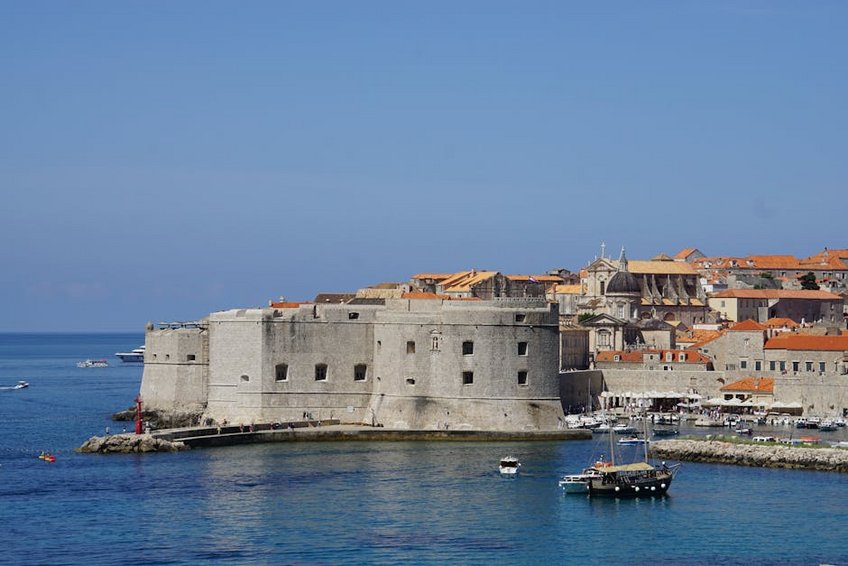
Alt: “dubrovnik-old-town-aerial-view-adriatic-sea-coastline”
Dubrovnik Travel Guide – Planning Your Trip
Successfully navigating a Dubrovnik visit hinges on strategic planning around crowds, climate, and costs. Summer sees peak prices and dense tourist flows from both land and sea, while other seasons offer distinct advantages. Your budget will dictate accommodation choices, with significant differences between staying inside the ancient walls versus in the surrounding neighborhoods.
Advance bookings for popular attractions like walking the city walls are essential from May through September. Consider purchasing the Dubrovnik Pass, which includes wall entry and public transport. A thoughtful Dubrovnik travel guide emphasizes that flexibility and early preparation are your greatest assets for a smooth Adriatic holiday.
Best Time to Visit Dubrovnik
The ideal months for pleasant weather and manageable crowds are May, early June, September, and October. During this period, daytime temperatures range from 70-80°F (21-27°C), the sea is warm enough for swimming, and cruise ship traffic is lower. You’ll experience long sunny days perfect for sightseeing and cafe culture.
July and August constitute peak season, with temperatures often exceeding 86°F (30°C), intense sun, and the highest number of daily visitors. The winter months (November to March) are quiet and mild, with average temperatures of 50°F (10°C), but some attractions have reduced hours and the Adriatic is too cold for swimming.
Budget Planning and Costs
Daily costs vary dramatically by season and travel style. Here’s a realistic breakdown for a per-person daily budget excluding flights.
Essential Preparation Checklist
Footwear is paramount; pack sturdy, comfortable walking shoes with good grip for the city’s marble streets and the steep, uneven steps of the walls and fortresses. Sun protection is non-negotiable—bring a high-SPF sunscreen, a wide-brimmed hat, and sunglasses, as the Adriatic sun reflects powerfully off the limestone.
For EU and US passport holders, no visa is required for stays under 90 days. Ensure your passport is valid for at least three months beyond your planned departure. Book accommodations at least 4-6 months in advance for summer stays. Purchase comprehensive travel insurance that covers medical emergencies and trip interruptions.
Top Attractions and Activities
The iconic City Walls are the undisputed highlight, offering a 1.2-mile (2 km) circuit with unparalleled views over terracotta rooftops and the sea. Allow at least two hours to walk the full length, stopping at forts like Minceta and Bokar. Go as soon as they open (8 AM) or later in the afternoon to avoid the midday heat and largest crowds.
Within the walls, Stradun (Placa) is the main limestone-paved thoroughfare, lined with Baroque buildings. Key sites include the Rector’s Palace, showcasing the city’s political history, the stunning Franciscan Monastery with its ancient pharmacy, and the ornate Dubrovnik Cathedral housing a treasury of relics.
Must-See Highlights
Walking the City Walls costs approximately $35 (250 HRK) for adults, but is best purchased as part of the Dubrovnik Pass. For a different perspective, take the Dubrovnik Cable Car to the top of Mount Srđ. The ride offers breathtaking panoramic views, especially at sunset, and access to a museum about the Homeland War.
The Fort of St. Lawrence (Lovrijenac), located just outside the western wall, is famously used as the Red Keep in *Game of Thrones* and offers a stunning vantage point back toward the city. Kayaking tours departing from Pile or Banje Beach provide a unique sea-level view of the walls and often include stops at hidden caves and the nearby Lokrum Island.
Hidden Gems and Local Favorites
Escape the main throng by climbing the steep steps to the Jesuit Staircase, a beautiful Baroque staircase that feels worlds away from the Stradun. Visit the small but poignant War Photo Limited gallery, which features powerful exhibitions on conflicts in the Balkans and beyond, offering crucial historical context.
For a peaceful green space, the arboretum in Trsteno, a short bus ride north, is a serene 15th-century Renaissance garden with ancient aqueducts and sea views. Locals favor the beaches in the Lapad area, like Copacabana Beach, for their sandy entry and family-friendly facilities, unlike the pebbly beaches closer to the Old Town.
Island Excursions from the Port
No visit is complete without a trip to at least one of the nearby islands. Lokrum Island is a 15-minute ferry ride away, a nature reserve with peacocks, botanical gardens, and a salty inland lake called the “Dead Sea.” It’s perfect for a half-day of hiking and swimming.
The Elafiti Islands archipelago, particularly Šipan, Lopud, and Koločep, are ideal for day trips via Jadrolinija ferries. Lopud is car-free and famous for its sandy Šunj Beach. These islands offer a glimpse into traditional Dalmatian island life, with sleepy villages, olive groves, and excellent seafood restaurants.
Practical Travel Information
Dubrovnik’s compact size makes it relatively easy to navigate, but its popularity demands smart logistics. The city is served by Dubrovnik Airport (DBV), located about 12 miles (20 km) south of the city center. Transportation options into town include airport shuttles, taxis, and pre-booked private transfers, with the bus being the most economical choice.
Accommodation inside the Old Town is limited, atmospheric, and expensive, often in historic buildings without elevators. Staying in Lapad, Ploče, or Gruž offers more variety, better value, and easy access via the efficient local bus network. Booking any stay well in advance is critical, especially for summer visits.
| Category | Options/Features | Price Range (USD) |
|---|---|---|
| Old Town Hotels | Historic buildings, central location, often no elevator, noise from crowds | $200-$400+ per night |
| Lapad Peninsula Hotels | Beach access, family-friendly, resort amenities, quieter atmosphere | $120-$300 per night |
| Ploče District Hotels | Luxury 5-star properties, cliffside views, close to Old Town gates | $300-$700+ per night |
| Gruž Area Apartments | Self-catering options, near ferry/bus terminal, best for longer stays | $80-$150 per night |